Belgium 2025
Supported by the Association of Corporate Counsel






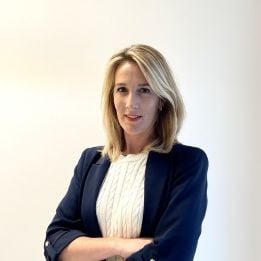

Managing counsel, Benelux, Central Europe and France | McKinsey & Company



Chief legal officer, Secretary general and Member of the executive committee | Gimv NV


General counsel and Chief compliance officer | Danone Benelux

Group general counsel, Chief compliance officer and Corporate secretary | Azelis Group NV

International legal director, company secretary, compliance officer | Atenor SA

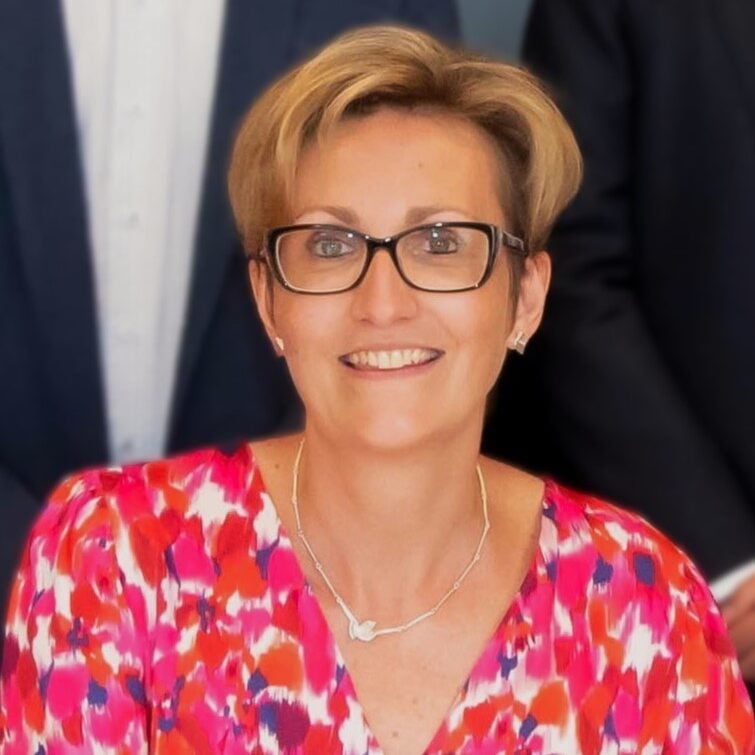


Head of legal services | European Network of Transmission System Operators for Electricity (ENTSO-E)

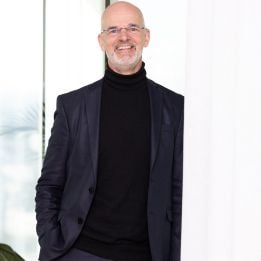




General counsel global cross-border, General counsel international 3PL | bpostgroup


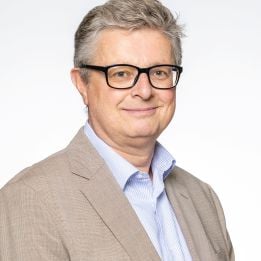


Head of legal and consumers’ affairs and Ombudsman | Commission Wallonne Pour l’Energie (CWaPE)

Senior legal director, surgery and strategic solutions EMEA | Johnson & Johnson

VP, General counsel international, Chief compliance officer | Allegion PLC


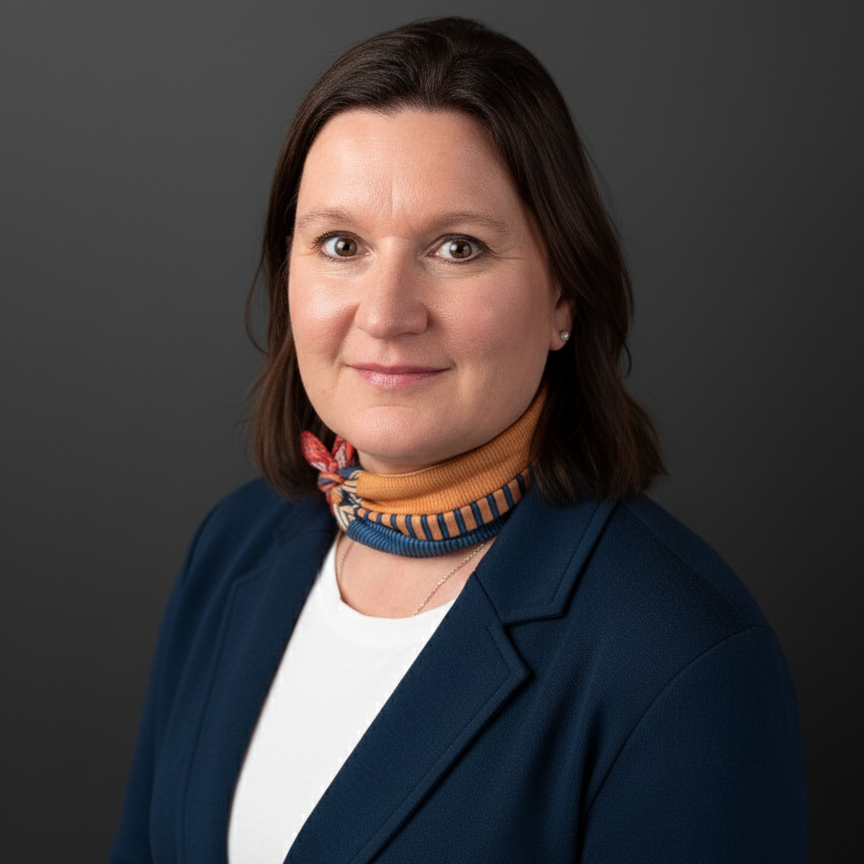
Senior legal and commercial manager, Belux | Fujitsu Technology Solutions








Chief legal officer and Company secretary | Nostrum Oil & Gas plc


General counsel, Continental Europe and MENA | McCain Foods
Assistant general counsel, VP regulatory law EMEA/APAC | Johnson & Johnson


Chief legal officer, Head of contract management, GDPR and ethics | Equans Belux
General counsel, Belgium-Luxembourg | Besix Group NV/SA
VP legal and Chief security officer | Coca-Cola Europacific Partners
Senior legal counsel - Head of regional legal team, Europe and Africa | Umicore
Head of legal and corporate affairs, BeLux | Huawei Technologies
Deputy general counsel, corporate governance and Deputy corporate secretary | Solvay
Group chief legal officer | Société Nationale de Construction Aérospatiale SA

Head of legal enterprise, technology, purchase and wholesale | Proximus
General counsel and corporate secretary | GBL (Groupe Bruxelles Lambert)
Secretary general, General counsel and Head of customer services | ASCENCIO SCA
General counsel, strategic initiatives, M&A, marketing and communications, legal operations | Mastercard
Group general counsel, Company secretary and Compliance officer | Aedifica NV
Legal 500 is honoured to launch the inaugural GC Powerlist: Belgium, in partnership with Loyens & Loeff. As in-house counsel continue to play an integral role in their organisations, the Powerlist celebrates their achievements and contributions to both the legal and business landscape.
As Hans Vandendael, International Legal Director at Atenor, points out: ‘the modern in-house counsel role has evolved dramatically, requiring a broader skill set than traditional legal practice.’
In today’s fast-paced environment, in-house counsel must be able to adapt – and quickly. ‘Regulations, technologies, and market expectations evolve rapidly, particularly in sectors such as gambling. An effective counsel must therefore anticipate changes, identify risks, and seize opportunities to create value rather than merely prevent liability’, explains Yves T’Jampens, Belgium Legal Director at Napoleon Sports & Casino.
Stijn Marquant, Managing Counsel, EMEA at McKinsey & Company Inc. agrees: ‘The increasing complexity of geopolitical risks, such as sanctions and tariffs, demands proactive legal risk assessments and real-time monitoring systems to safeguard operations and finances’.
But in-house counsel are increasingly called upon to balance the legal perspective with business strategy. General counsel must act as more than legal advisors and take on the role as true strategic partners to the business. ‘It is important not only to be flexible, but also to be familiar with the overall strategy and have a firm understanding of the impact and key focus points in order support the realisation of that strategy and the projected goals,’ explains Delphine Van Waes, Chief Legal Officer at Triginta NV.
Adaptability is key in managing these different sides of the business: ‘an effective in-house counsel must be able to absorb new legal frameworks and adjust strategies while keeping sight of the bigger picture. This agility allows the legal function to remain a reliable business partner when circumstances move faster than the law itself, for example with emerging AI regulations,’ notes Robert Sillen, Legal and Royalties Director and Editions at Casterman (Madrigall Group).
AI (artificial intelligence) remains a focal point for many in-house teams. General counsel must find a balance between integrating the benefits of AI into legal operations and ensuring that its use is ethical and compliant.
AI can streamline work that often consumes unnecessary time within a legal department. ‘The rise of technological innovations, particularly generative AI, is reshaping legal operations by automating tasks, enhancing efficiency, and enabling better risk management,’ explains Marquant.
This allows ‘in-house legal teams to focus on the more complex and engaging matters’, points out Caroline Coesemans, Legal Director for BeNeLux and Nordics at Google.
But there are risks associated with the use of AI, and much of the legislation around new technology is still developing. The temptation, warns Annelies Keirsmaekers, Head of Legal Affairs at Aquafin NV, is ‘to use AI without the right background, education and critical thinking abilities to tackle the need for speed.’ Vandendael agrees: ‘General counsel must become fluent in AI capabilities while maintaining critical oversight of AI-generated insights. The liability and ethical implications of AI-assisted legal work are still evolving, requiring careful navigation.’
Legal teams must therefore navigate such issues with integrity. Edmond Bastijns, Chief Legal Officer and Secretary General at Gimv NV, argues that ‘a strong ethical compass remains fundamental, underpinning transparency, corporate integrity, and sound governance.’
‘The modern in-house lawyer is not merely a technical expert, but also a guardian of corporate reputation and societal trust. Upholding the highest ethical standards while delivering innovative, compliant solutions is what truly defines excellence in today’s environment’, agrees T’Jampens.
In-house counsel are therefore required to take on an increasingly multi-faceted role. They must adapt and evolve to keep up with the business and industry of which they are a part, whether from a business, regulatory or technological perspective. And they must do this while maintaining an ethical standpoint that underpins both the legal and strategic advice they provide.
Isabel Caine
Editor – Corporate Counsel
Legal 500