Austria 2025
Supported by the Association of Corporate Counsel

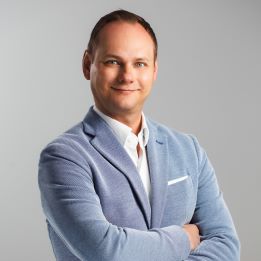

Senior legal counsel, head of global practice area | ANDRITZ AG



Head of Legal, Compliance & Risk Management Department Southeast Europe | Schenker & CO AG
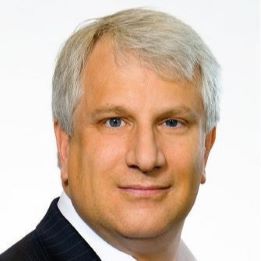
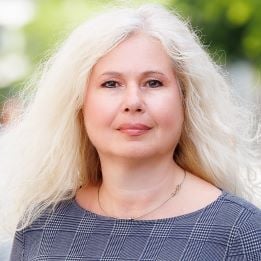
Head of Legal Department | Wirtschaftskammer Wien


Head of group legal and compliance | TÜV AUSTRIA HOLDING AG
General counsel South East Europe | Siemens Energy Austria
Head of central legal services | Greiner AG
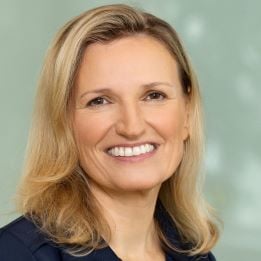
General counsel (Head of legal, compliance and insurance) | Kwizda Holding GmbH


Group general counsel & chief compliance officer | HOERBIGER
General counsel/head of group legal | SPAR Österreichische Warenhandels-AG

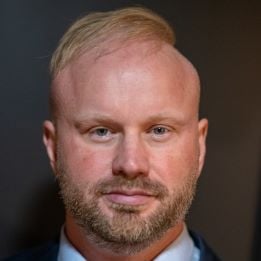

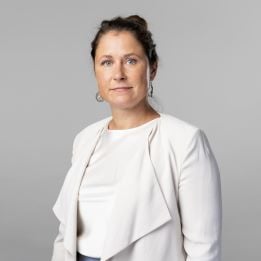



Head of Legal & Compliance | Bundesrechenzentrum GmbH
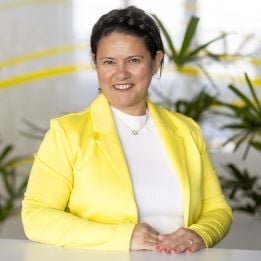
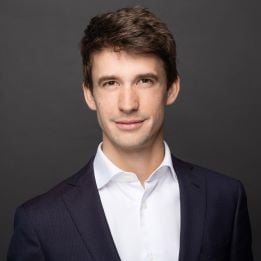
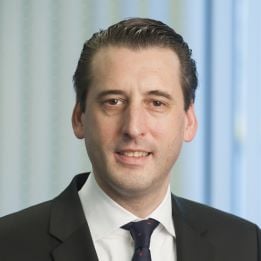

Regional Compliance Officer Central/Eastern Europe/CIS | thyssenkrupp AG
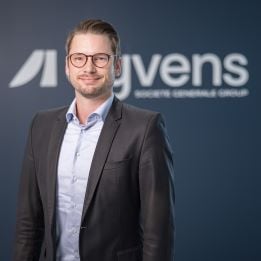
Head of legal (Austria and Switzerland) | ALD Automotive Fuhrparkmanagement und Leasing GmbH
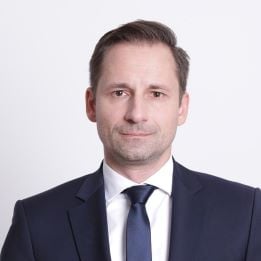
Head of legal and compliance | Liechtensteinische Landesbank (Österreich) AG



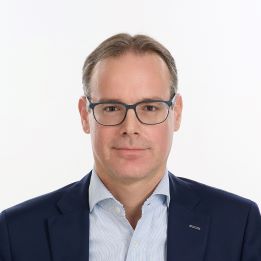


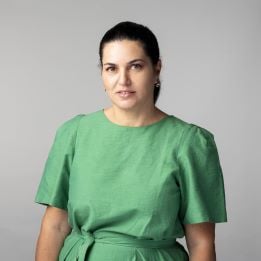


General counsel/Managing Director Zürich Service GmbH / ZSG (subsidiary of Zurich) | Zürich Versicherungs-Aktiengesellschaft

Regional general counsel & group compliance officer | ANDRITZ AG
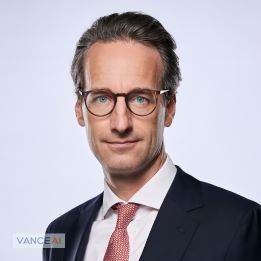
Group compliance officer and general counsel | IMS Nanofabrication
Vienna Group Lead International Legal/PPP Department | STRABAG
General counsel | Niederösterreichische Verkehrs-organisationsges.m.b.H
Head of legal and compliance | Wiener Stadtwerke GmbH (Vienna Utilities Services Group)
Country legal director, ethics and compliance officer | Coca-Cola
Head of legal affairs Austria | ALSTOM Transport Austria
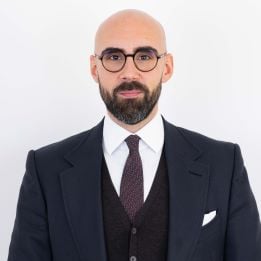
Head of legal and Corporate Affairs Director | Tobaccoland Handels GmbH & Co KG
It is my pleasure to announce another edition of Legal 500’s GC Powerlist: Austria. The 2025 edition of the Powerlist once again recognises some of the pre-eminent in-house counsel across the country.
I would like to congratulate all those featured in this year’s Powerlist and thank everyone who took part in the research process.
Throughout our conversations with general counsel from an array of companies across different sectors, several recurring themes emerged – ones that in-house counsel should keep in mind. As Dr. Michael Stelzel, group general counsel and chief compliance officer at HOERBIGER, points out, ‘extremely fast-moving sanctions regimes and geopolitical economic and political power games’ are forcing organisations to stay on top – and ahead – of various emerging trends. And in-house counsel are often at the forefront of these efforts.
Among the most frequently cited issues were AI and digitalisation. Philip Pauser, group general counsel at Alpega, cited AI as ‘a key trend, if not the key trend’. As AI continues to impact the way that companies operate, GCs are having to strike a balance between embracing new technology and maintaining the high standard expected of legal departments. Amanda Neil, general counsel at Head Group, notes: ‘law is an area which demands a high degree of accuracy and attention to detail, and some tools are not yet adequate to the task.’
However, as AI continues to be incorporated into organisations and the legal sector more widely, Dr. Roswitha Stöllner, general counsel at SPAR Österreichische Warenhandels-AG, reminds us that ‘the potential for efficiency and accuracy gains is significant and worth monitoring closely’.
Environmental, social, and governance (ESG) concerns are also a priority for many in-house counsel across Austria – despite ongoing global political shifts – as GCs play an integral part in the adoption of ESG initiatives. Mario Zlattinger, Head of Legal Austria and Switzerland at ALD Automotive Fuhrparkmanagement und Leasing, emphasises that the GC ‘plays a critical leadership role in embedding ESG principles into the corporate fabric.’ He examines several ways in which in-house counsel can ensure that they carry out this crucial role, from training to curating the very culture of the company.
After all, as Christian W. Schaumann, Head of Central Legal Services at Greiner, points out: ‘ESG principles and compliance is not a trend, but a business enabler and a potential USP in the competition for sustainable business opportunities.’
And, as the majority of our honourees agreed, in-house counsel are are integral to organisational success. As Nicole Christ, Head of Legal (EU/CIS & META) at RHI Magnesita GmbH, puts it: ‘legal acumen is, of course, foundational, but the ability to apply that expertise in a commercially pragmatic, risk-balanced way is what really adds value to the business.’
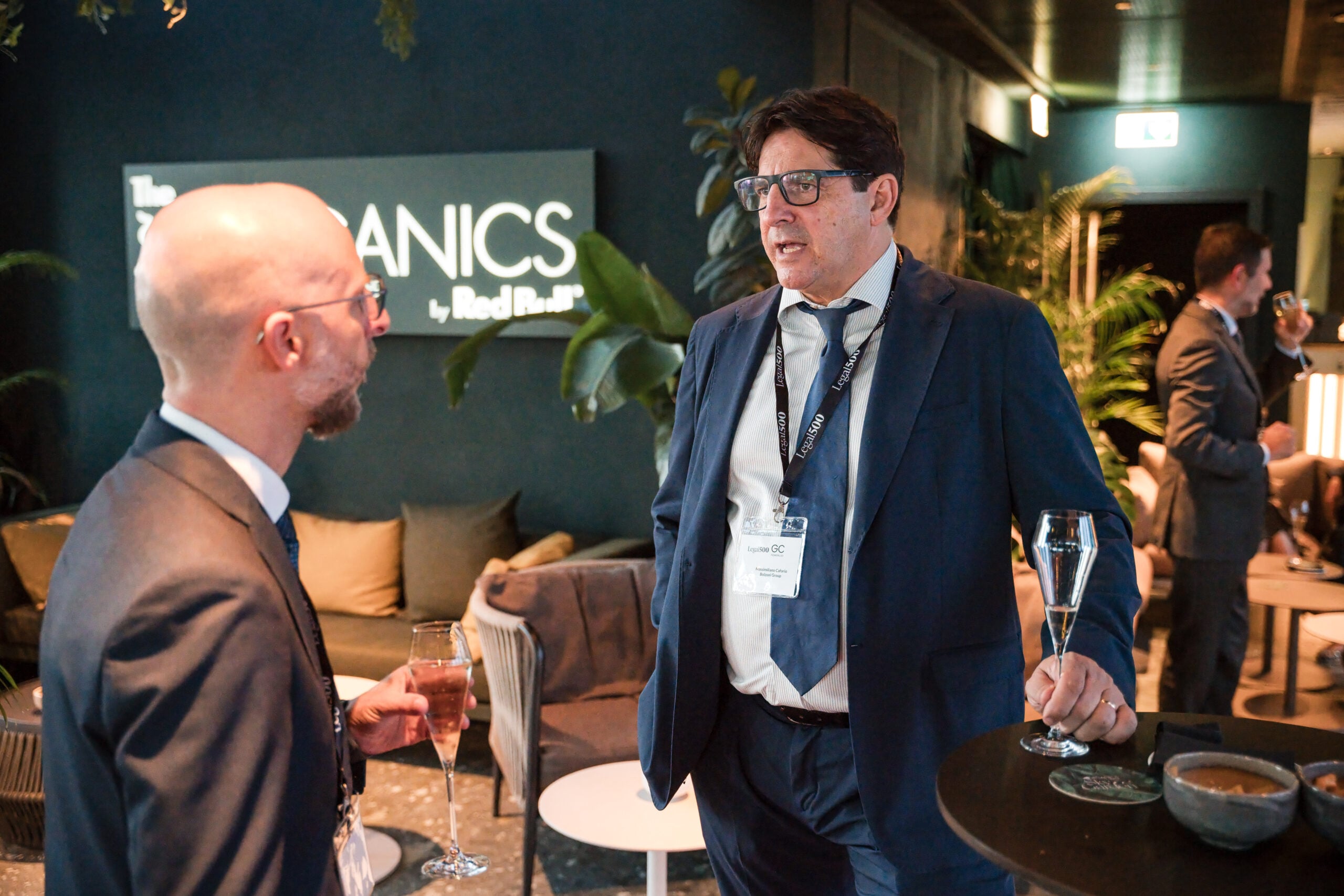
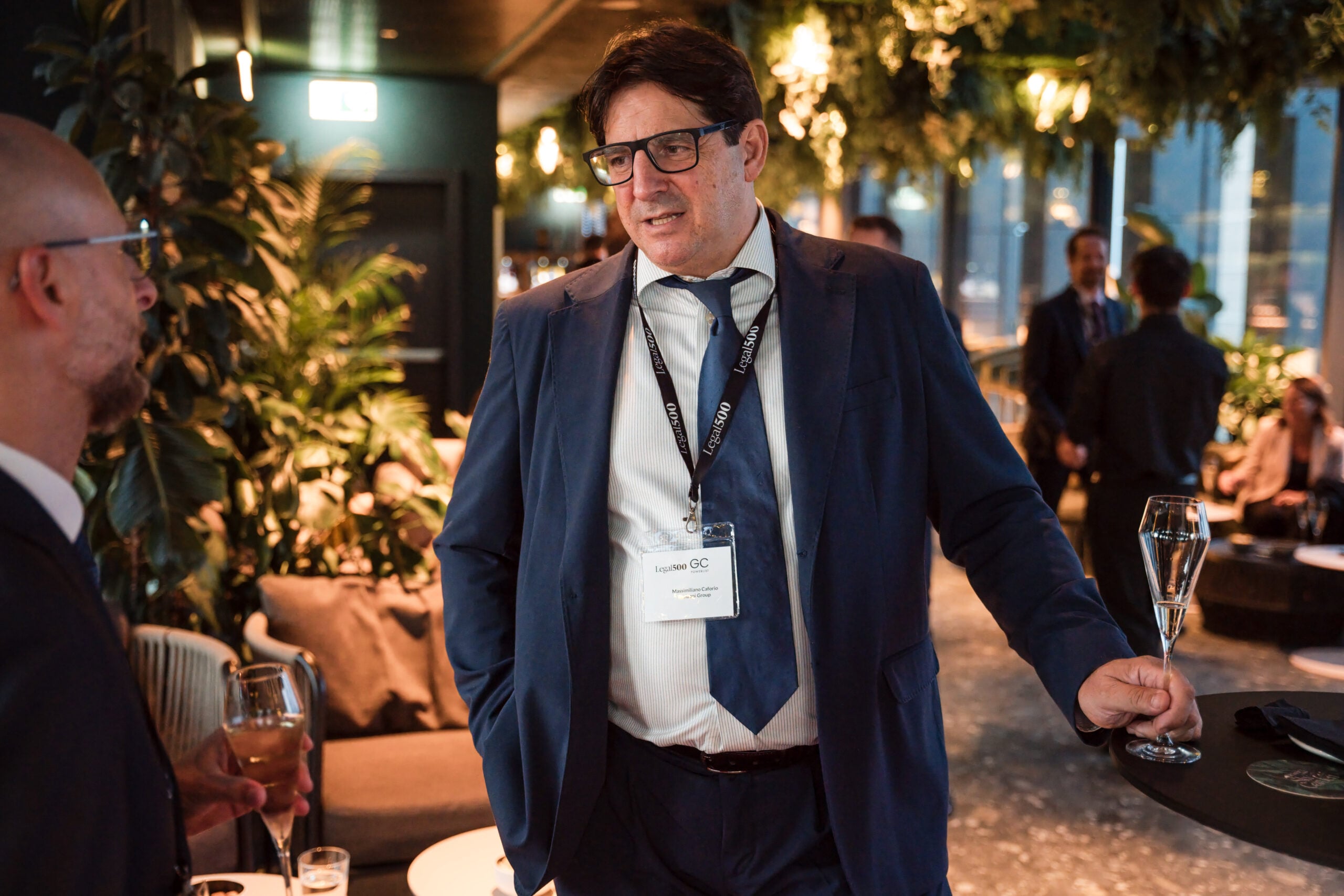
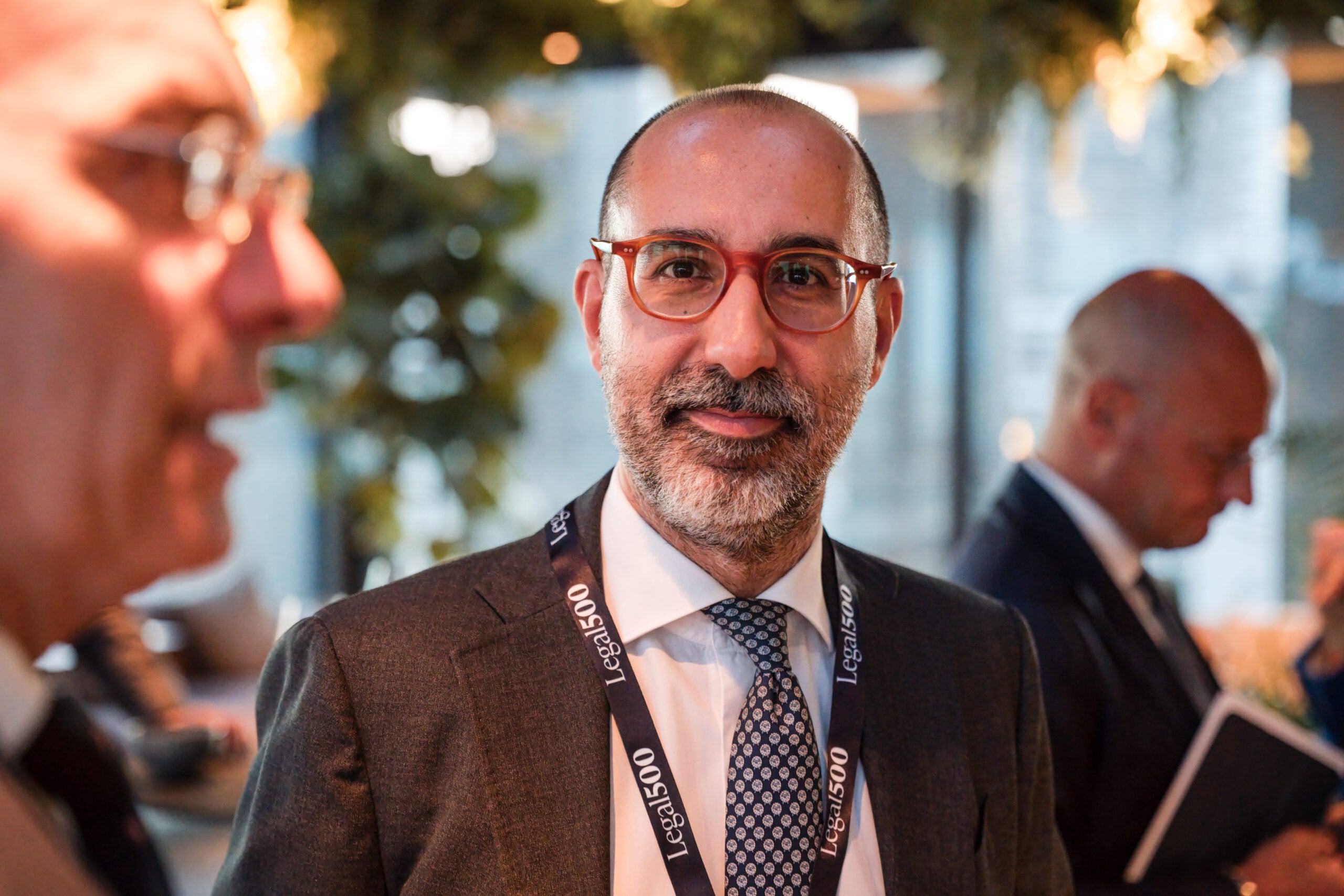
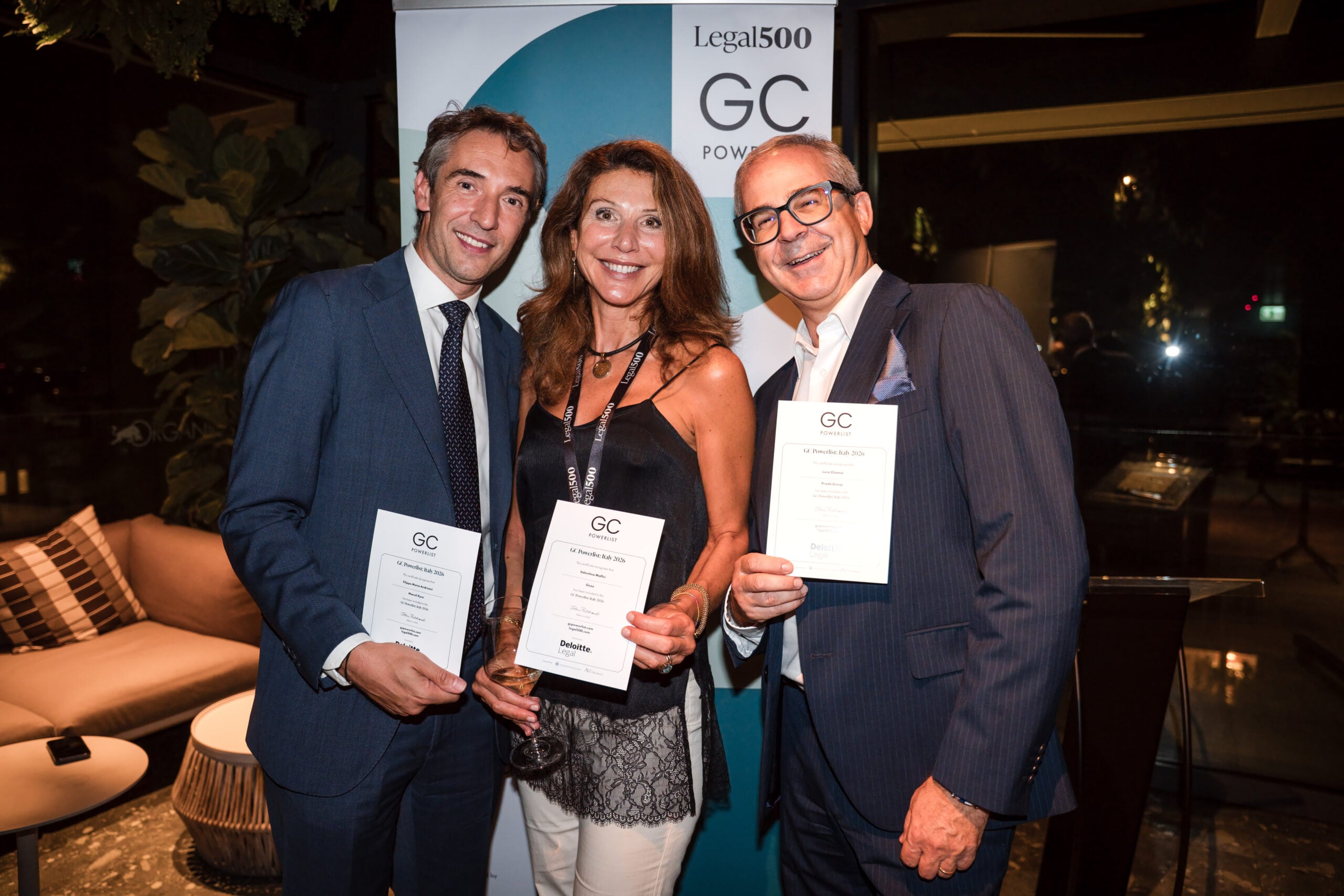
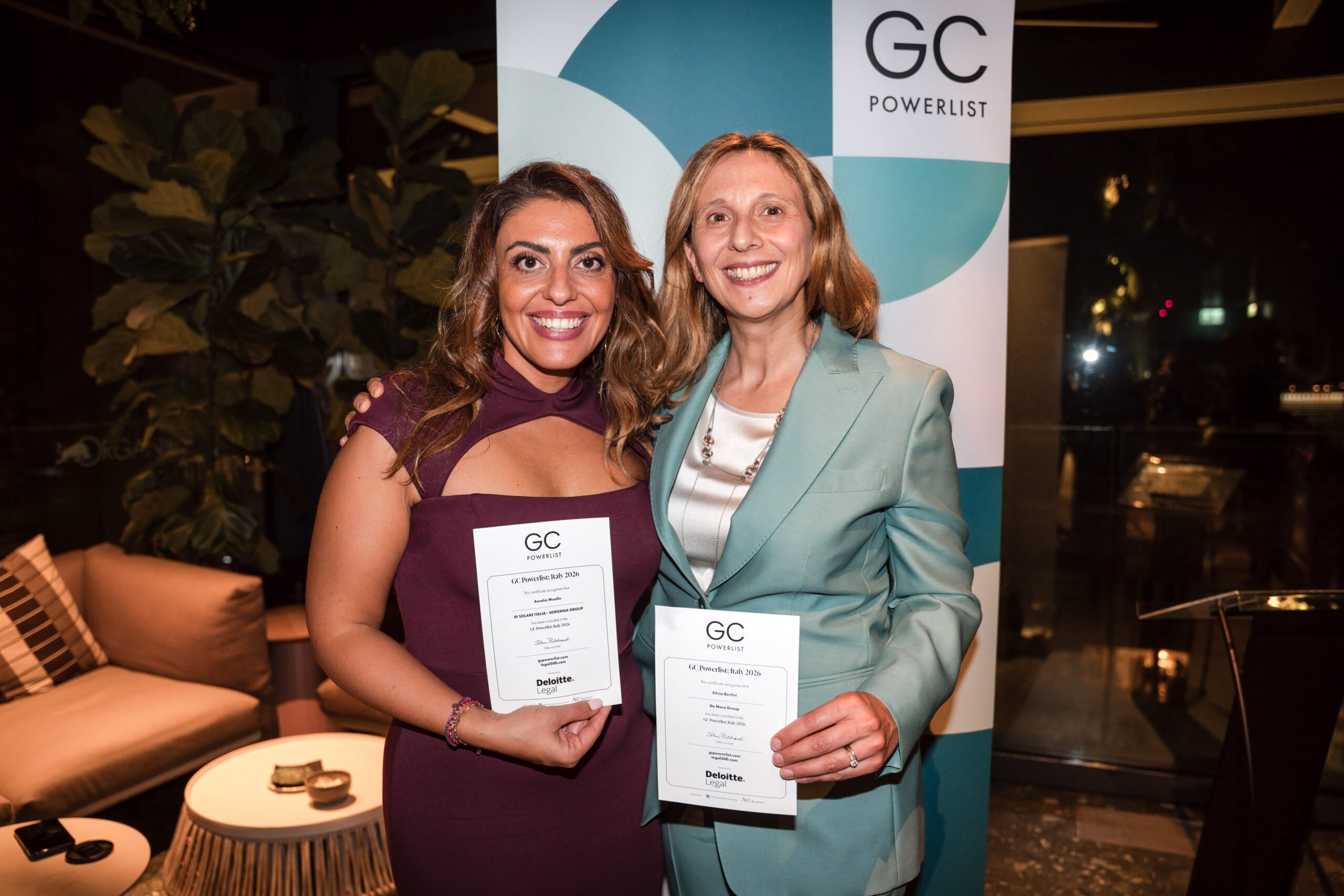
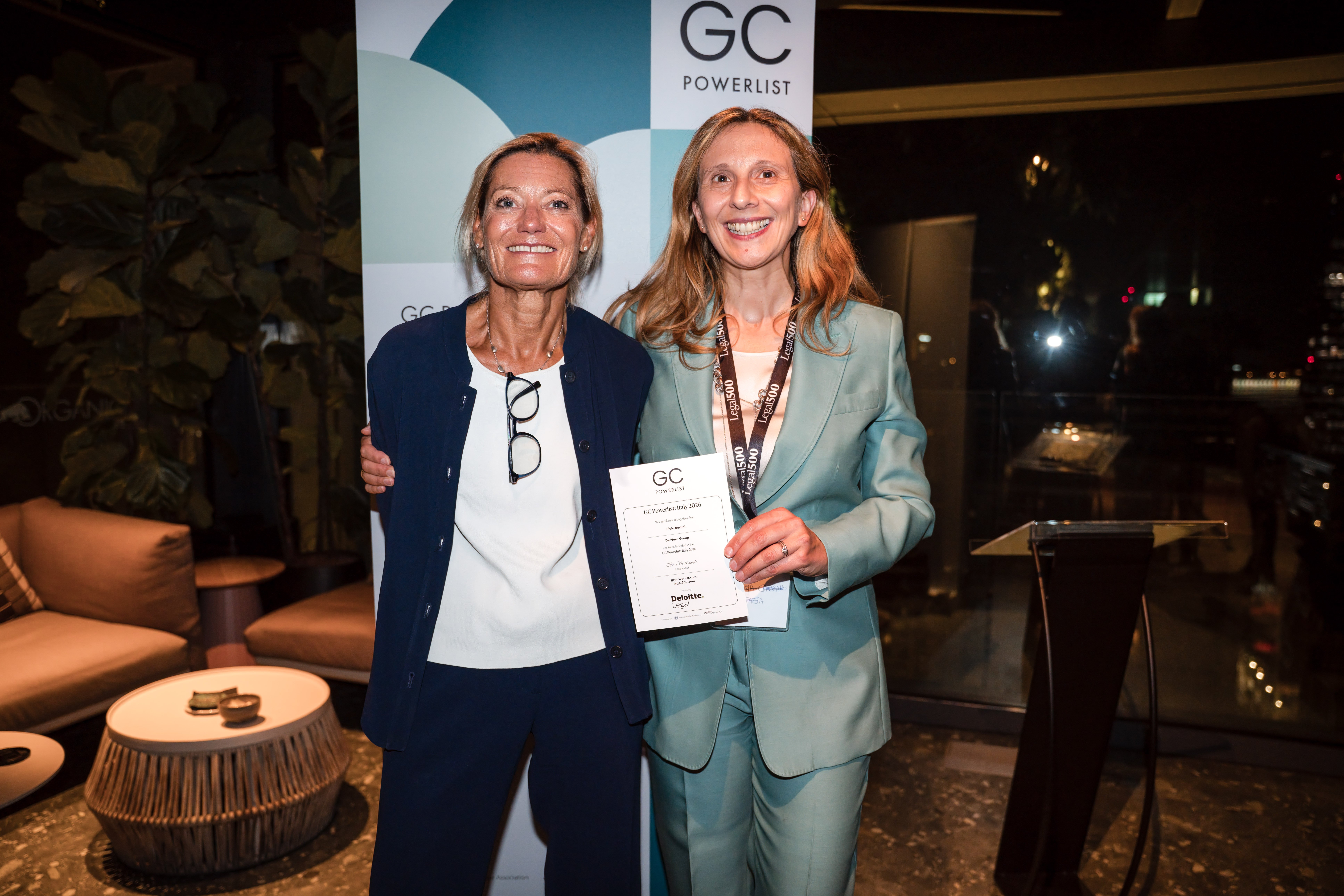
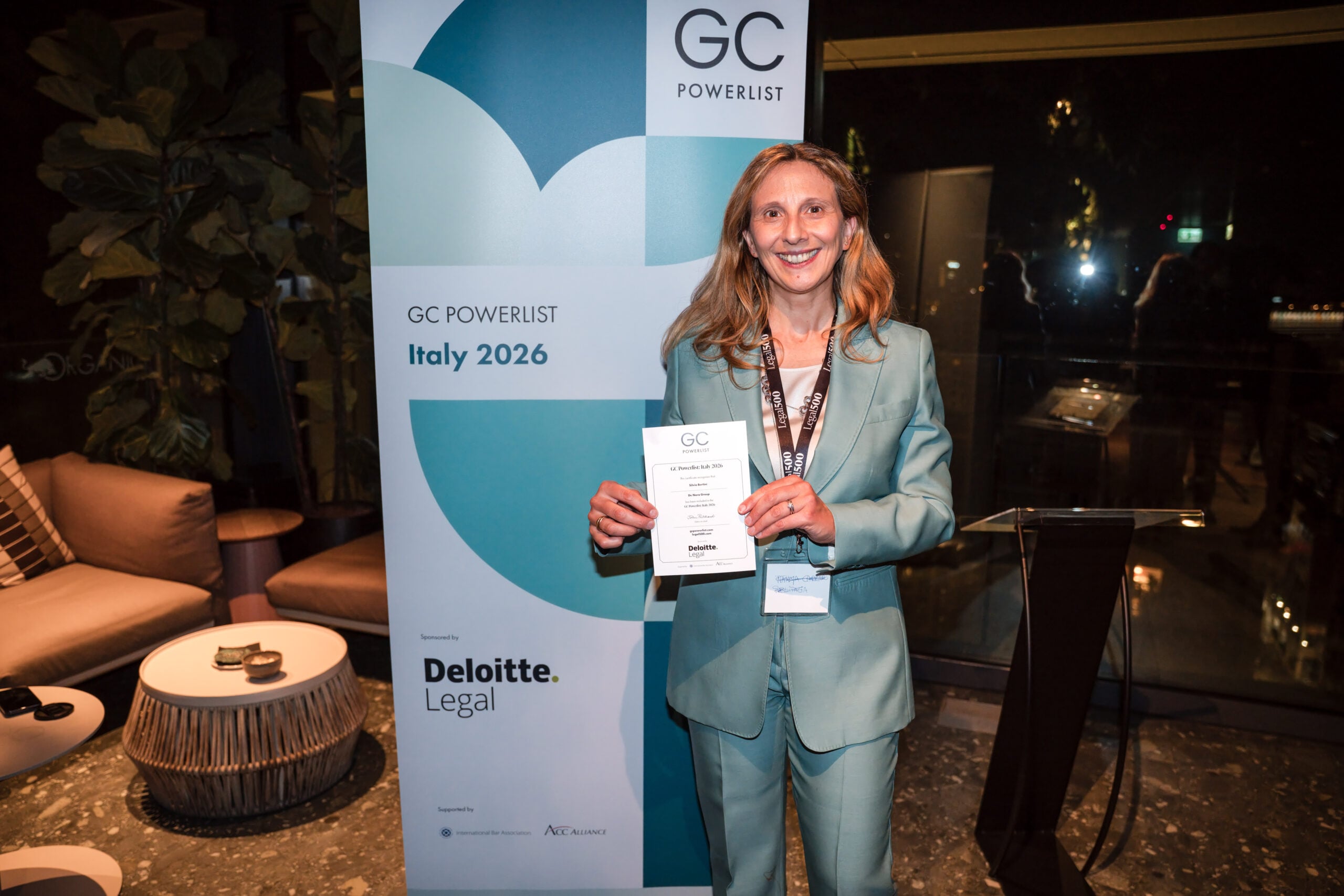
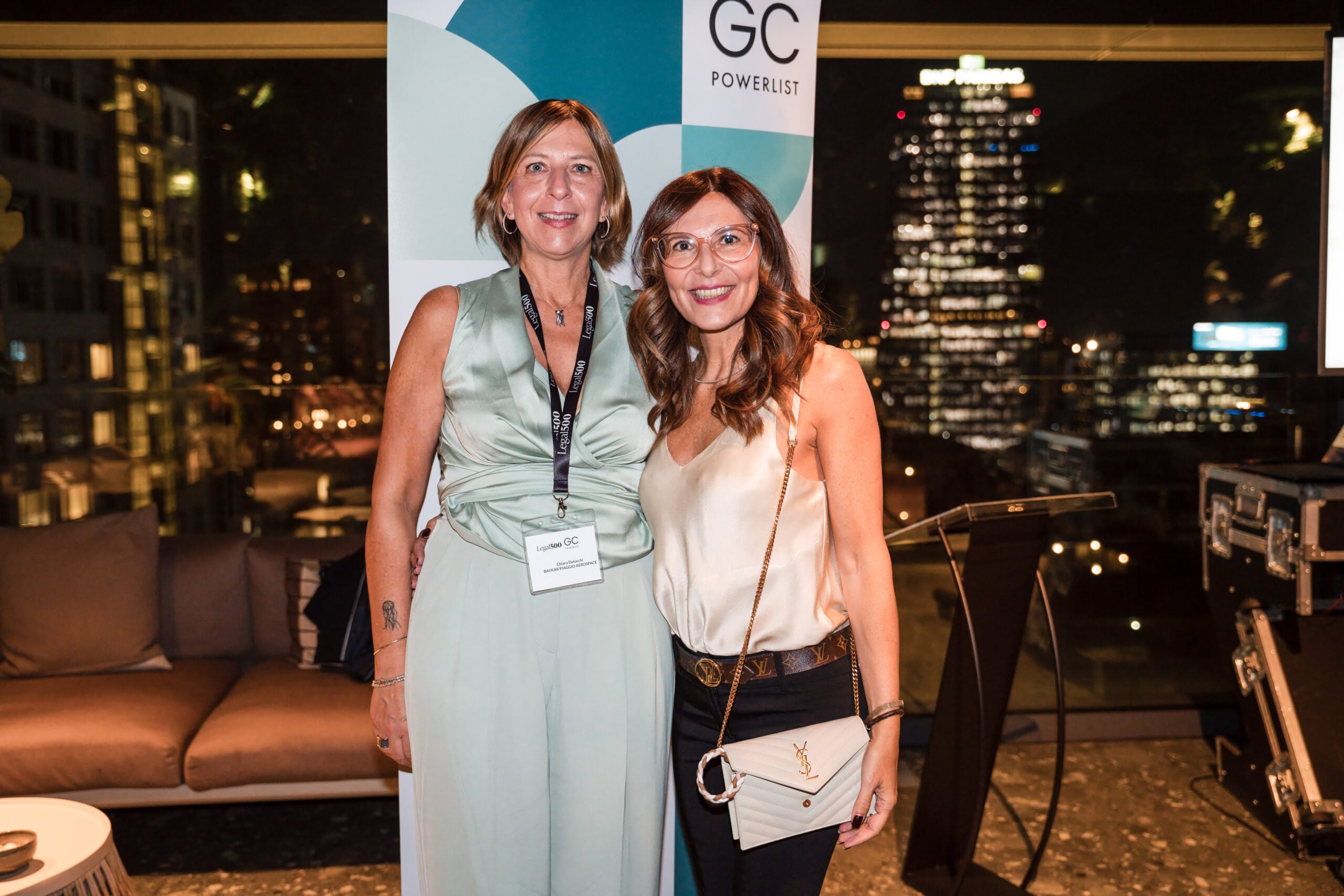
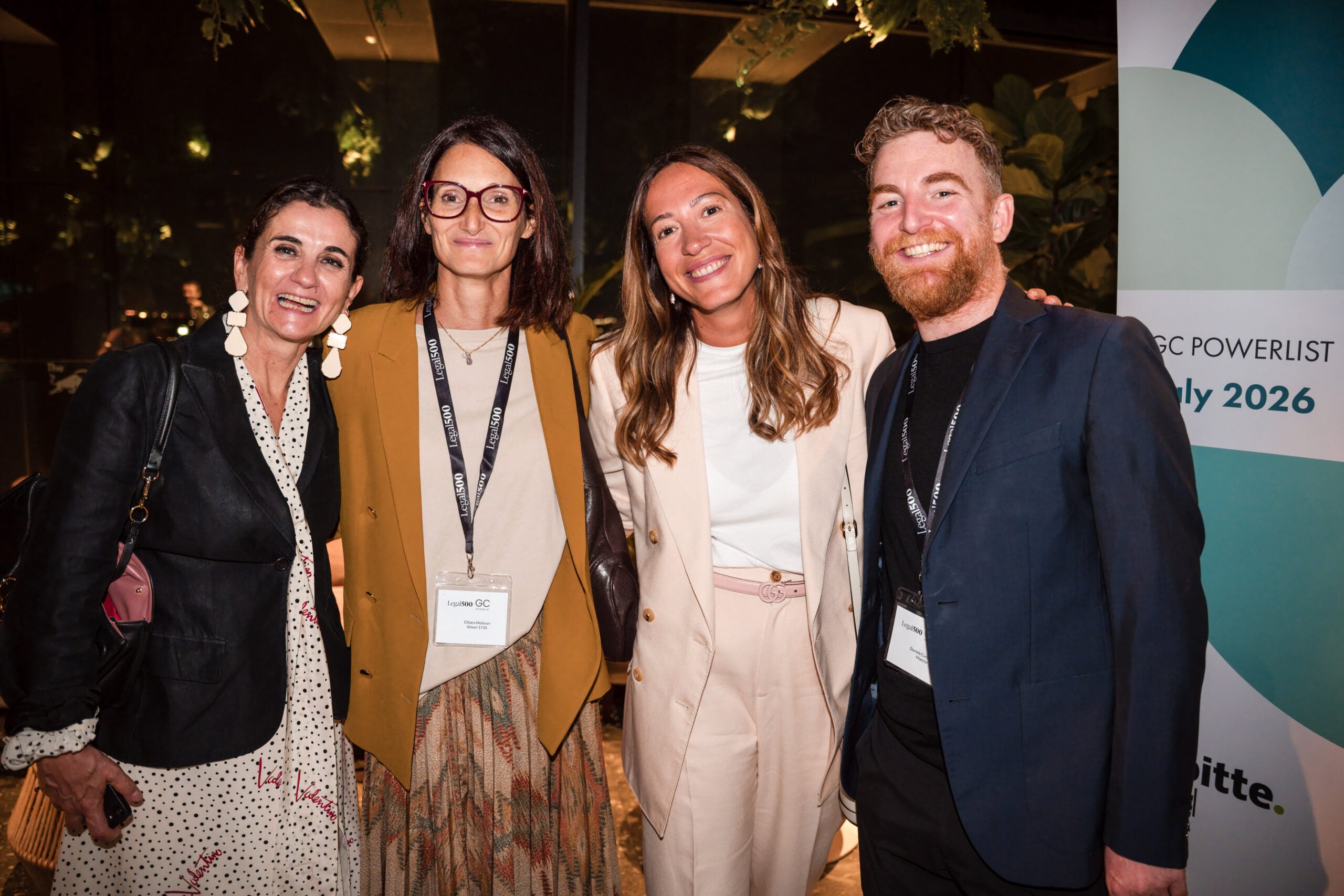
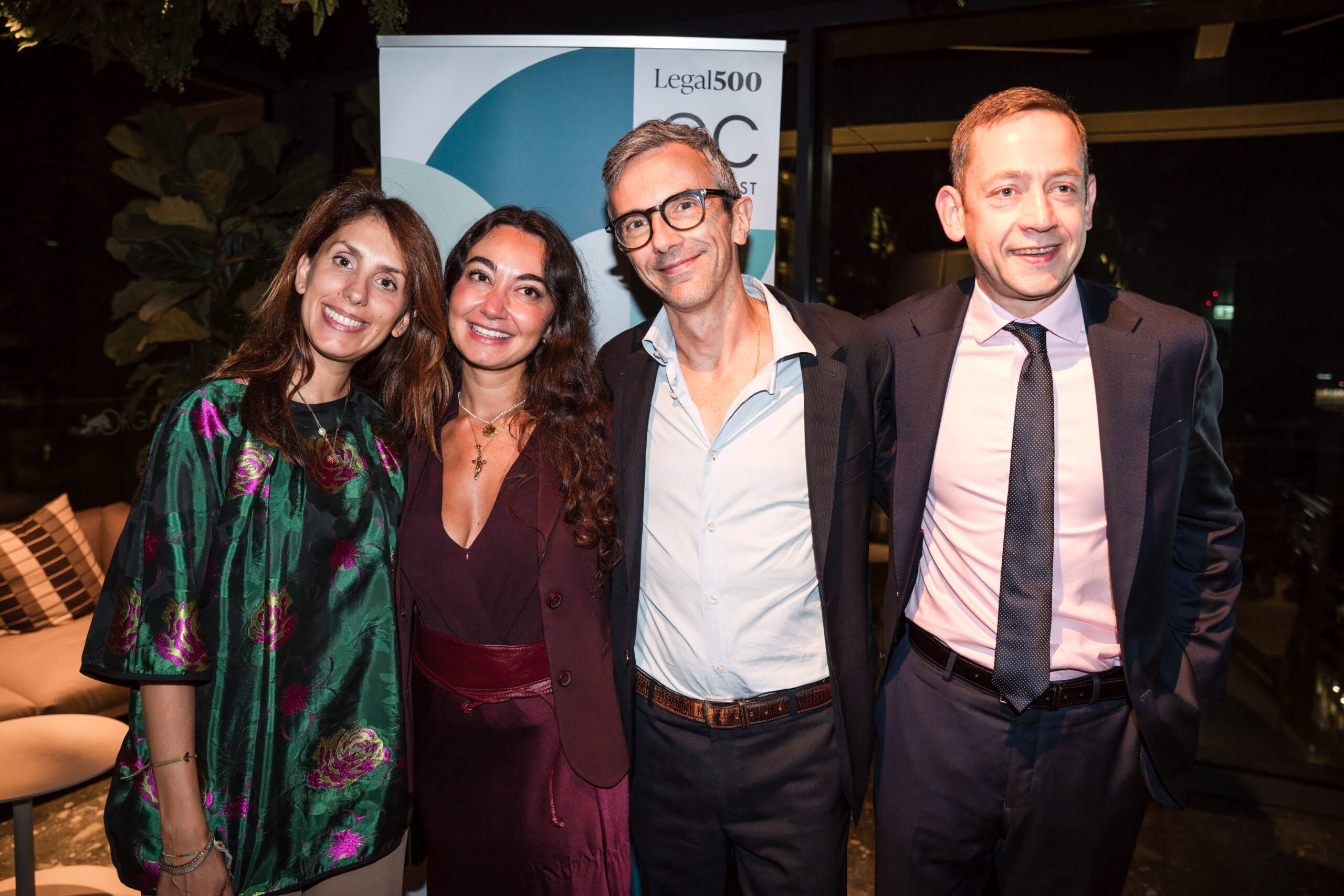
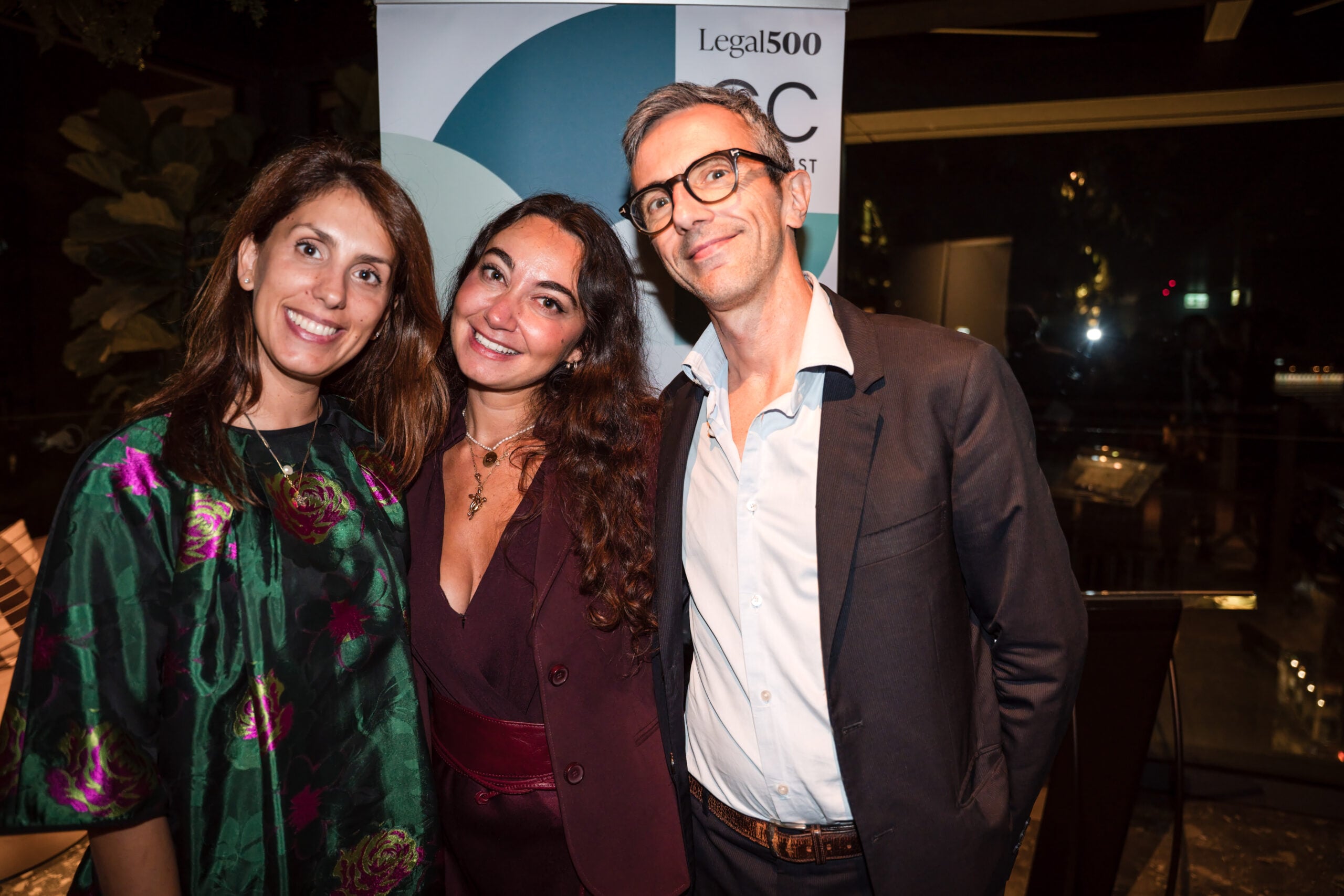
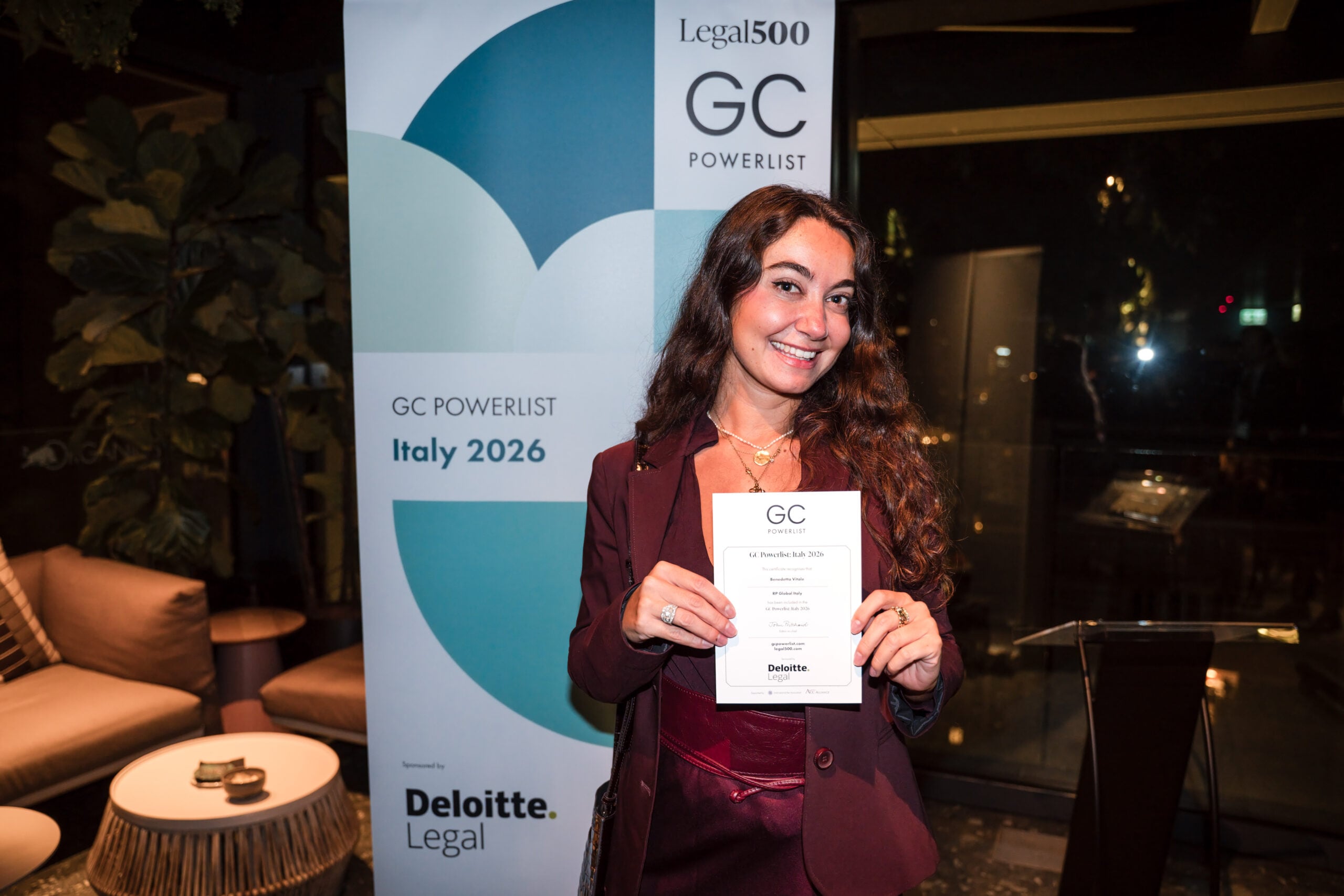
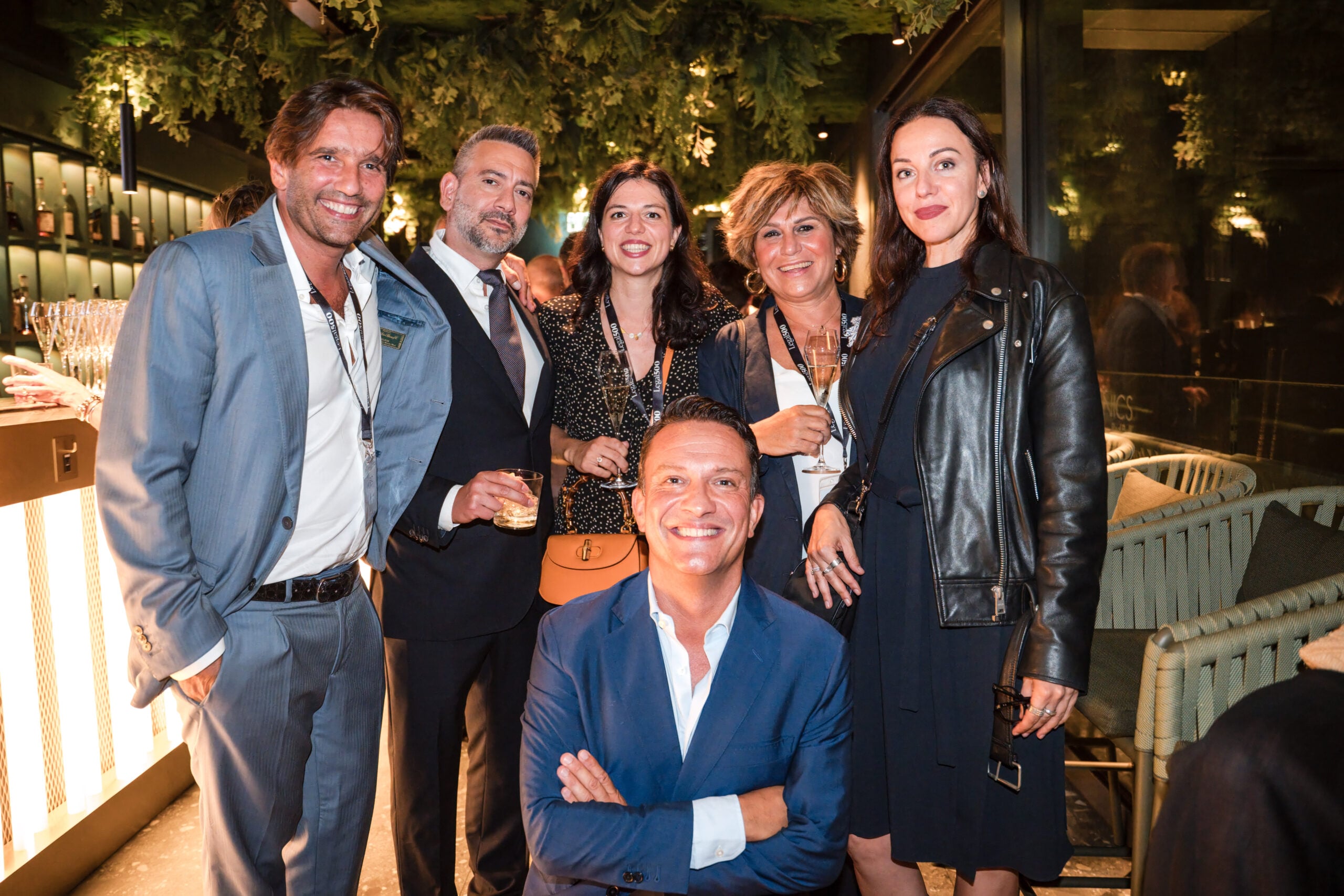
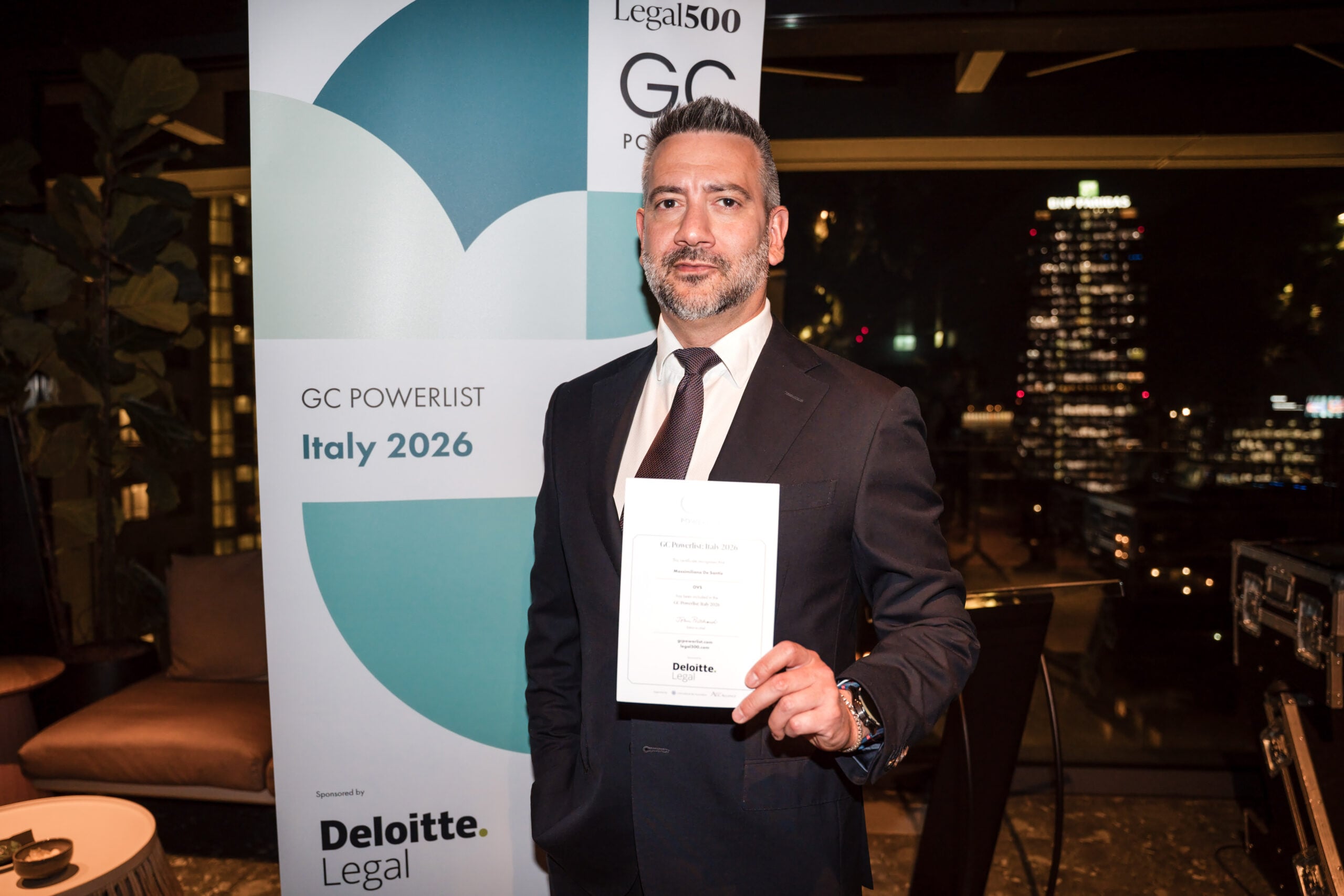
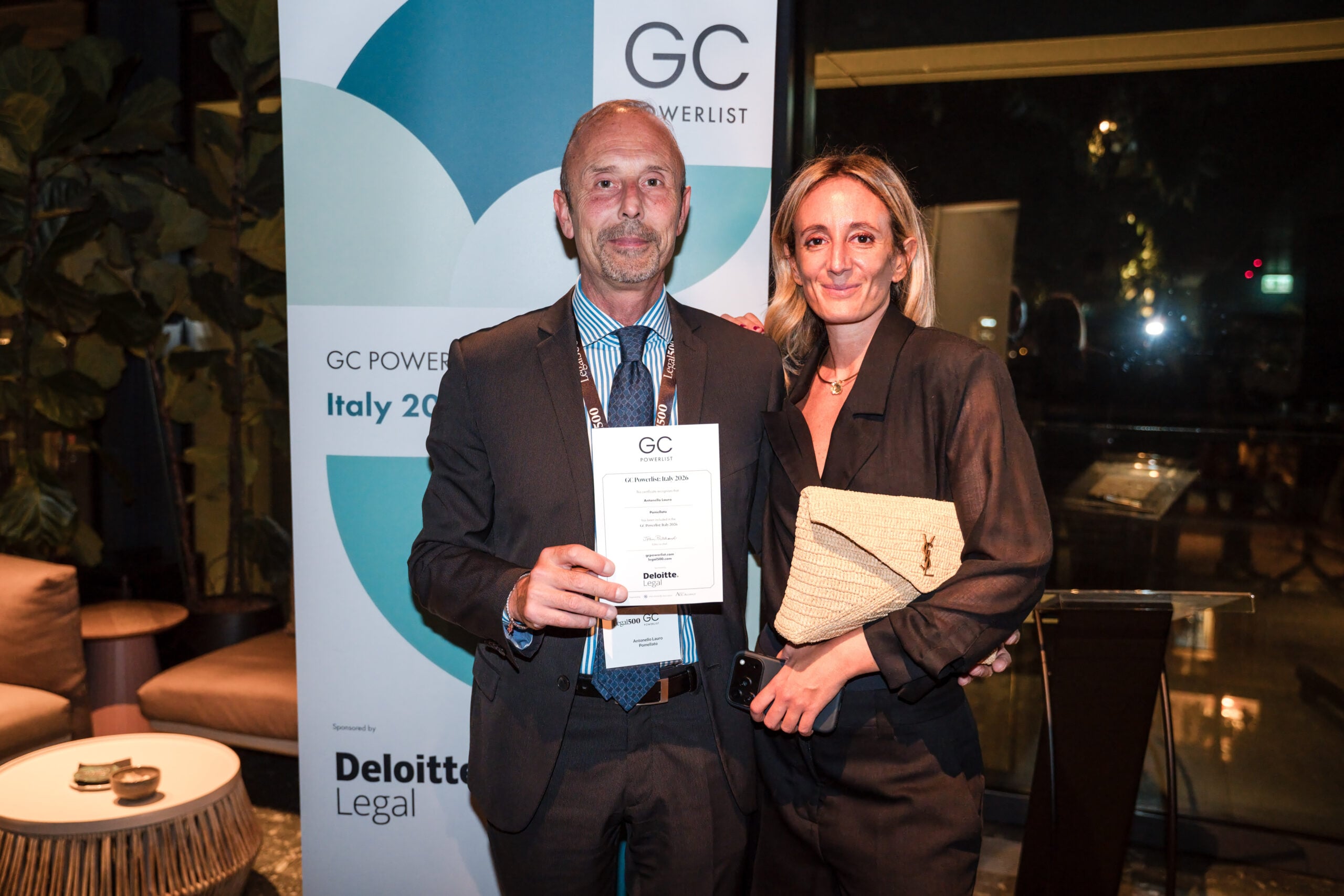
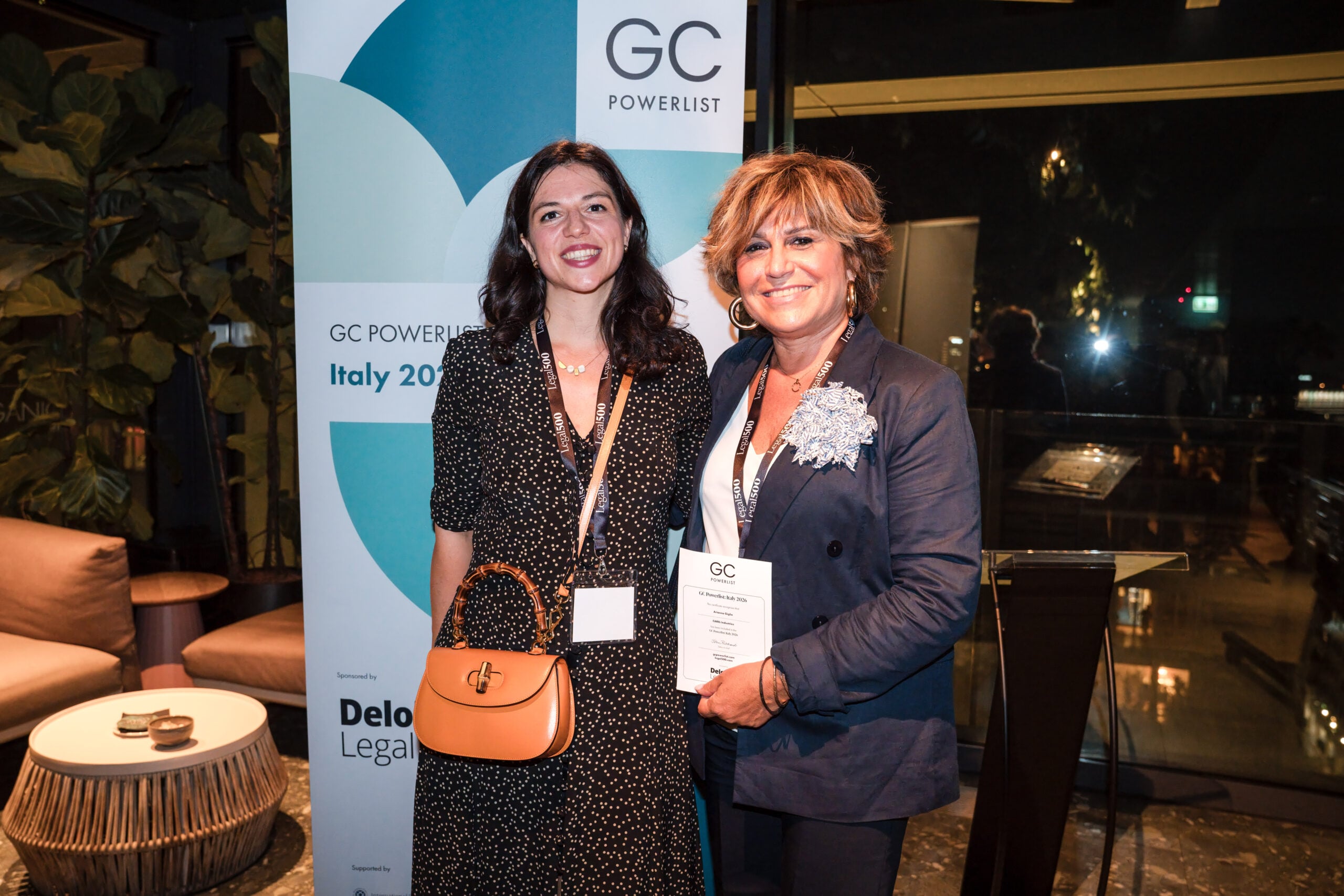
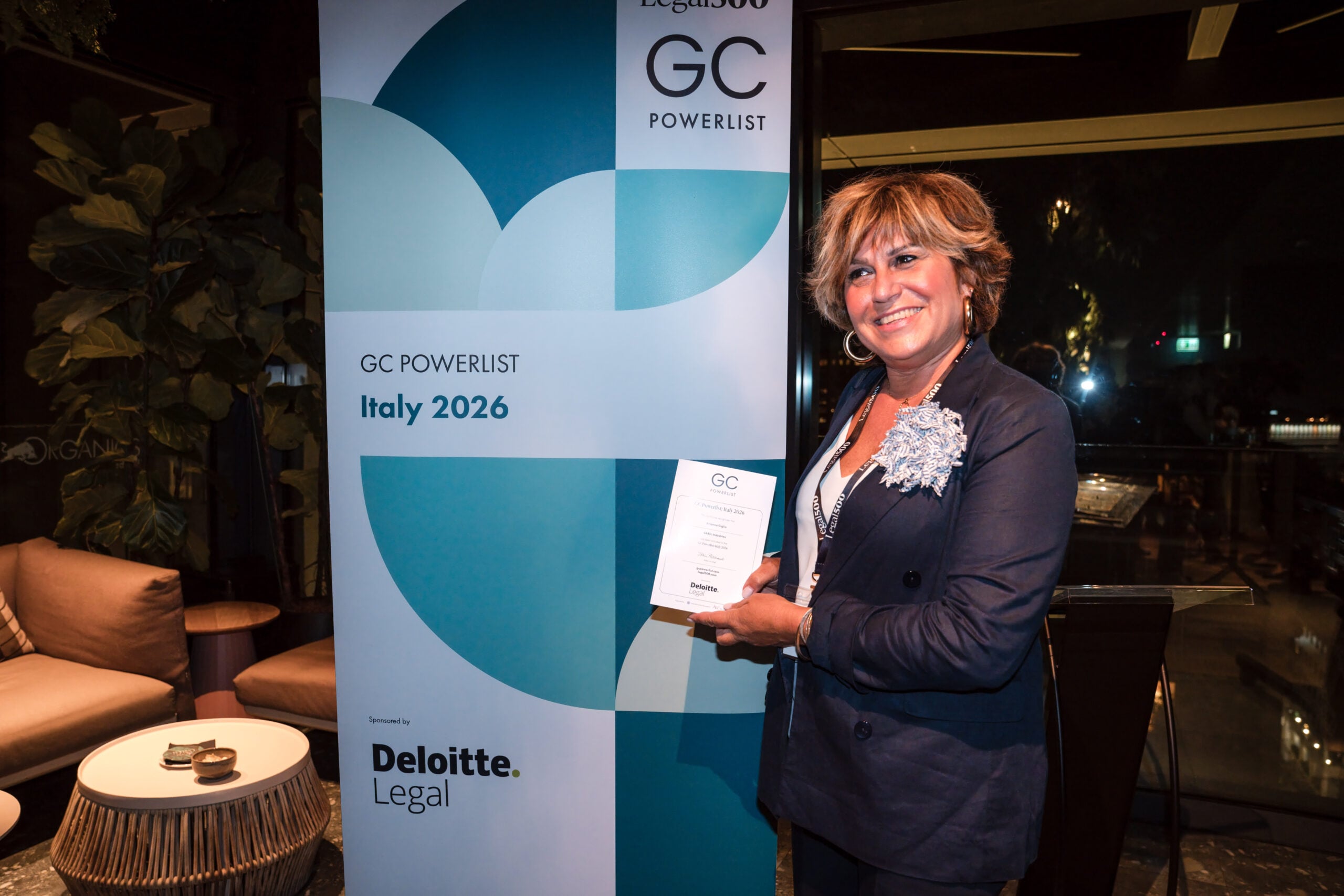
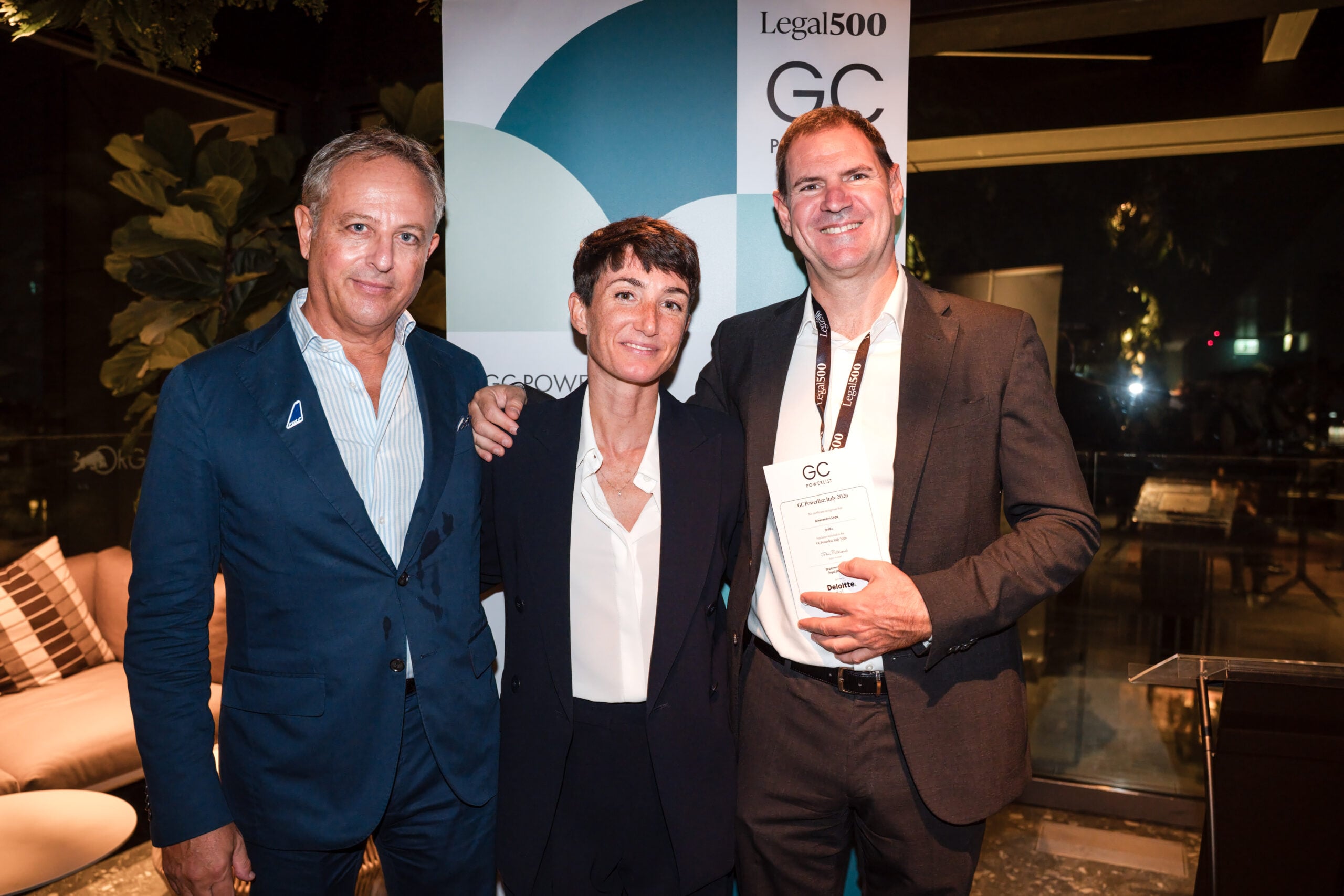
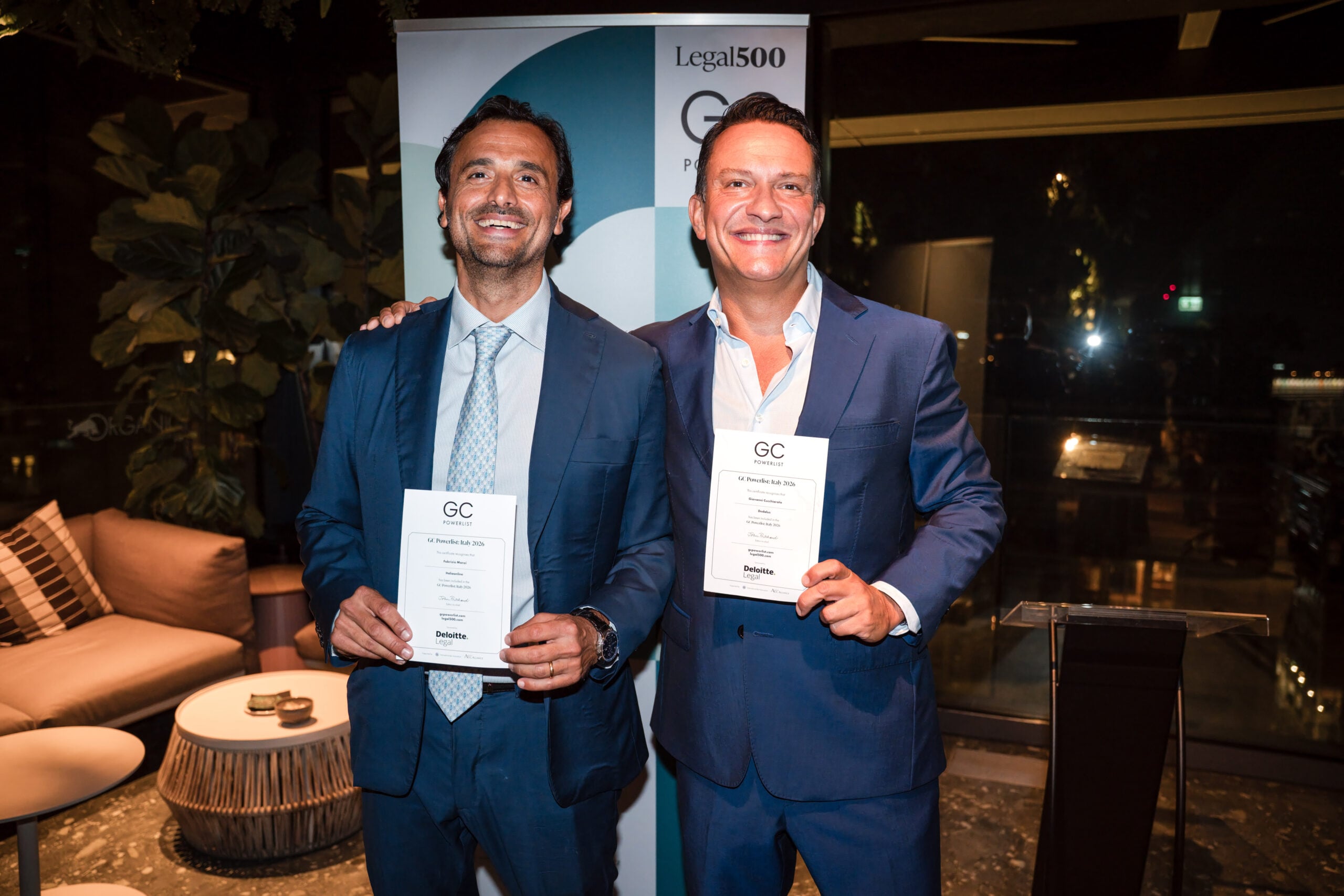
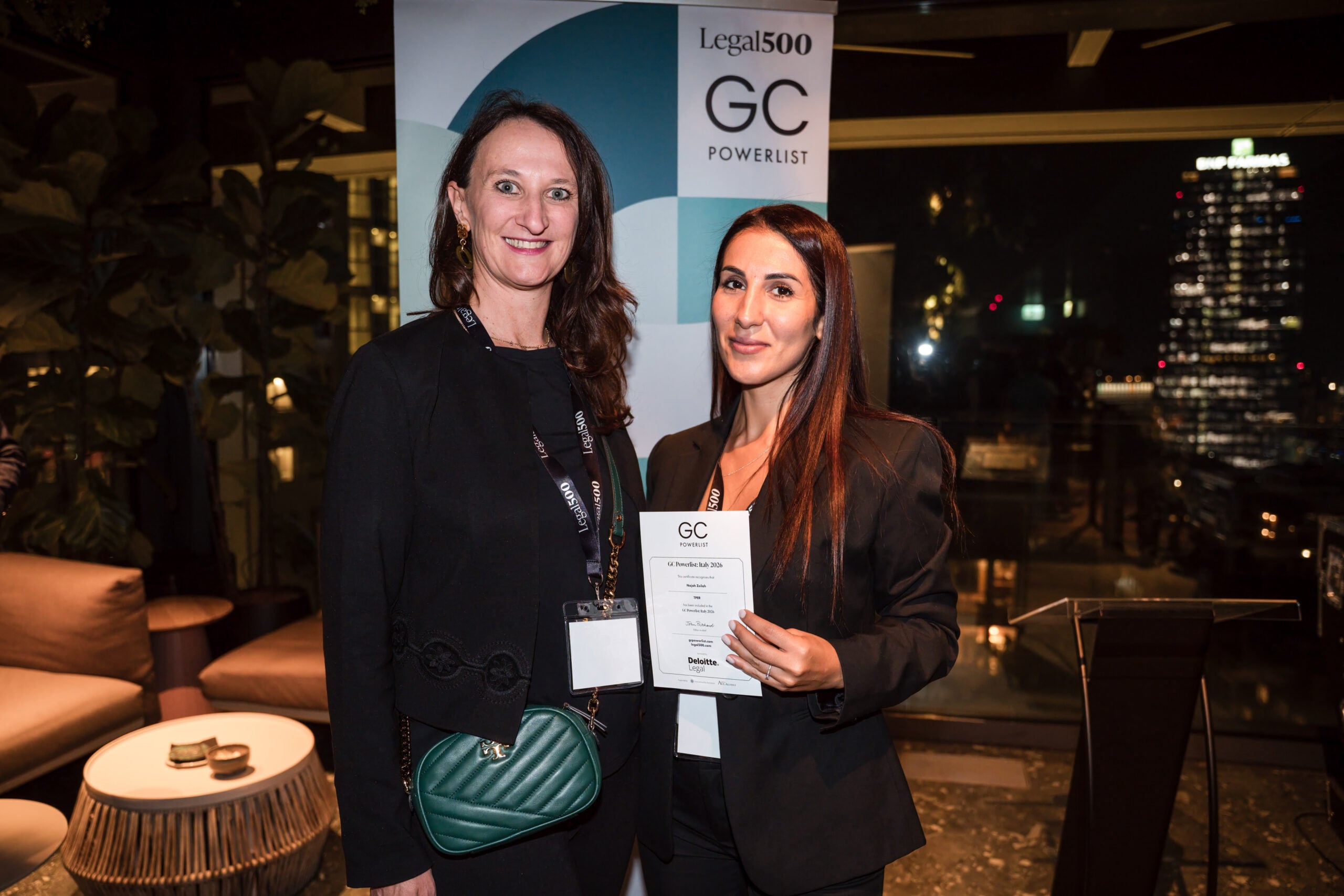
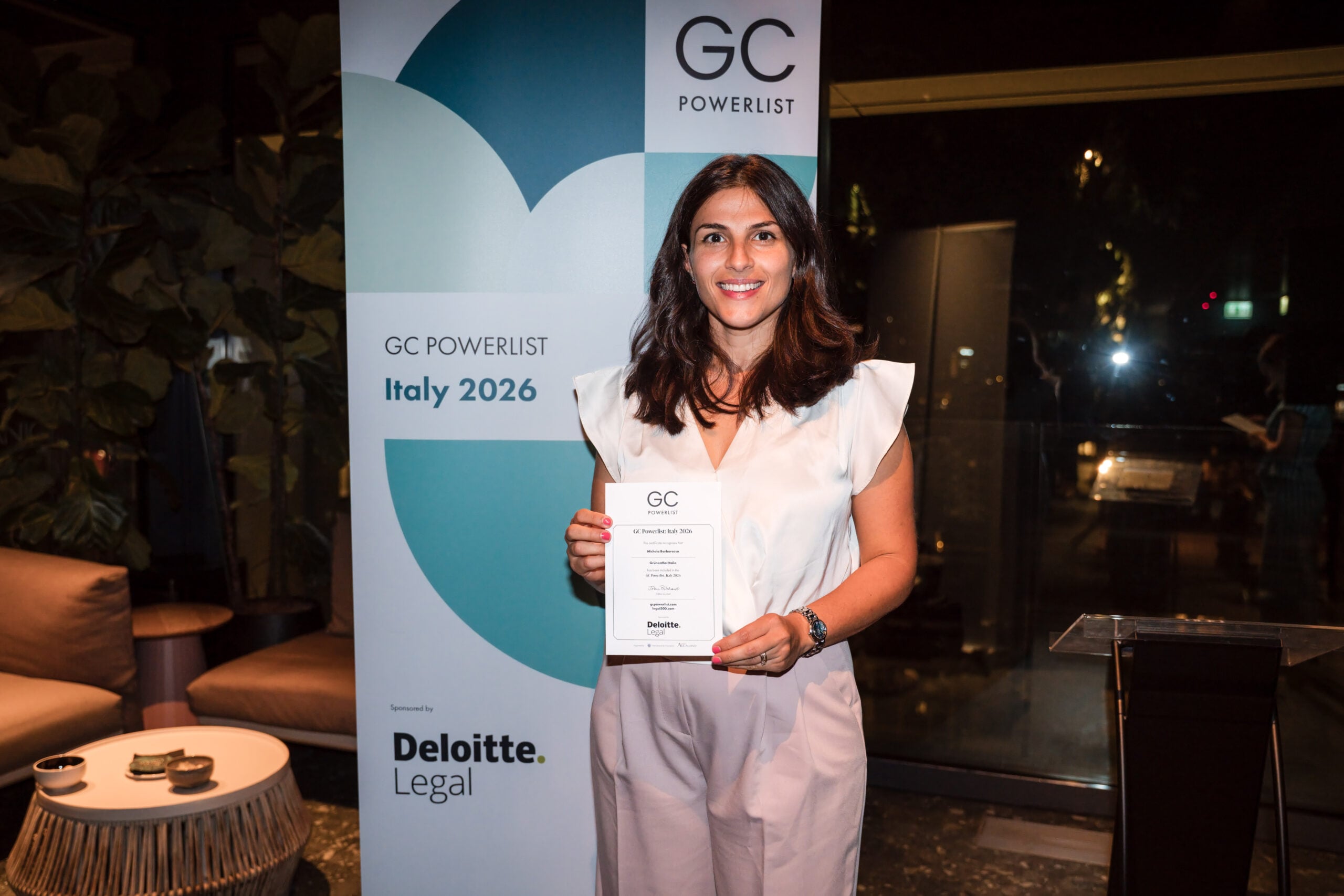
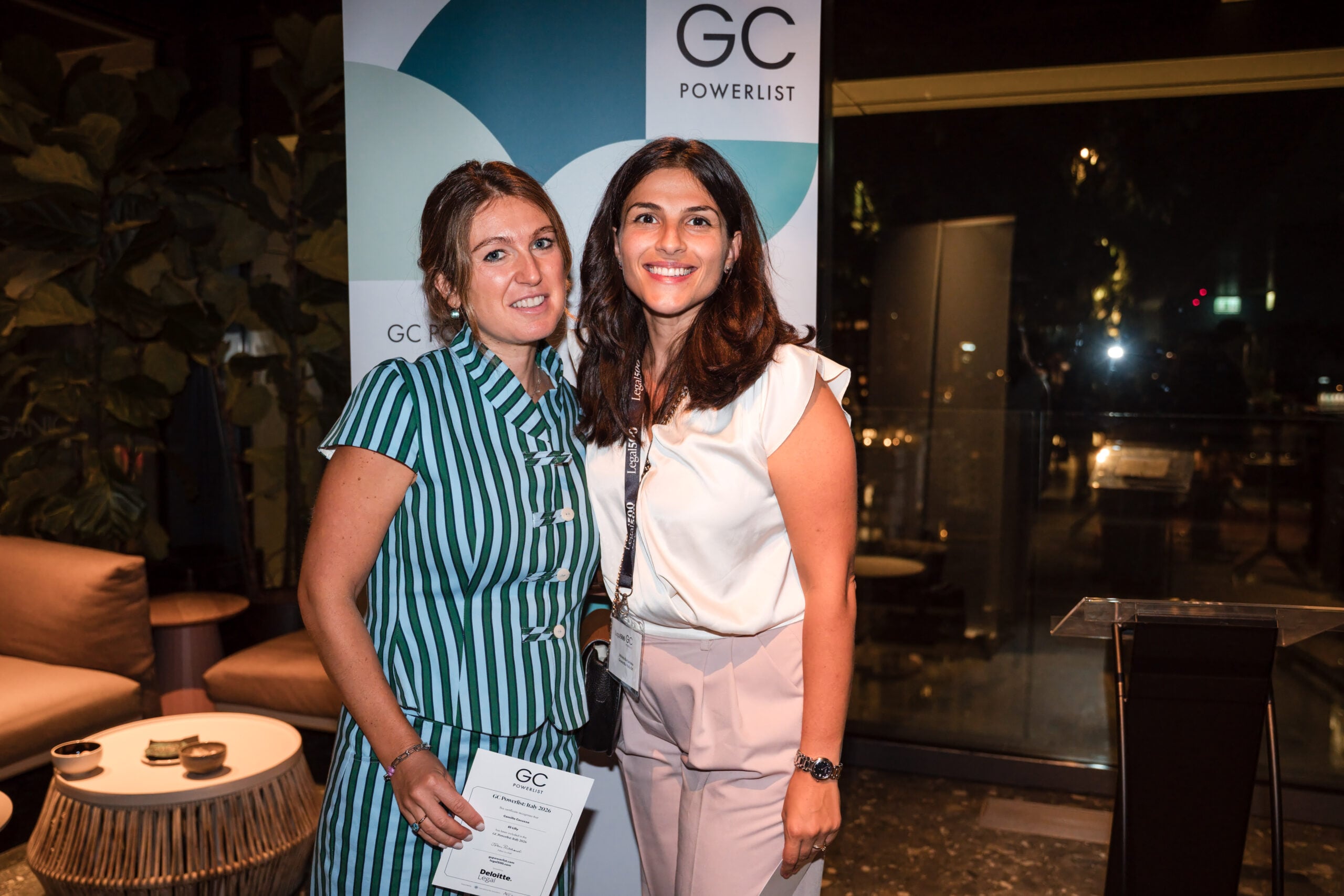
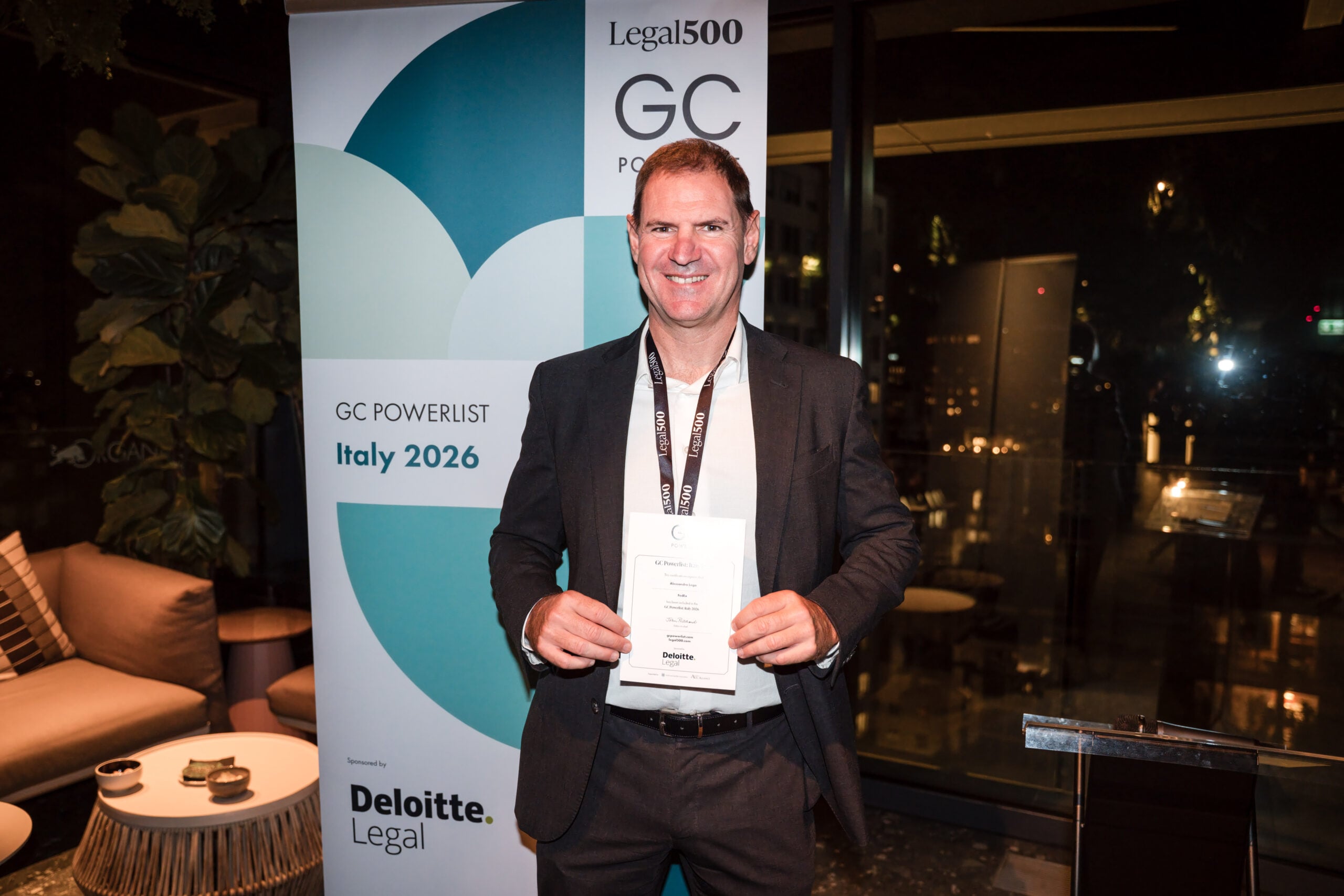
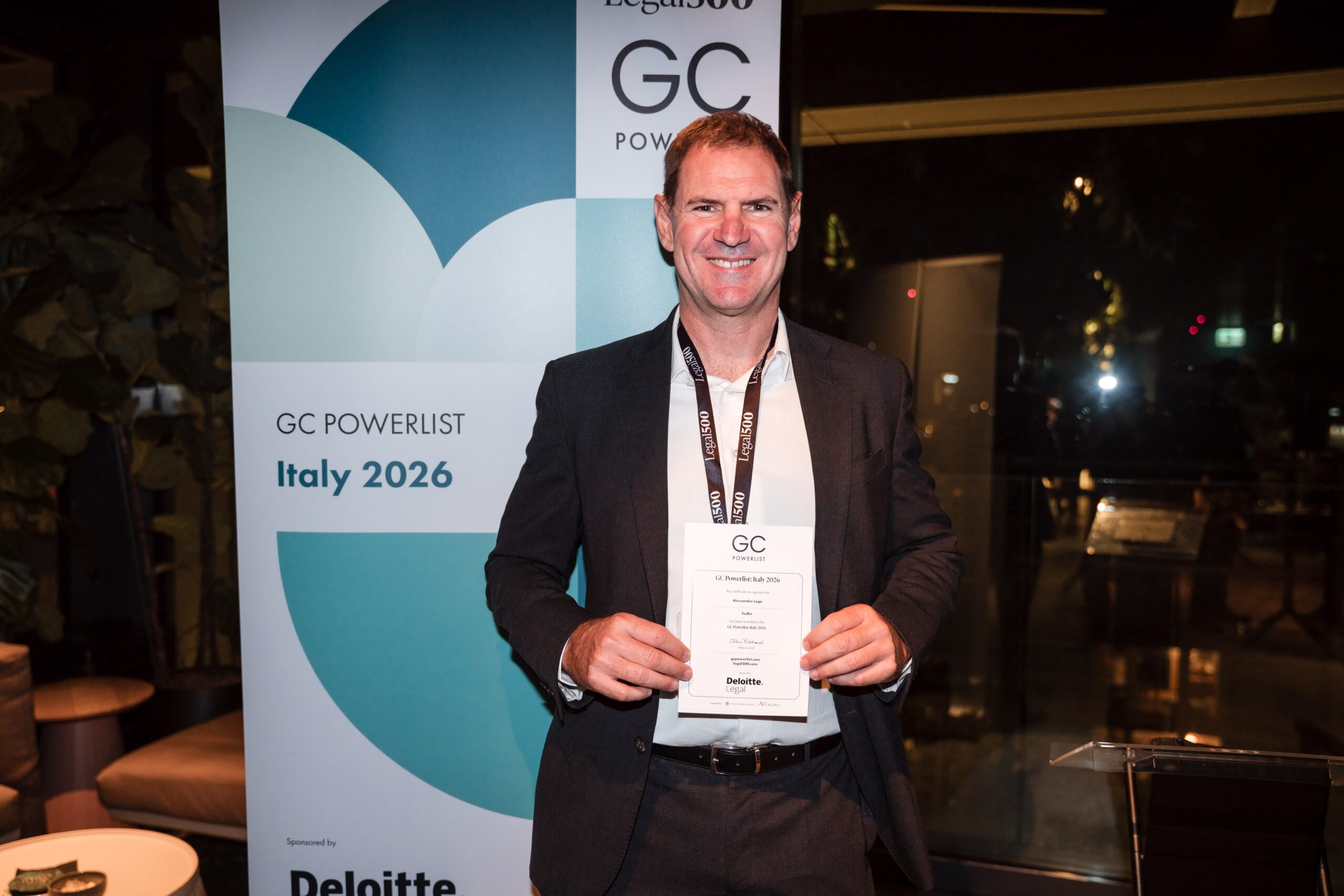
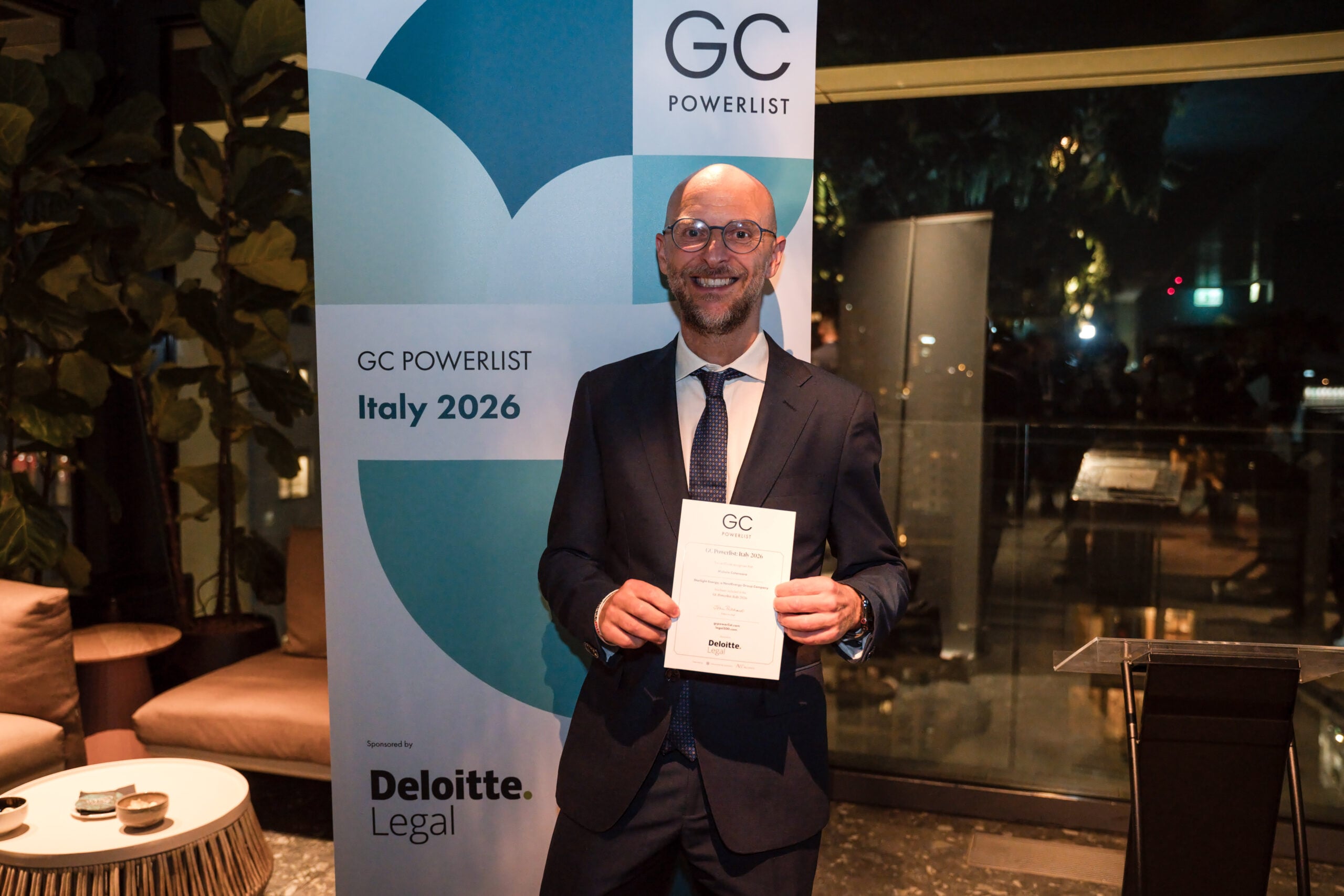
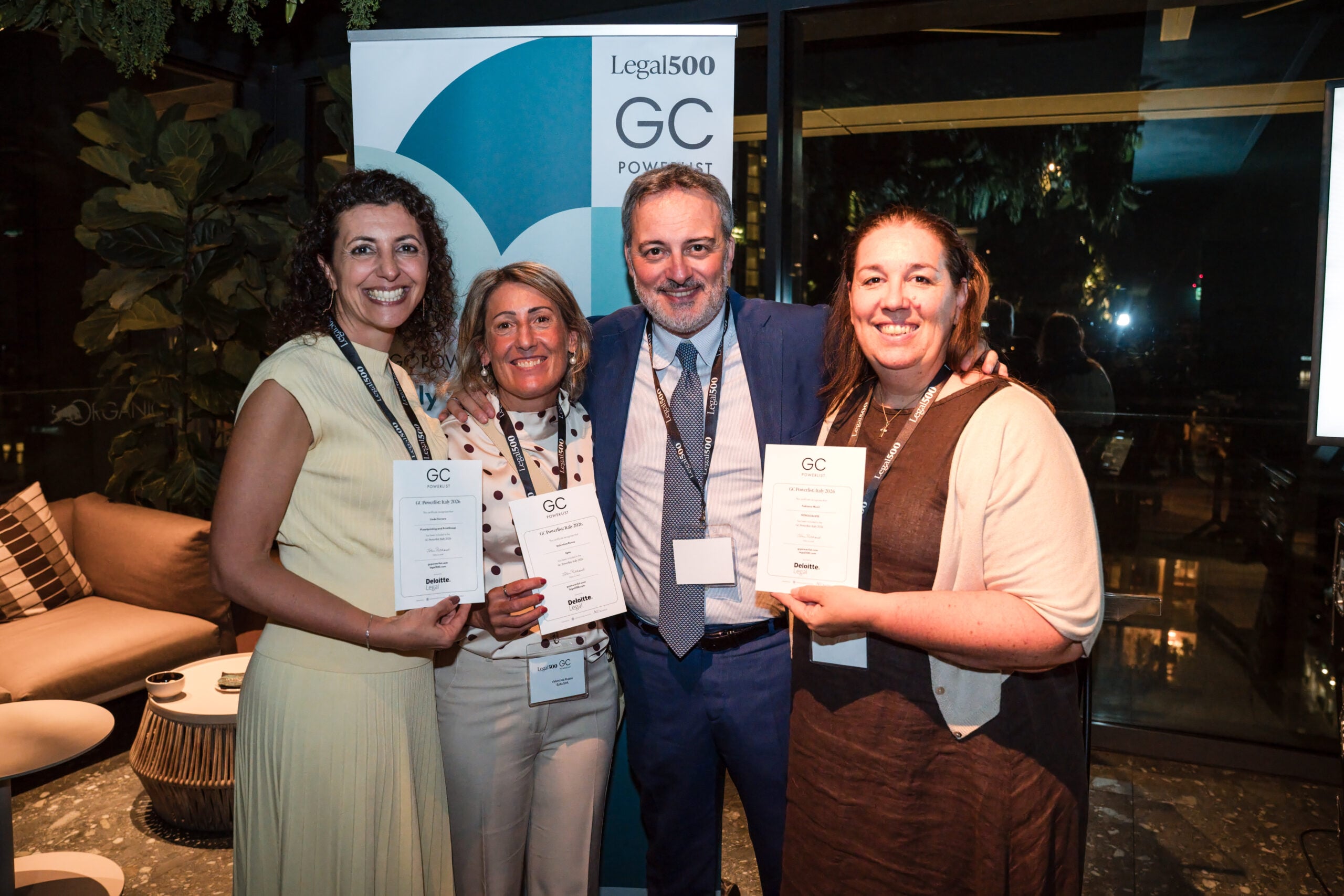
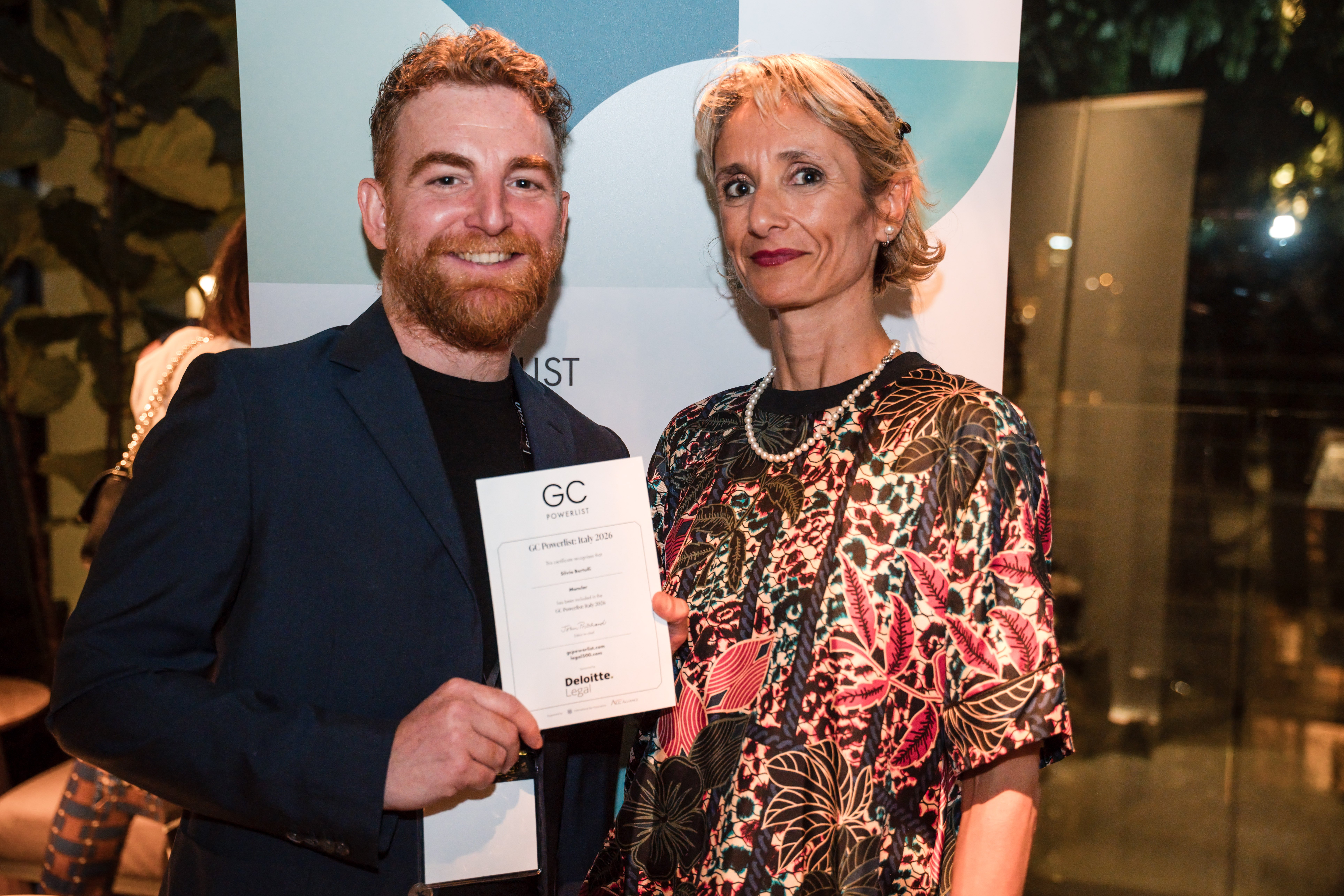
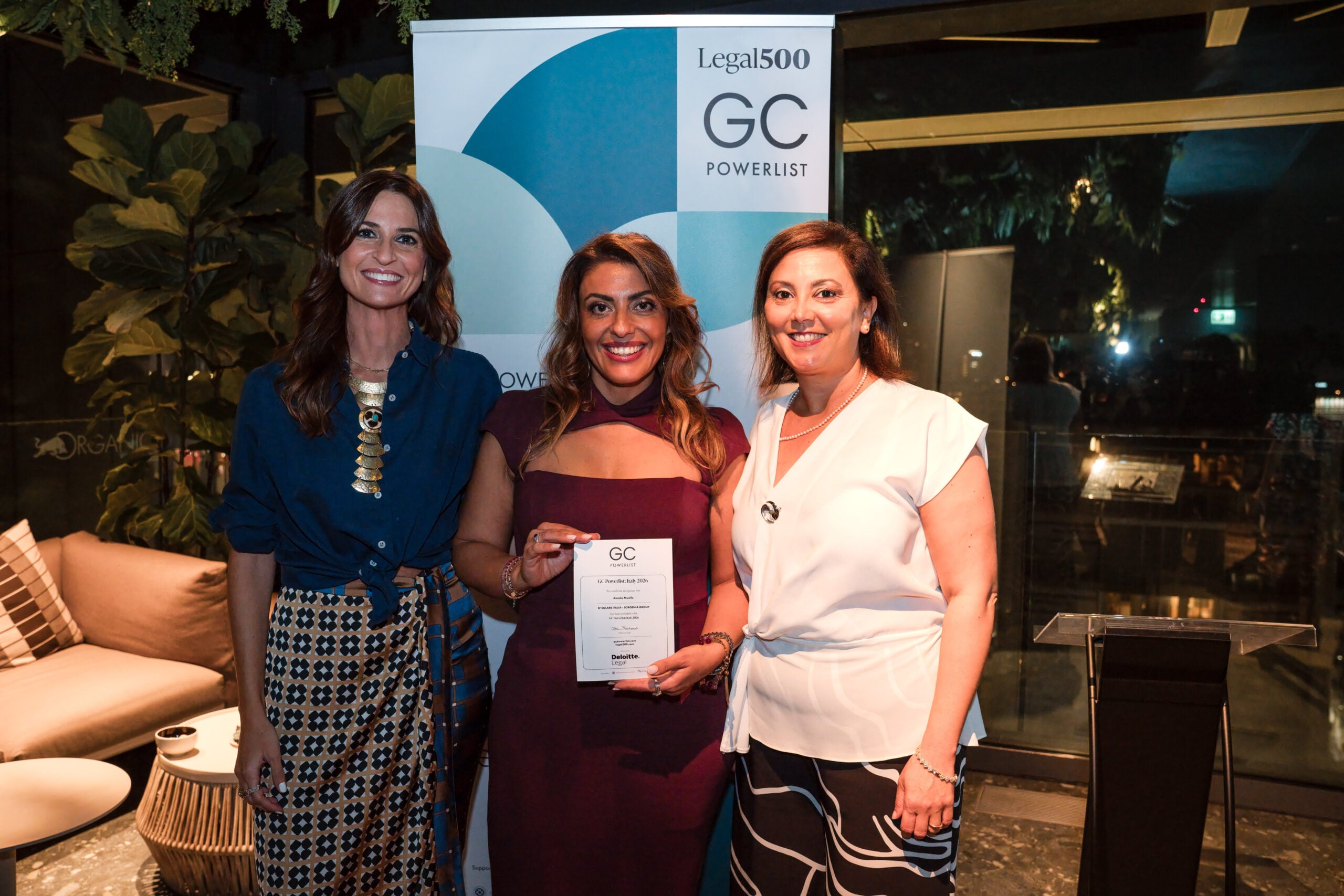
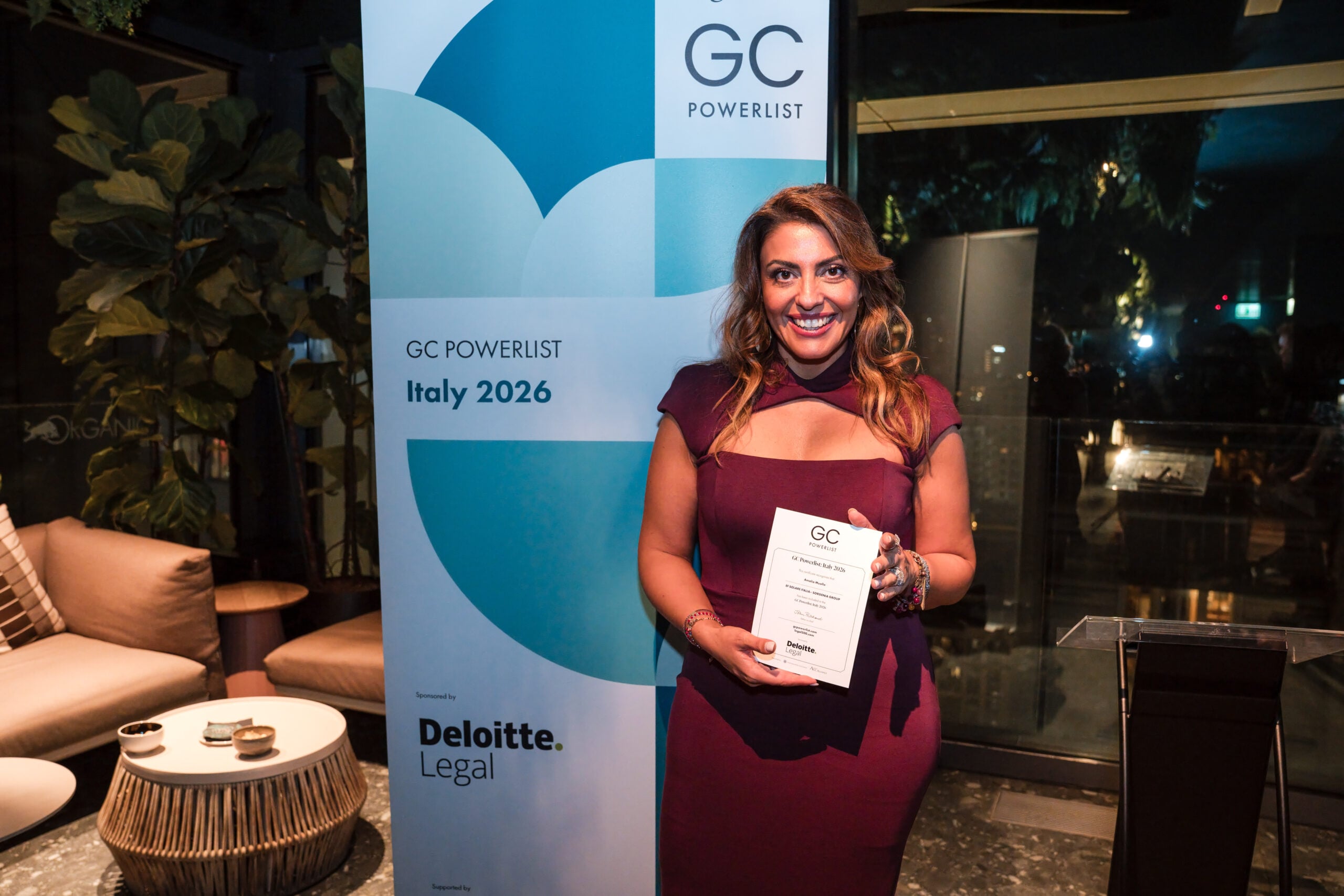
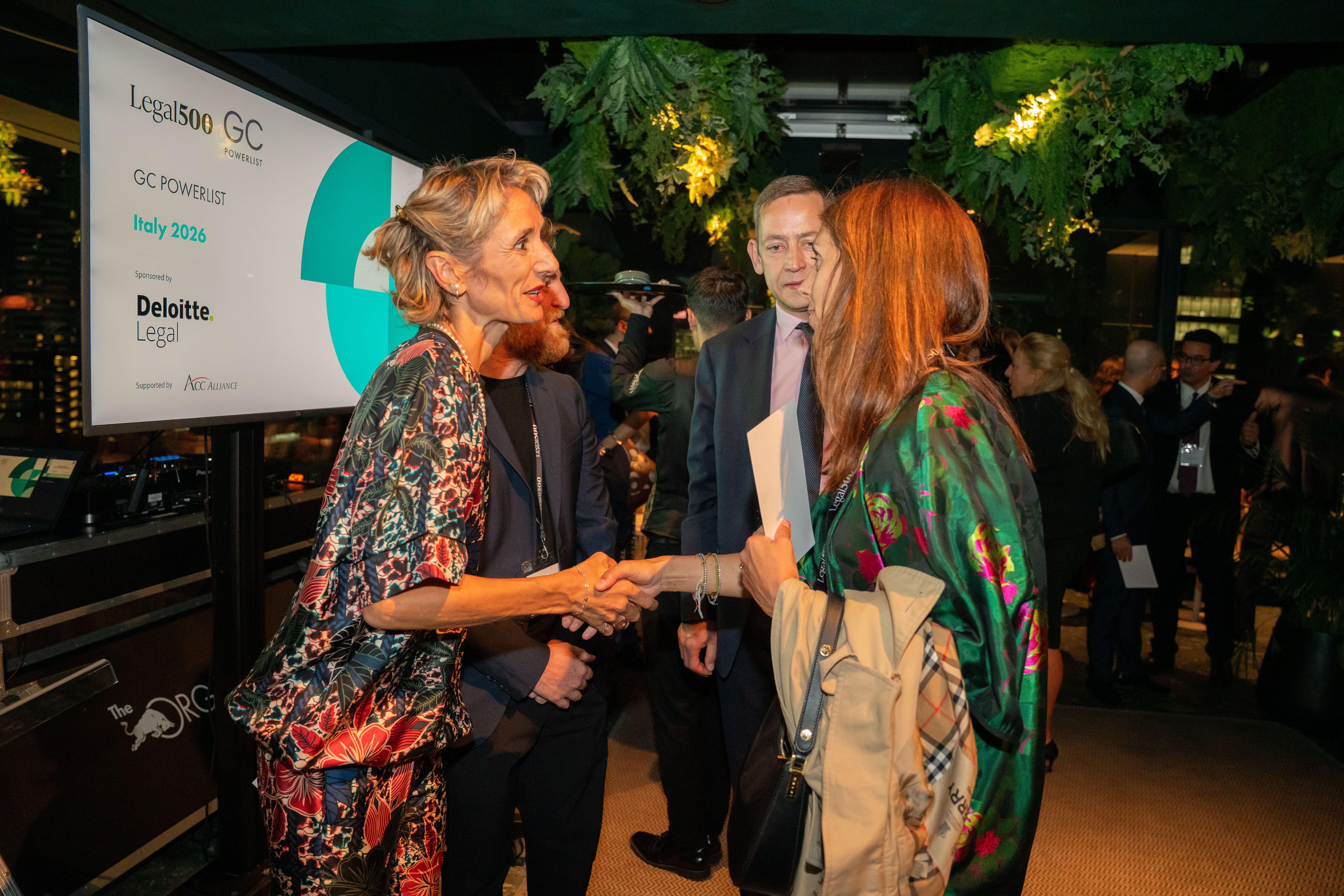
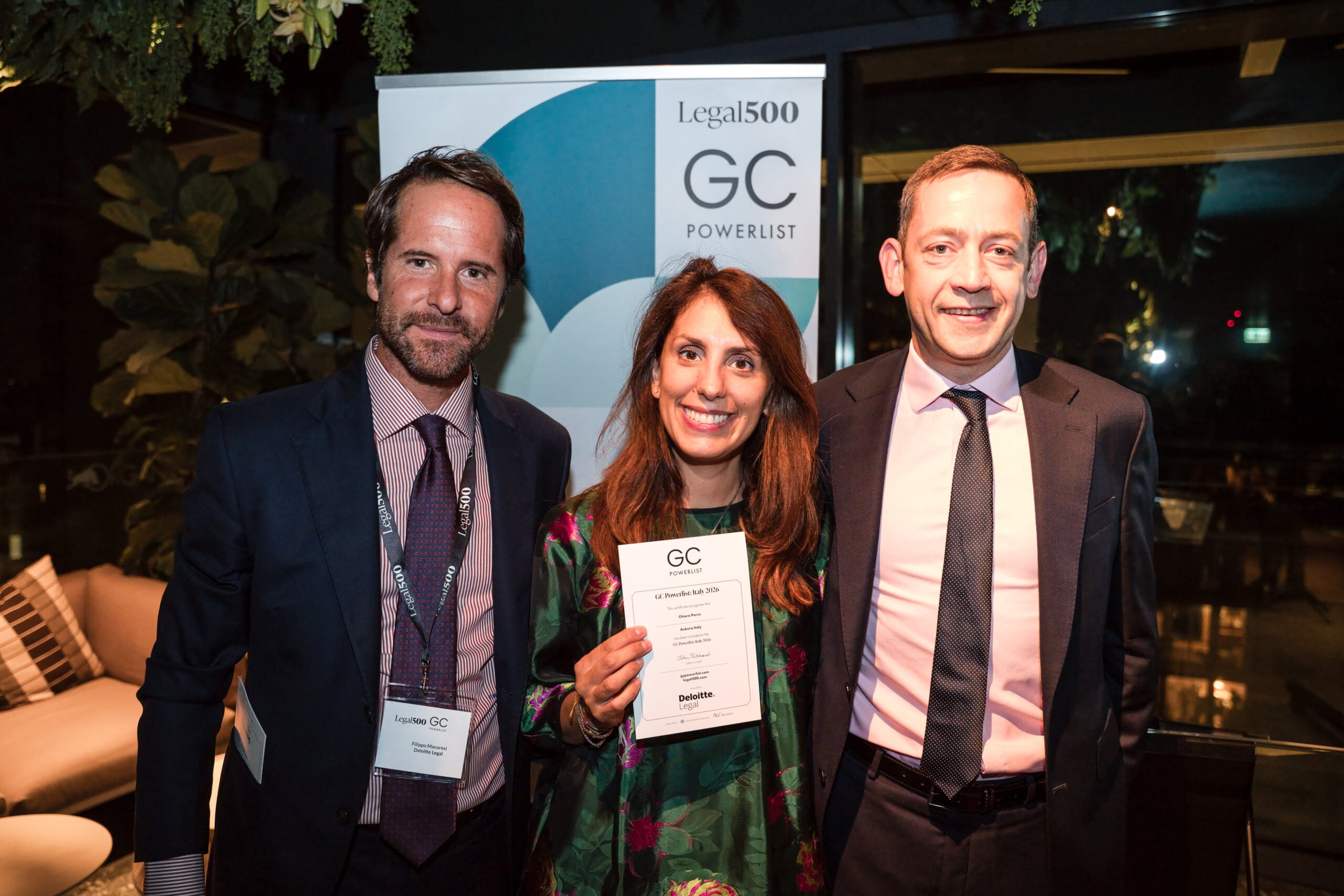
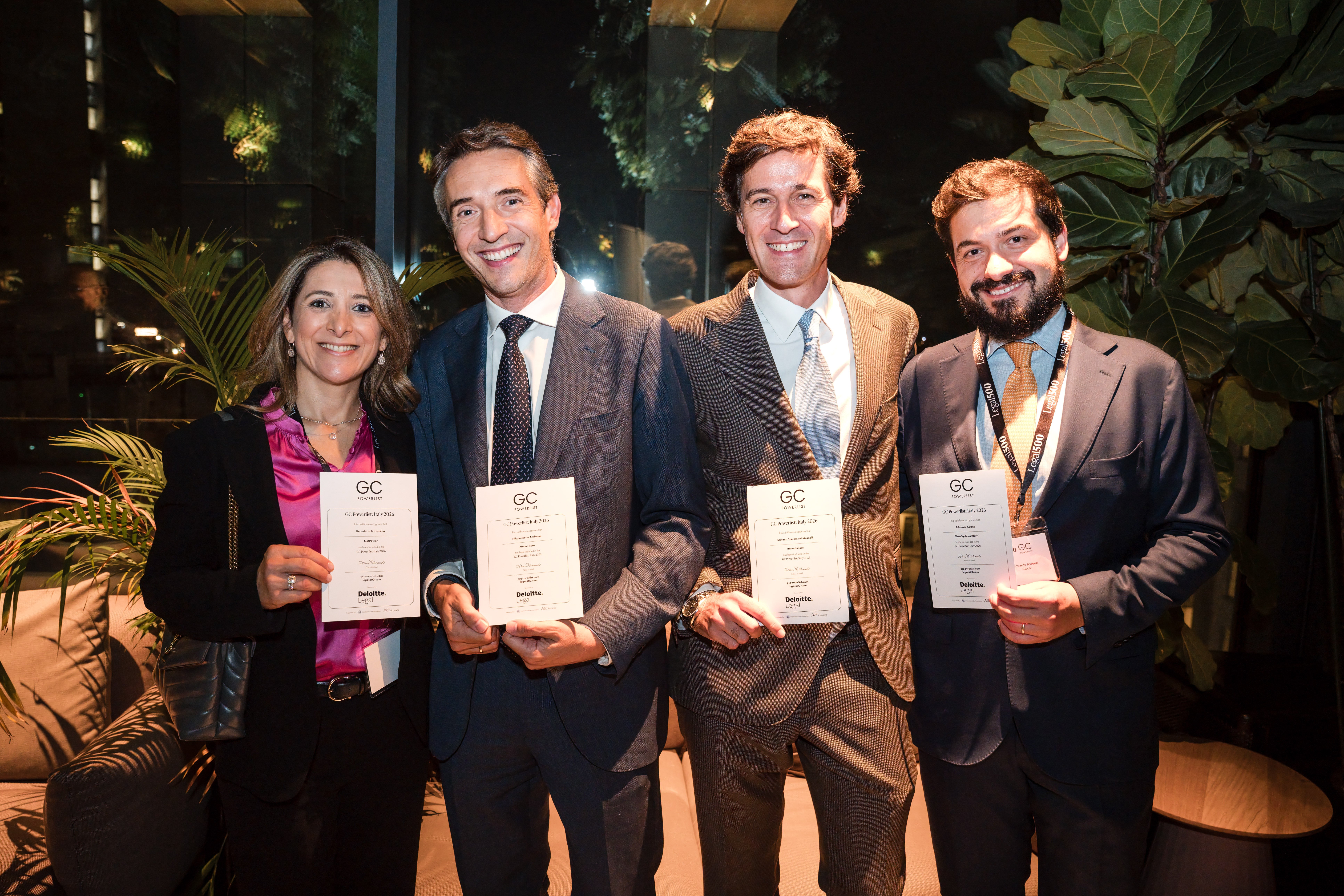
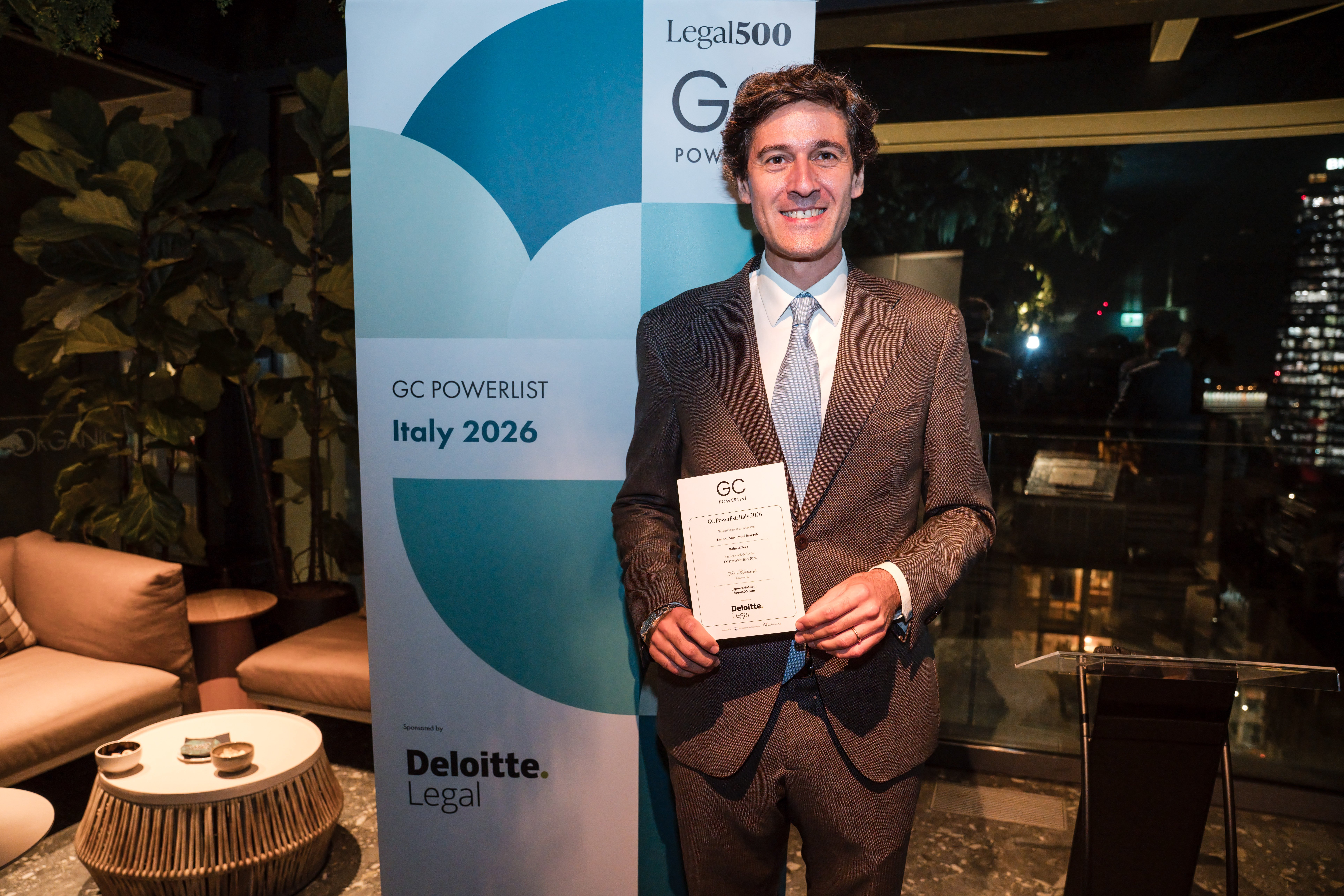
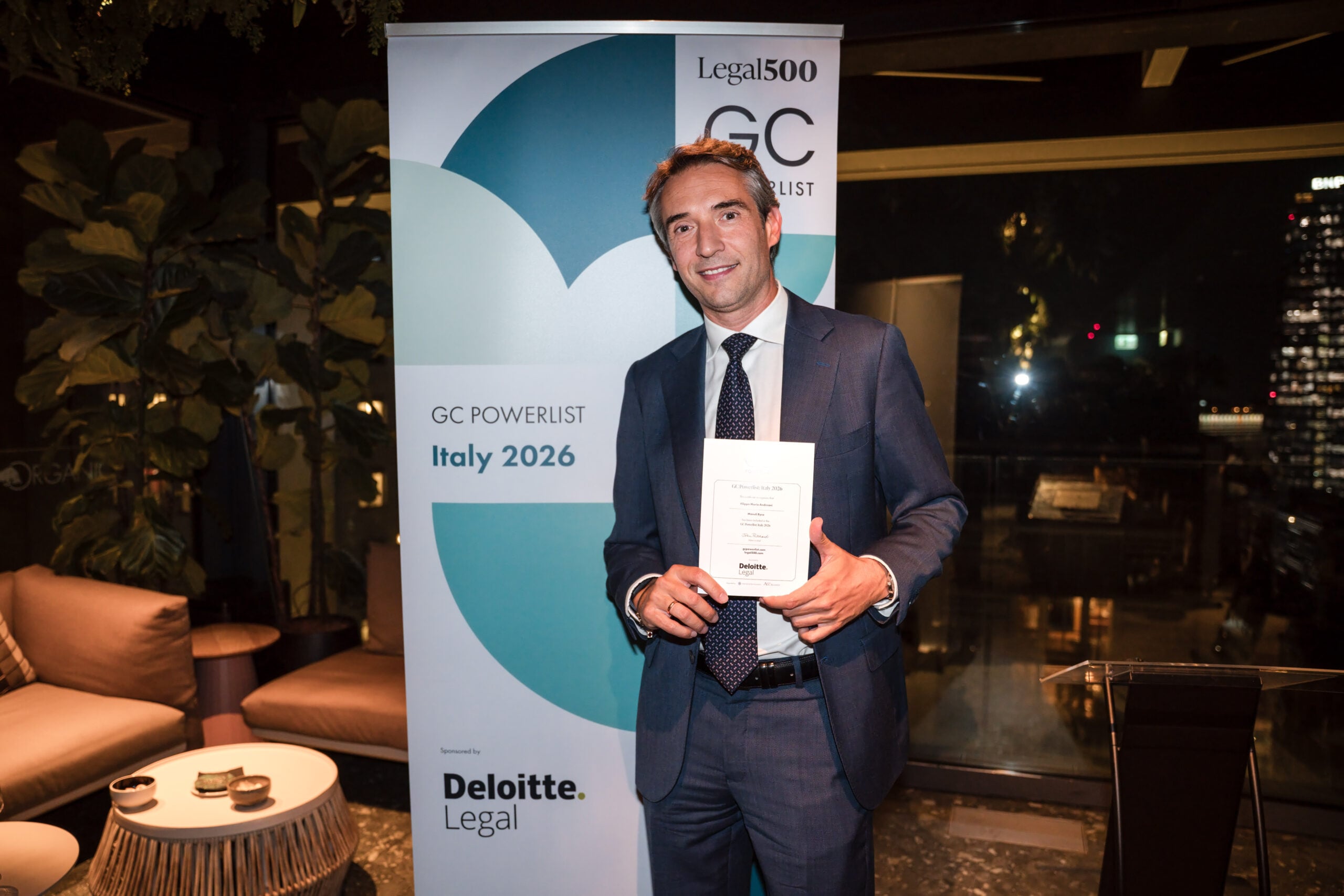
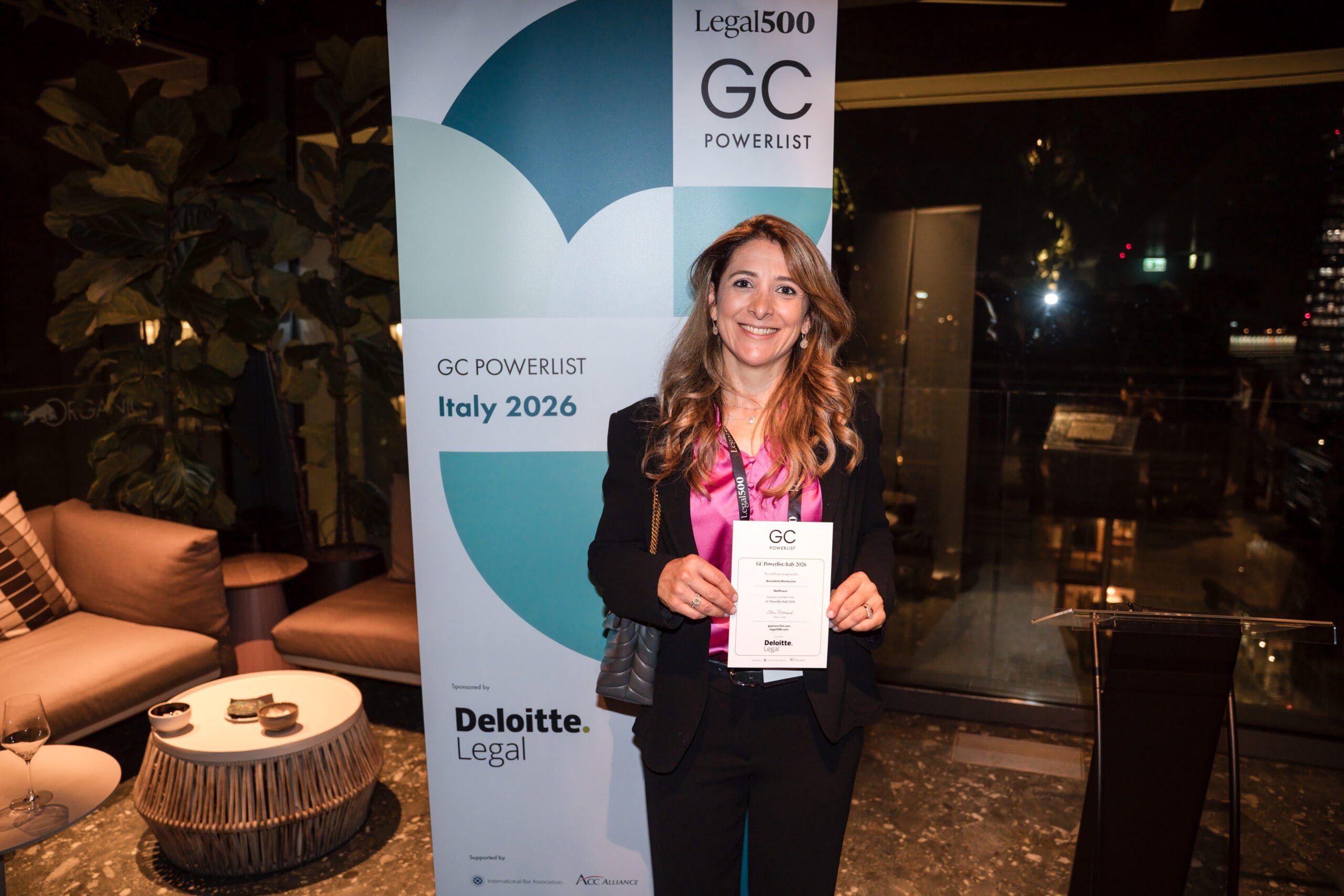
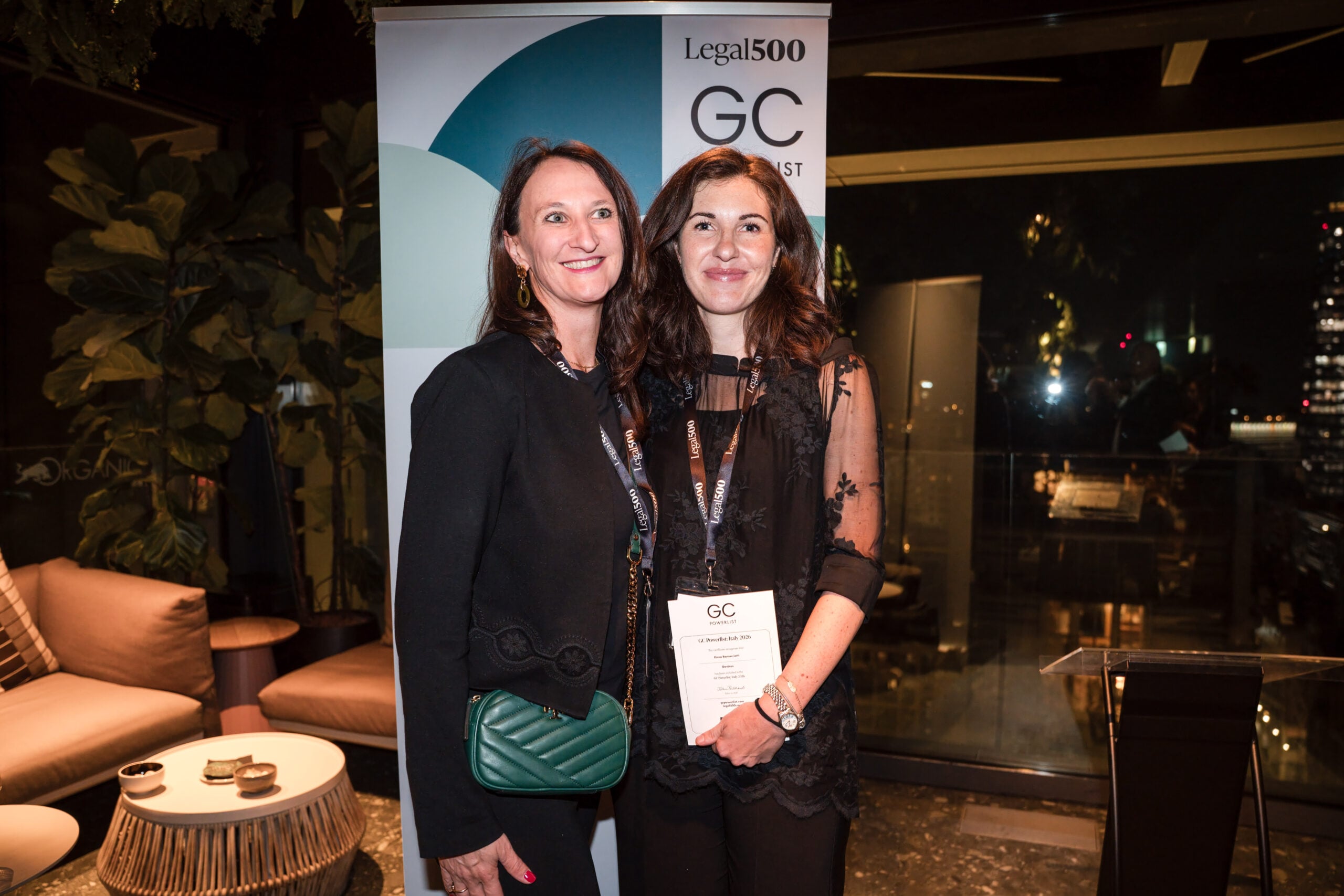
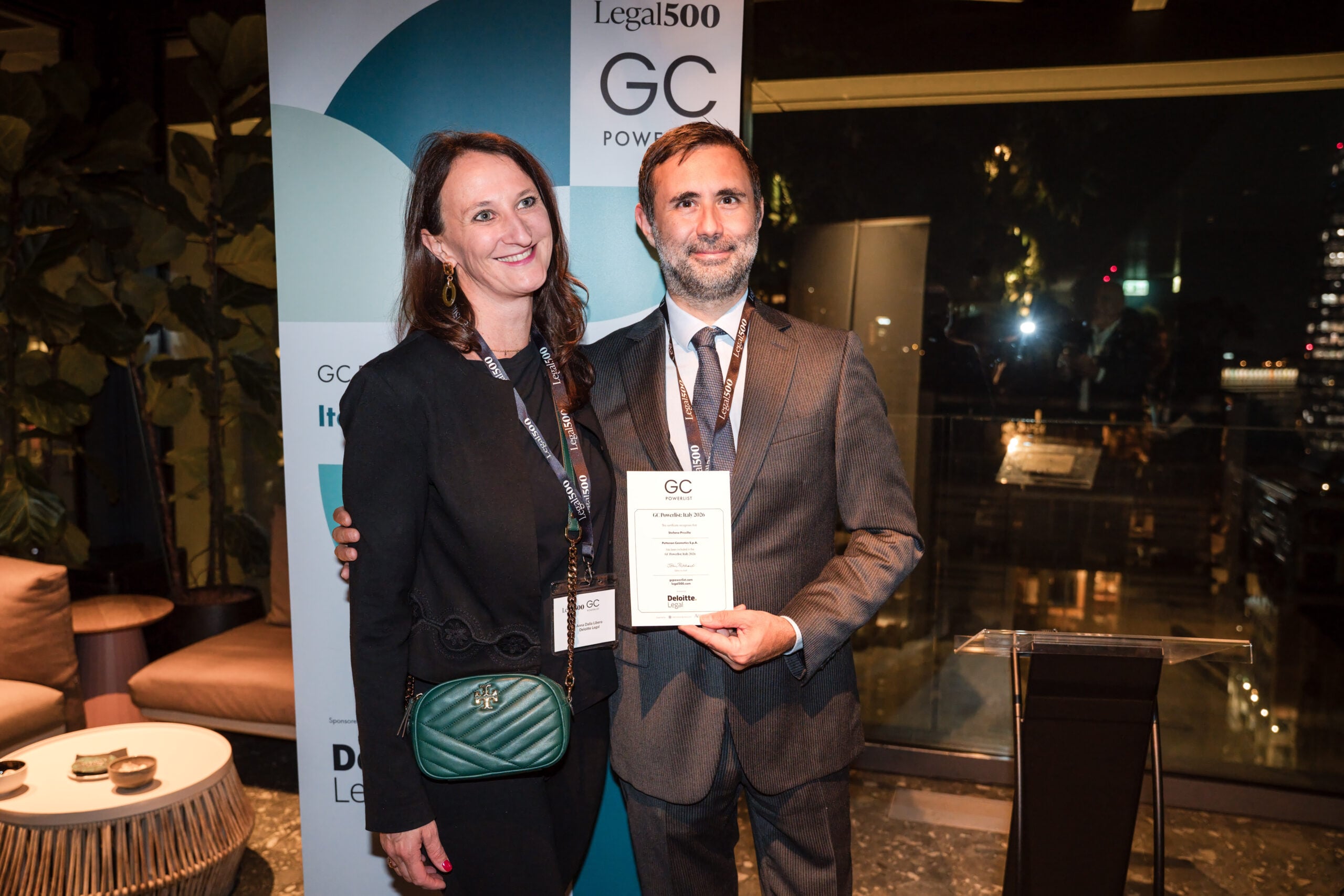
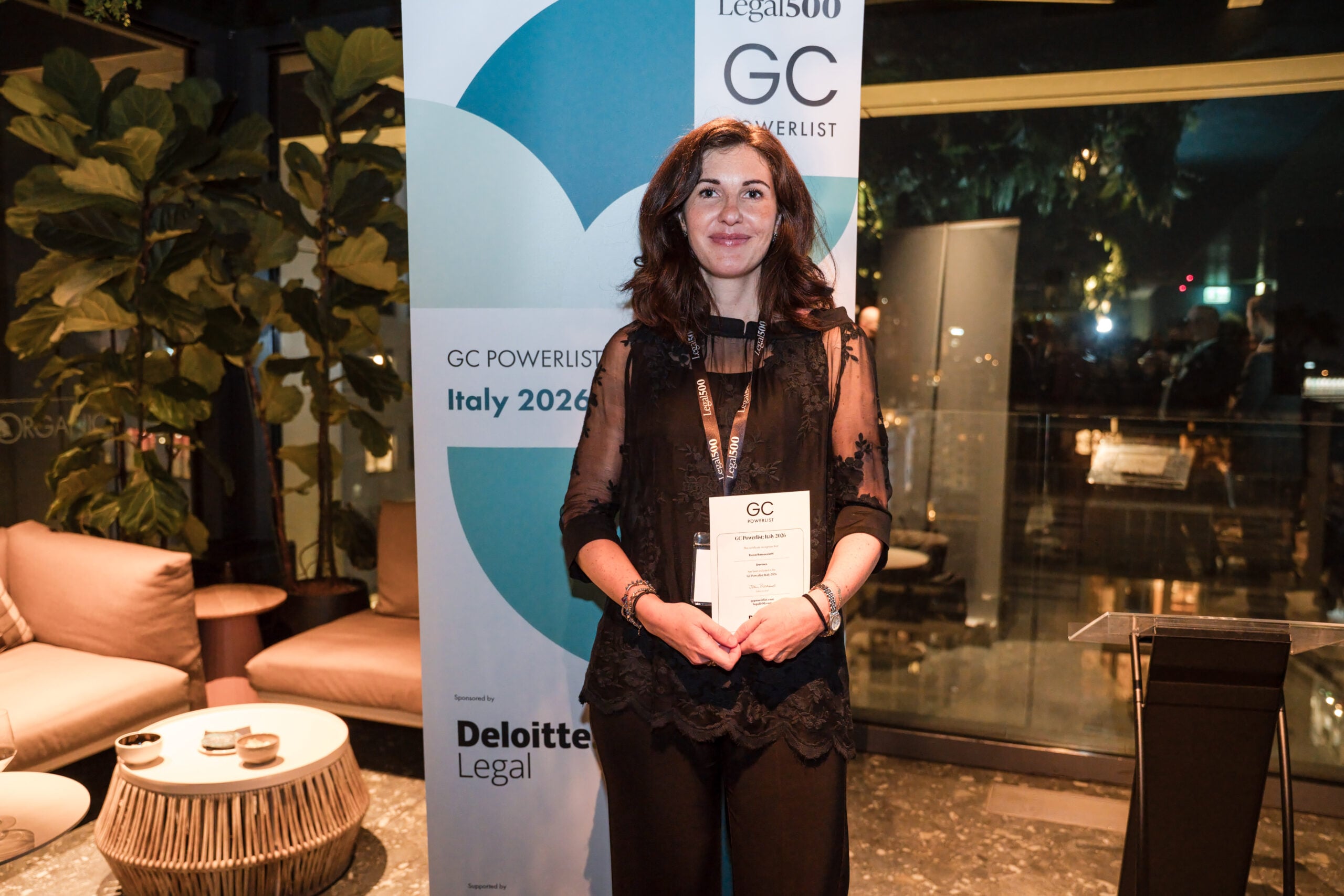
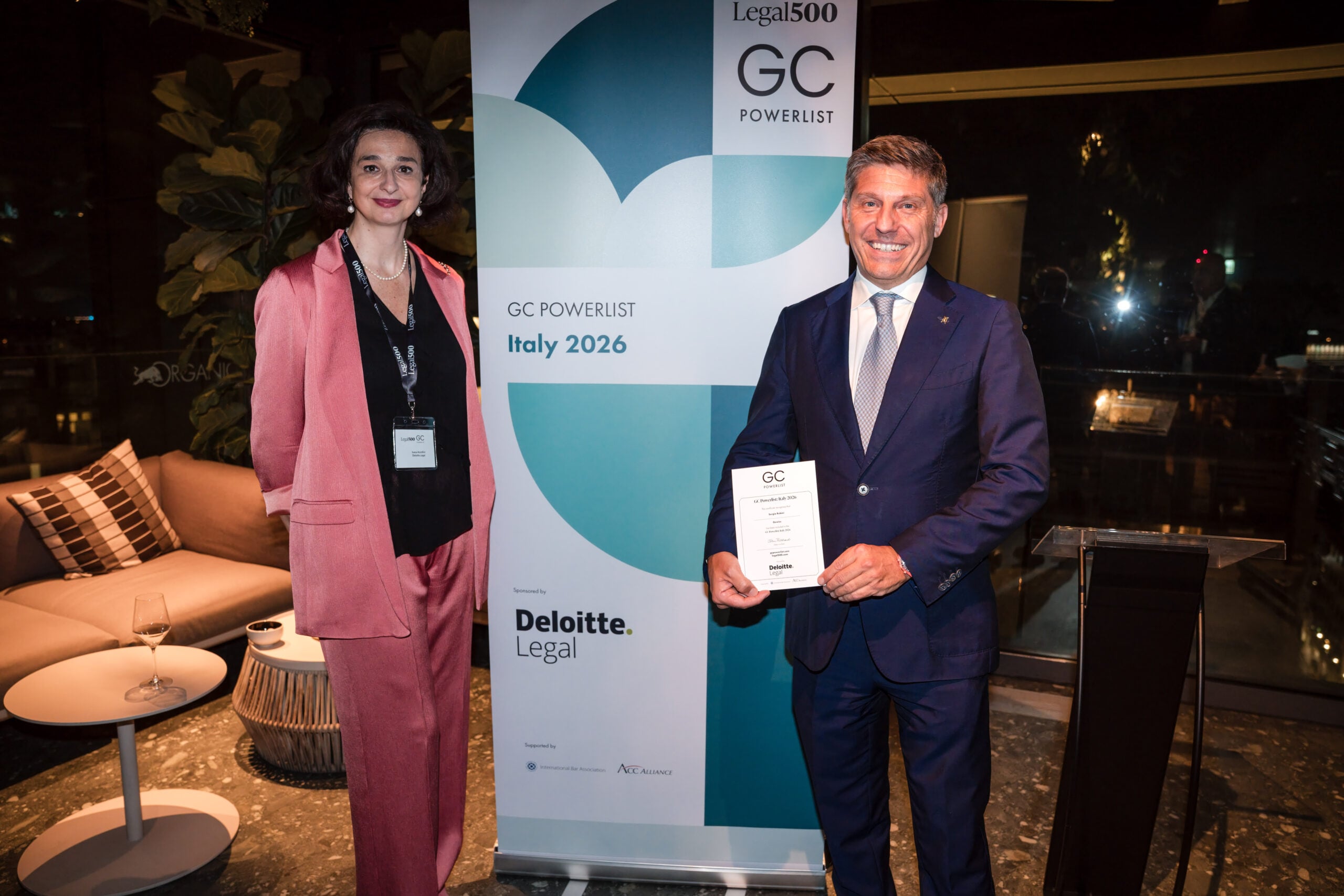
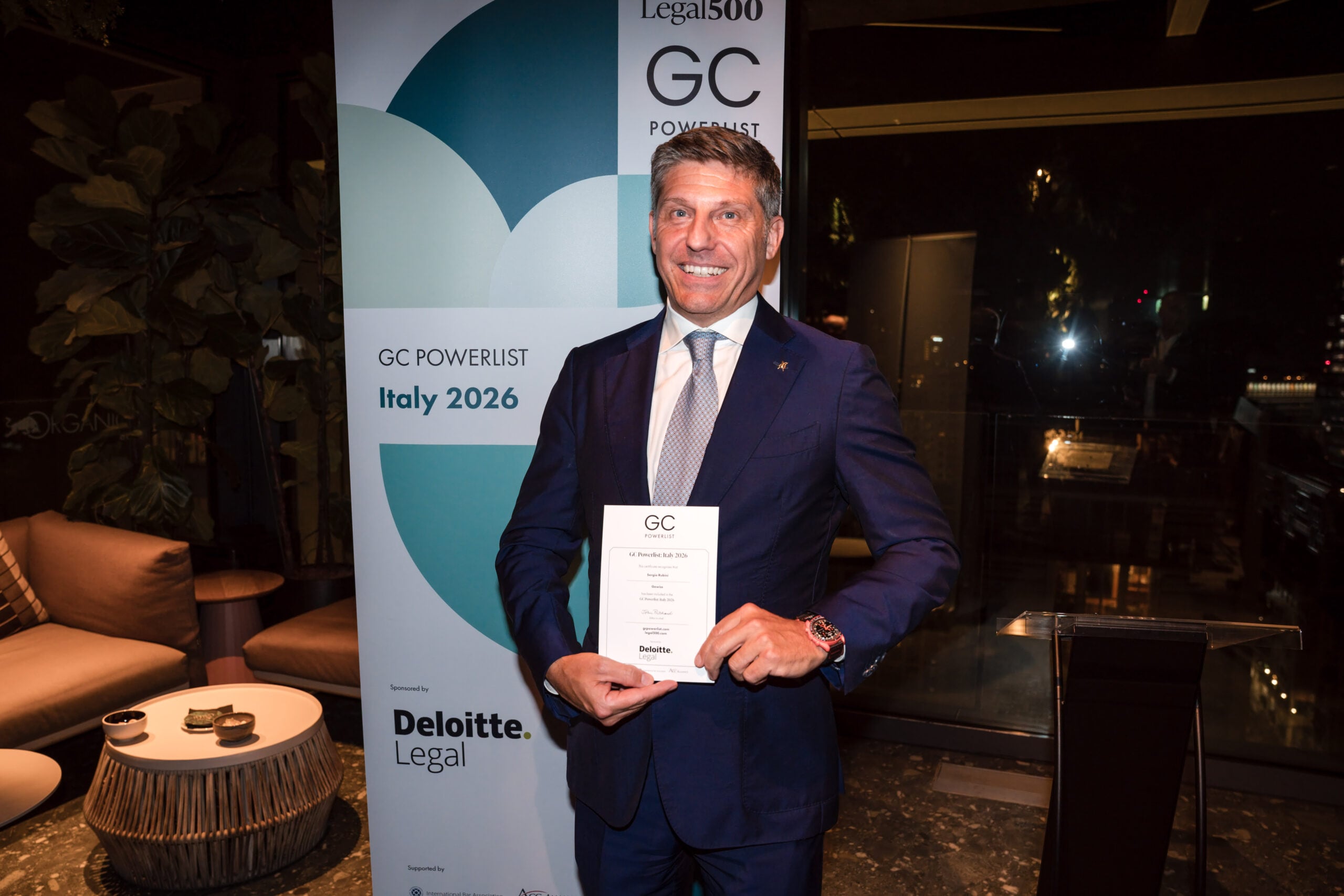
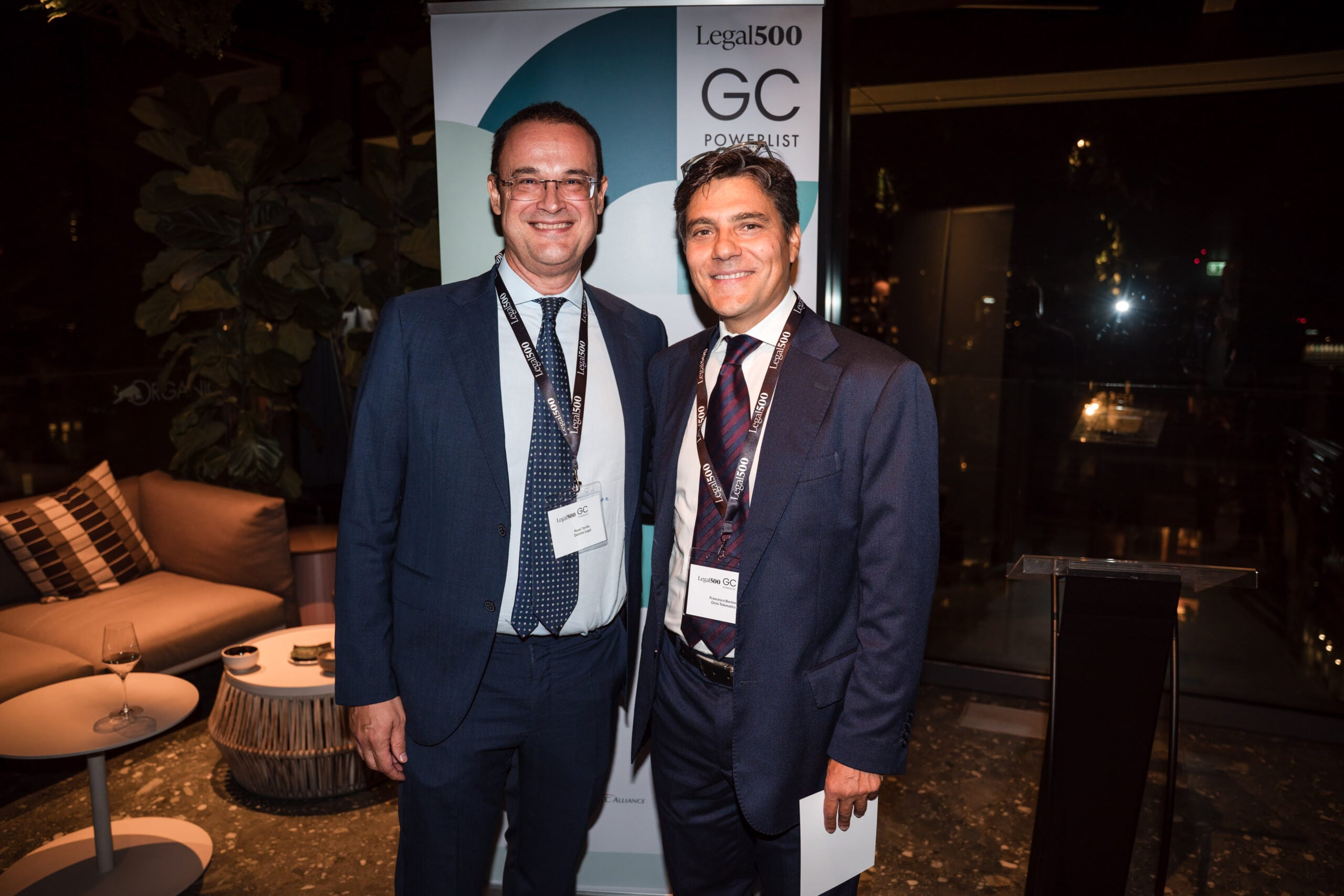
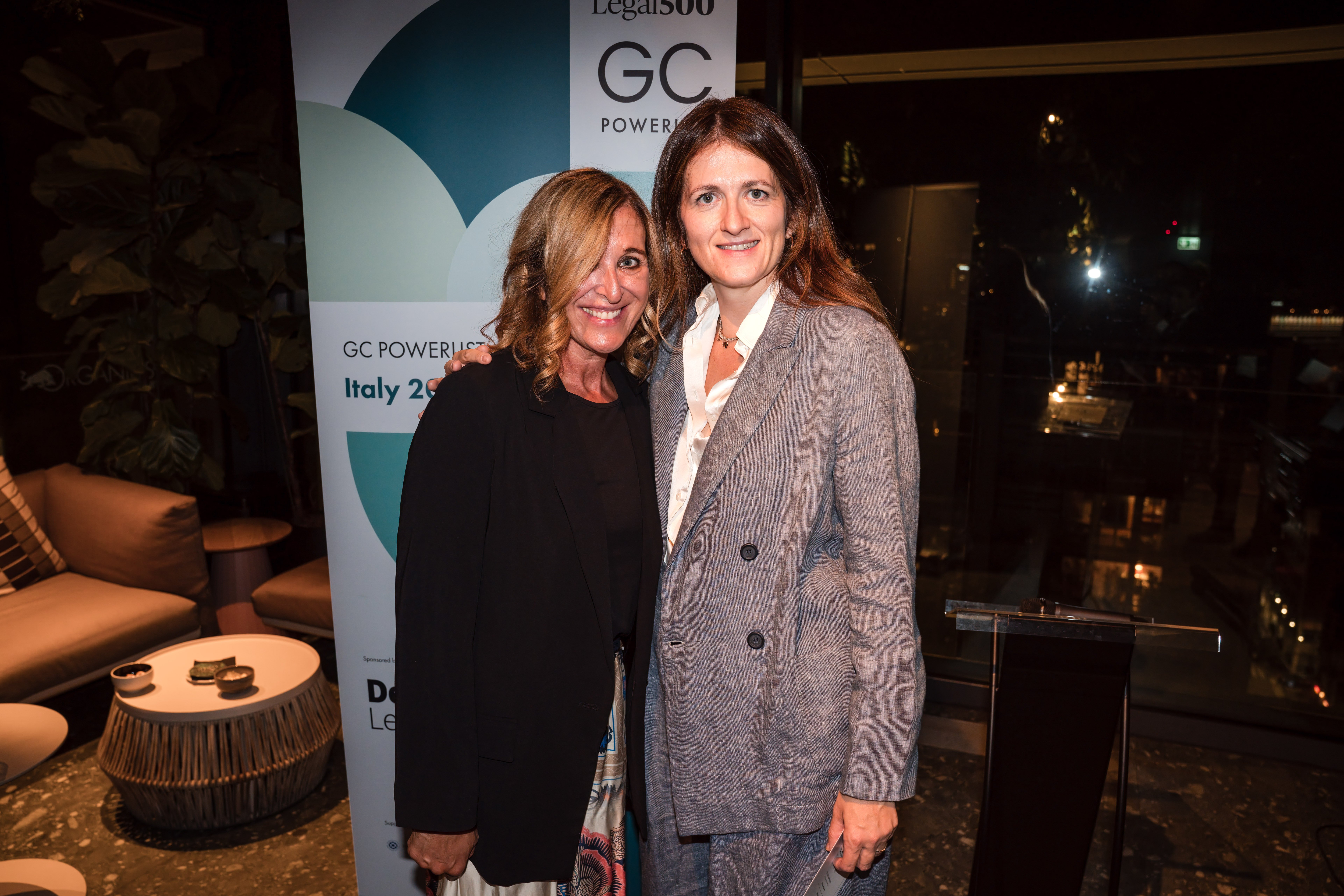
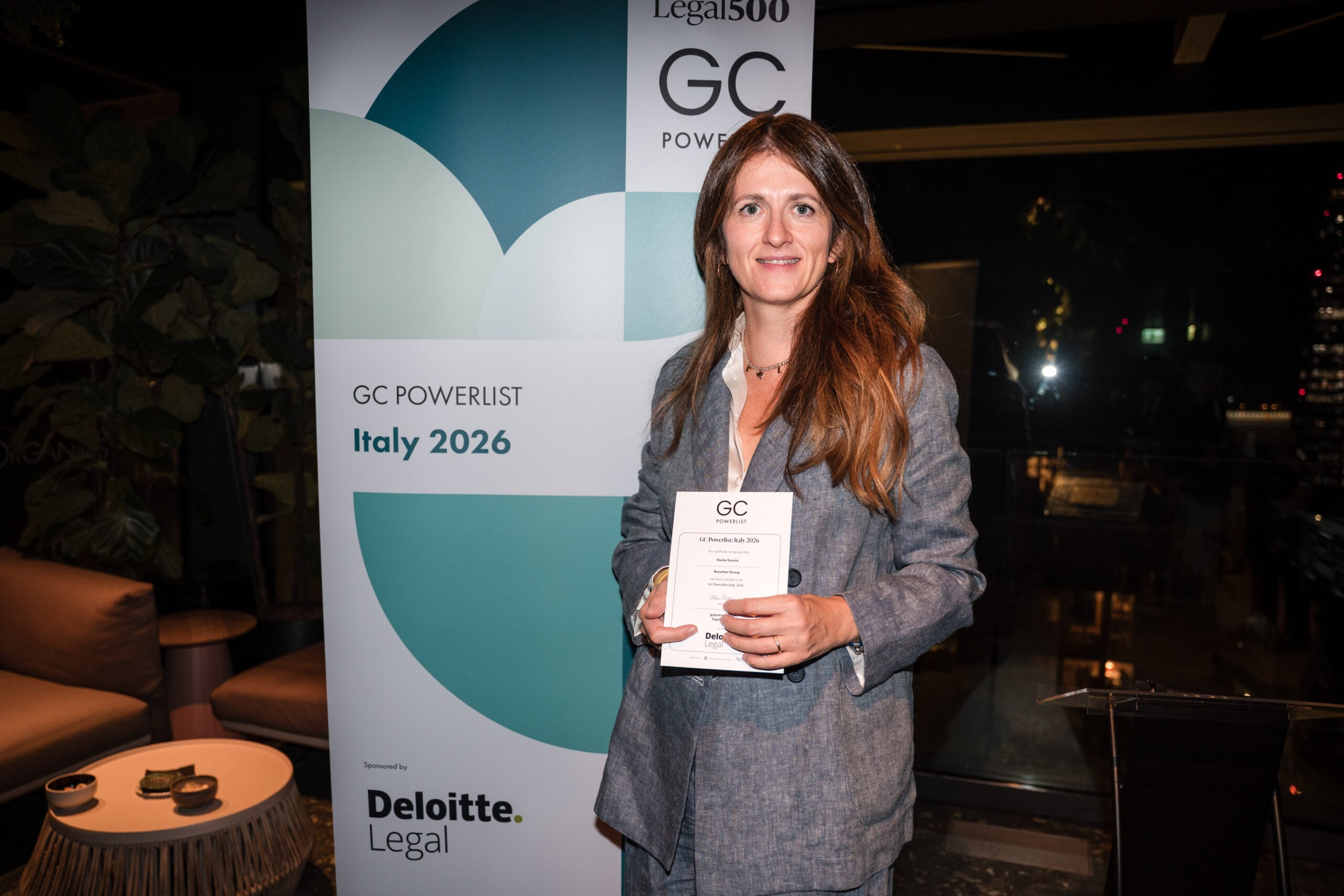
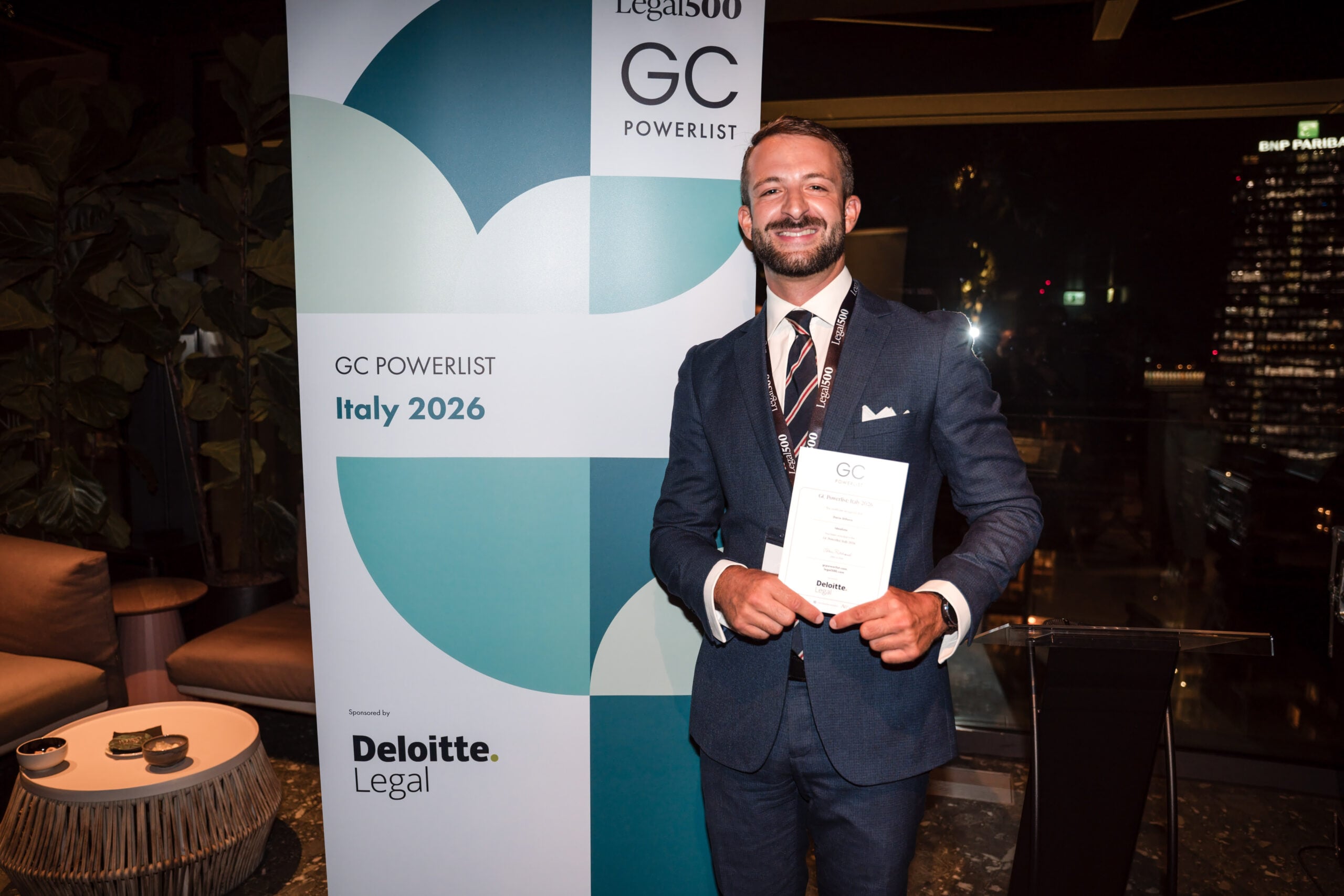
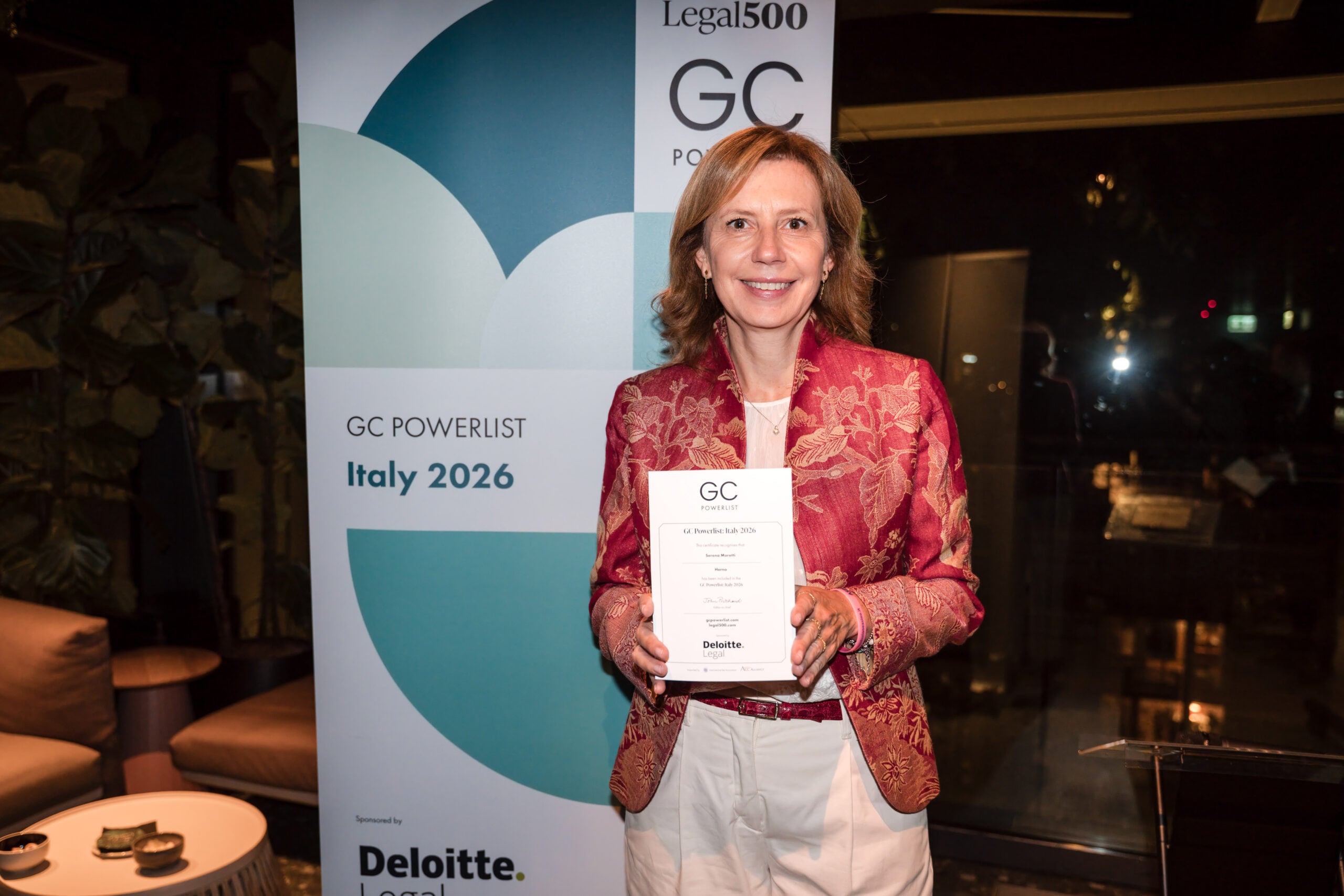
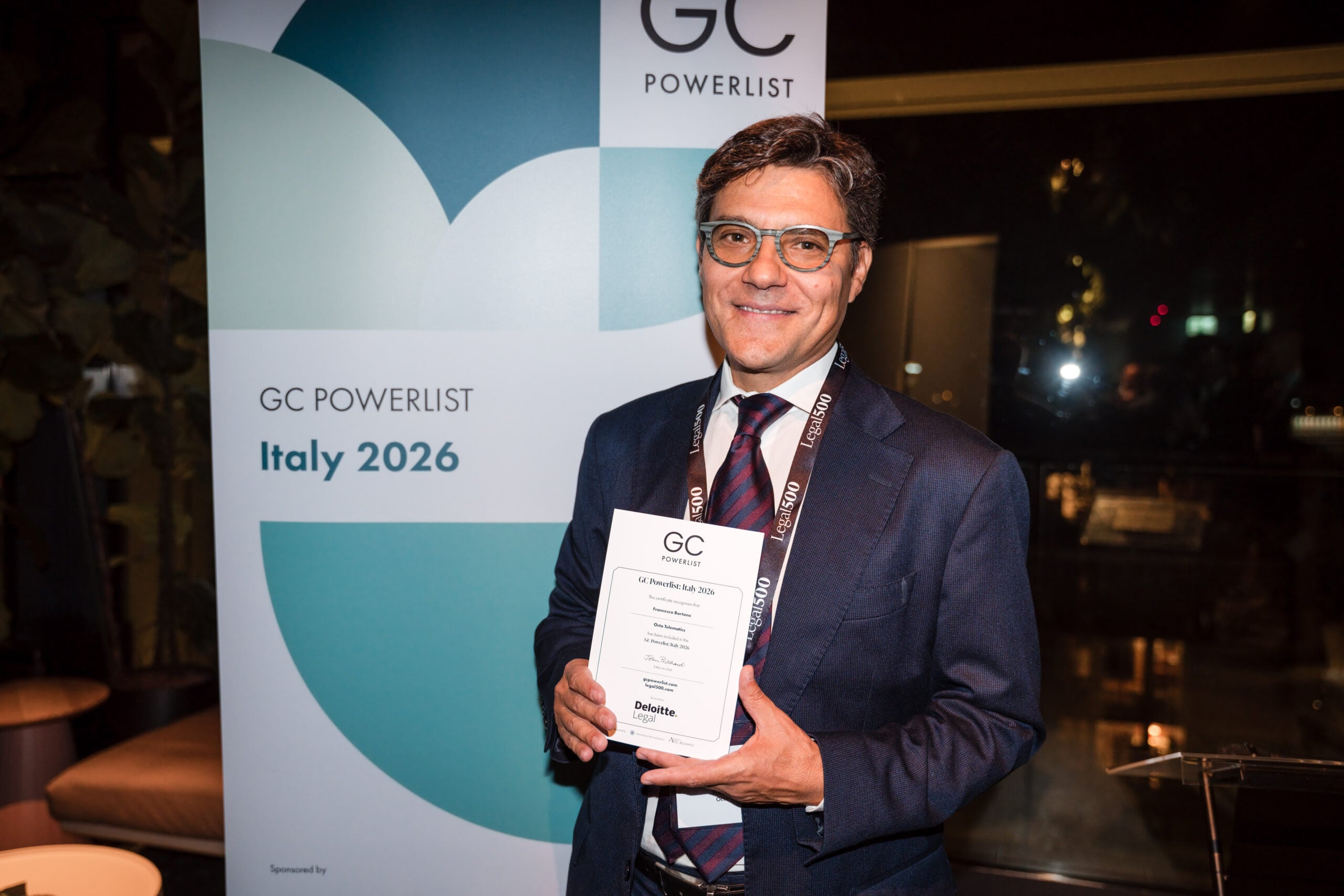
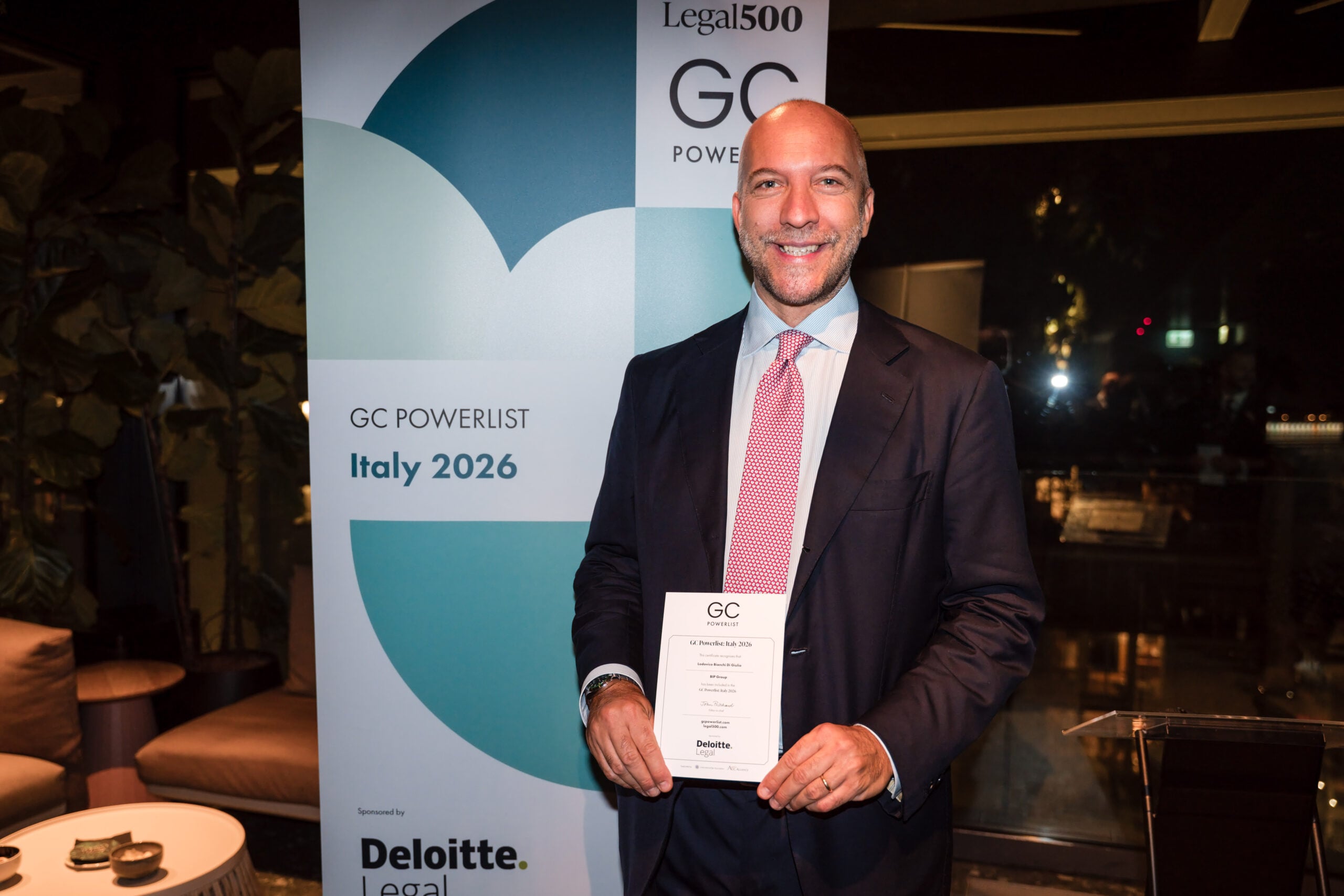
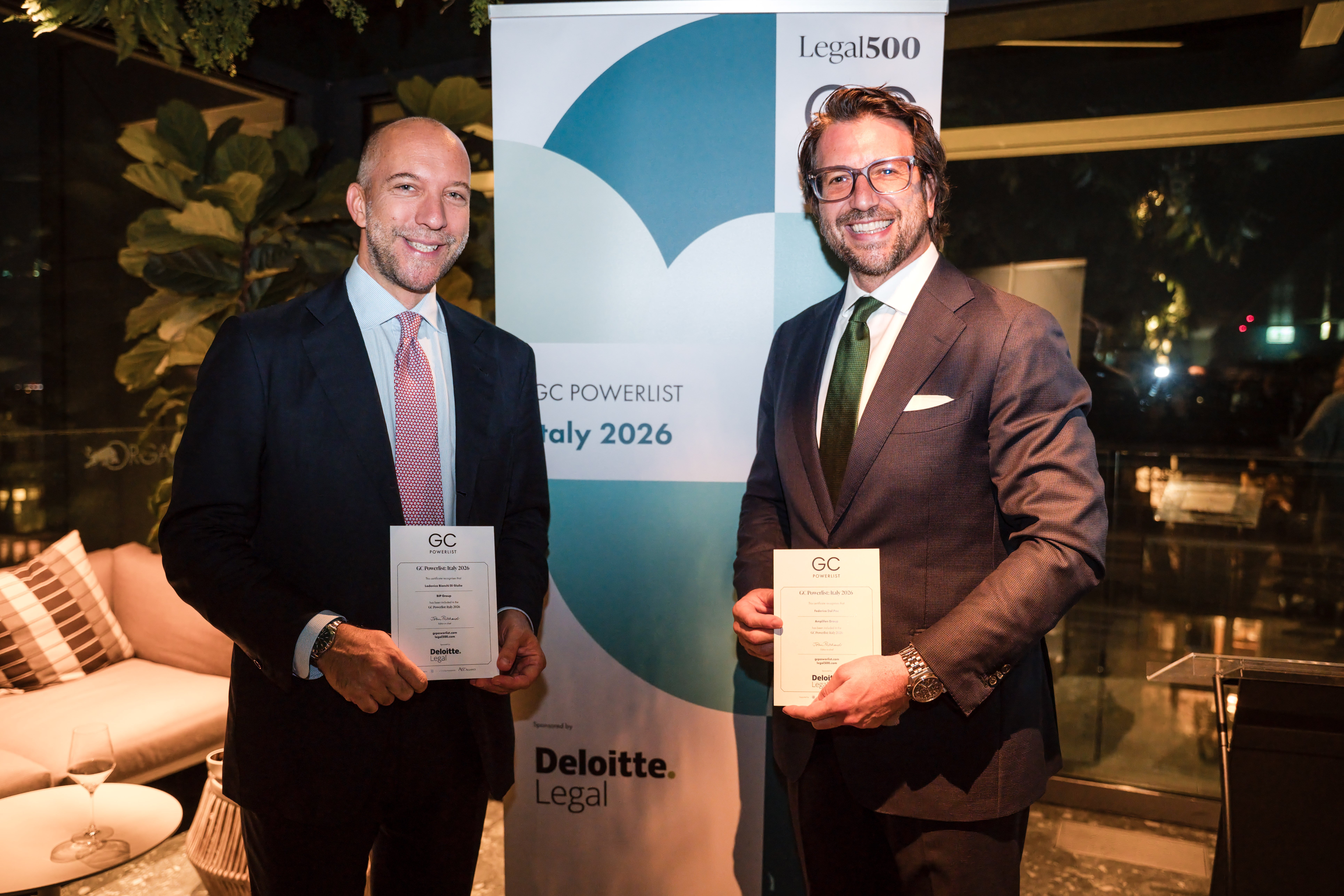
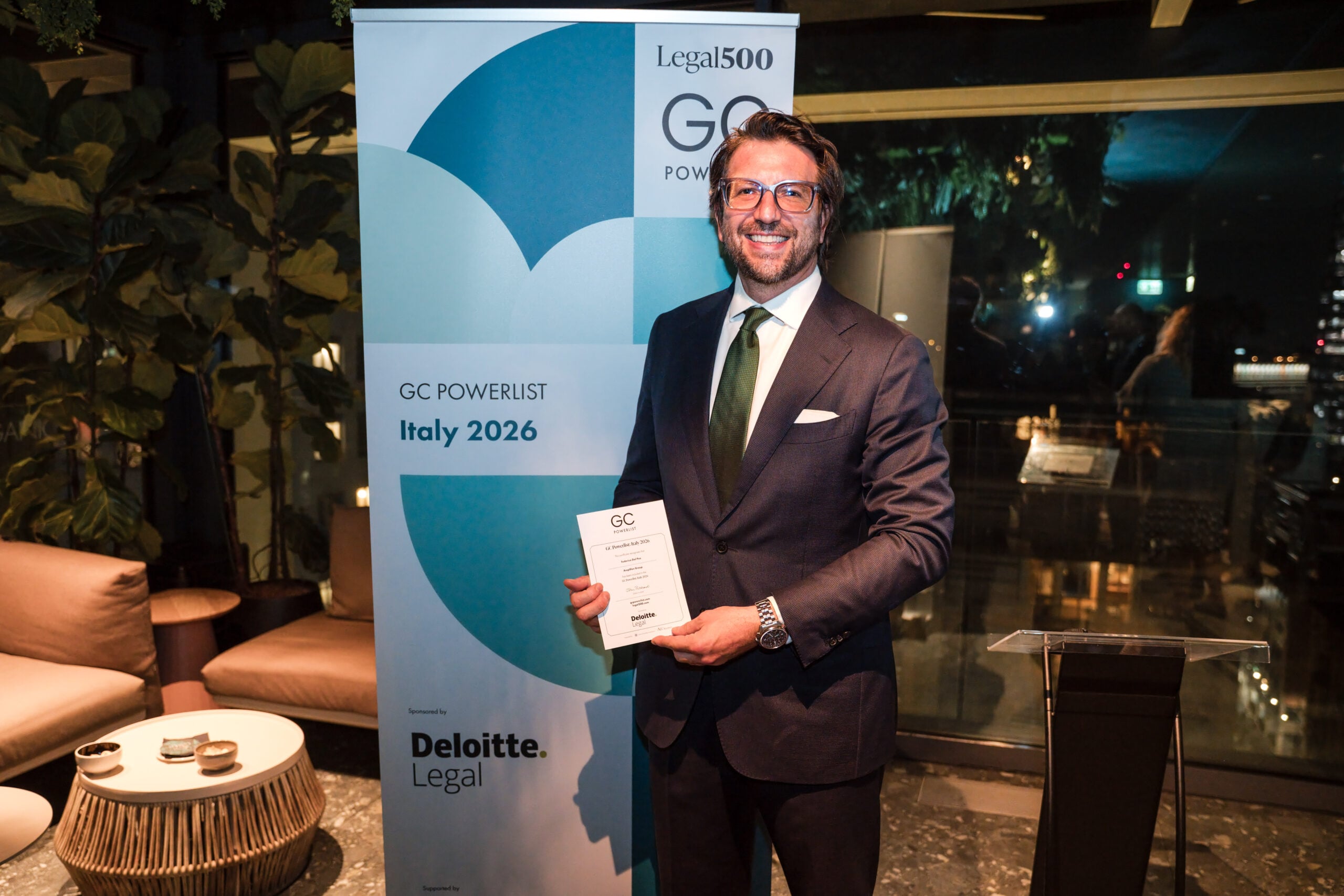
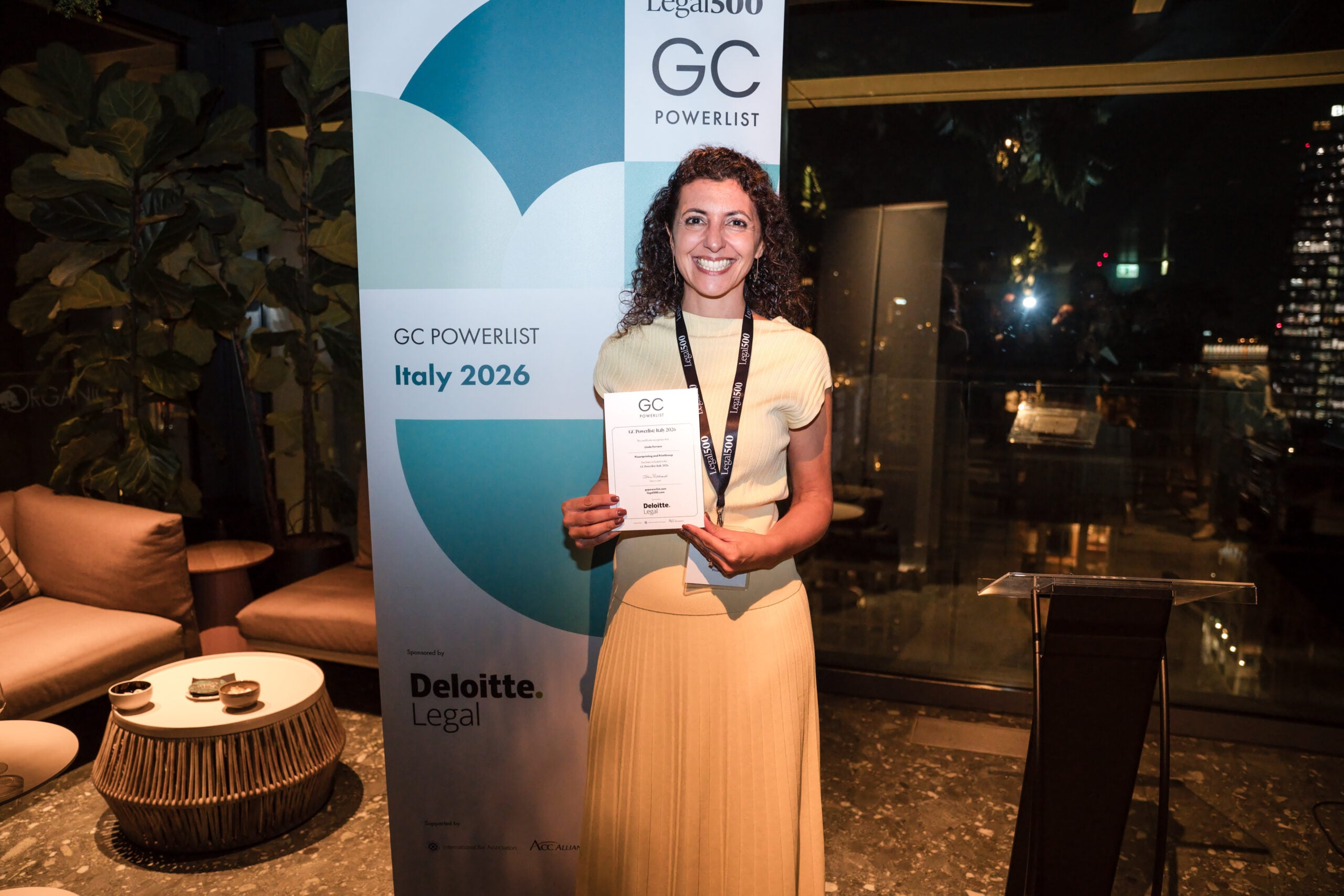
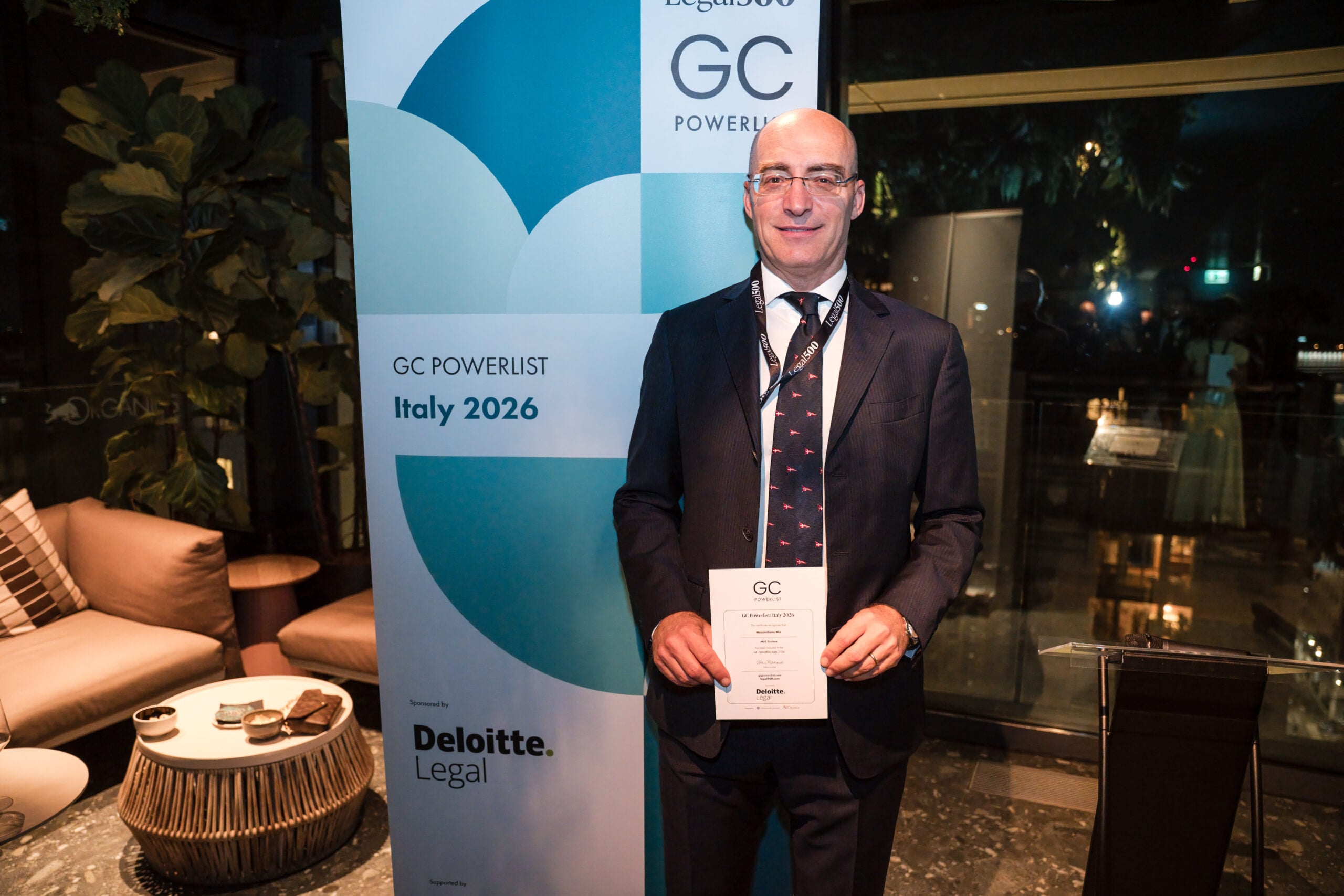
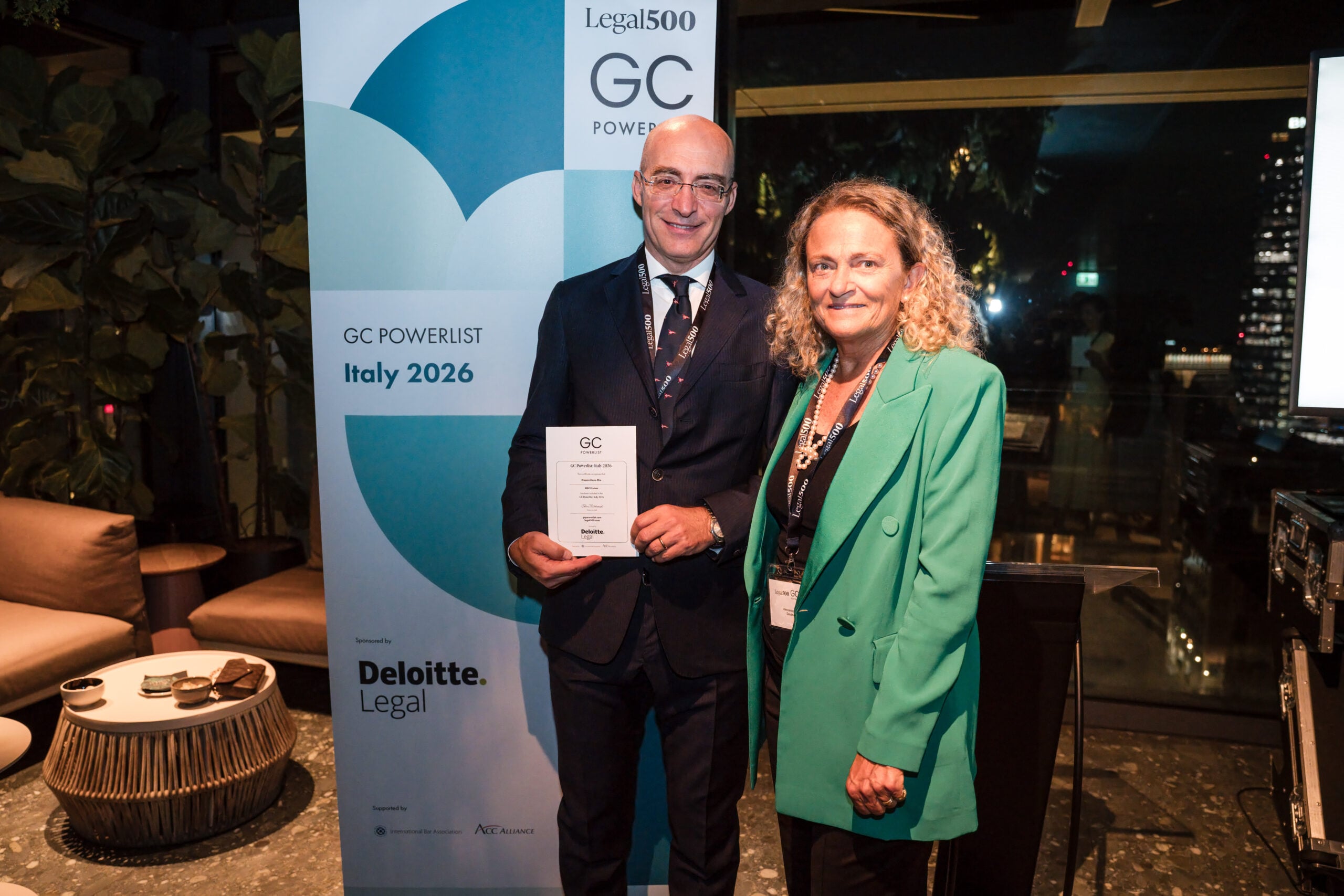
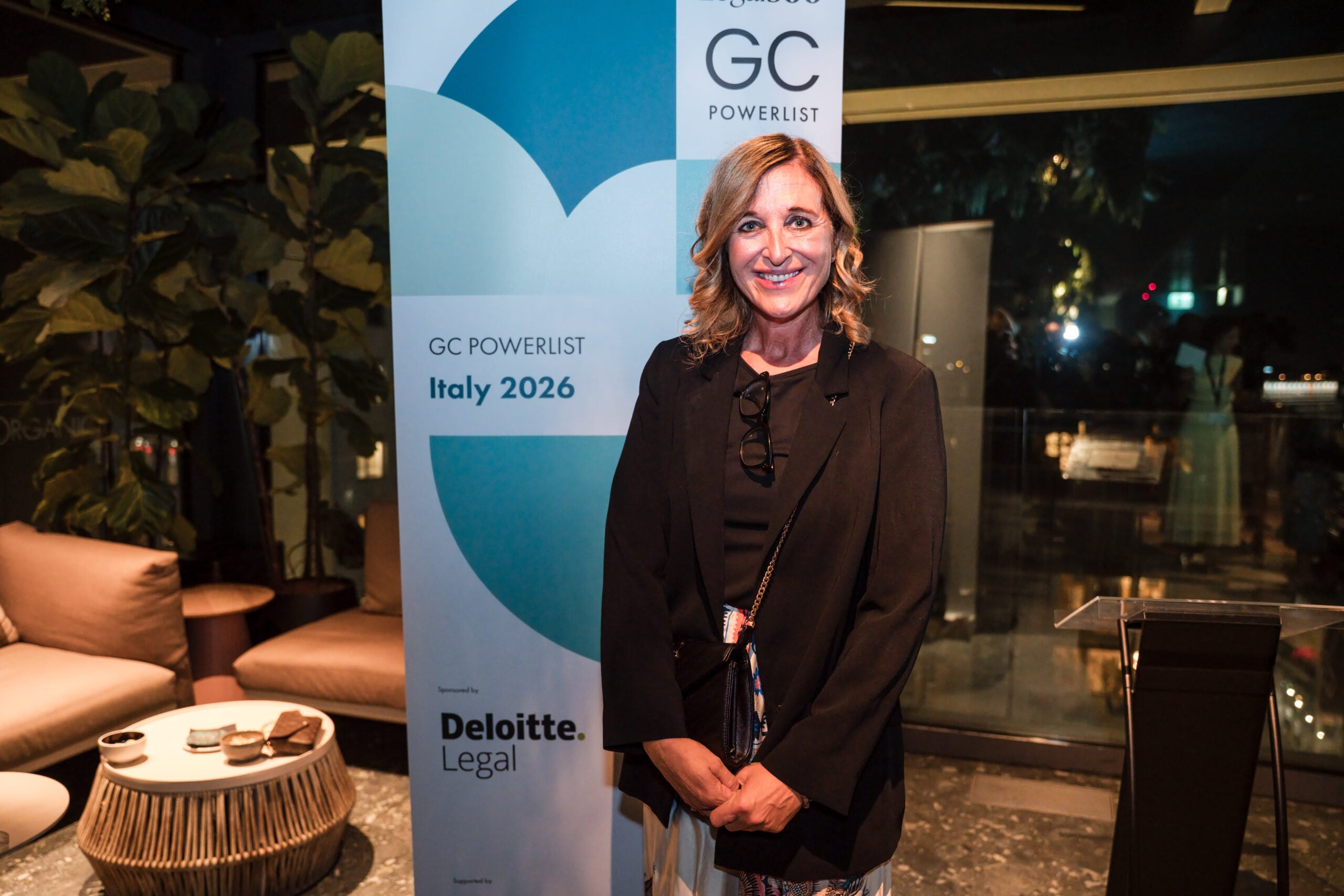
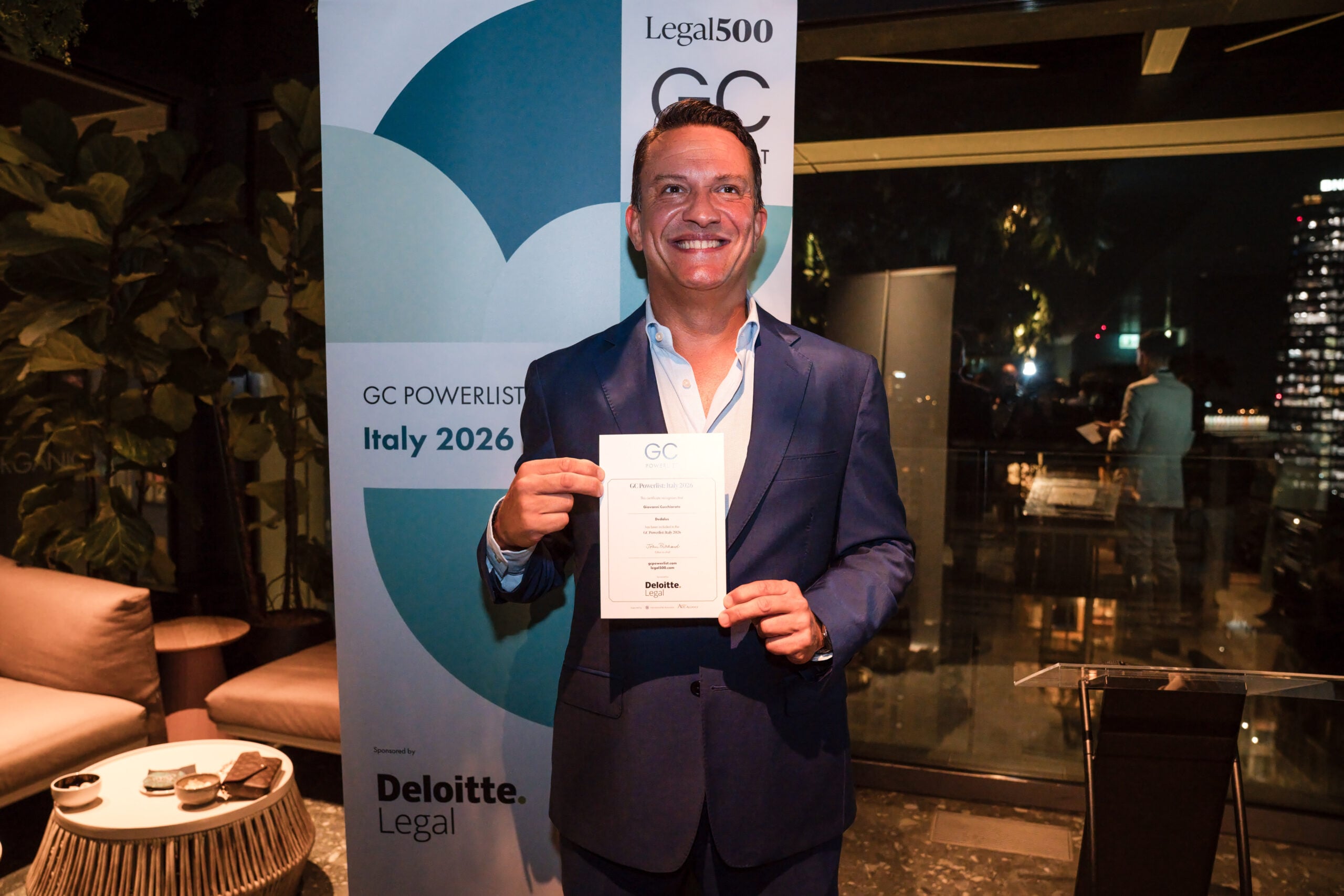
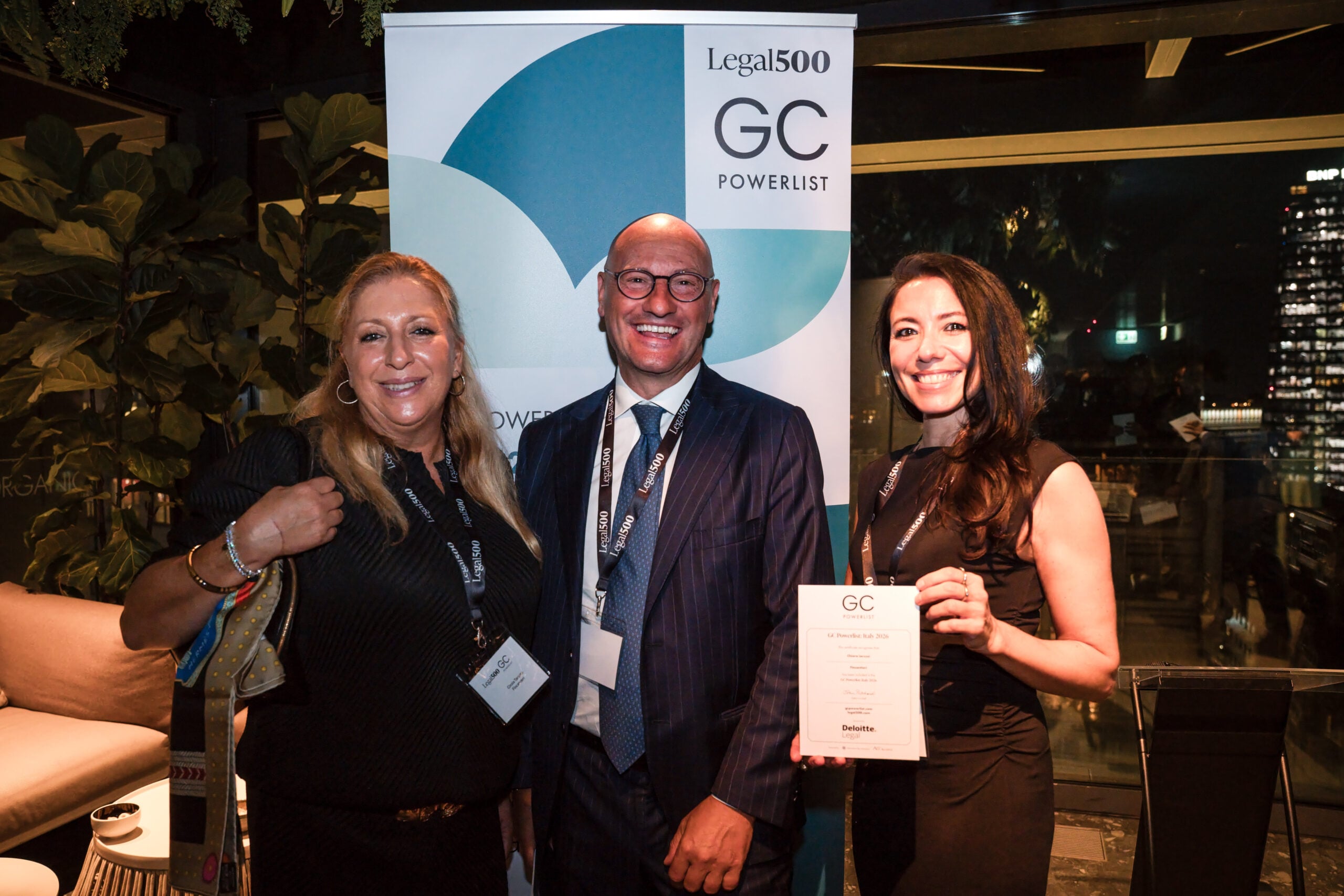
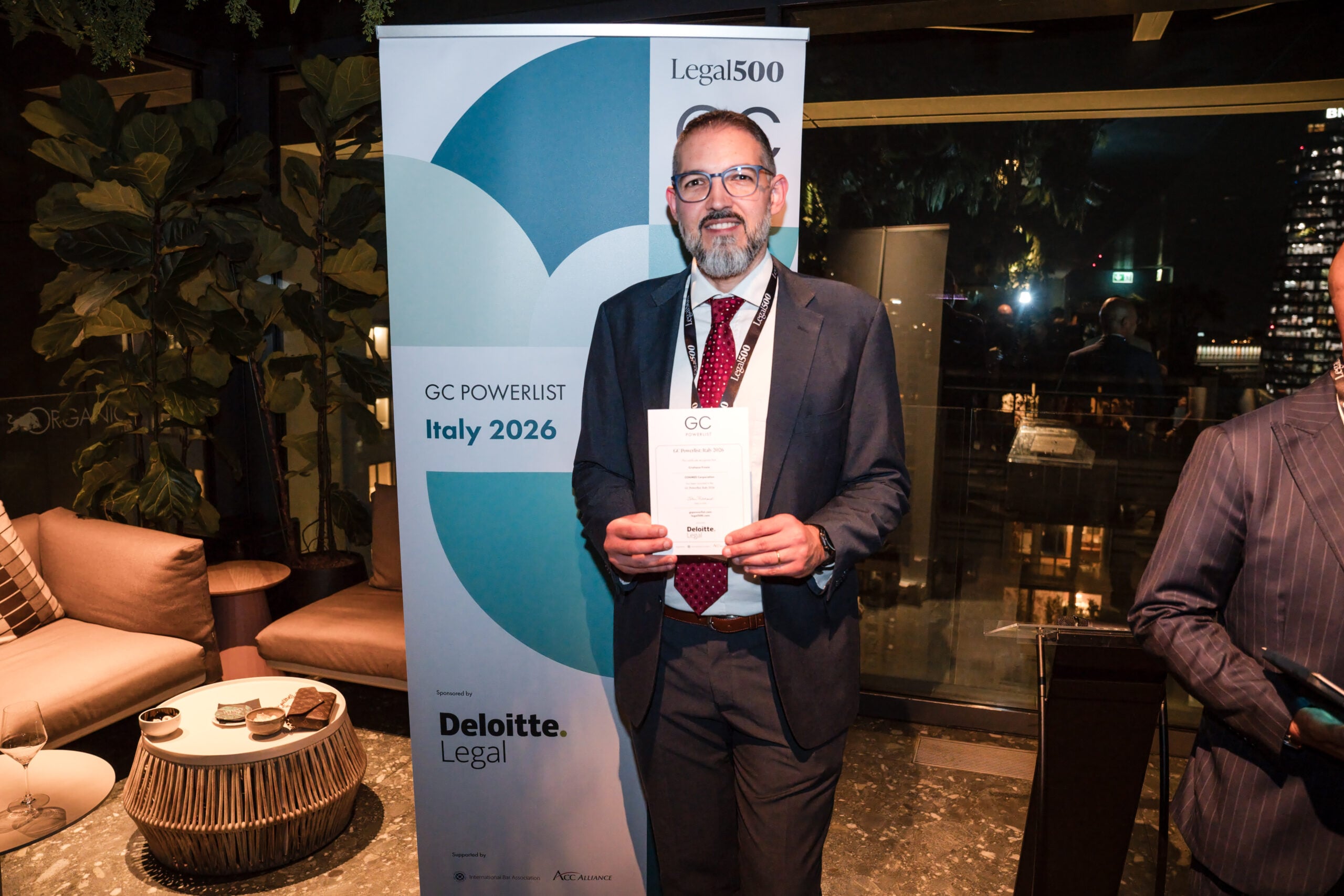
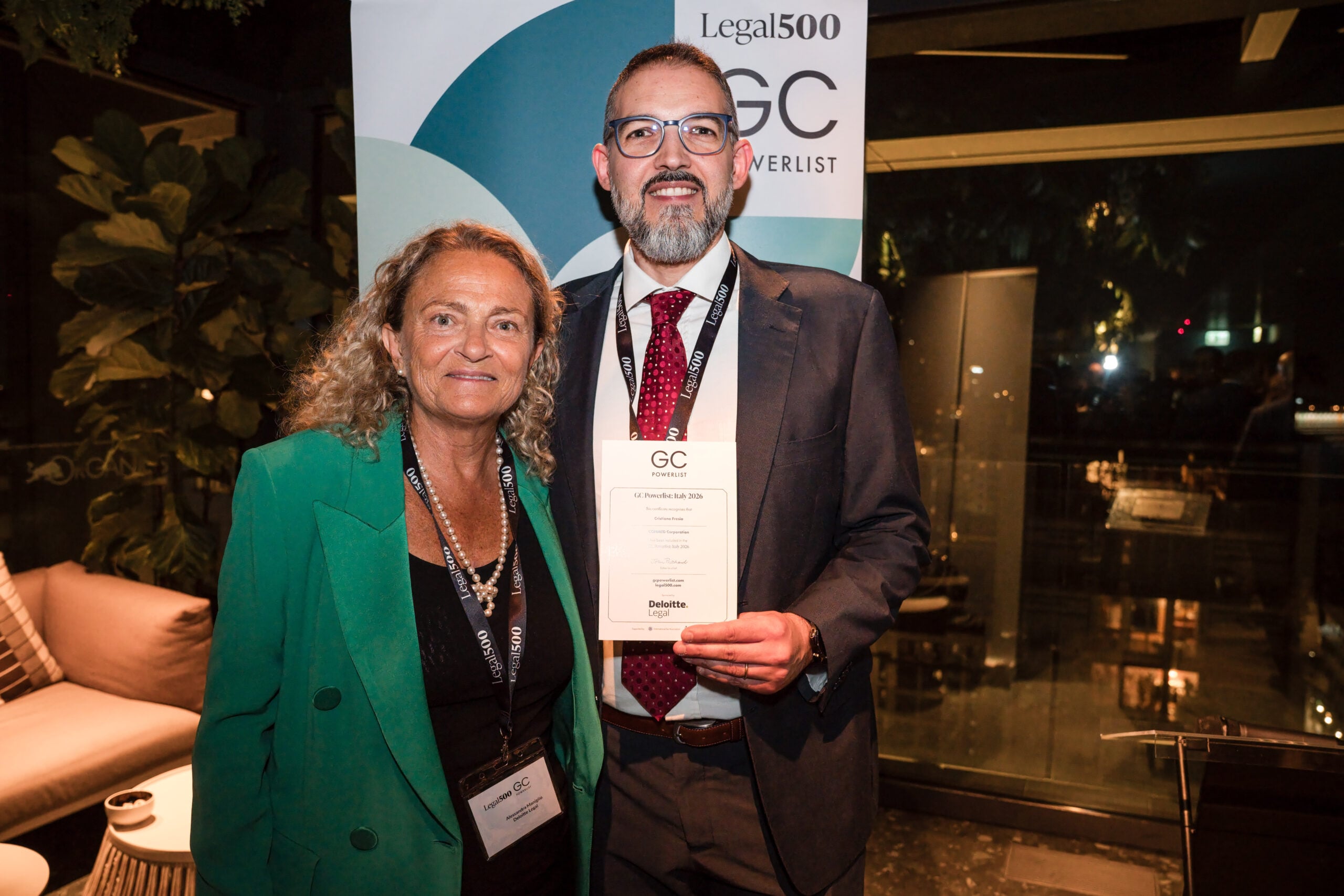
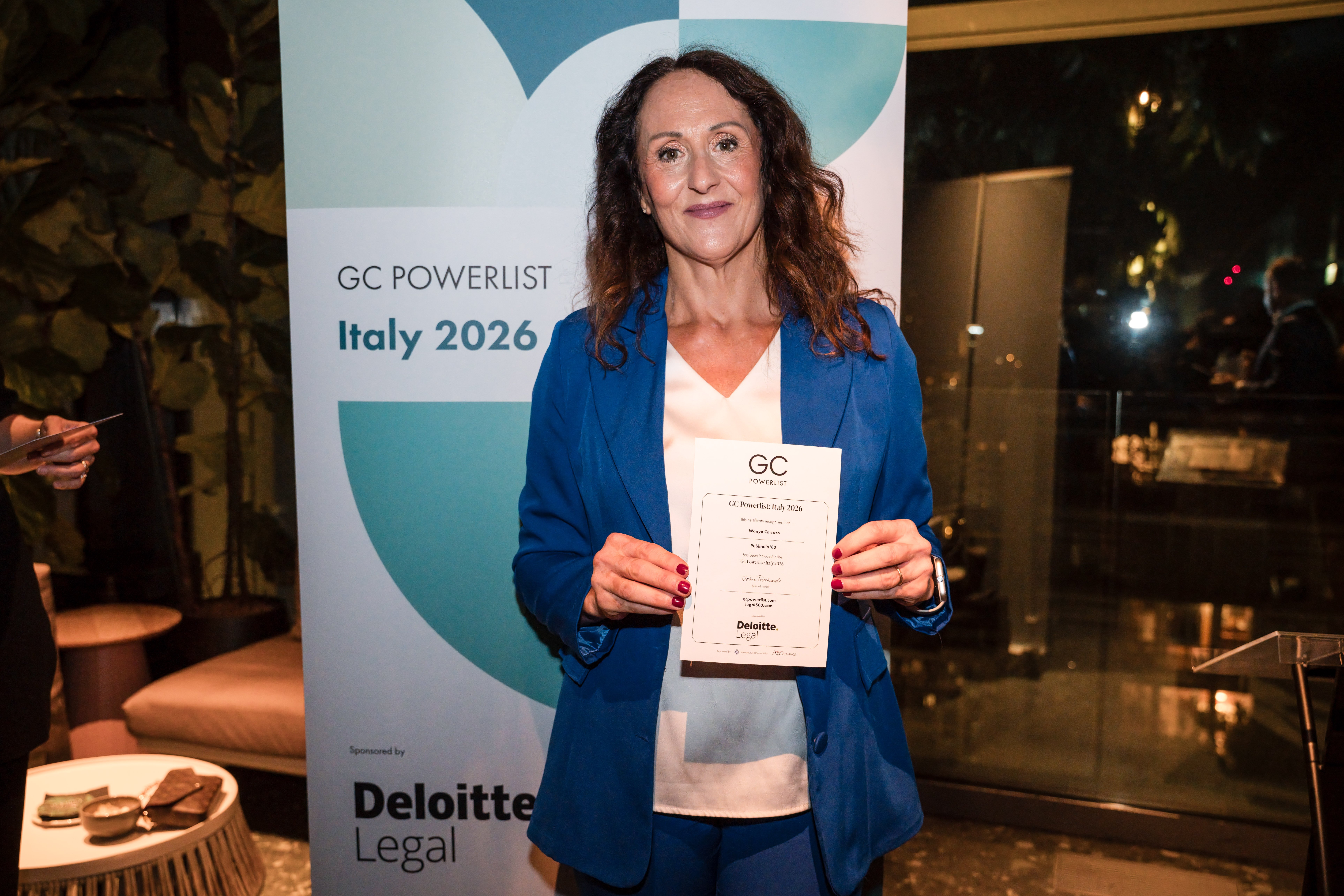
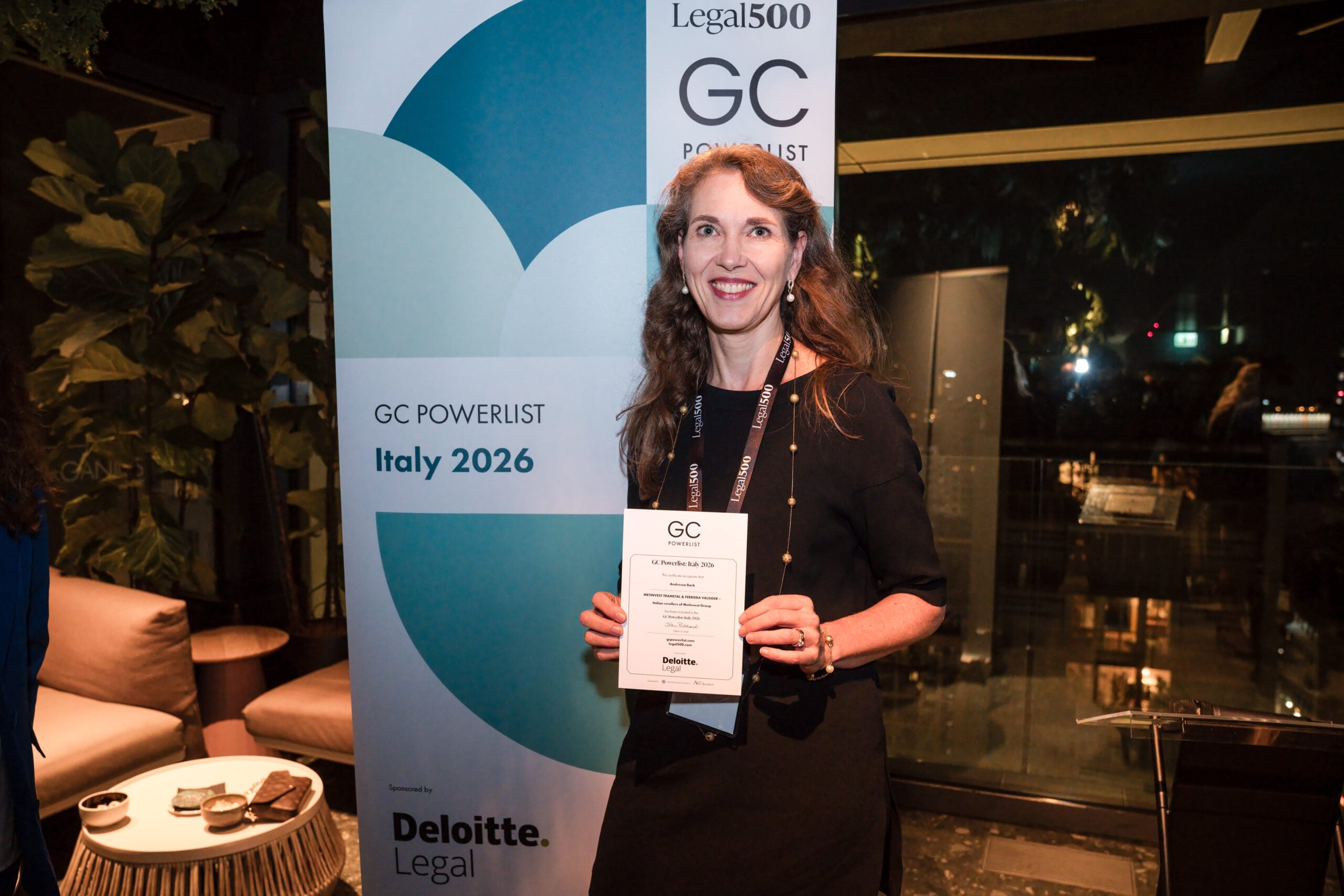
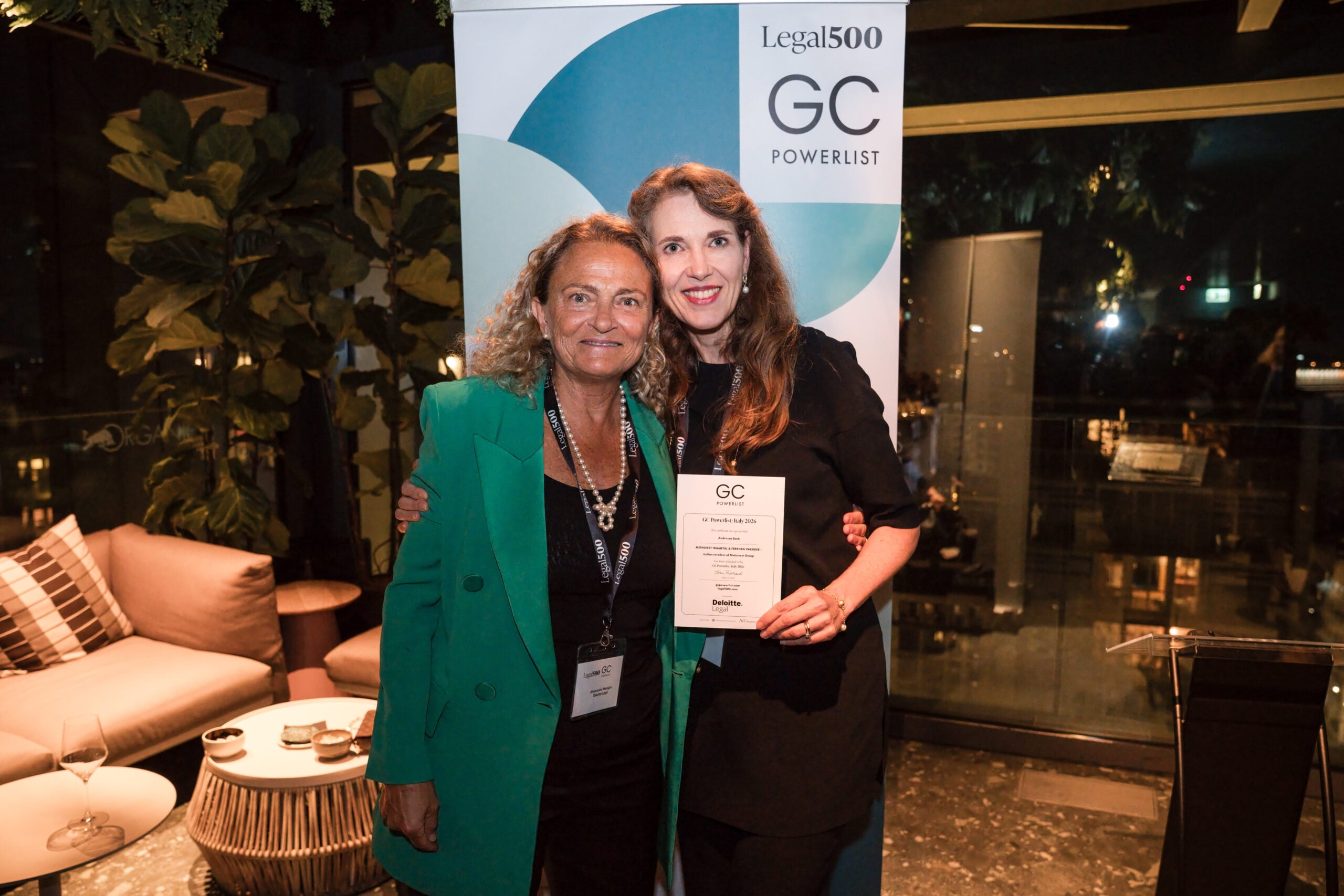
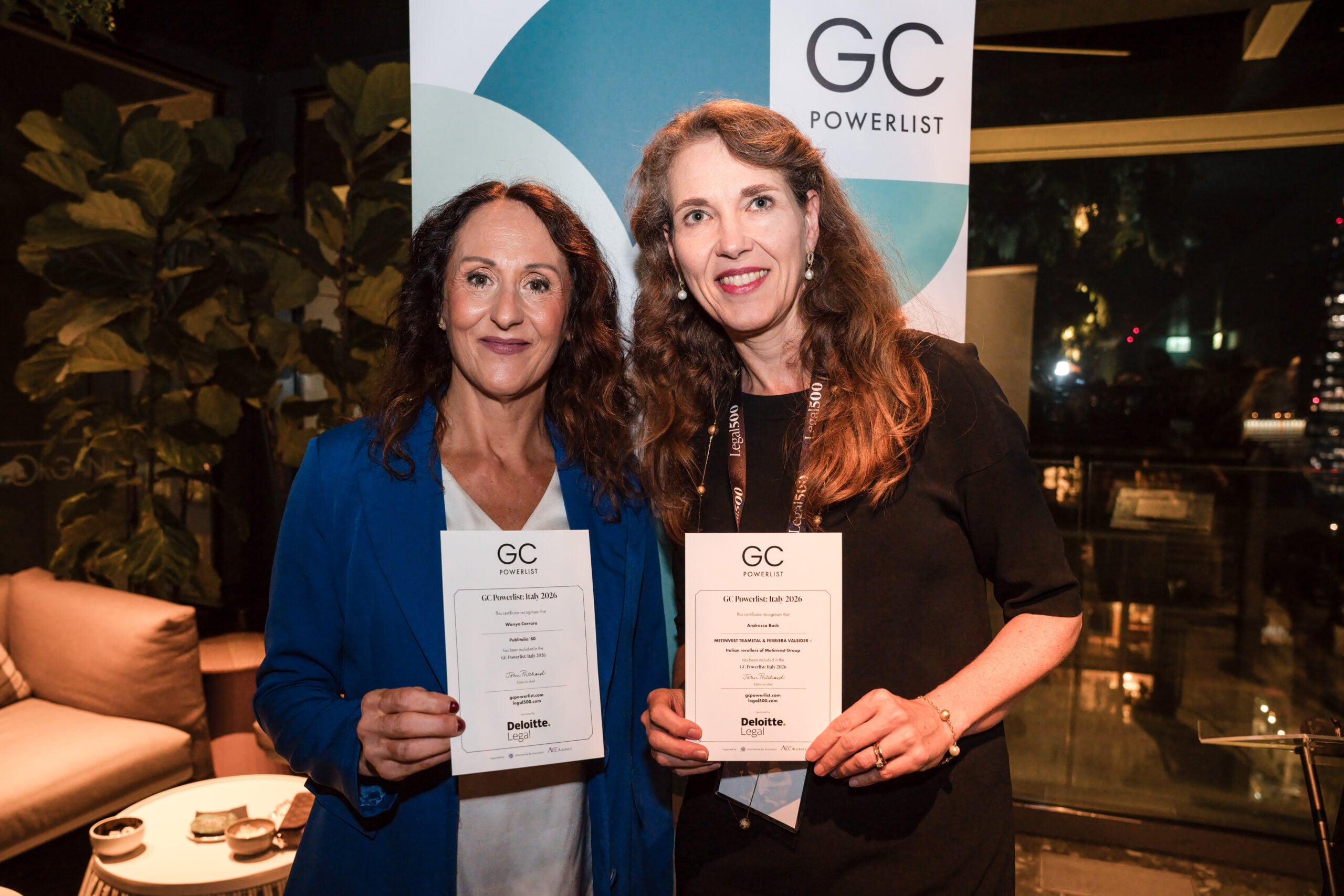
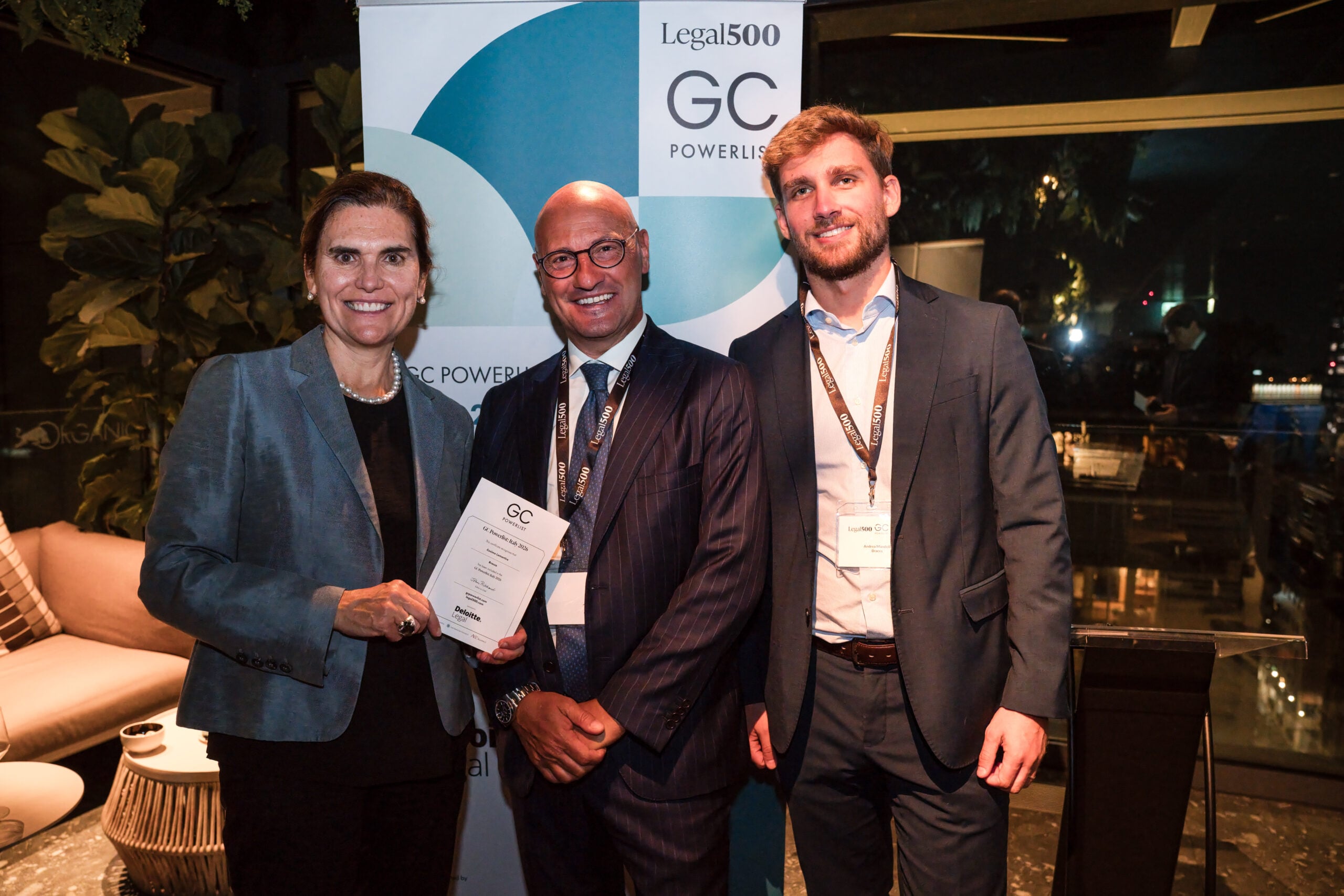
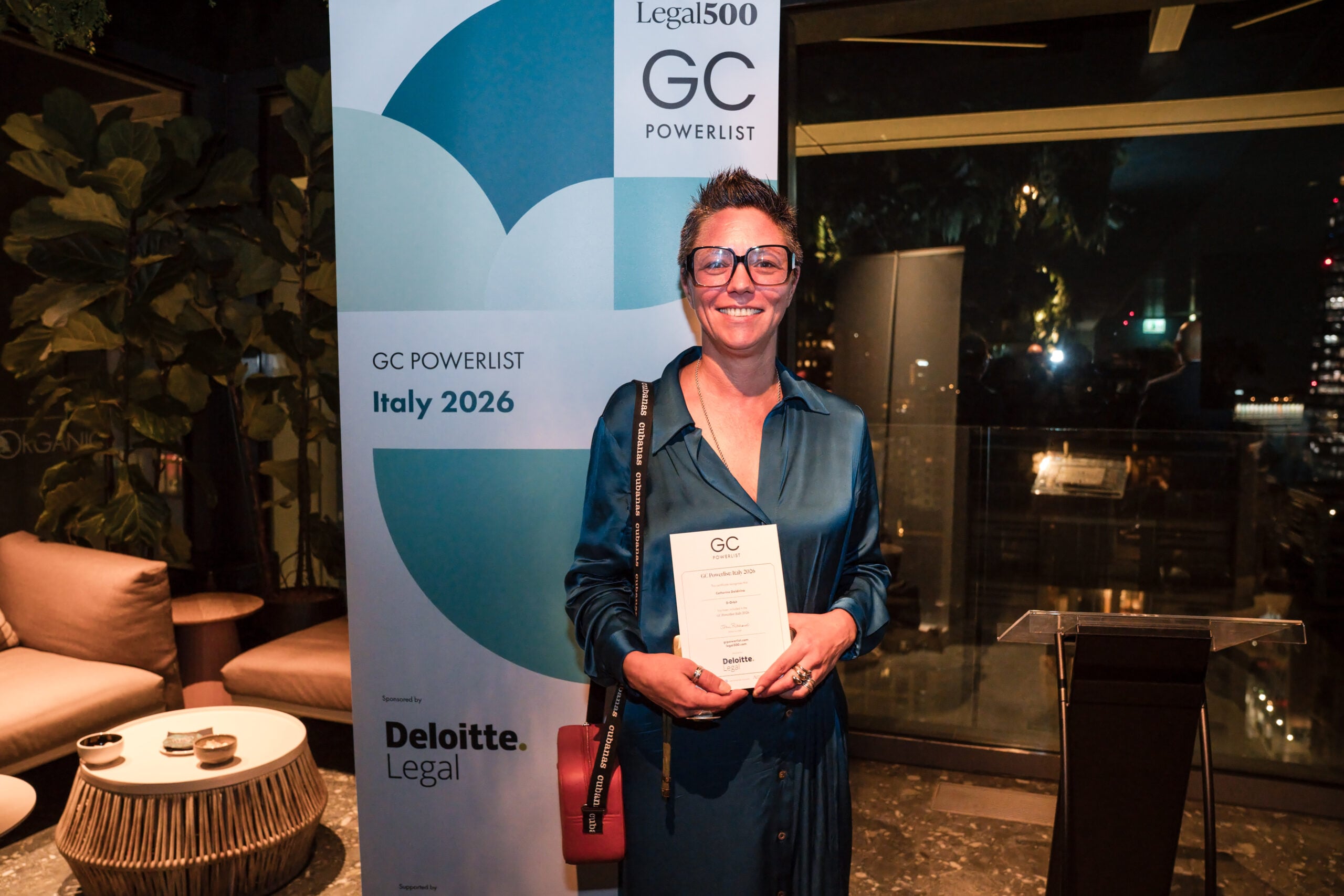
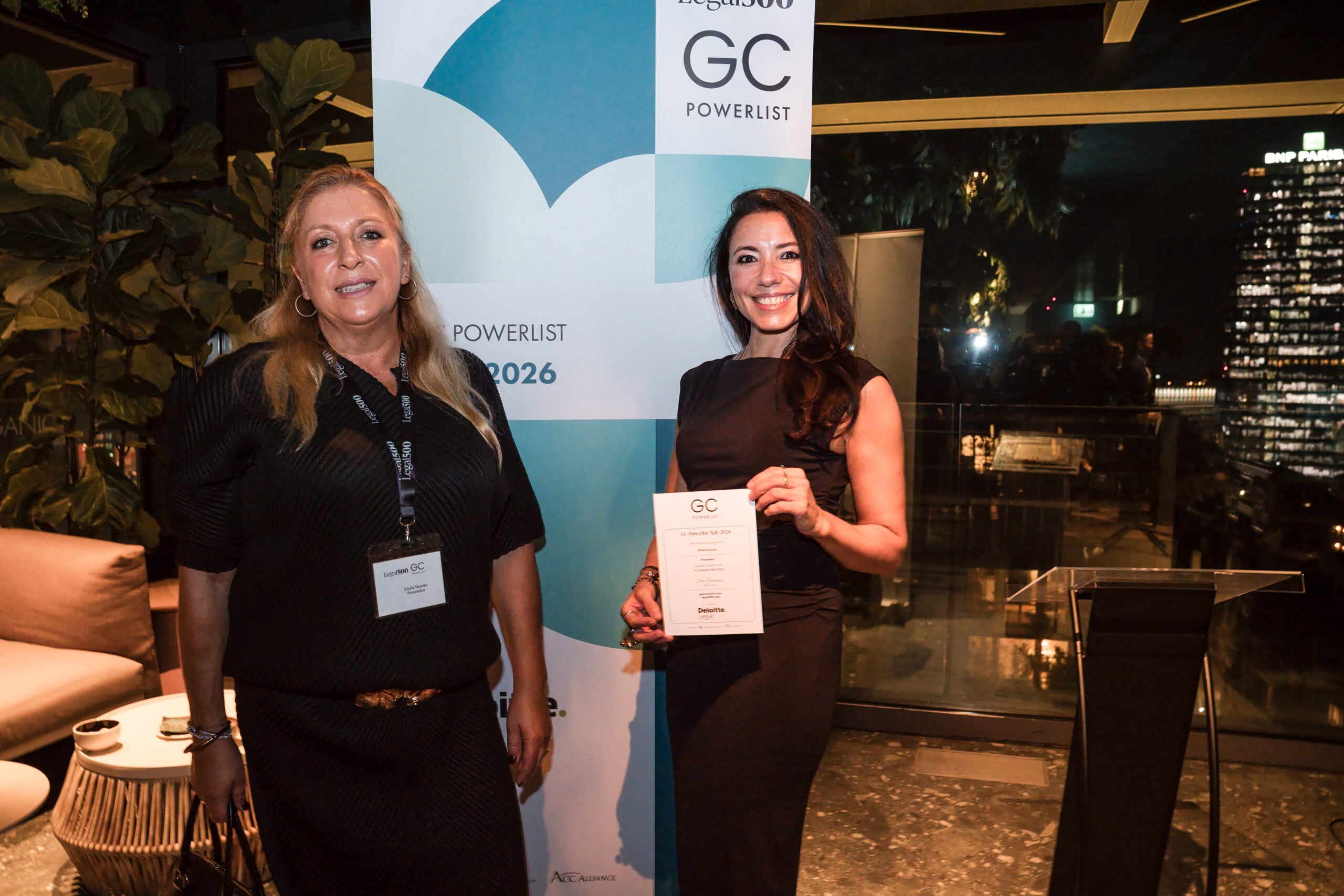
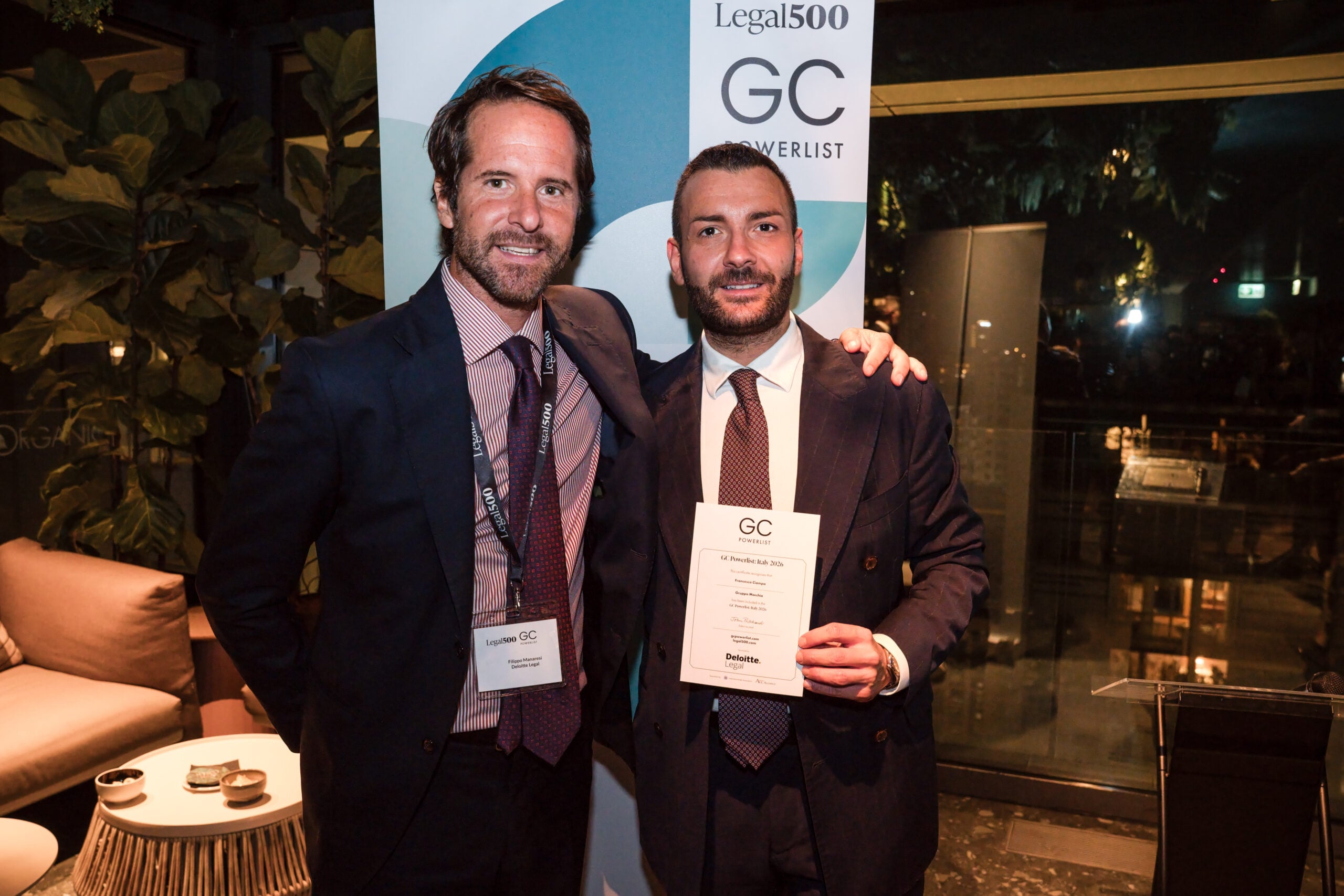
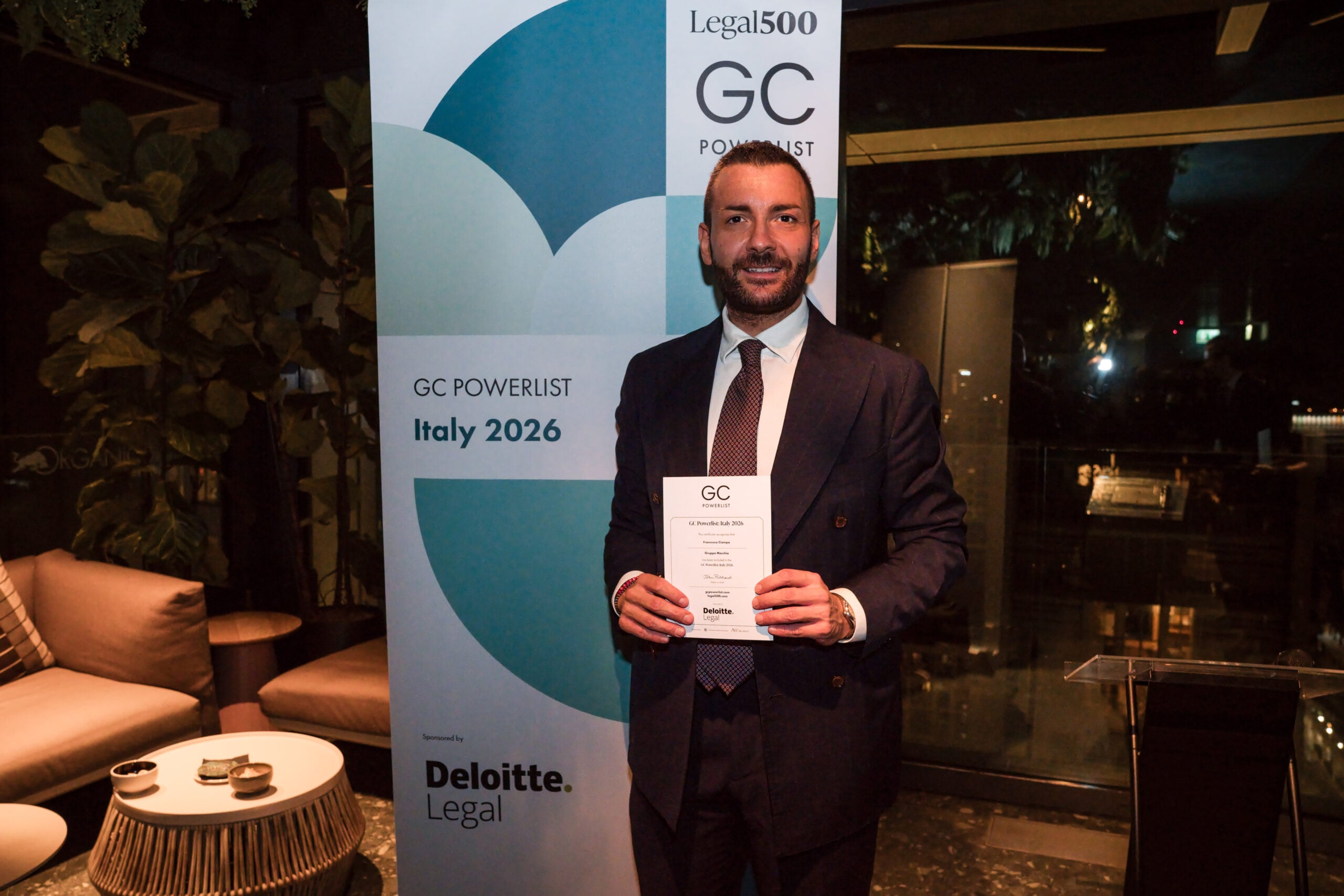
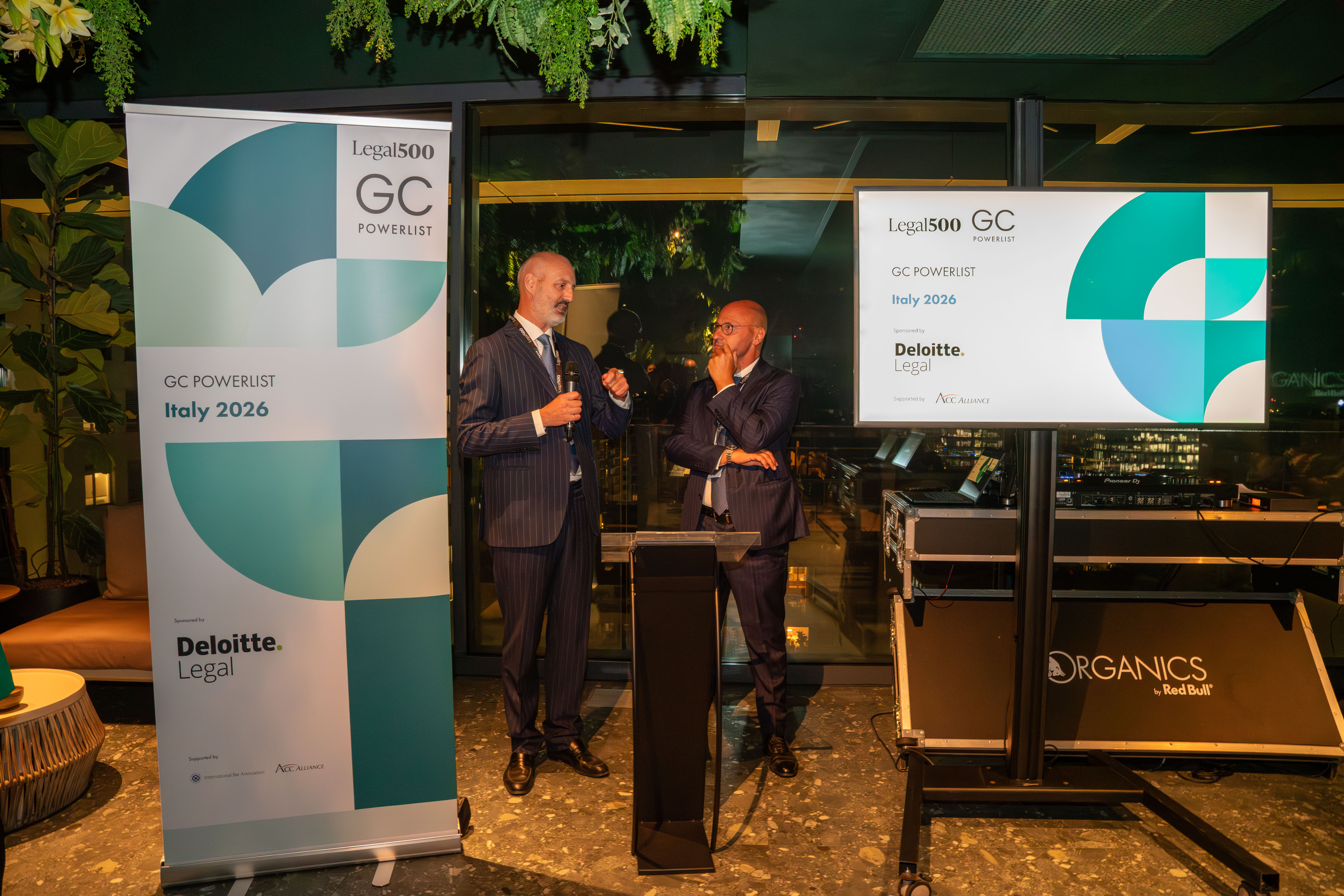
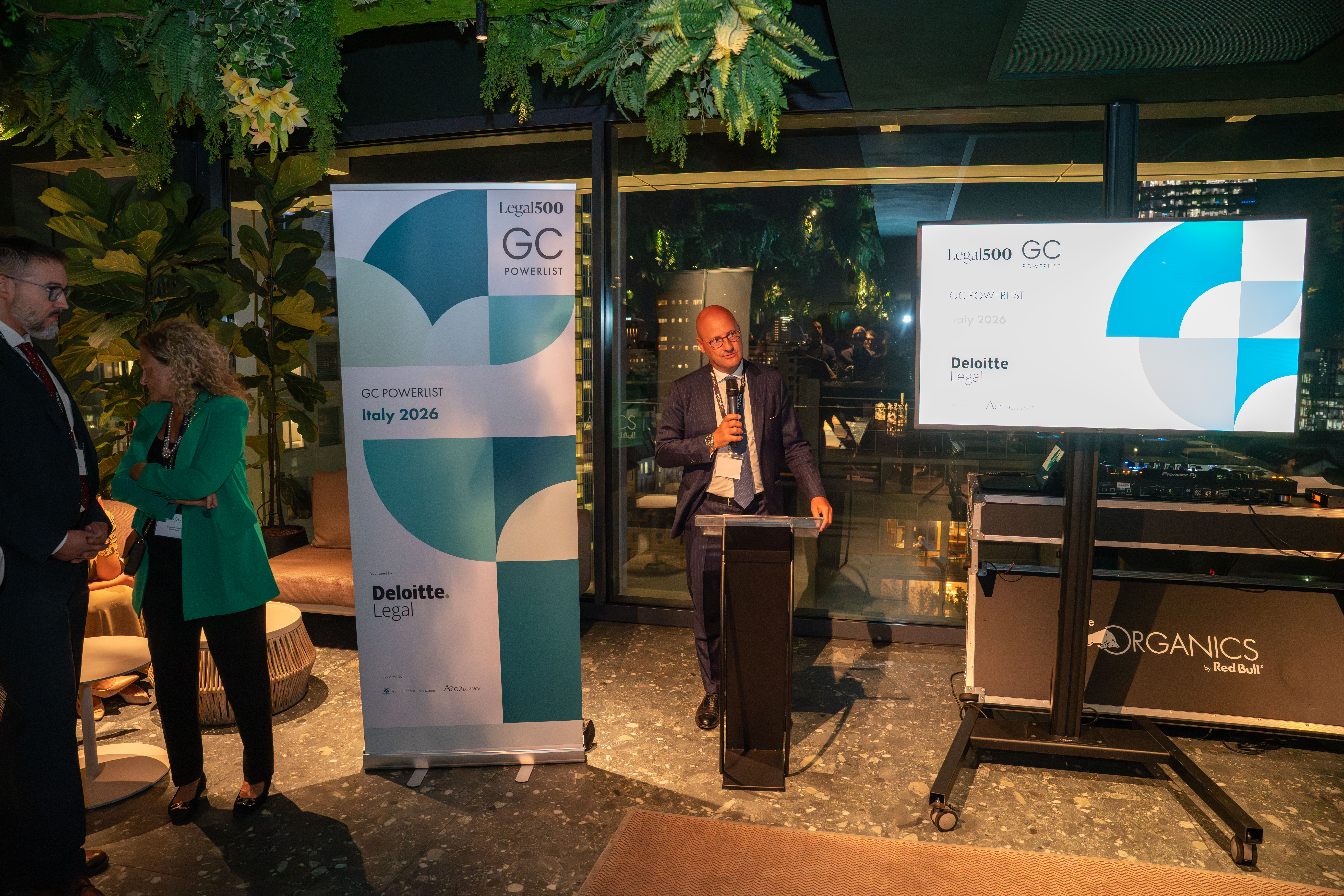
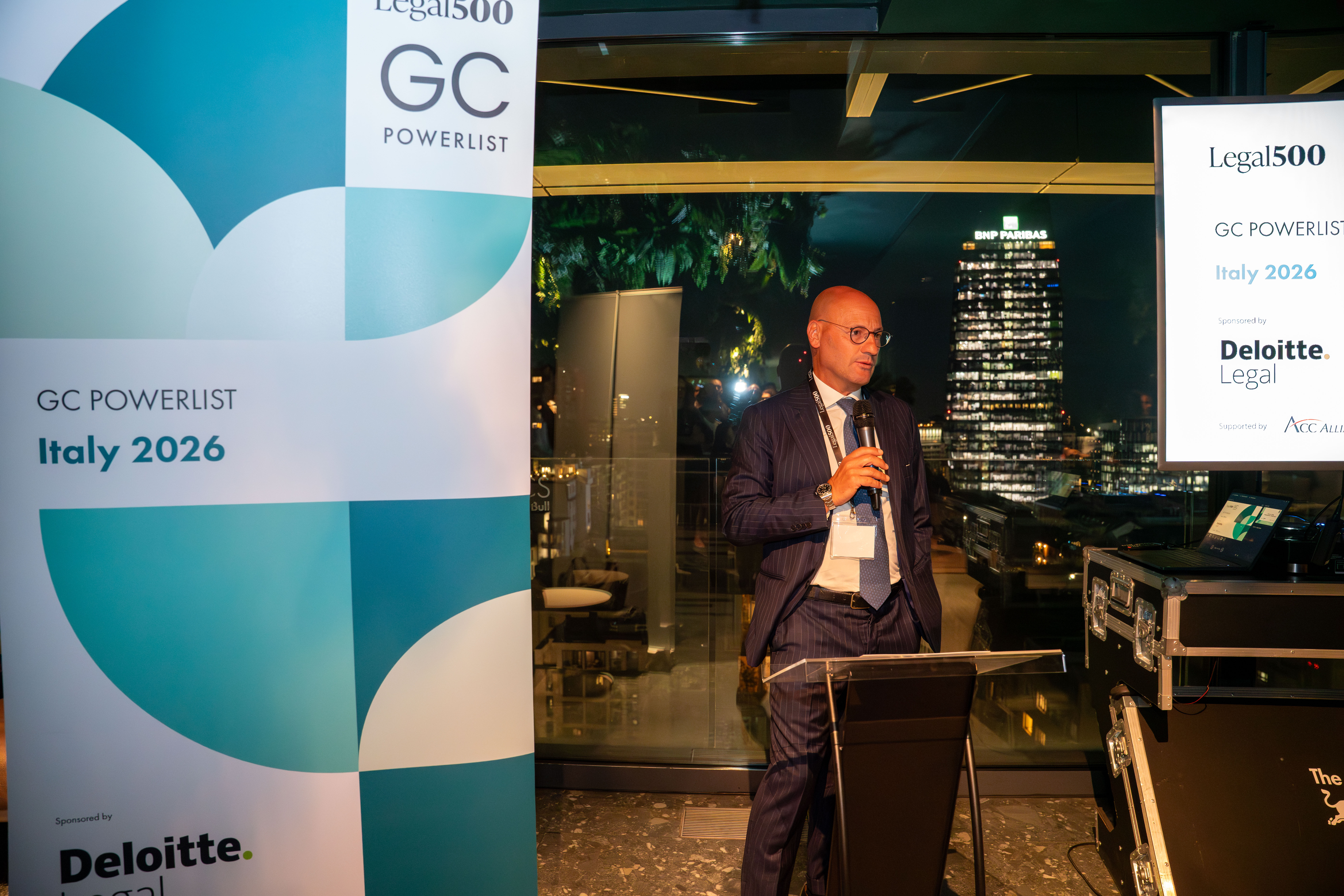
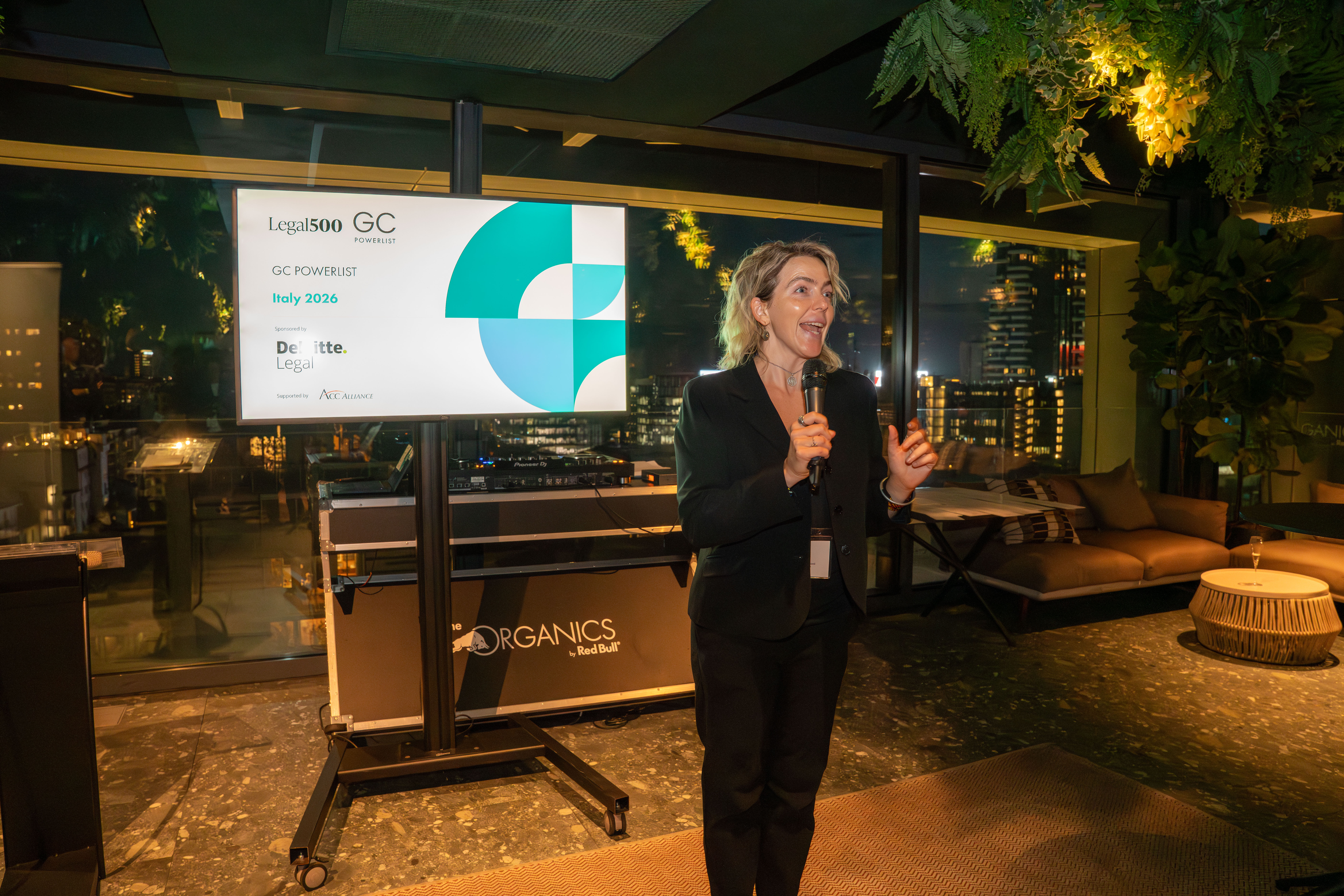
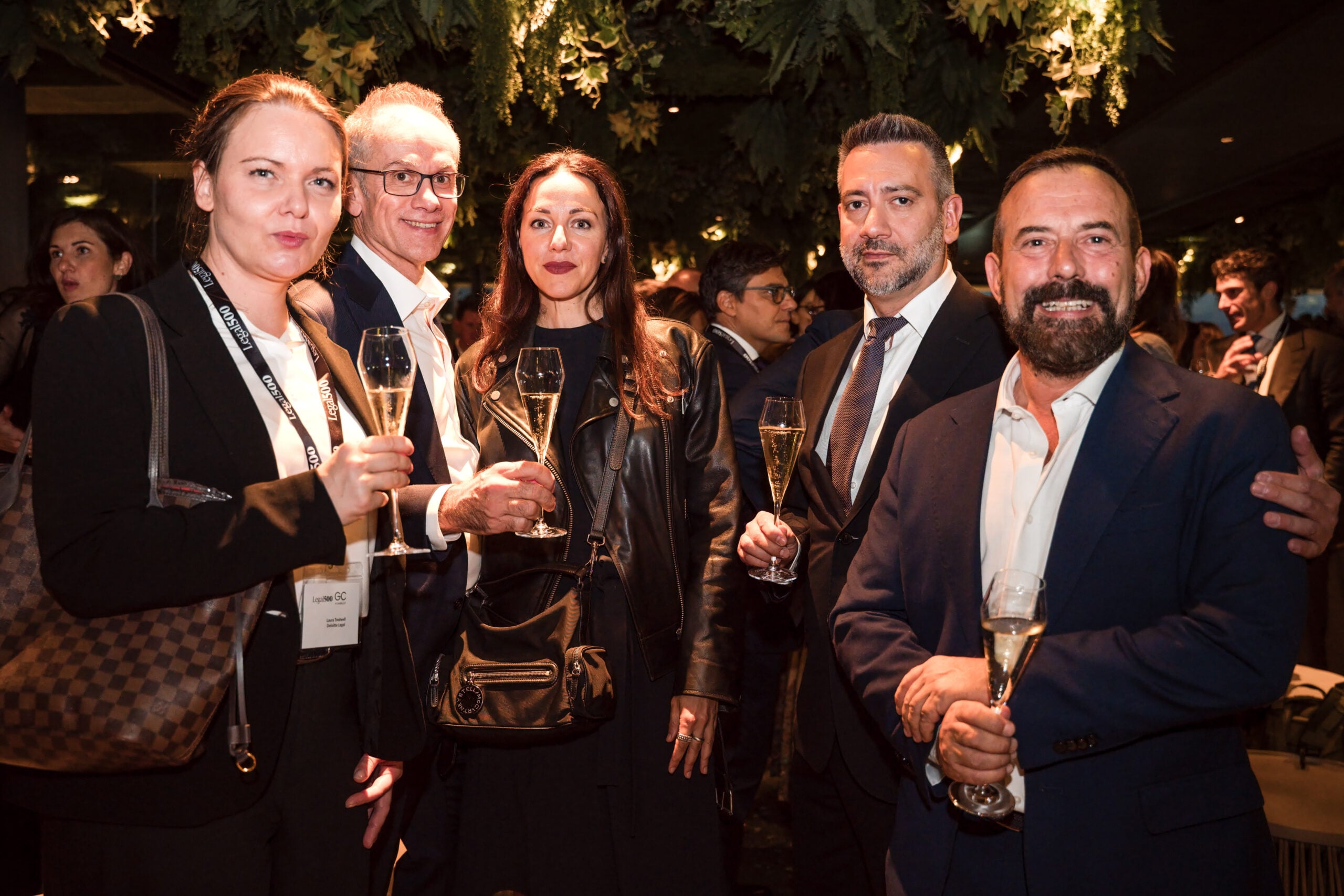
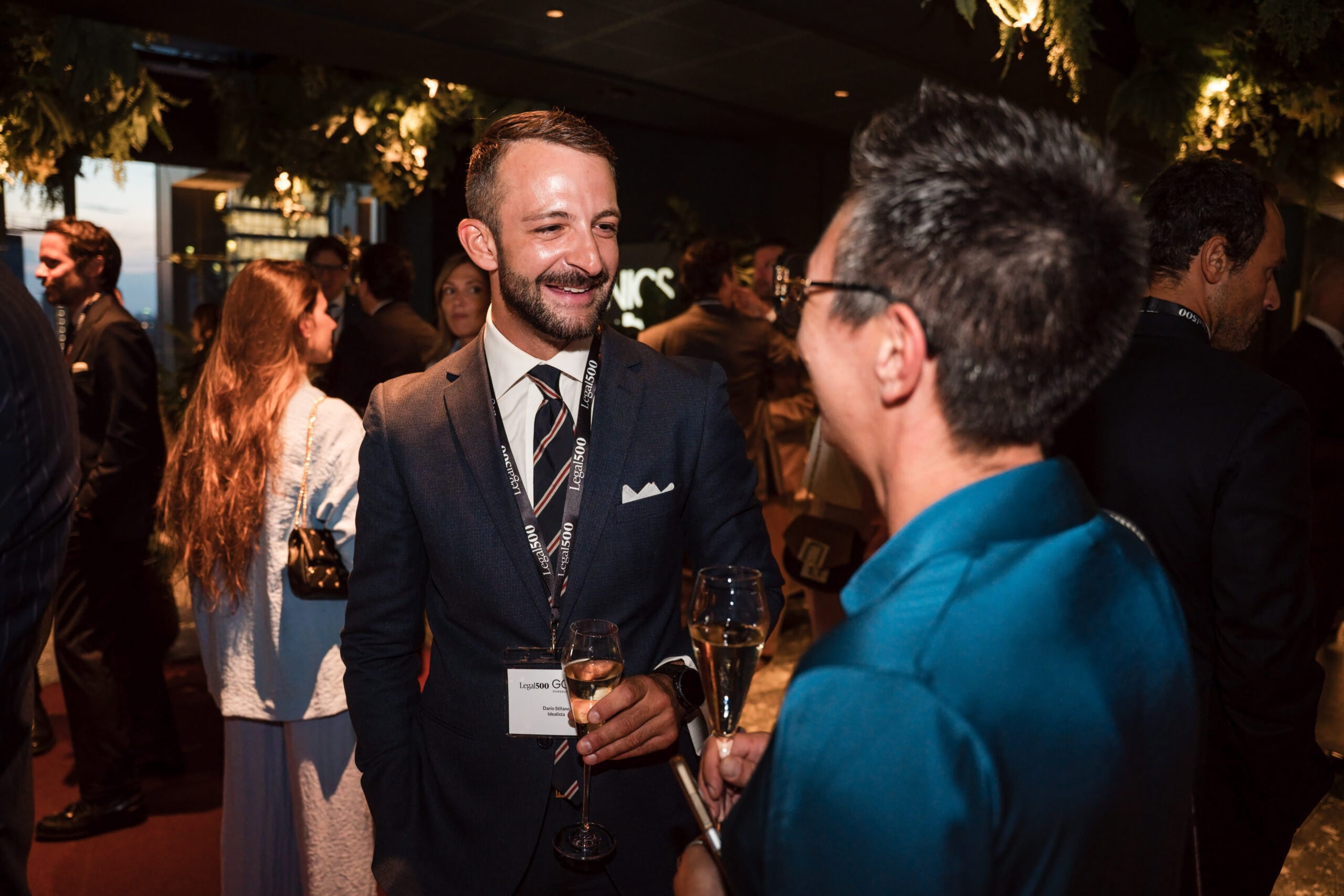
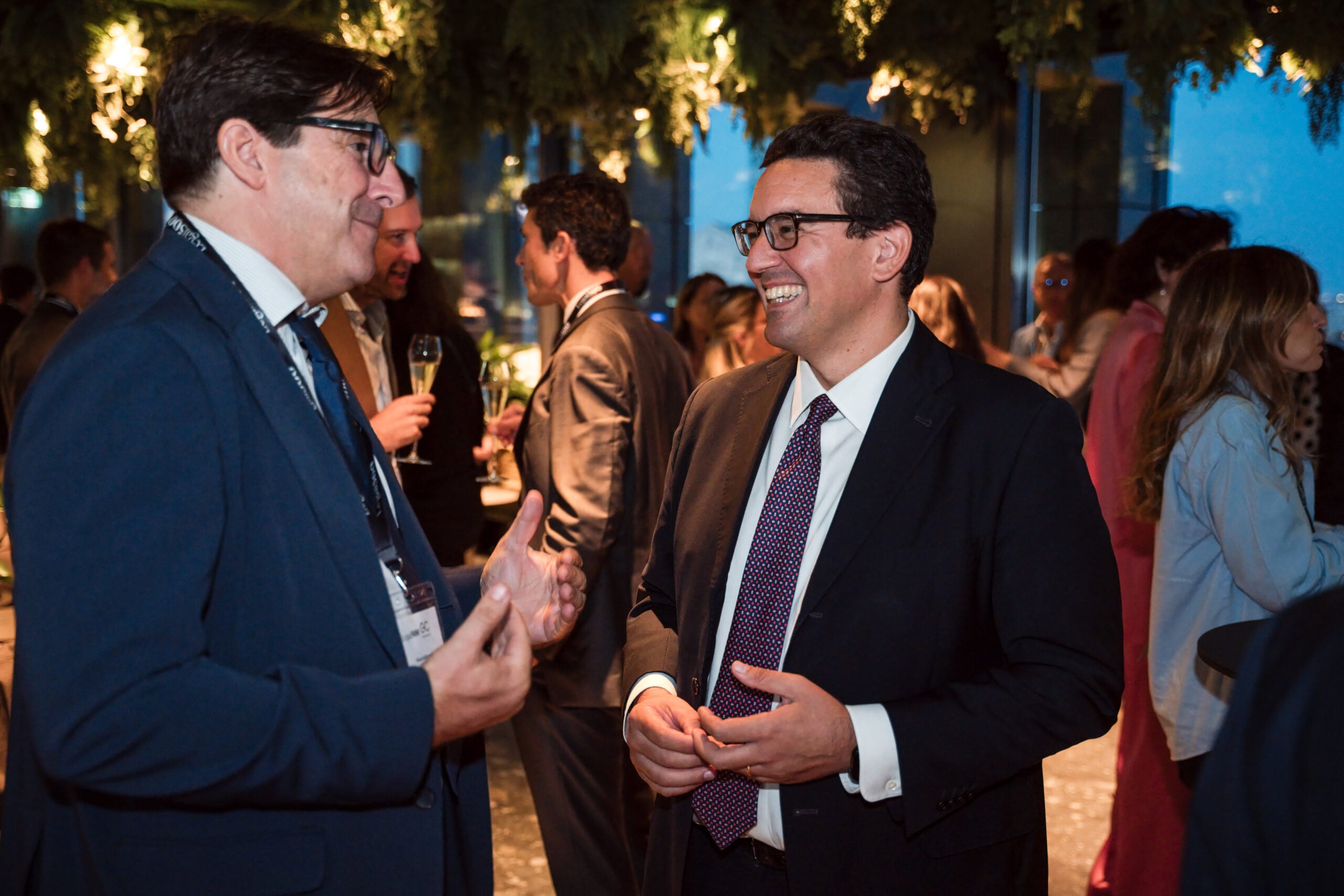
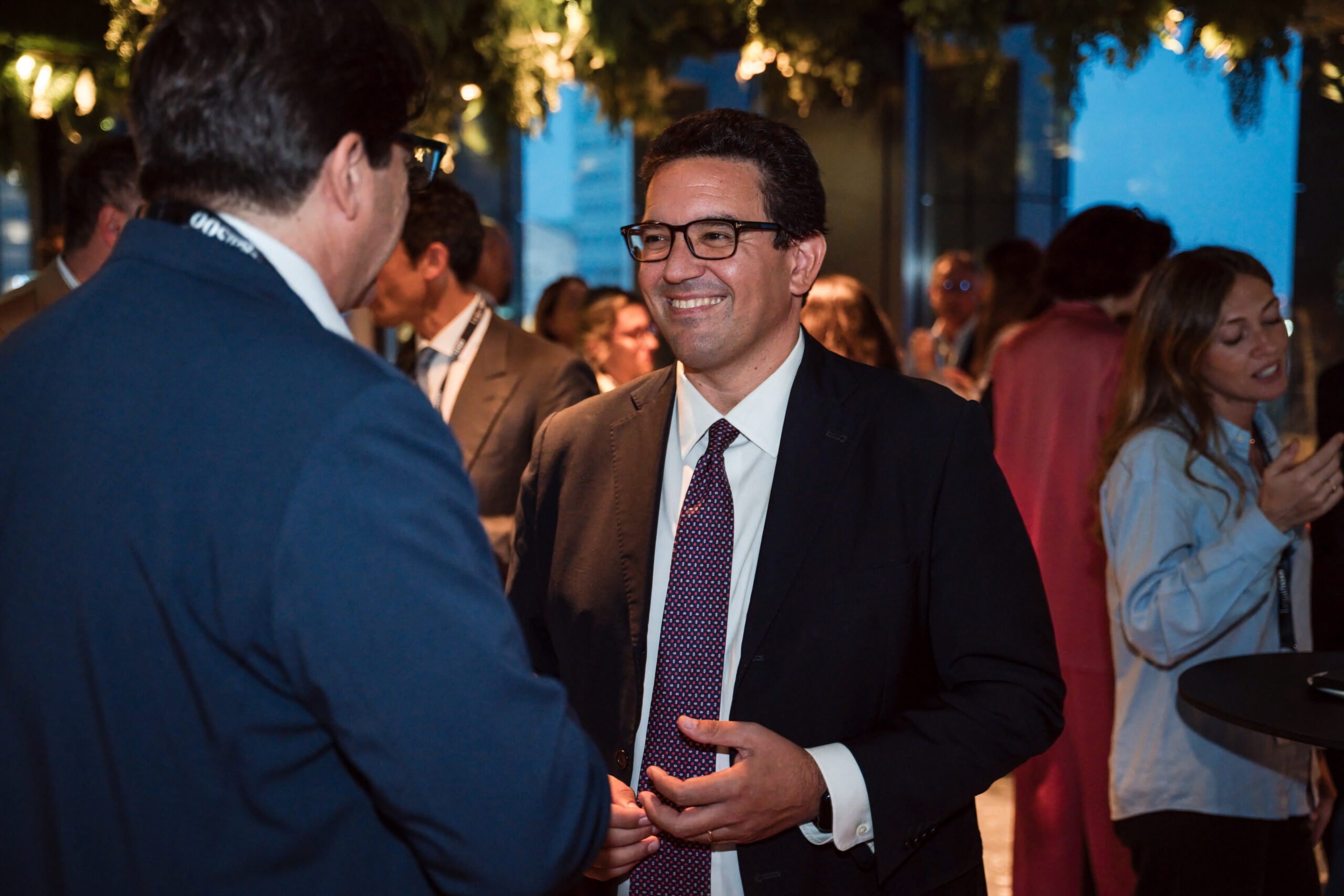
The Legal 500 GC Powerlist: Italy 2026 brought together some of the country’s most distinguished general counsel and senior in-house legal professionals for an evening of celebration, recognition and networking in Milan.
Held on 24 September 2026 at the Organics SkyGarden Rooftop at Hyatt Centric Milan Centrale, the event provided a fitting setting in which to recognise the outstanding achievements of the lawyers featured in this year’s GC Powerlist: Italy.
The evening celebrated an exceptional and diverse group of in-house leaders representing companies across a broad range of sectors, including financial services, energy and utilities, technology, healthcare, consumer products, luxury, manufacturing, transport and infrastructure, media and professional services. This breadth reflects both the diversity of Italy’s corporate landscape and the increasingly important role played by legal departments in organisations across the economy.
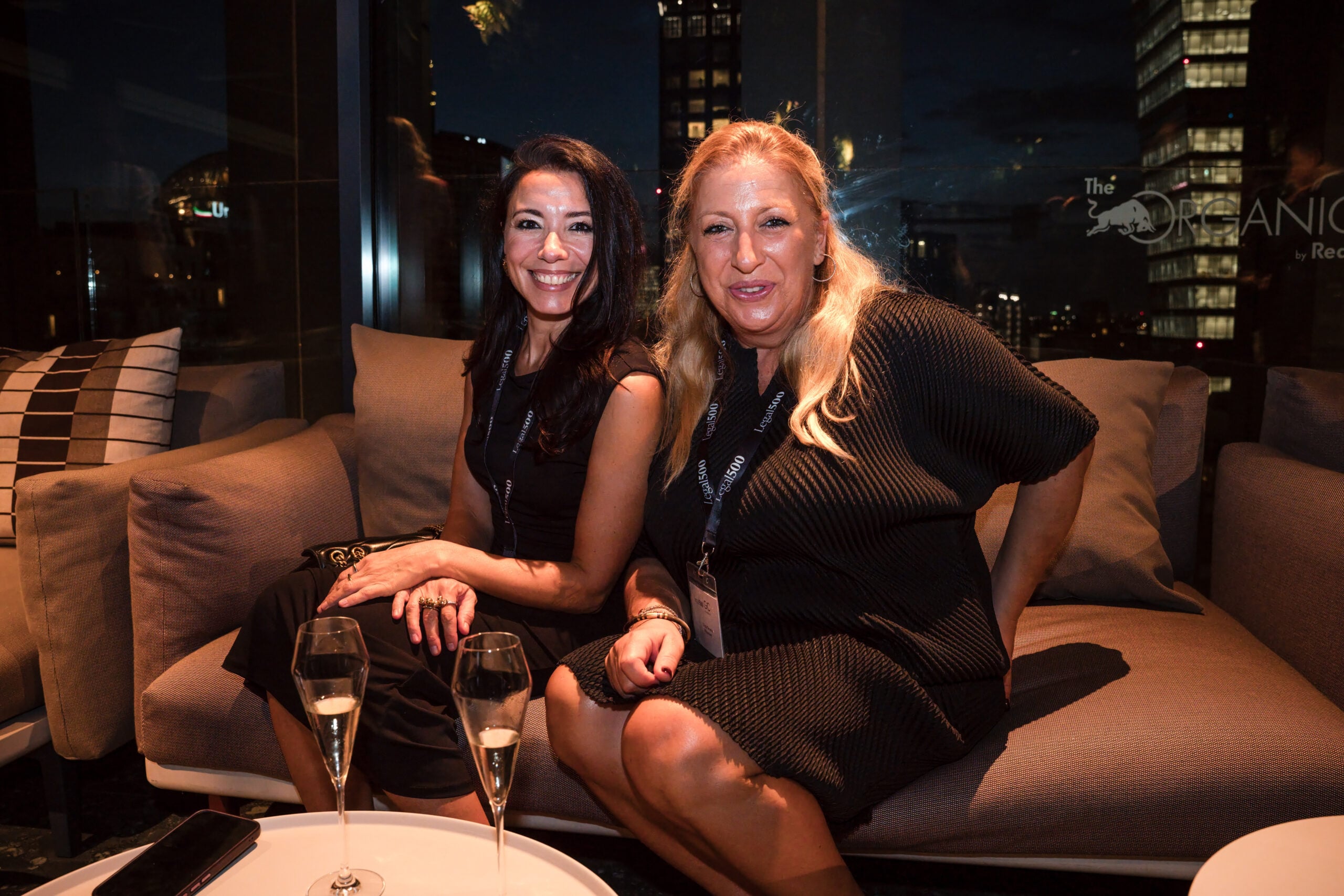
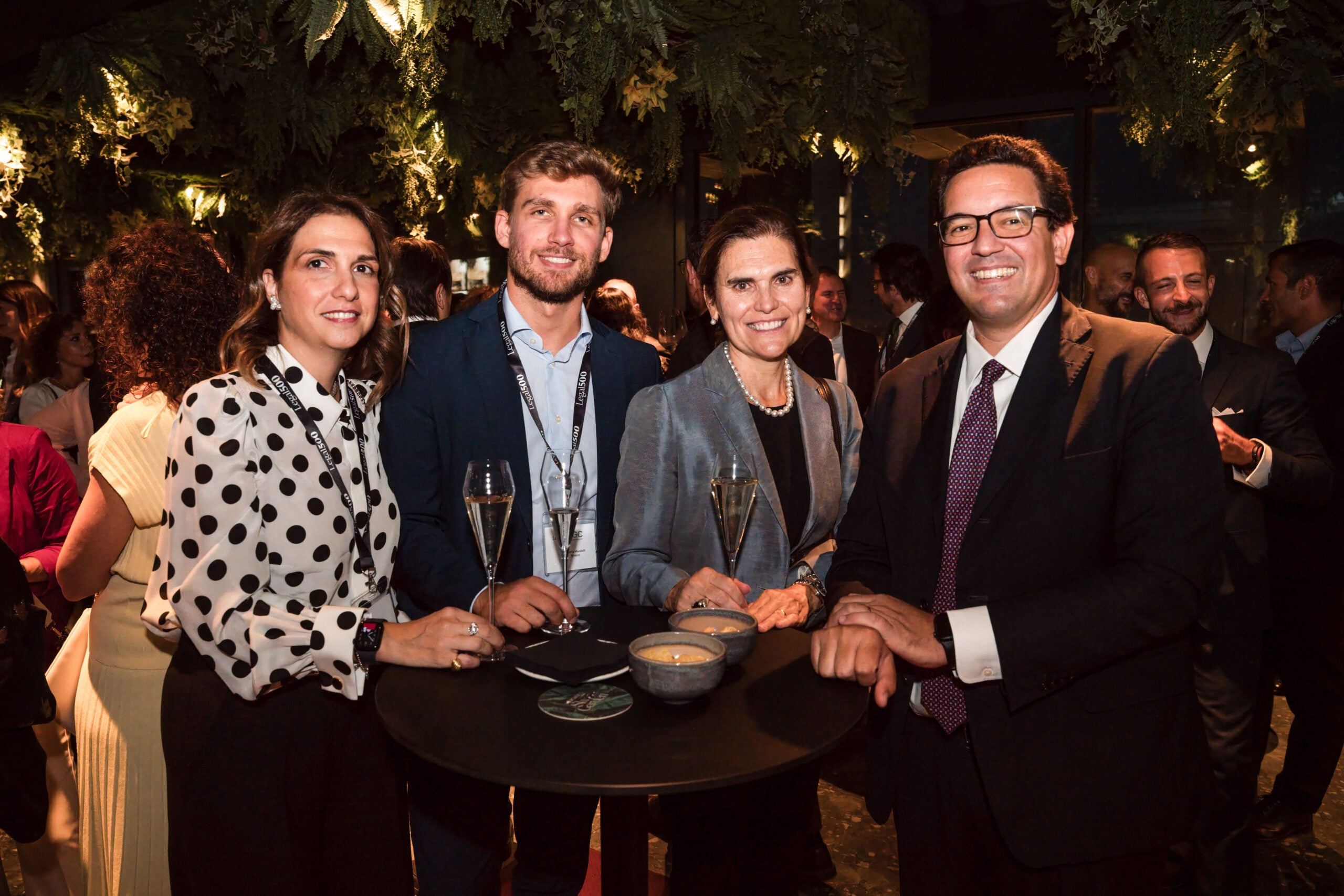
Guests had the opportunity to connect with fellow members of Italy’s in-house legal community, exchange perspectives and celebrate the achievements of this year’s Powerlisters. The strong representation of senior legal professionals from across sectors also reinforced the value of the GC Powerlist as a platform for building relationships and encouraging dialogue within the Italian in-house community.
This year’s research highlighted the continued evolution of the general counsel role. Against a backdrop of increasing regulatory complexity, geopolitical uncertainty, technological innovation and changing business priorities, in-house lawyers are being called upon to contribute well beyond traditional legal advisory work. Artificial intelligence and digital transformation are also reshaping legal departments, creating opportunities for greater efficiency while introducing new questions around governance, implementation and risk.
Throughout the evening, there was a clear sense of the strategic importance that legal teams now hold within their organisations. The professionals recognised in the 2026 Powerlist demonstrate how modern in-house counsel combine technical expertise with commercial awareness, leadership and an ability to anticipate and respond to rapidly evolving business challenges.
The reception also provided an important opportunity to recognise the teams behind these achievements. As highlighted throughout the research for this year’s publication, many of Italy’s leading general counsel place collaboration, talent development and knowledge-sharing at the centre of building effective legal functions.
The Legal 500 would like to congratulate everyone recognised in the GC Powerlist: Italy 2026 and thank all those who contributed to the research and joined us in Milan for a memorable evening.