
Head of Legal, India | ArcelorMittal


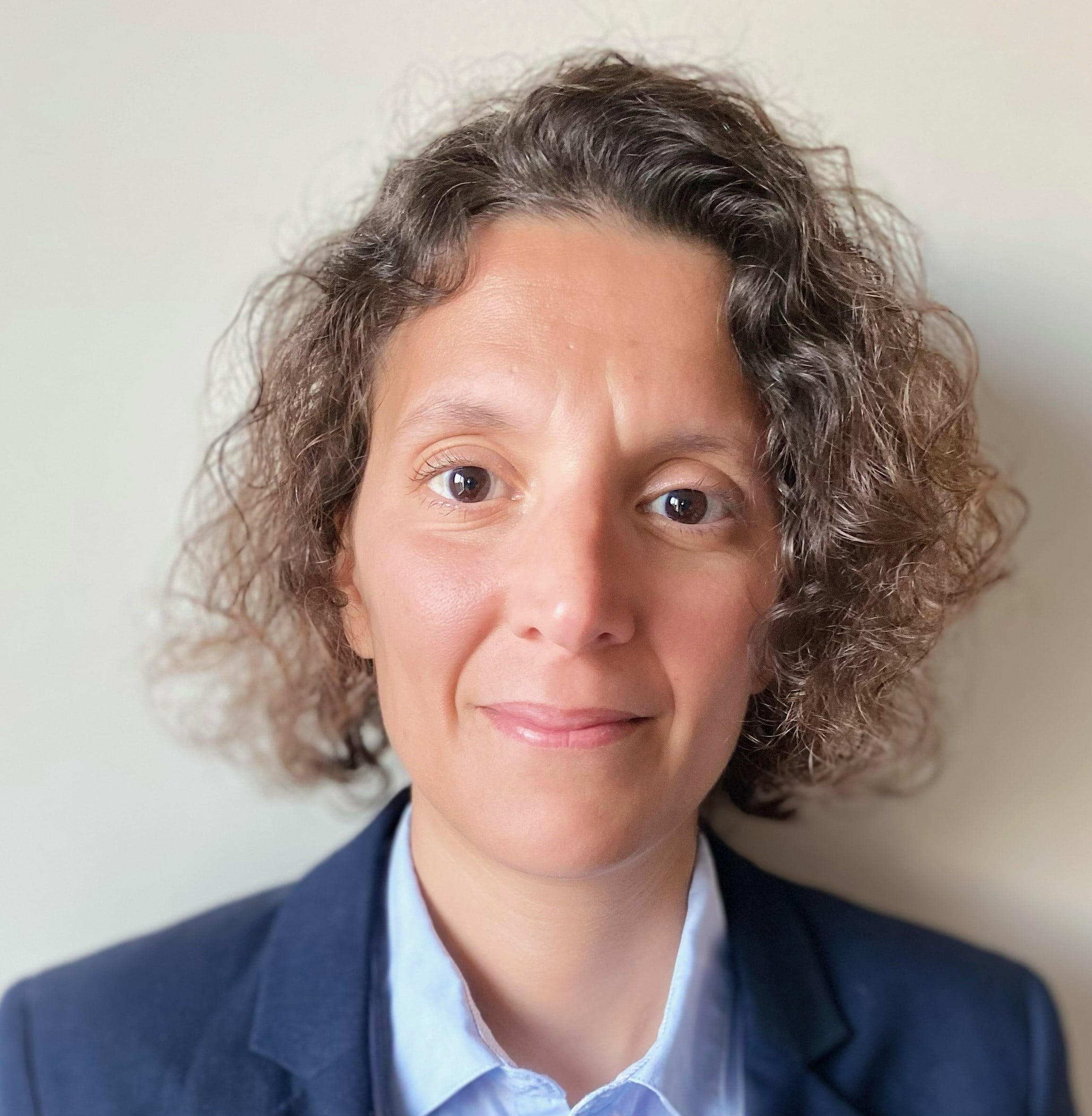
Heena Singh
Head of Legal, India | ArcelorMittal
Career Biography
Heena Singh serves as the head of legal at ArcelorMittal India, where she leads the legal, compliance and secretarial function. She brings over 18 years of experience in navigating corporate and commercial legal frameworks and her expertise spans over cross-border commercial arrangements, strategic contracting, governance and complex stake holder negotiations.
Before joining ArcelorMittal, Heena worked with top-tier law firms in India, where she advised multinational clients on transactions, regulatory strategy and risk management. Her law firm career is marked by marquee deals, successful resolution of multi-jurisdictional disputes and advisory roles on some of the most challenging operational, contractual and compliance issues faced by large enterprises.
Heena has also build and mentored high performance legal teams, modernised contracts and risk management frameworks. She is recognised for her clarity, calm decision making and ability to align complex legal considerations with business priorities.
What are the most significant cases, projects and/or transactions that you and/or your legal team have recently been involved in?
Over the past year, my team has played a critical role in strengthening company’s governance, supporting strategic growth and mitigating risk.
In the past year, the team has been involved in several high impact transactions that have contributed meaningfully to the organisation’s growth and risk management strategy. Each of these transactions demanded strategic thinking, stakeholder collaboration and deep legal commercial understanding.
How do you approach managing legal aspects during periods of instability or crisis to ensure the organisation’s resilience?
In a crisis, my primary focus is to steady the organisation by injecting clarity, discipline and enabling a calm decision-making process. To achieve this, it is important that a clear and centralised communication is established across all functions. Once the stability returns, it is equally important to implement the learnings to establish stronger governance structures.
Global head of competition law and general counsel, France
ArcelorMittal
View Powerlist

Global Head of Competition Law & General Counsel France
ArcelorMittal
View Powerlist
Global head of competition law and general counsel, France
ArcelorMittal
View Powerlist
Global Head of Competition Law & General Counsel France
ArcelorMittal
View Powerlist