
Executive Vice- President, Chief Legal and Compliance Officer | Millicom International


Salvador Escalón
Executive Vice- President, Chief Legal and Compliance Officer | Millicom International
What are the most significant cases, projects or transactions that you and/or your legal team have recently been involved in?
Our most significant projects include the acquisition of Coltel, a joint venture between Telefonica and the Republic of Colombia.
We also acquired Telefonica’s operations in Ecuador and Uruguay, and we sold our telecommunications towers in Central America to SBA Towers for a price of US$1bn.
Another very significant matter is a recent resolution of a DOJ FCPA investigation concerning Comcel, our subsidiary in Guatemala. This was a major investigation that lasted for several years and is the first corporate FCPA resolution under the Trump administration. The DOJ noted the strength of our compliance program and tremendous level of cooperation in giving us the latest discount on a fine ever in this type of resolution.
How do you approach managing legal aspects during periods of instability or crisis to ensure the organisation’s resilience?
Crises are common when working as an internal lawyer in a dynamic industry and markets. It is critical to have strong communications and close working relationships, such that one is brought into these situations very early. Early involvement allows for cohesive planning, consideration of all variables and proper governance. These are all key for successfully navigating and avoiding exacerbating an already risky situation.
Have you had any experiences during your career as a lawyer that stand out as particularly unique or interesting?
I have been fortunate to have a wide variety of interesting experiences, including transformative multi-billion-dollar acquisitions, a takeover of the company in the public markets, going public in the US, and major litigation and regulatory investigations. One of the most interesting matters I worked on was when a Tanzanian oligarch used corruption in the judiciary to attempt to take ownership of our US$600mn subsidiary in the country, overcoming the matter involved a combination of legal strategy, political manoeuvring, and tough negotiation.
What factors influence your team’s decision to use external legal services versus handling matters in-house, and what criteria are used to evaluate their performance?
As a rule, I try to have most matters managed in-house. The in-house team knows the business well and can be more responsive, as well as more efficient, in performing work. To manage cost, I move much legal work to our operations in Latin America, where we have strong talent that operates on a cost-effective basis. I also maintain a team in the US that specialises in issues such as M&A and Treasury where a US legal background and substantial experience are important qualifications.
I seek to ensure that all our core business is supported in-house, using law firms for major litigation or transactions, where the “firepower” of a large firm is necessary. For law firms, the key criterion is true partnership, where the firm will find practical and efficient solutions to legal issues and help us identify the issues that are truly important to us.
Chief Legal and Compliance Officer | Millicom International
Chief legal and compliance officer | Millicom (Tigo)
Salvador Escalón has been leading Millicom’s legal team for over a decade. He also leads Millicom’s ethics and compliance team and has previously led Millicom’s human resources and external affairs...
Executive vice president and chief legal and compliance officer | Millicom
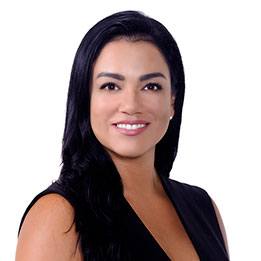
Vice president, general counsel corporate and global chief privacy officer
Millicom
View Powerlist



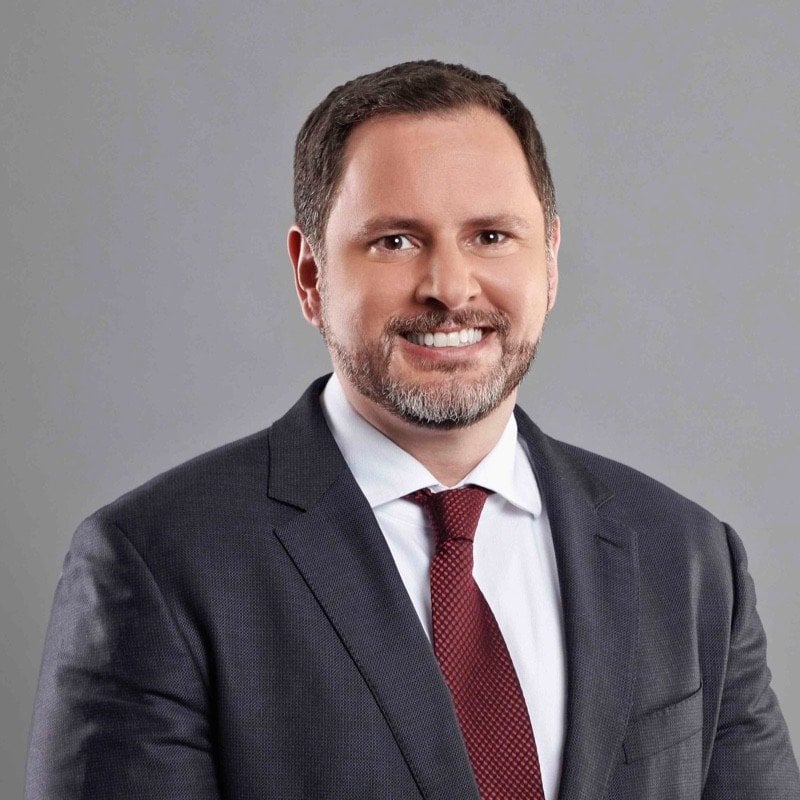
Executive vice president and chief legal and compliance officer
Millicom
View Powerlist
Vice president, general counsel corporate and global chief privacy officer
Millicom
View Powerlist