Ireland 2025
Supported by the Association of Corporate Counsel









General Counsel and Director of Legal Services | The Commission for Communications Regulation (ComReg)


Associate General Counsel | Spencer Stuart International Ireland Ltd







Ireland Site Lead, International Corporate Director & Assistant General Counsel | Squarespace

Group General Counsel and Company Secretary | Greencore Group plc









Director & Associate General Counsel - Global Corporate | Meta Platforms Ireland Limited















General Counsel | Competitive Capabilities International (CCI)

Head of Product, EU Funds Legal and Deputy Head of the EU Legal Funds Group | Franklin Templeton

General Counsel and Company Secretary | AmTrust International Underwriters DAC




Associate General Counsel and Data Protection/Privacy Officer | Shopify



Head of Legal Ireland, Large Corporates & Institutions (LC&I) | Danske Bank











Associate General Counsel and Head of Asset Servicing EMEA | Northern Trust Corporation
General Counsel and Chief Risk Officer | Deloitte





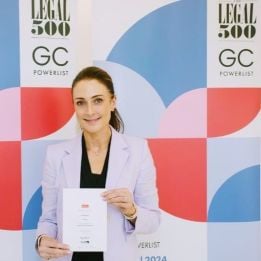







Head of Legal, Wealth & Insurance Legal Practice Head | New Ireland Assurance Company plc; Bank of Ireland Group

VP, Associate General Counsel and Head of Data Protection | Meta Platforms Ireland
Legal Director | DePuy Ireland UC (part of the Johnson & Johnson group)
Deputy general counsel M&A, VP Development | Cement Roadstone Holding
Group Chief Legal & Regulatory Officer and Company Secretary | Ryanair
Senior Corporate Counsel and Head of Irish Product, Legal | Franklin Templeton

General Counsel and Company Secretary | Grafton Group plc
Legal 500 is honoured to announce the launch of the GC Powerlist Ireland: 2025, recognising a stellar cohort of leading in-house counsel in the region.
The role of in-house counsel is becoming ever more critical in today’s fast-paced and rapidly evolving market. ‘A modern in-house counsel plays a far more strategic and integrated role in a company than in the past’, notes John McEvoy, Executive Chairman at Duality Healthcare and SVP, Chief Legal Officer at Poolbeg Pharma Plc.
More often than not, in-house counsel are expected to act as key business partners, rather than just legal advisors. ‘This involves becoming truly embedded in the organisation, gaining a deep understanding of its strategy, objectives, industry landscape, and risk appetite’, says Elizabeth Davis, General Counsel at PwC. It is with this level of involvement that in-house teams are uniquely positioned to provide balanced advice that both protects business interests while enabling growth.
But playing such an integral role requires the ability to adapt and stay ahead of business developments. As Richard Whelehan, Head of Legal – Funds at Abbey Capital Limited, highlights, the ‘ability to embrace change and react in an ever-changing business environment’ is fundamental to success in the role. Miriam Nagle, Group General Counsel at AIB, agrees: ‘agility is more important than ever now, given the rapid pace of change on all fronts, including in the AI space.’
AI, in particular, remains at the forefront of the in-house counsel’s mind. ‘Over the past year, the most significant trend in the legal and business world is obviously the rapid proliferation of the deployment of artificial intelligence,’ observes Eleanor Daly, Director & Associate General Counsel – Global Corporate at Meta Platforms Ireland Limited. And, as Ciara Sharkey, Legal Director at Irish Distillers Pernod Ricard, argues: ‘with the emergence of AI, the role of in-house lawyers will continue to evolve further and at a fast pace’. Agility is, therefore, not just desirable, but also essential.
But as Marlene Connolly, General Counsel at Trinity Biotech plc, rightly points out: ‘a truly impactful GC is agile and principled… able to adapt to shifting environments without compromising integrity’. Balancing these qualities is essential when providing both risk-averse and strategic business advice, especially when navigating the complexities of AI. After all, as Daly reminds us, ‘the true benefits of AI are only realised when legal departments have robust, structured data sources and well-defined processes in place’.
AI has the potential to streamline operations and improve efficiency, especially in an era where ‘businesses continually push their legal teams to do more with less’, as Stephen Hurley, Director and Associate General Counsel at Meta, emphasises. However, in-house counsel must ensure the foundations are in place before introducing AI tools into
their teams: ‘AI tools are only as effective as the data they are fed and the processes they are designed to enhance’, cautions Daly.
So, ‘an in-house counsel wears many hats’, says Mairead McShea, Senior Legal Counsel at Perrigo Company PLC. It is a role that is becoming increasingly multi-faceted, in step with the constantly developing business world.
With that in mind, I would like to congratulate everyone included in this year’s edition of the Powerlist and extend my thanks to all who took part in the research process.

We are honoured to host the GC Powerlist 2025, an esteemed recognition of the outstanding in-house legal talent shaping the future of business. At Matheson, we believe that the role of the general counsel has never been more important. In today’s landscape, marked by shifting economic and geopolitical realities, rapid technological advancements, and increasingly complex regulatory environments, the demands on in-house counsel are greater than ever.
In-house legal teams are now key strategic partners, relied upon by boards and senior management for their expertise, insight, and guidance to drive sustained success for their businesses. Our experience working with international clients has shown us that the qualities that set the best GCs apart are their broad skill sets, deep industry knowledge, and commercial acumen – qualities that we see reflected in the individuals recognised in this year’s Powerlist.
At Matheson, we are privileged to collaborate closely with many in-house legal professionals across a multitude of sectors and to witness firsthand the calibre of leadership, innovation, and resilience they demonstrate. Supporting these leaders is a responsibility we treat seriously.
The 2025 edition of the Legal 500’s GC Powerlist continues to celebrate those in-house legal professionals who have demonstrated exceptional performance across diverse sectors and organisations. Inclusion in this list is a true testament to their dedication, skill, and tangible impact, and we are delighted to collaborate once again with the Legal 500 in celebrating its publication.
At Matheson, we are committed to fostering excellence, innovation, and leadership within the legal community. Our pioneering Digital Services Group—the first of its kind in Ireland—continues to grow and invest in people and technology, enabling us to deliver bespoke digital solutions that empower our clients to stay in control. Recognised as one of Europe’s Most Innovative Law Firms as of June 2025, we pride ourselves on our collaborative, multi-disciplinary teams that deliver tailored expertise across various fields. For instance, our ESG Advisory Group guides clients through the rapidly evolving sustainability landscape, while our Digital Economy Group remains at the forefront of technological innovation, ensuring clients’ digital needs are met with precision and foresight. In this highly skilled environment, clients increasingly turn to Matheson for our unique combination of expertise, collaboration, and forward-thinking solutions.
Congratulations to all the honourees and we look forward to supporting your continued success in the future.
Thank you.
Michael Jackson
Managing Partner
Matheson LLP
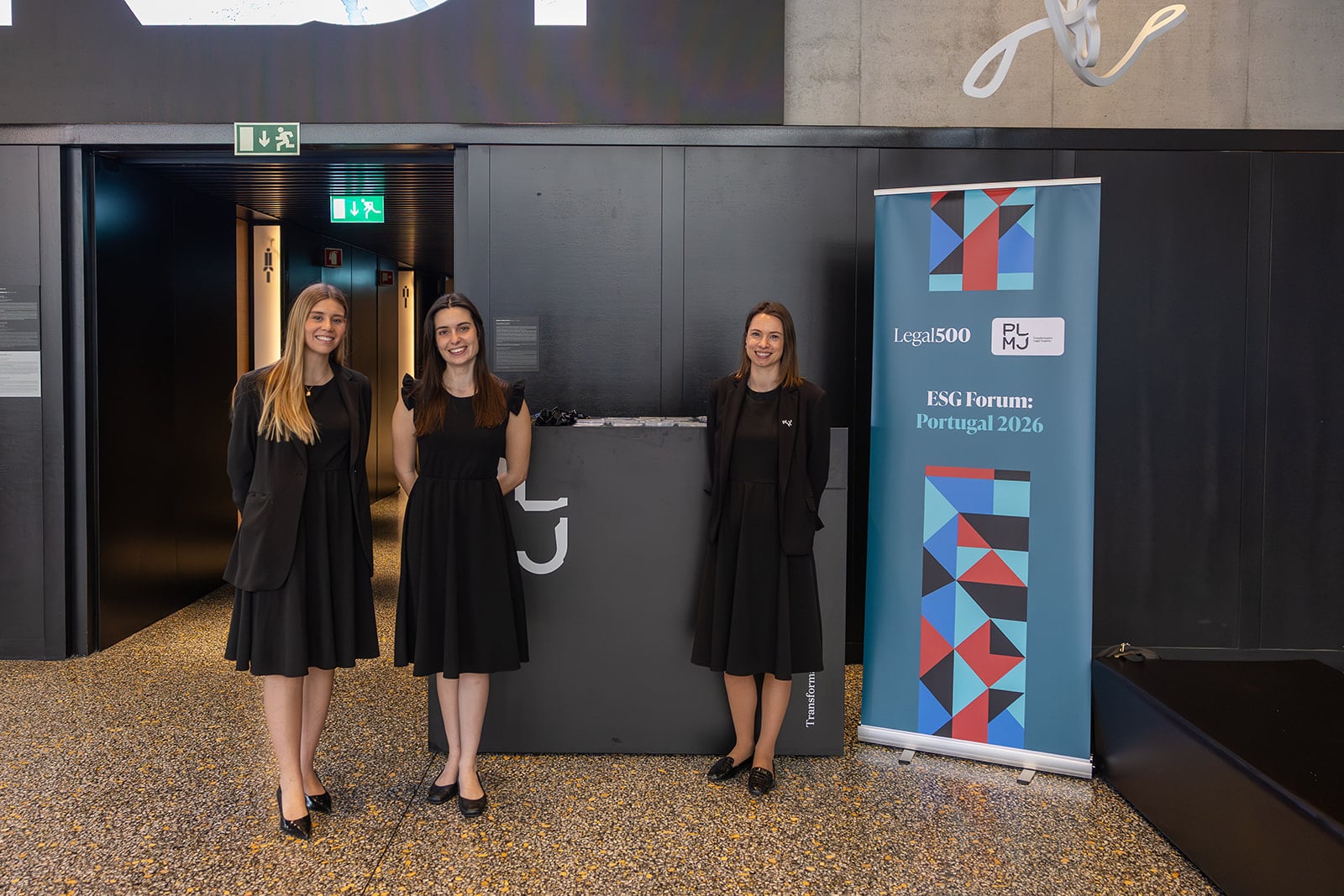
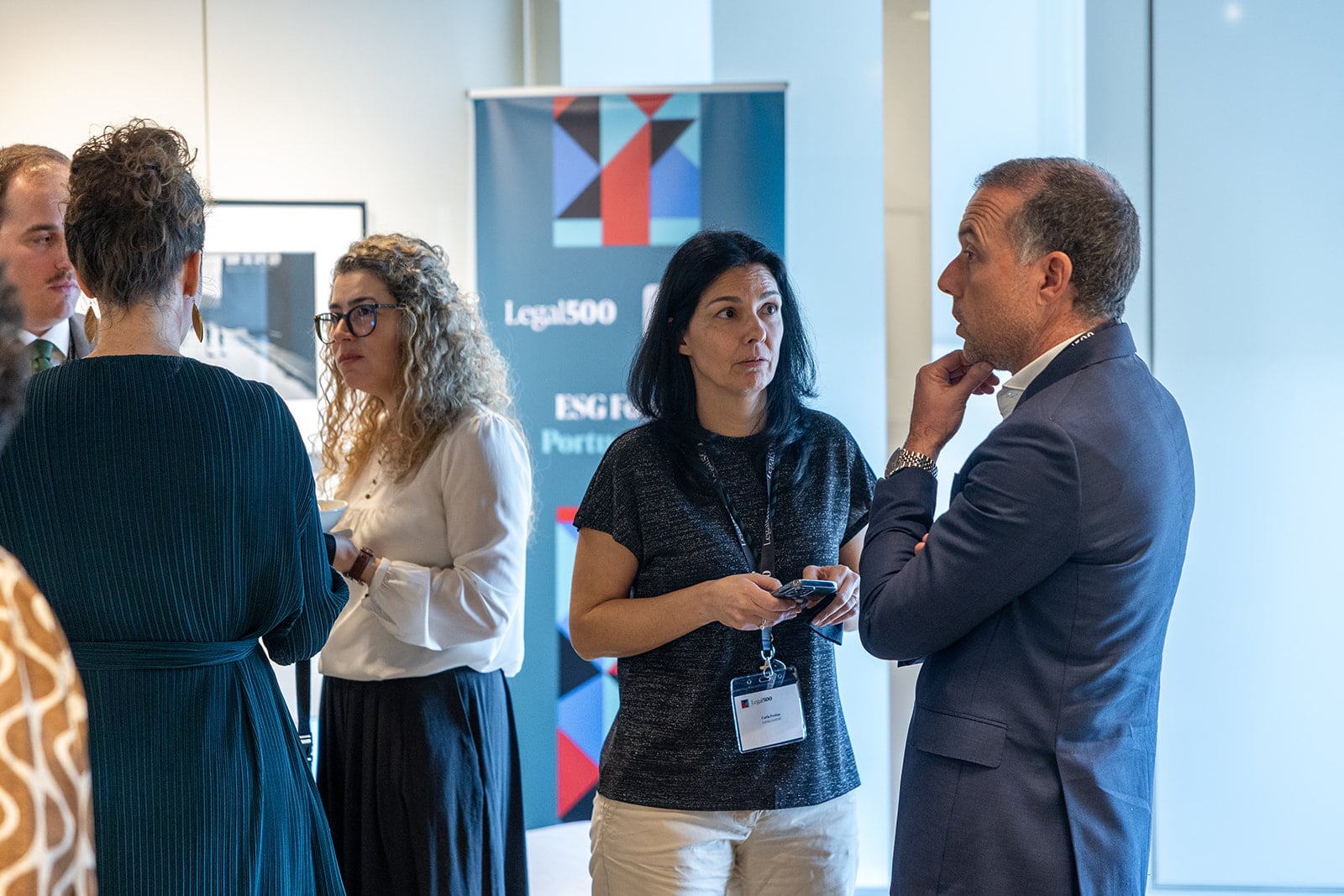
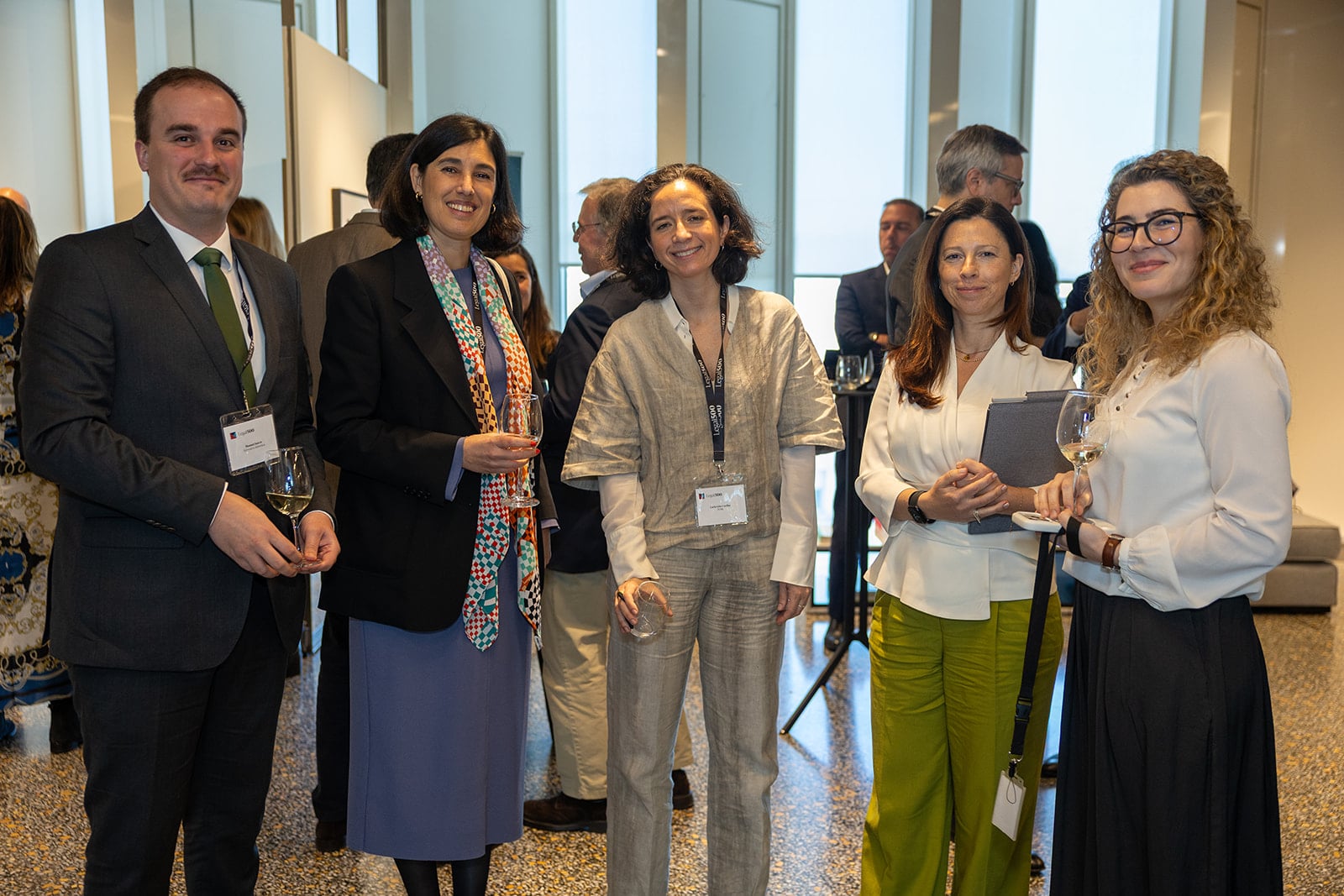
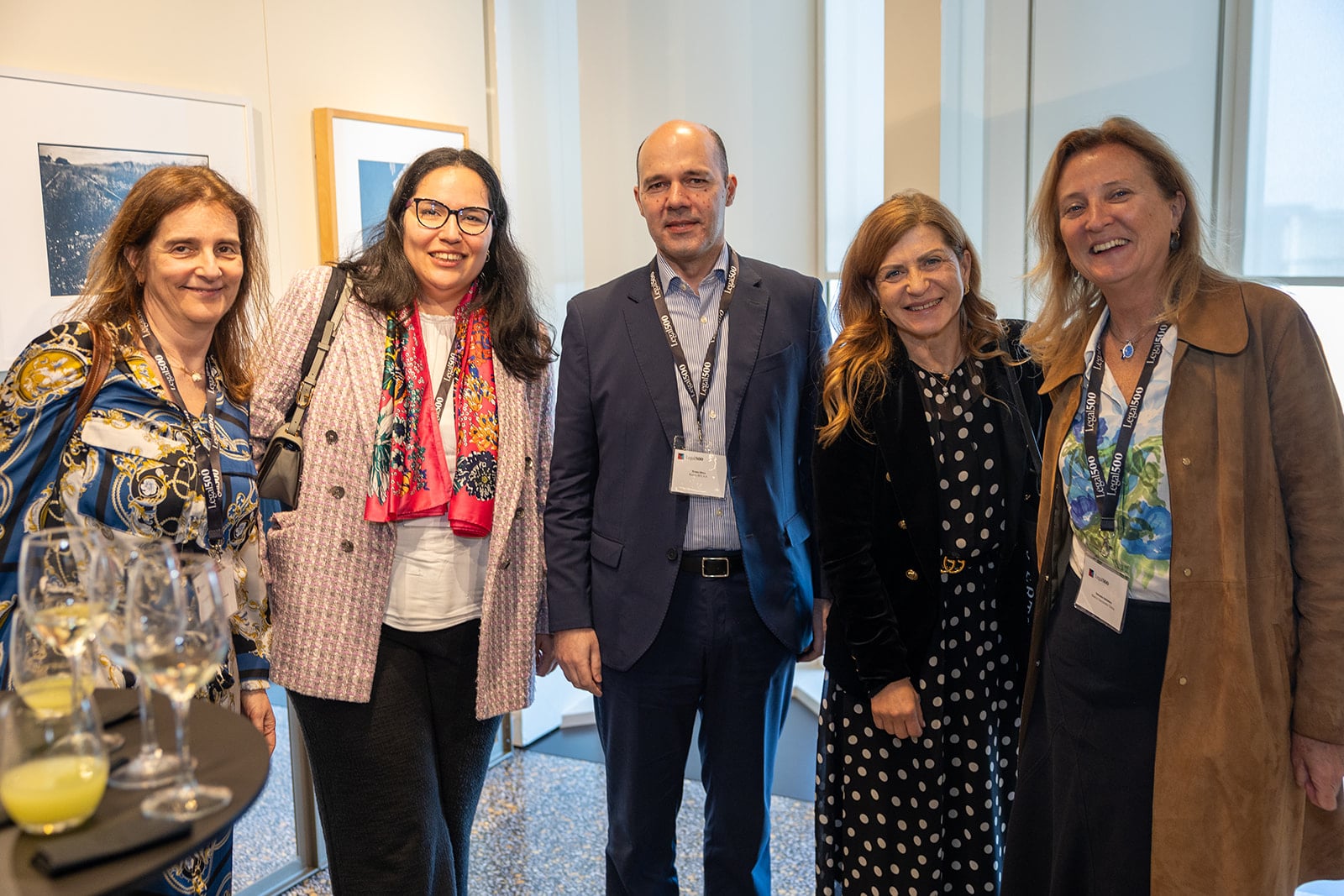
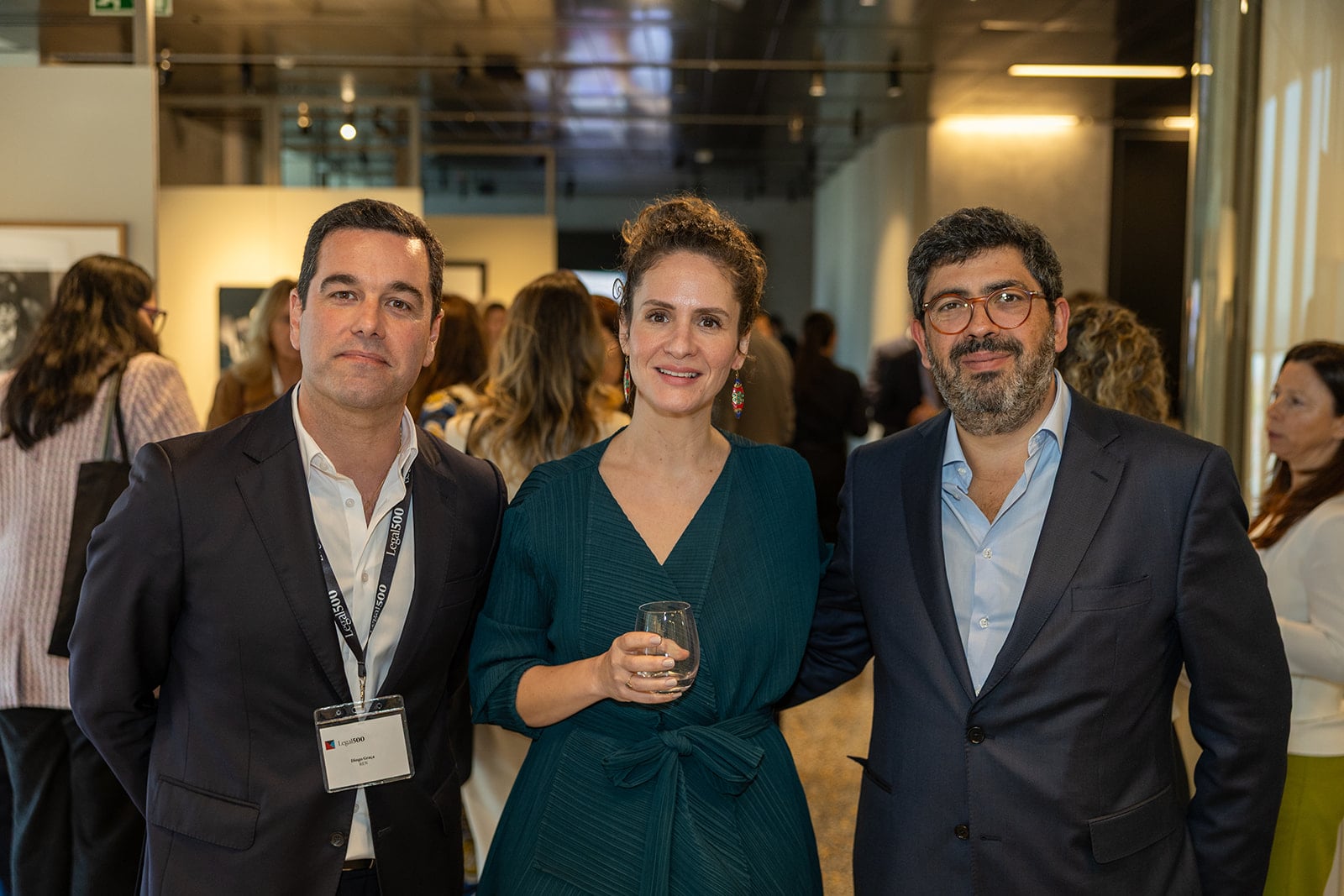
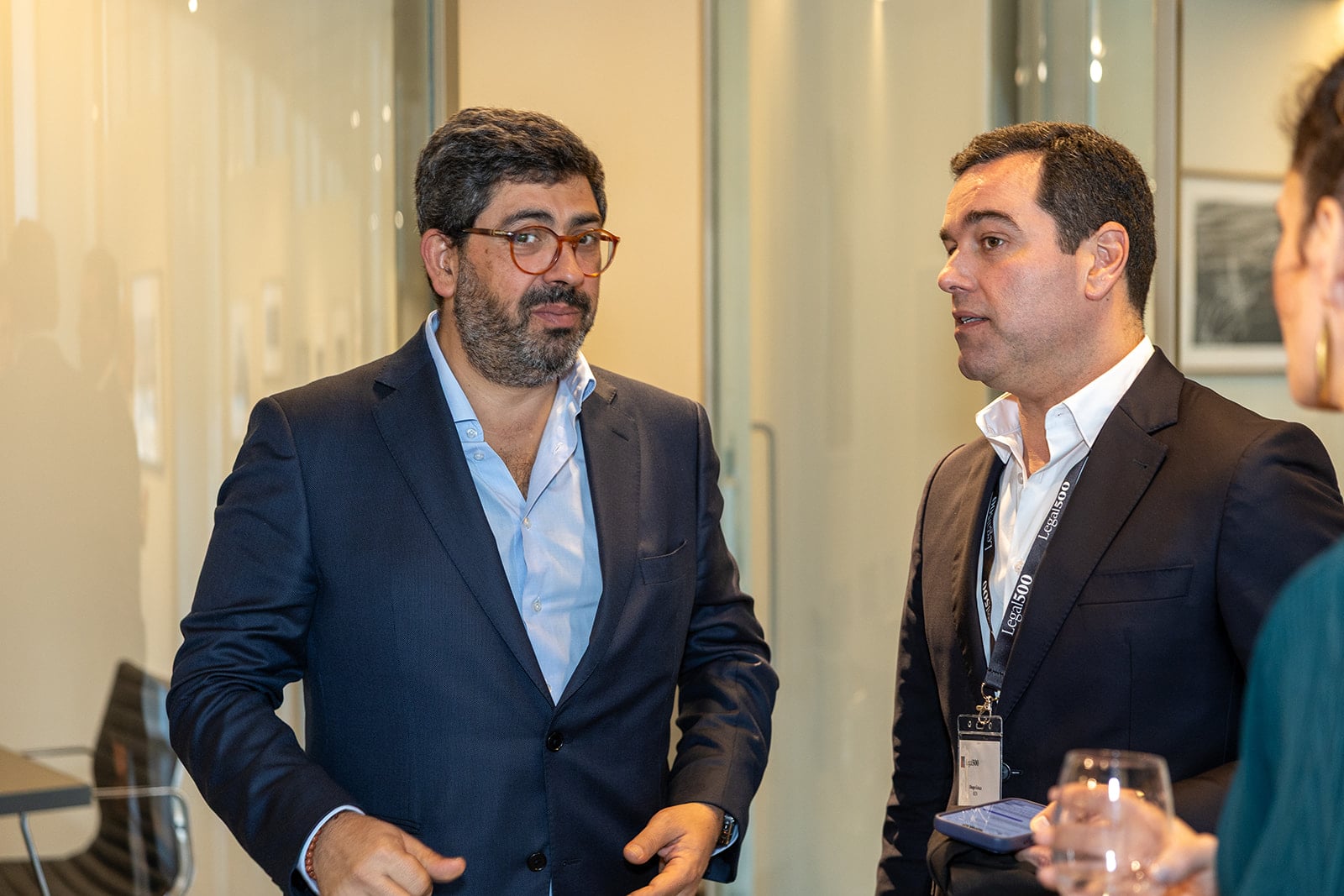
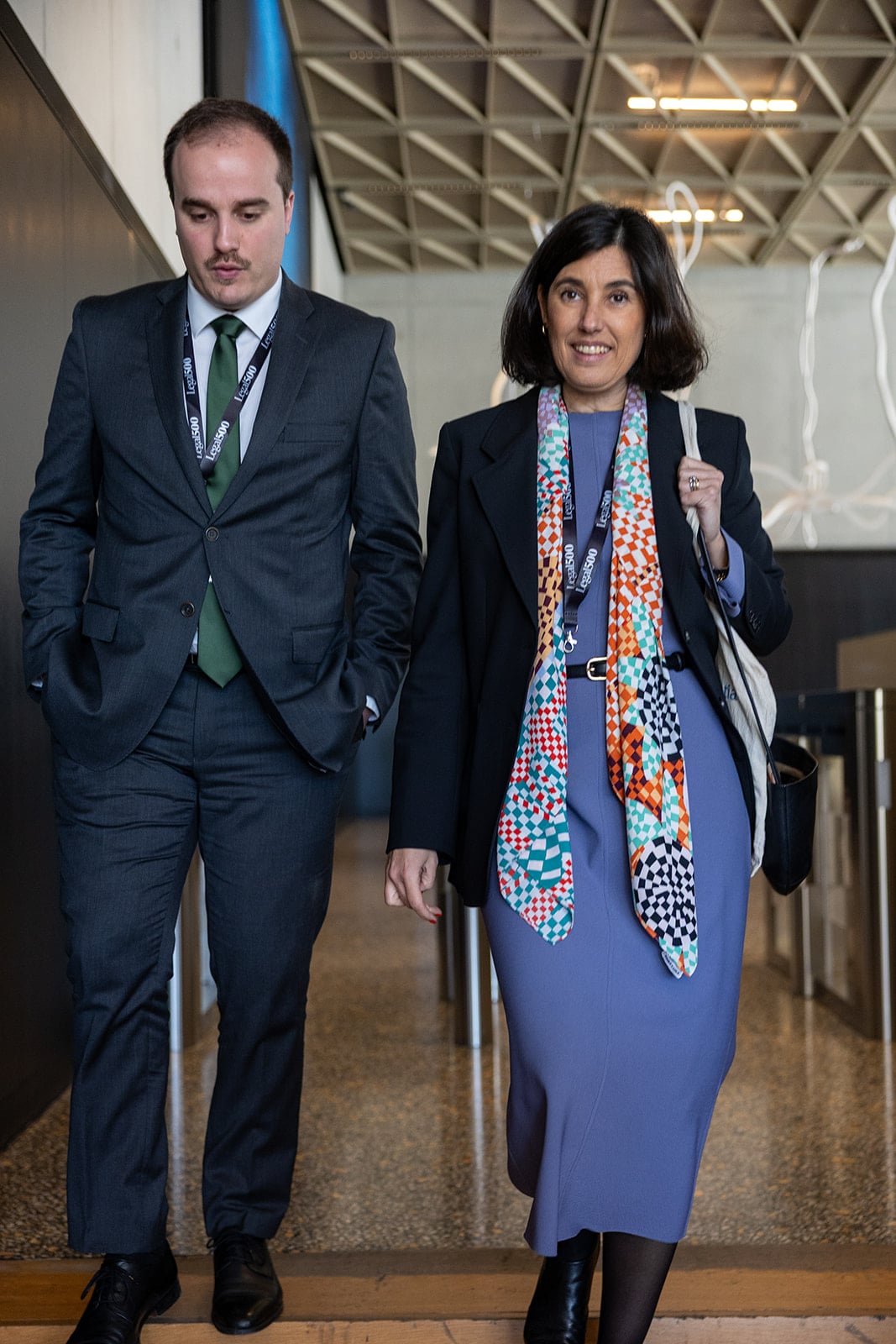
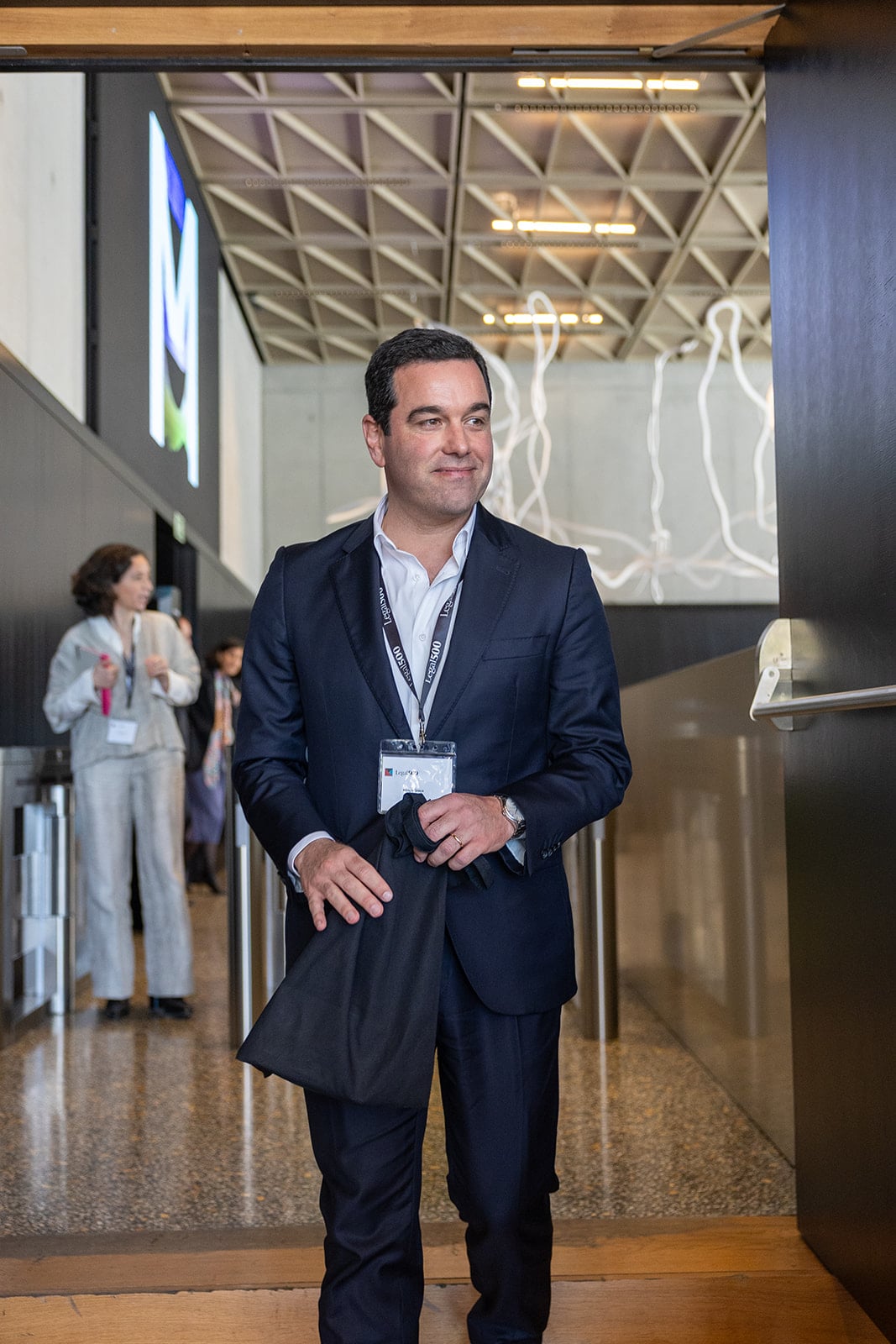
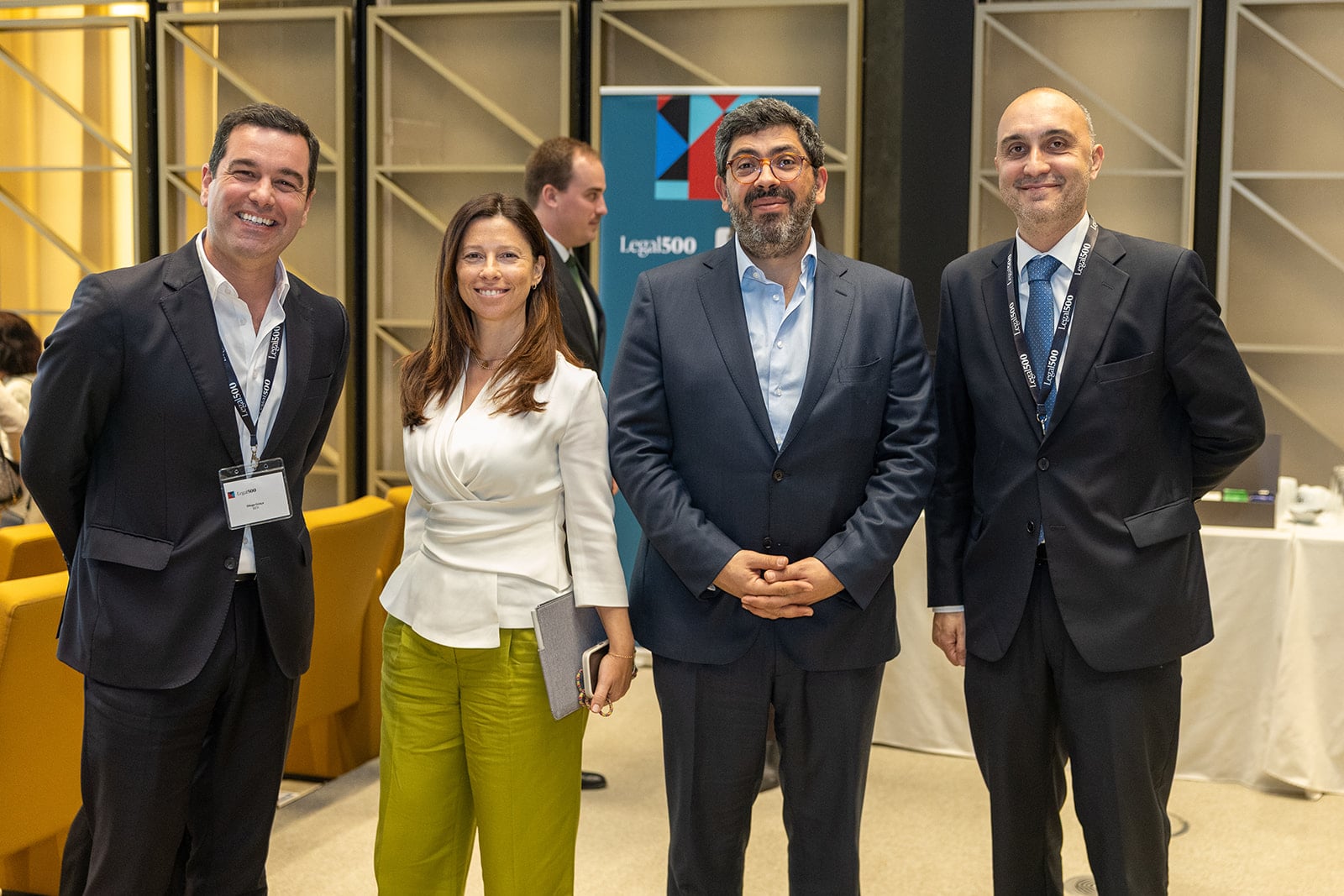
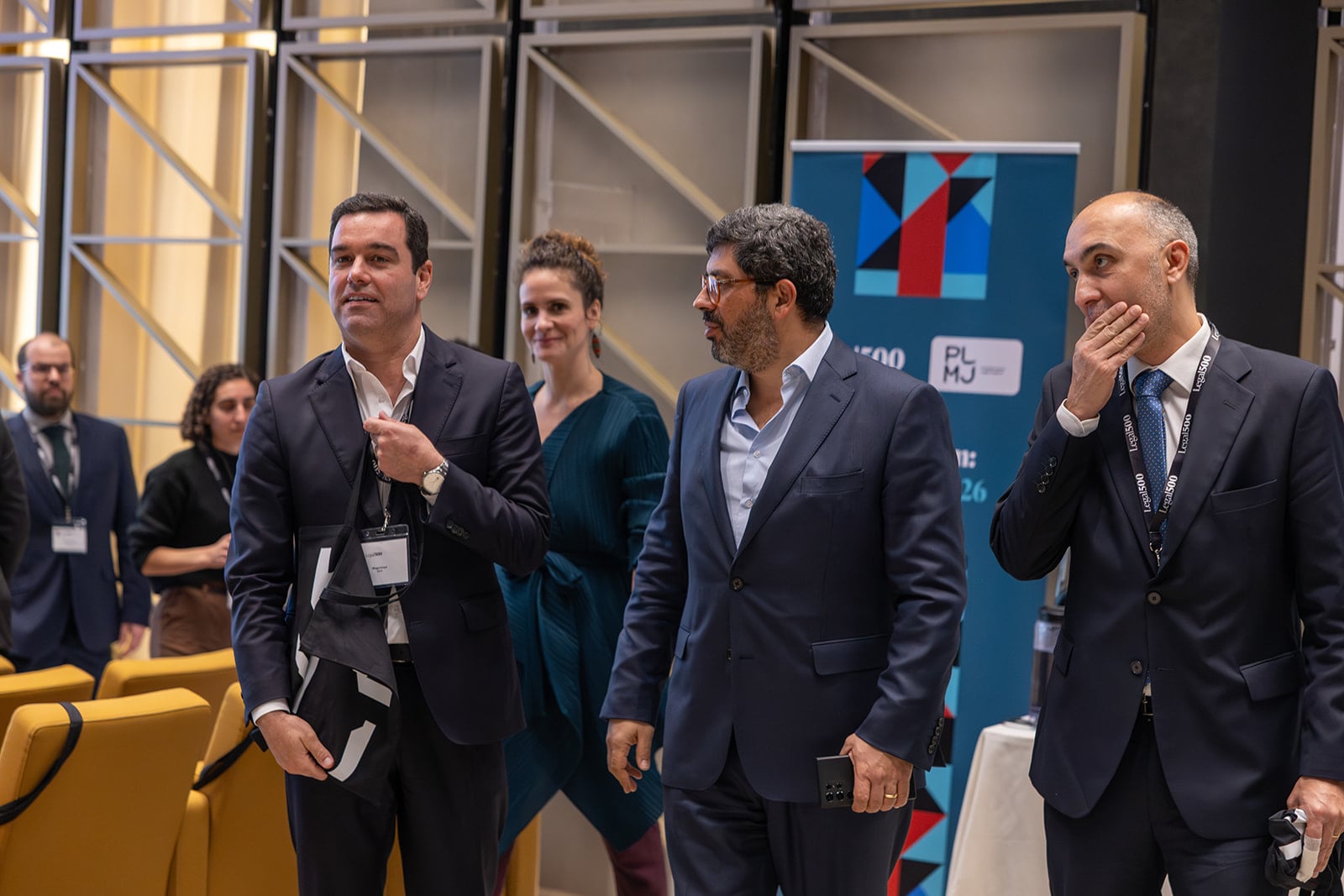
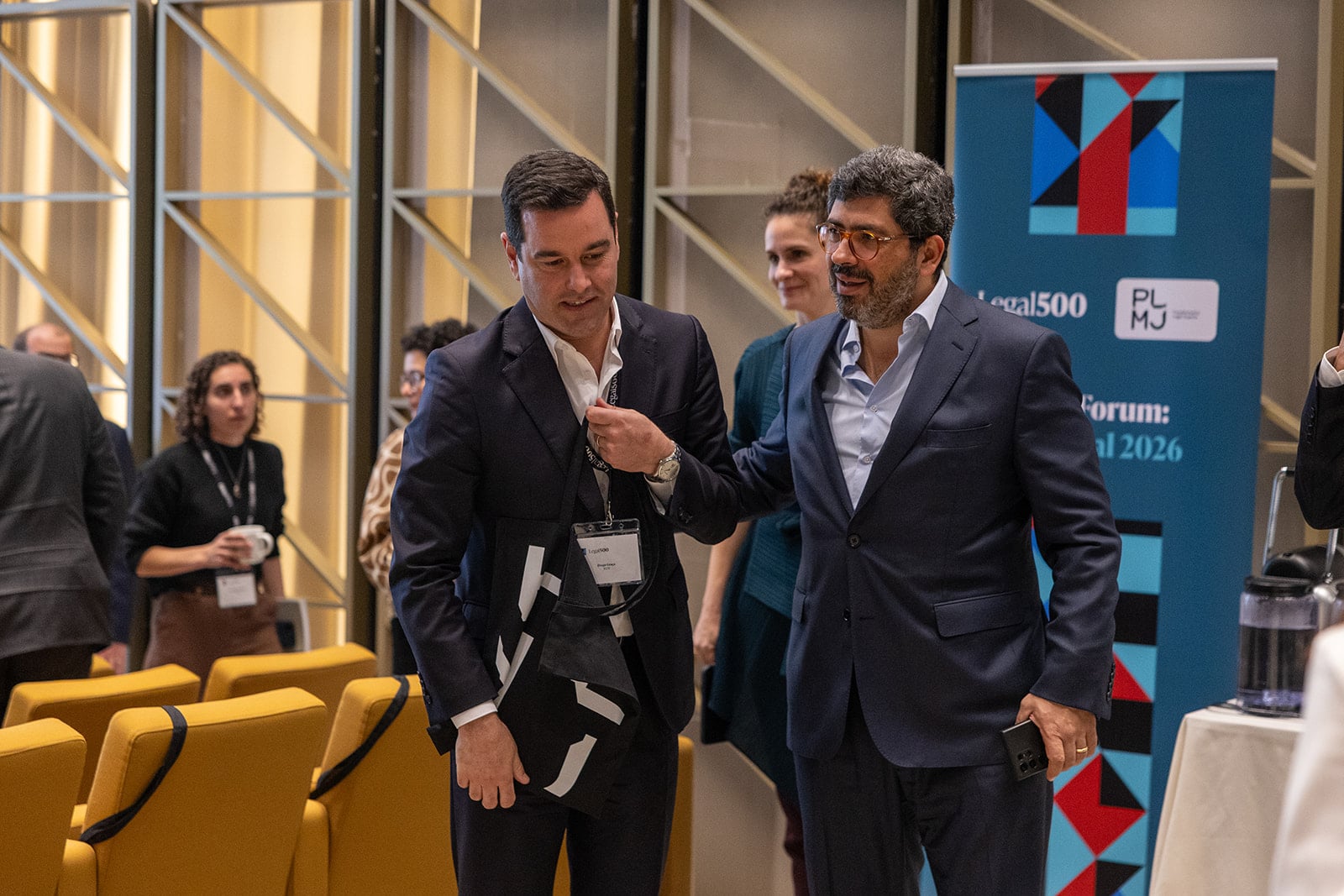
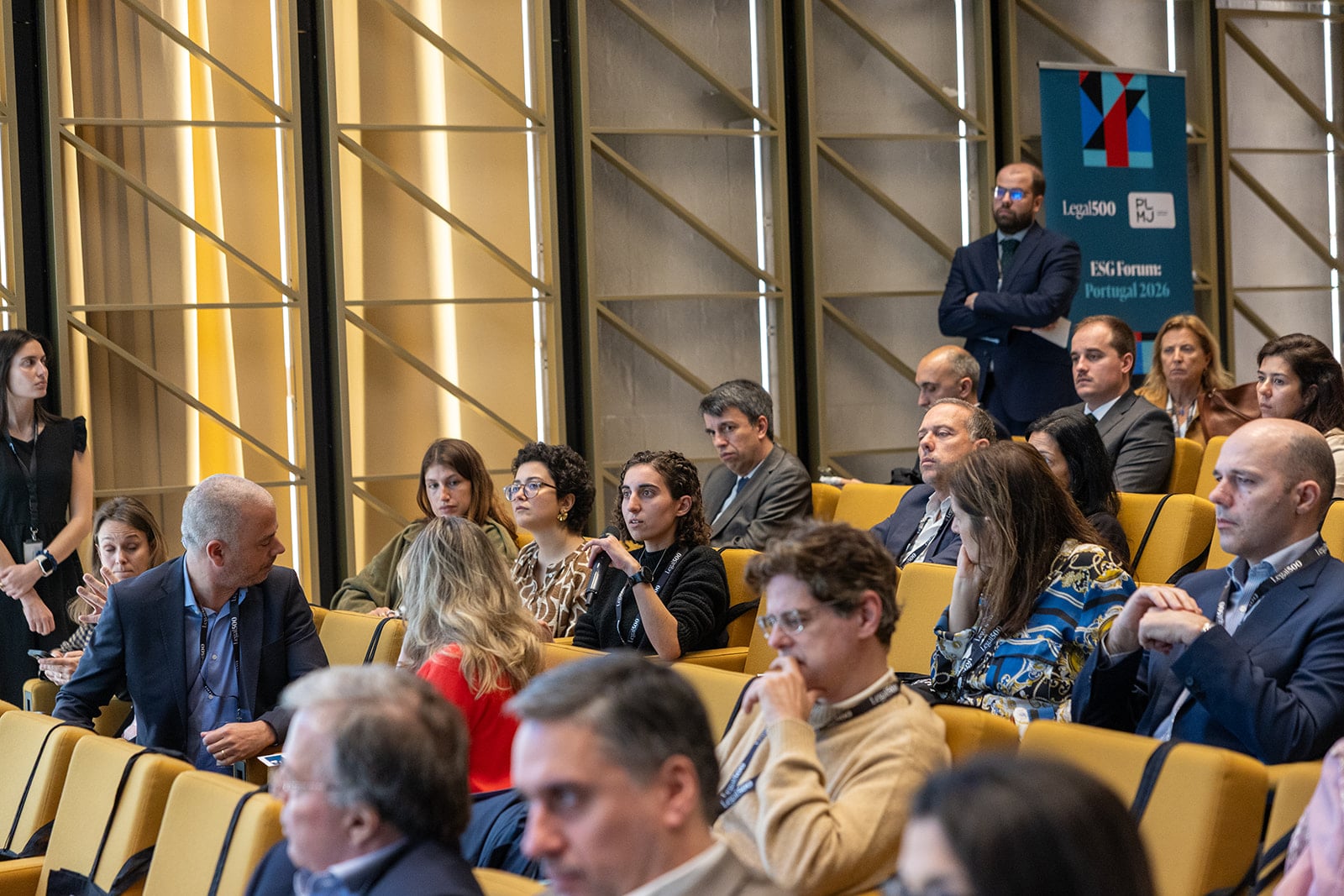
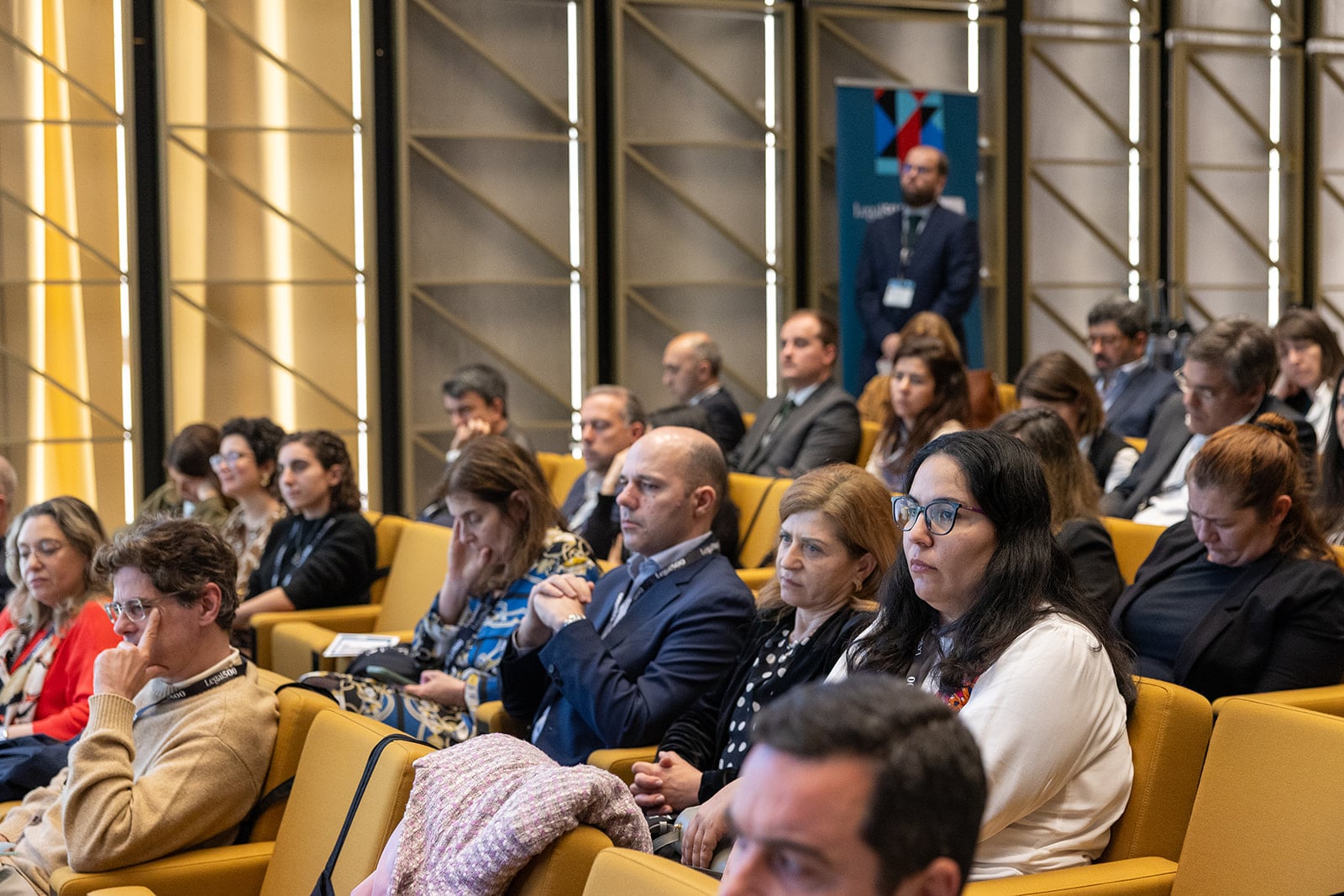
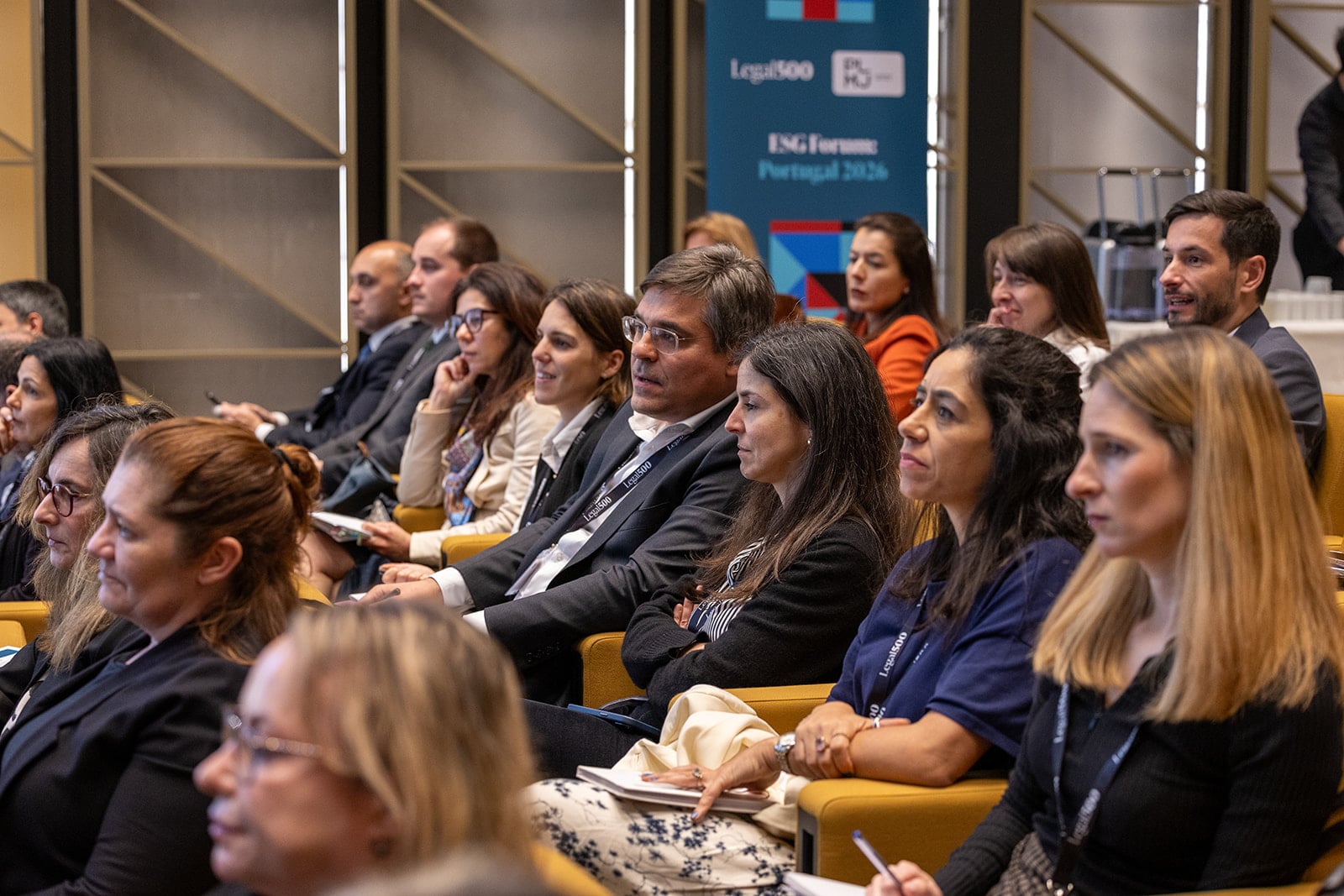
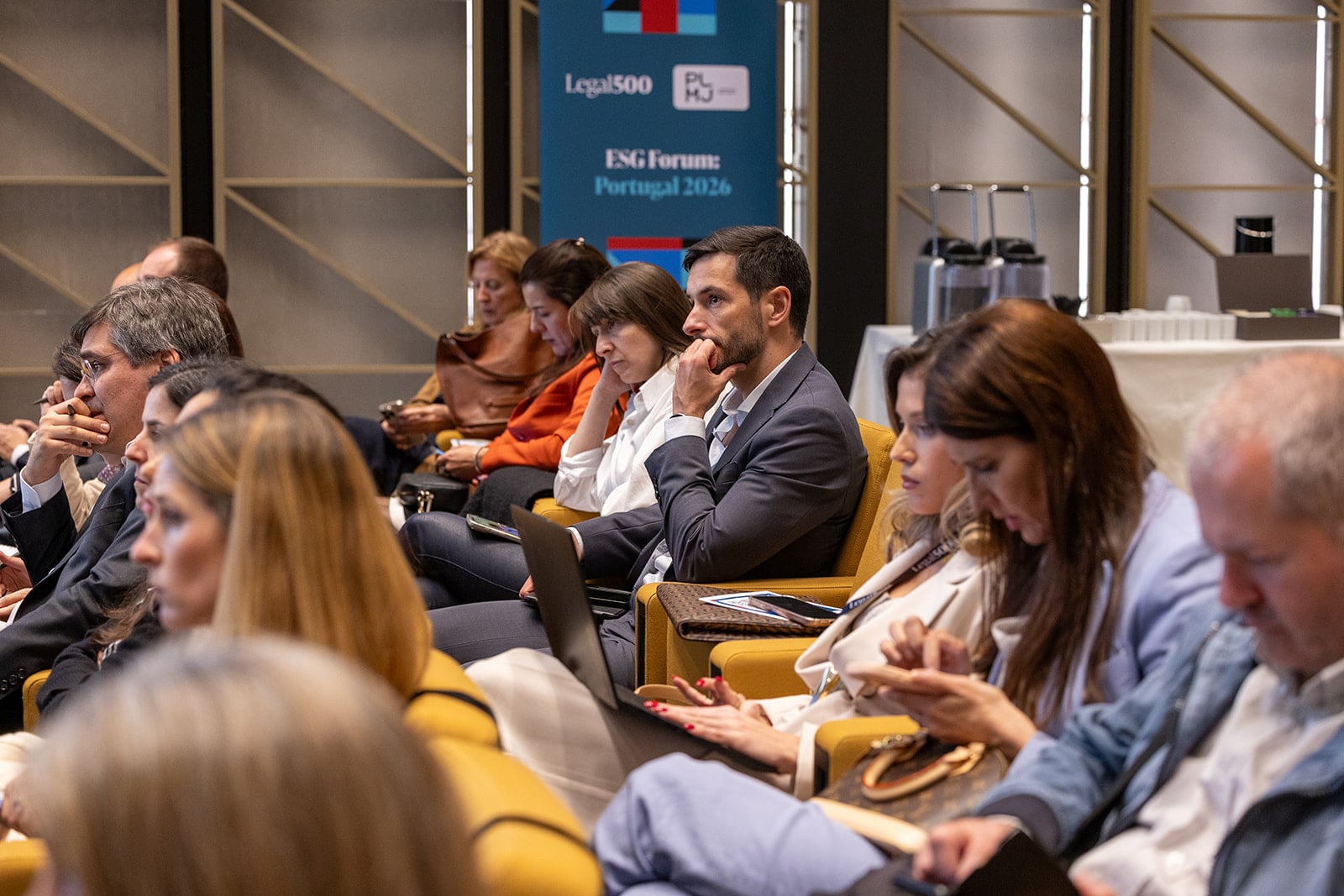
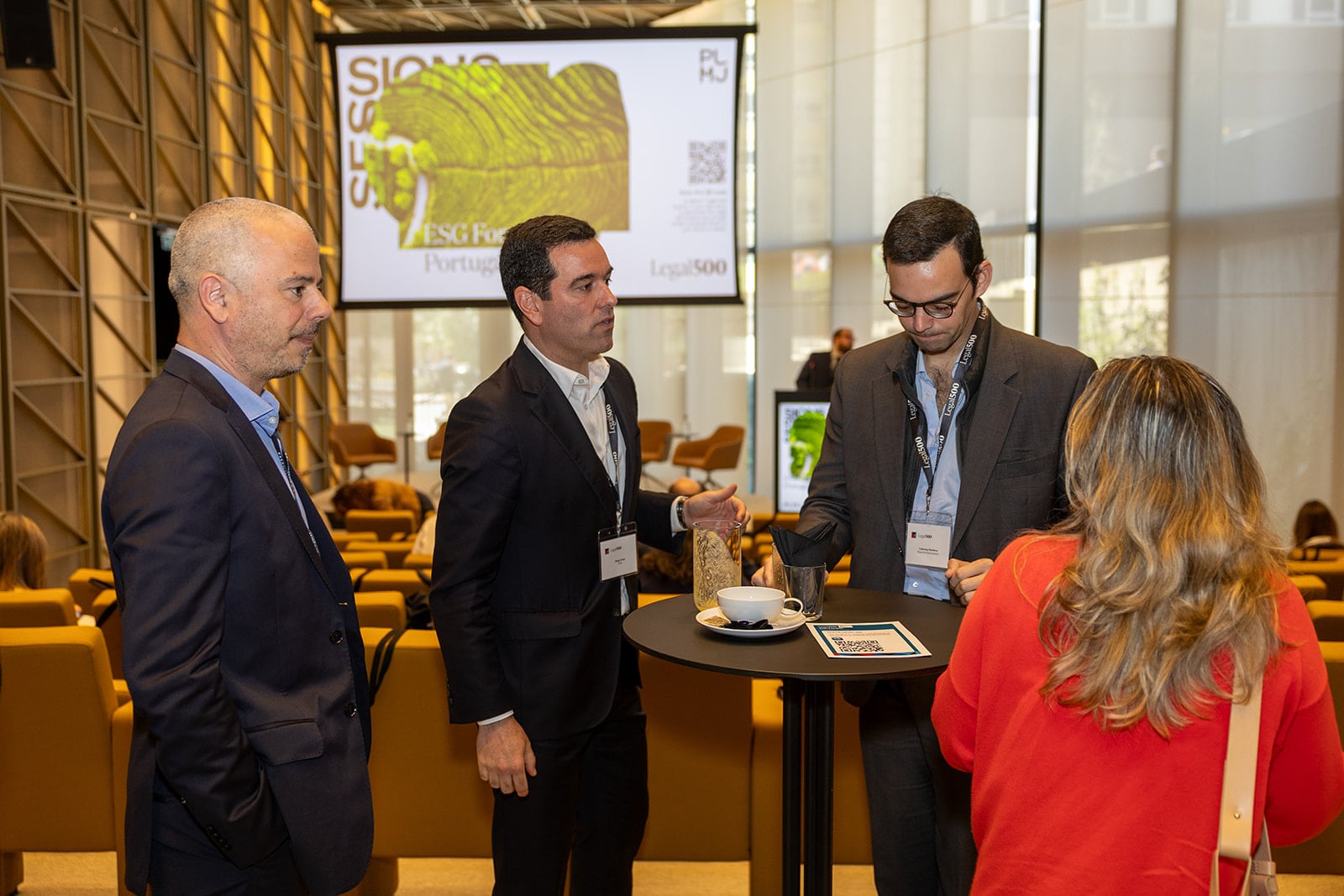
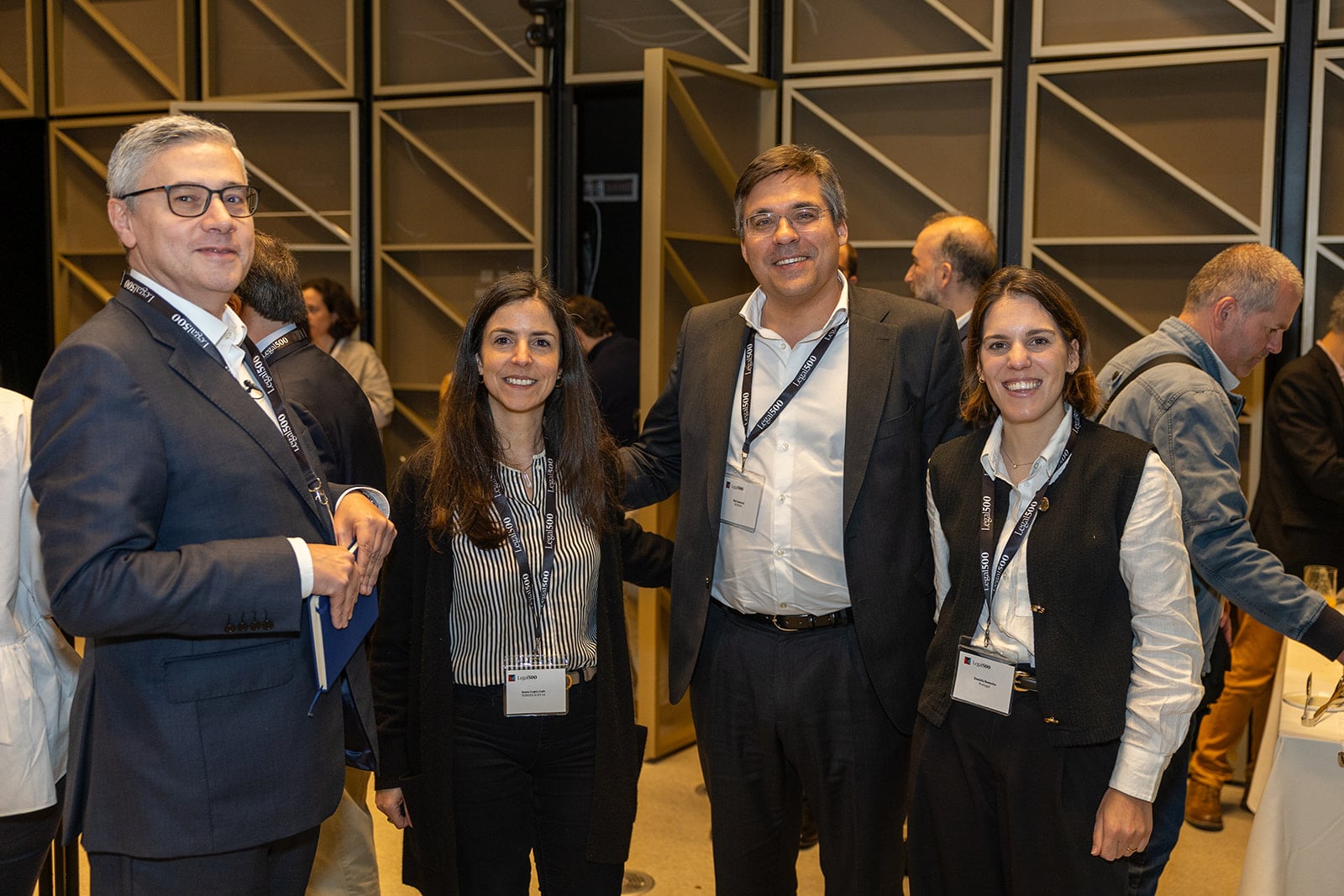
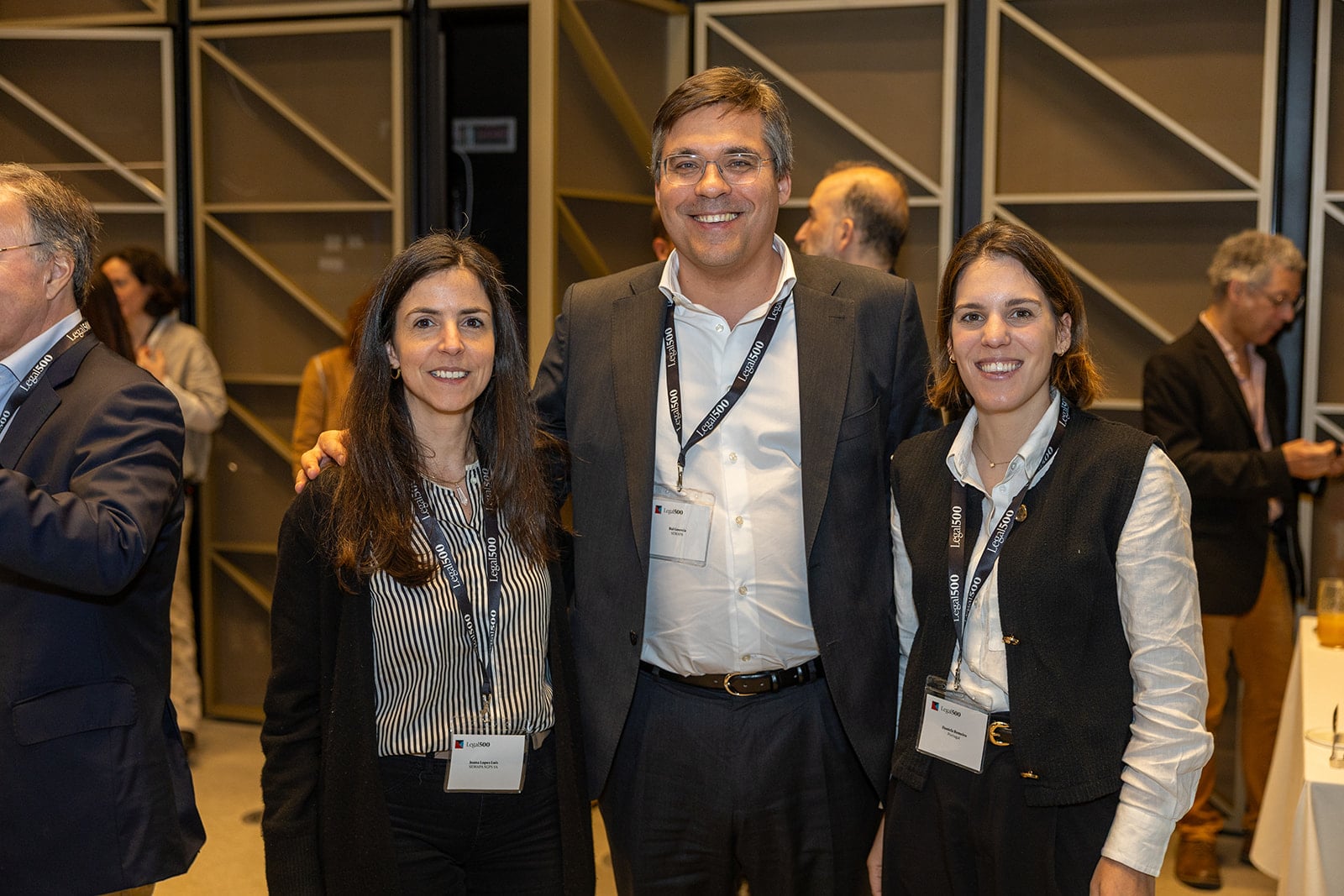
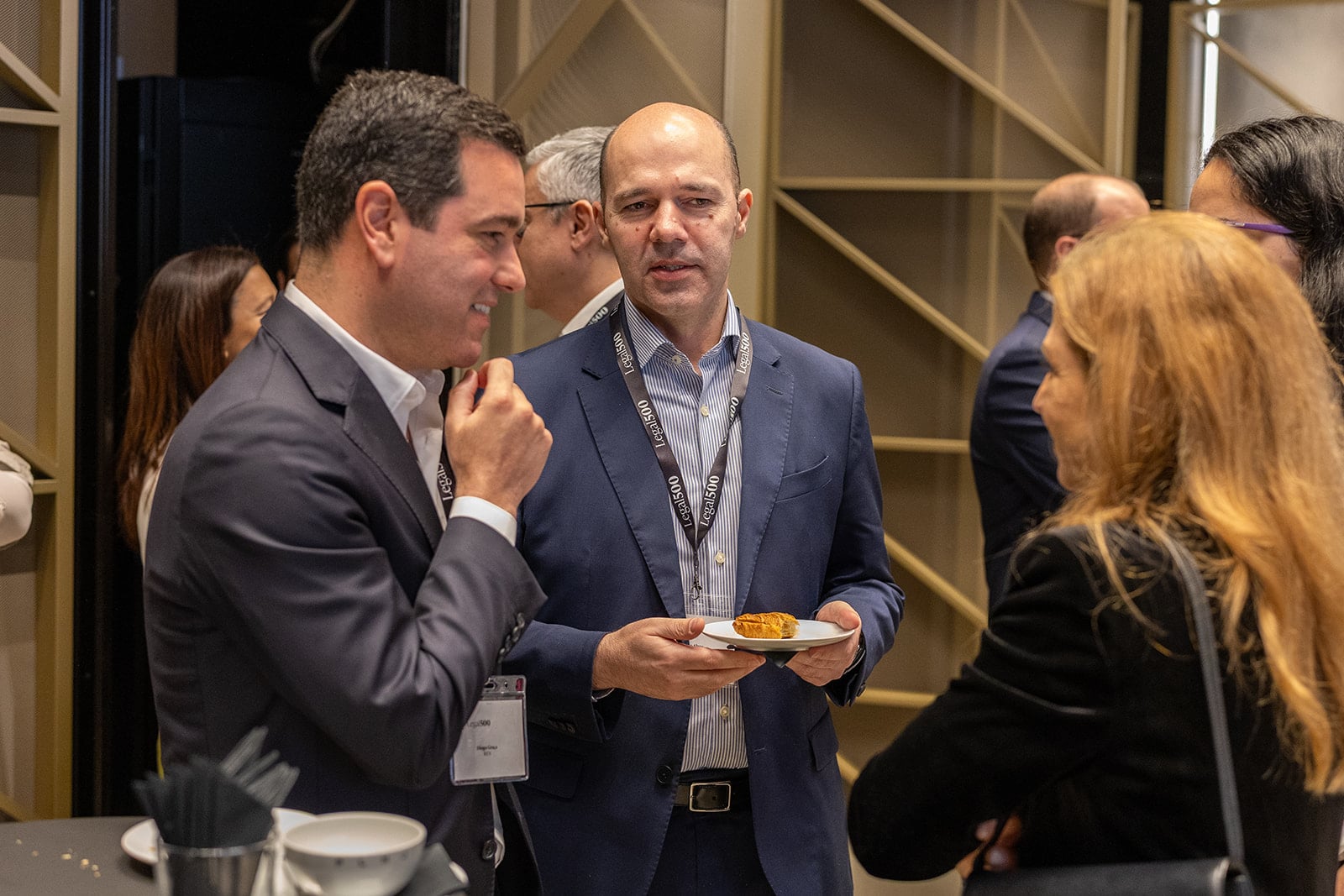
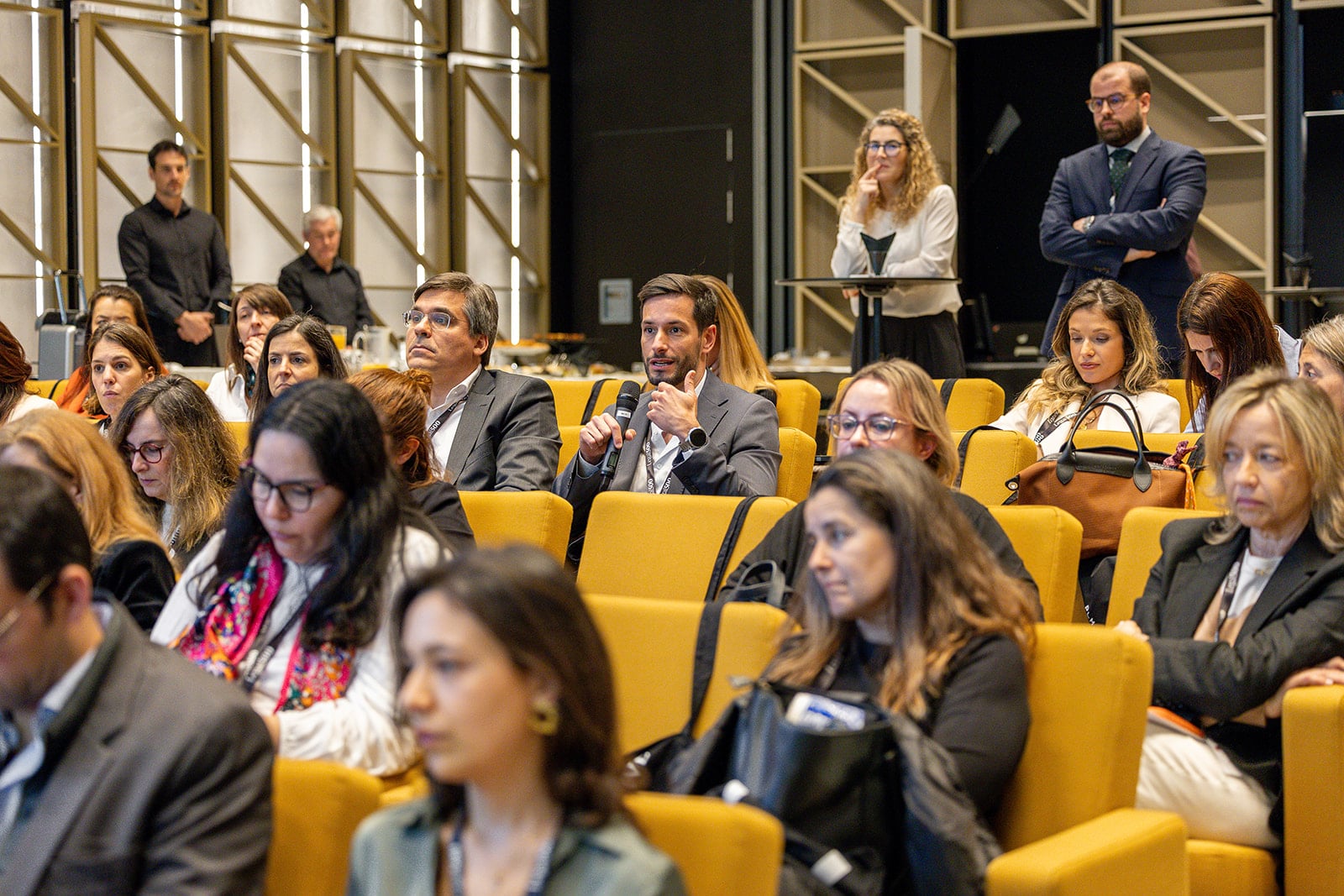
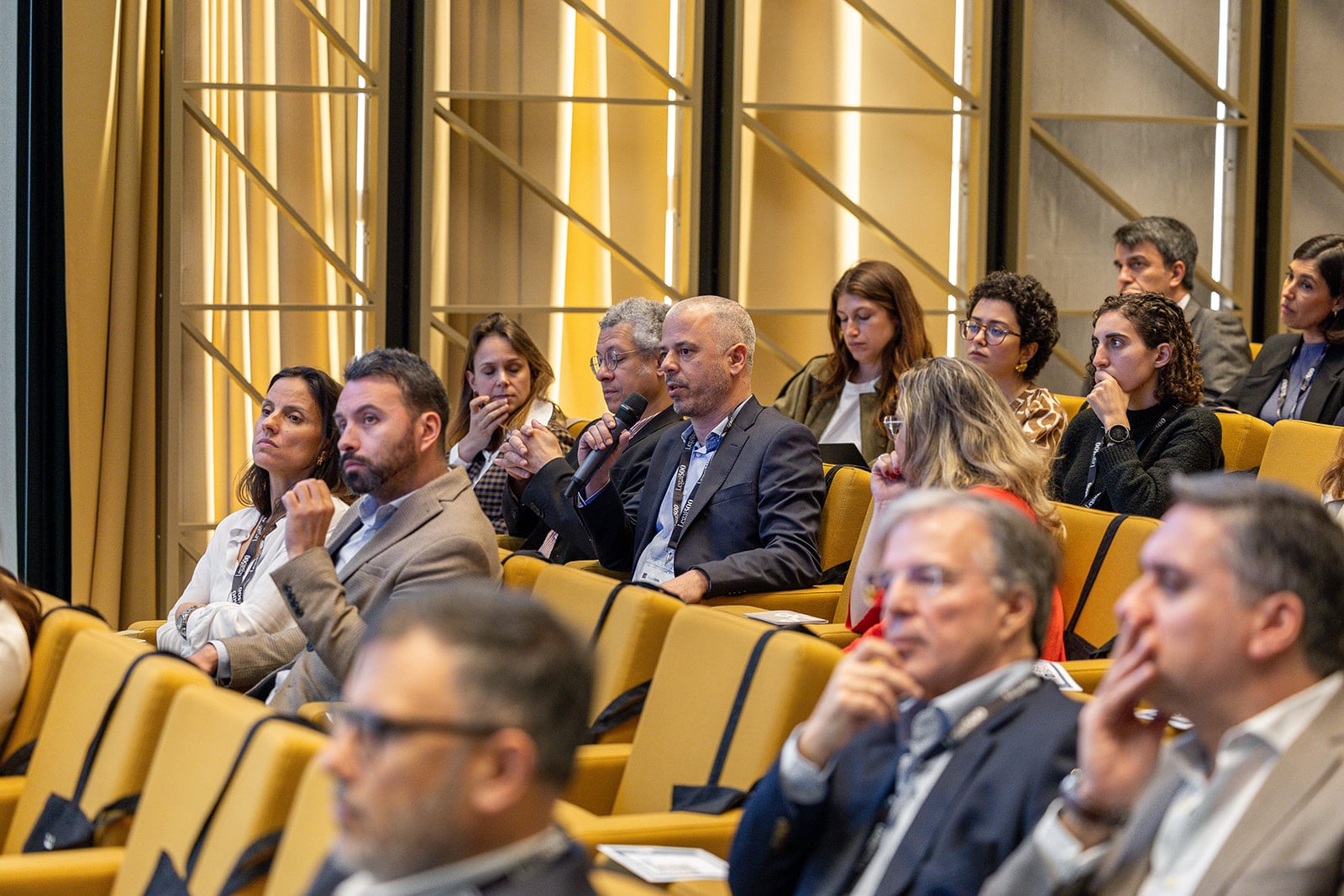
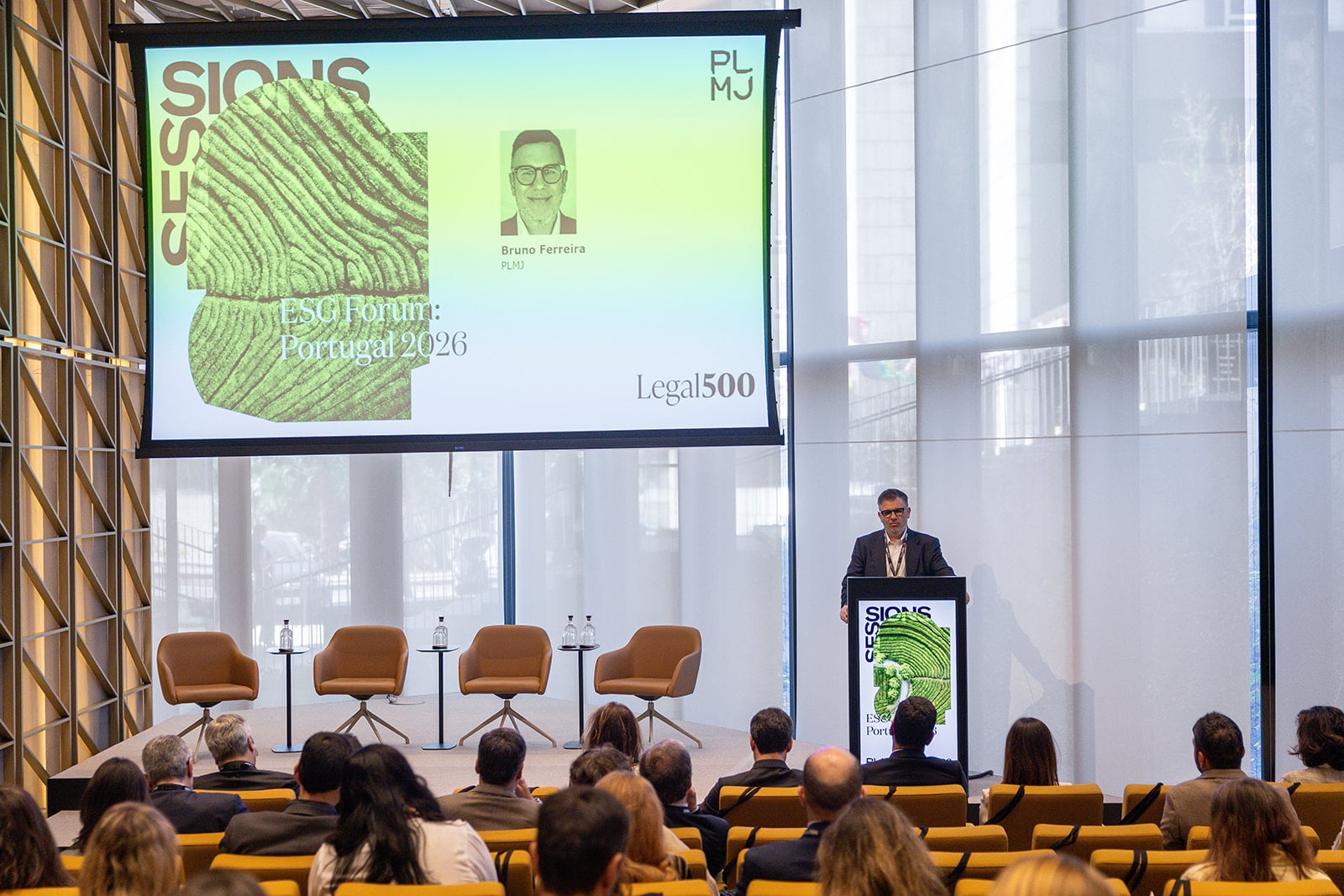
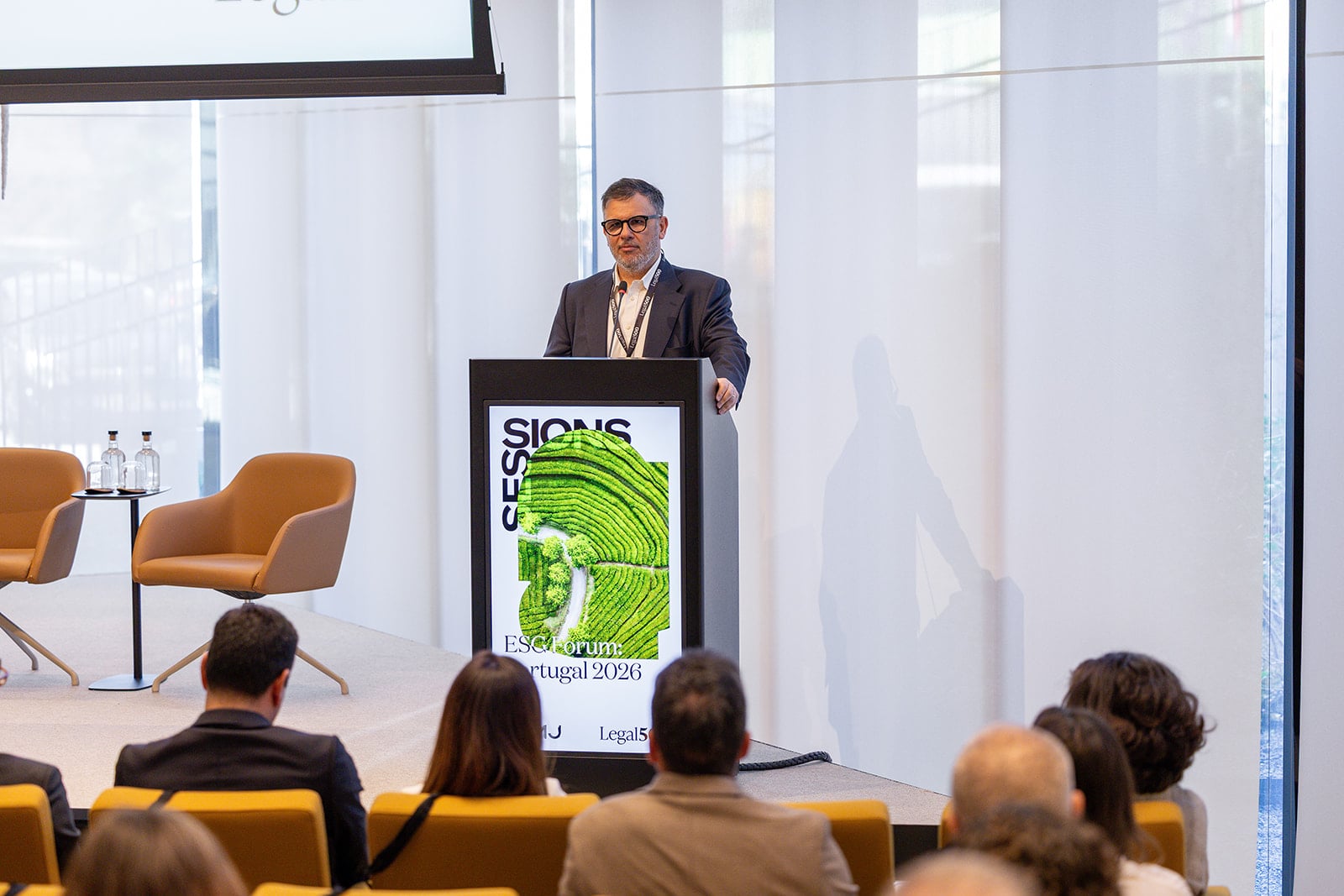
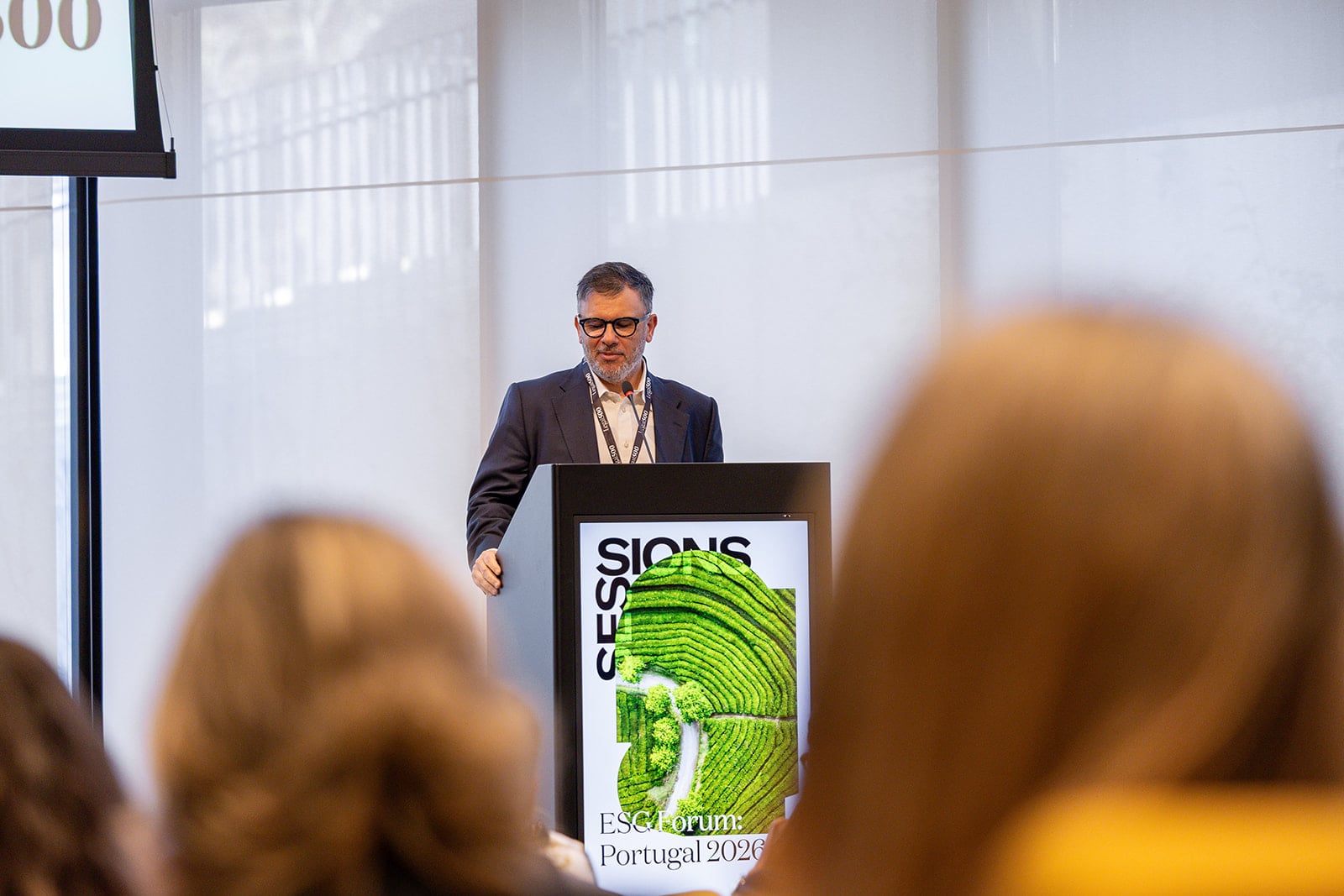
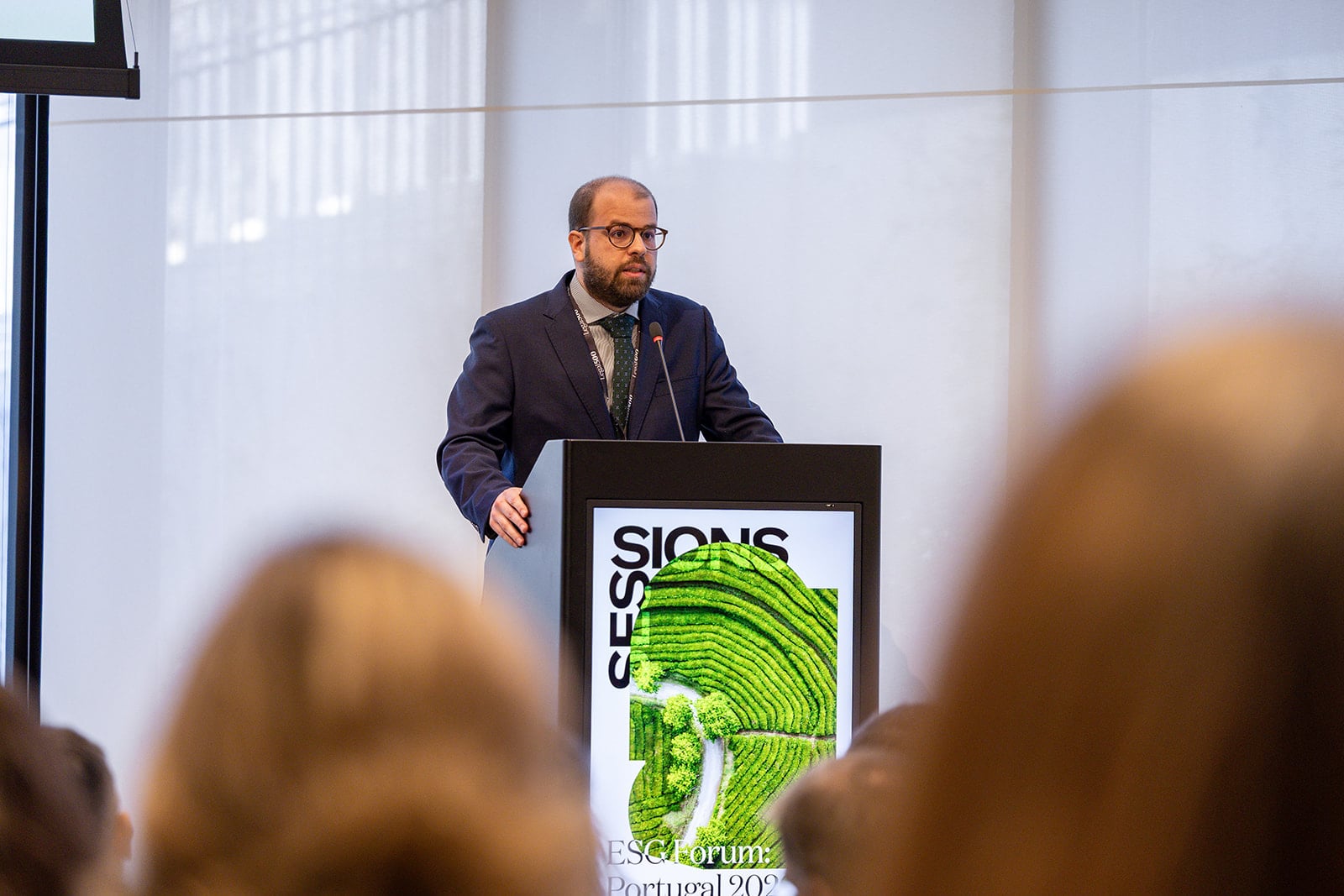
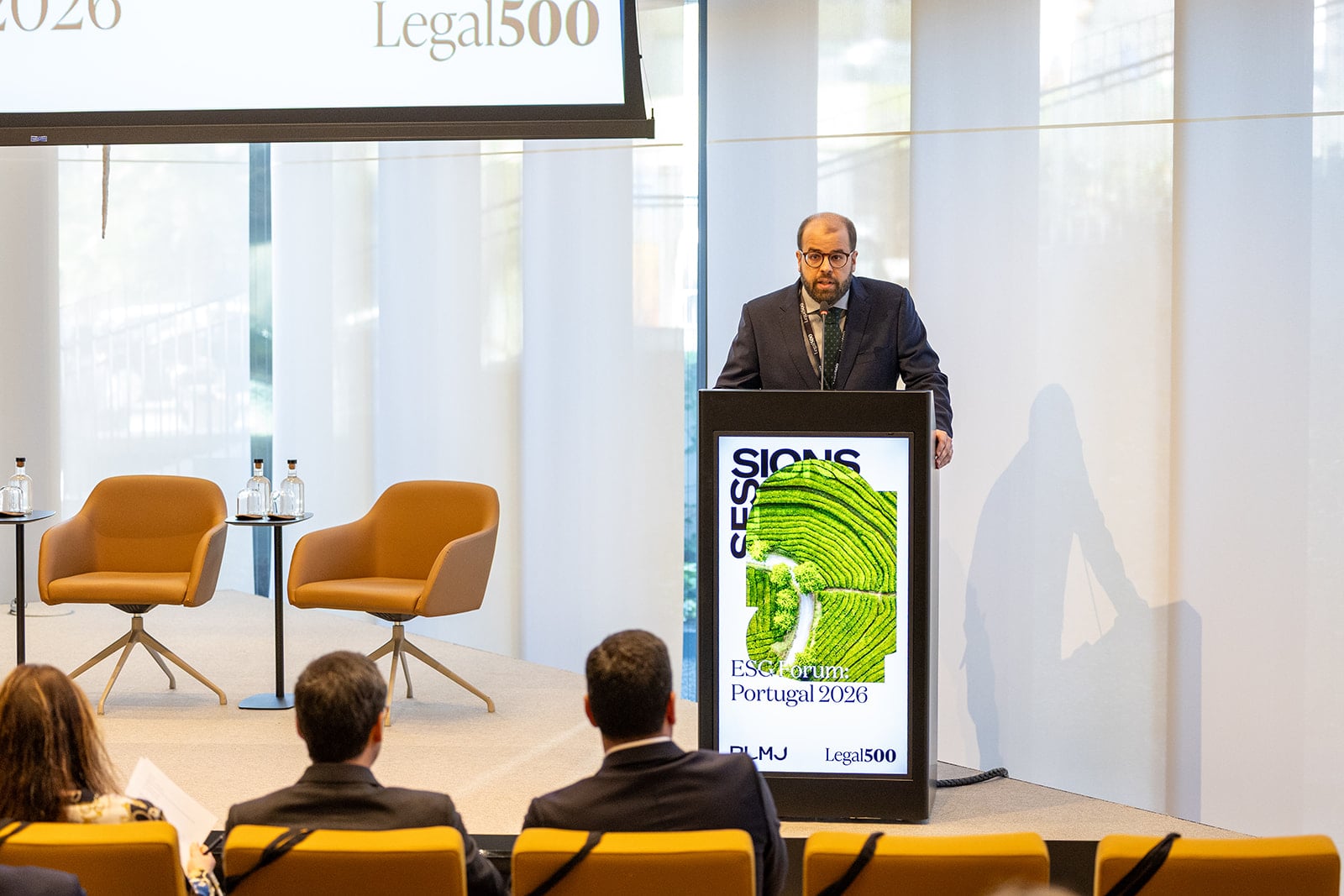
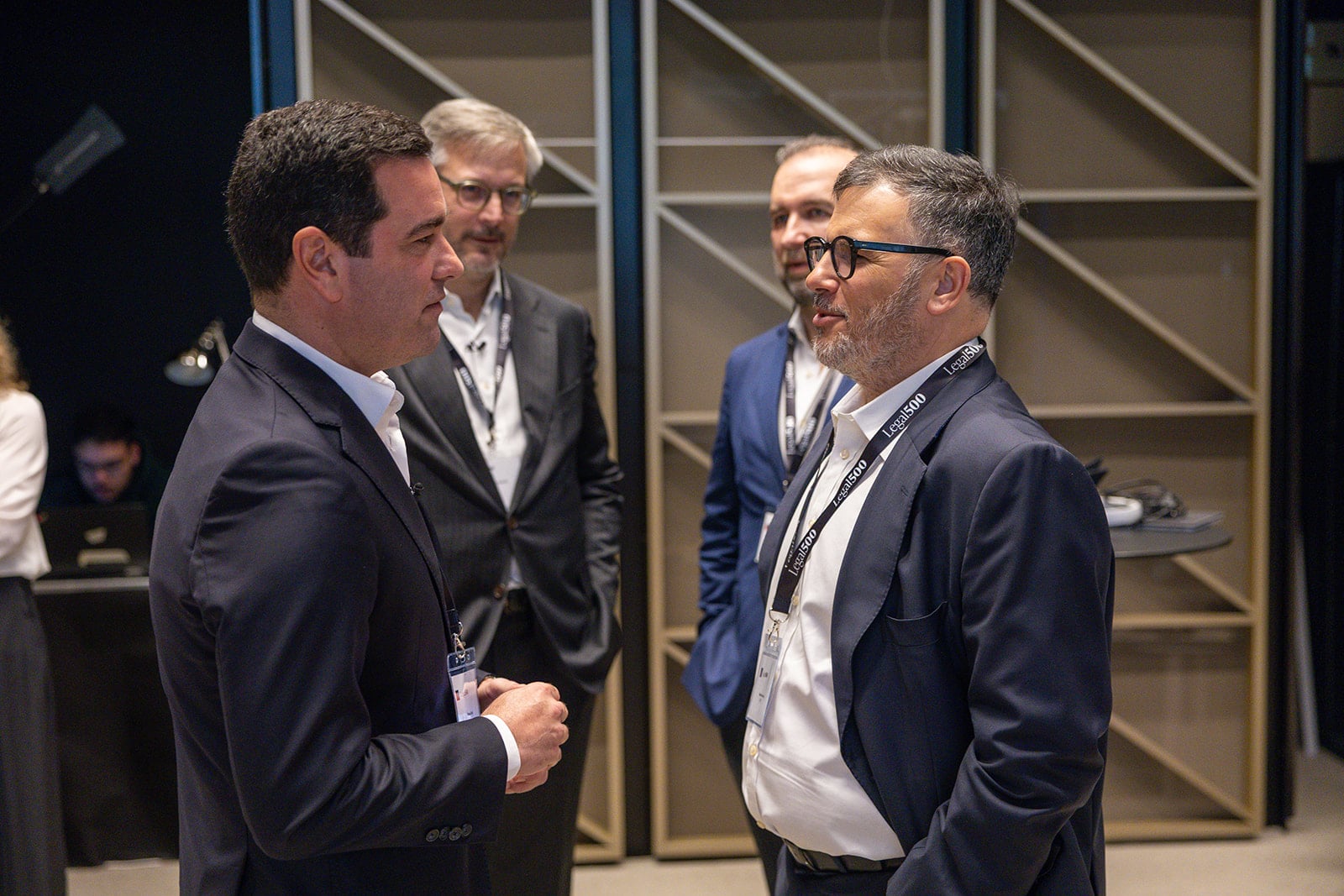
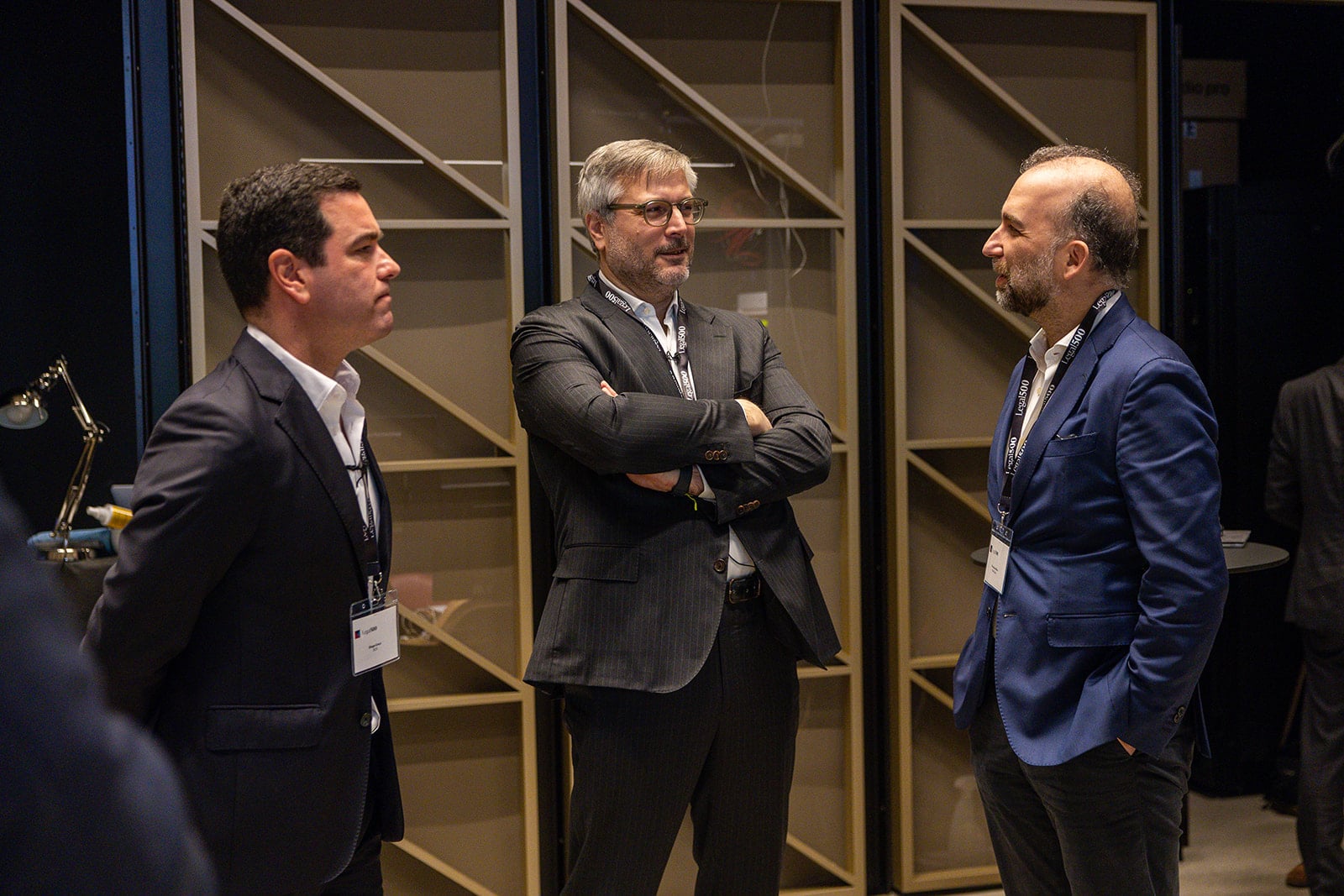
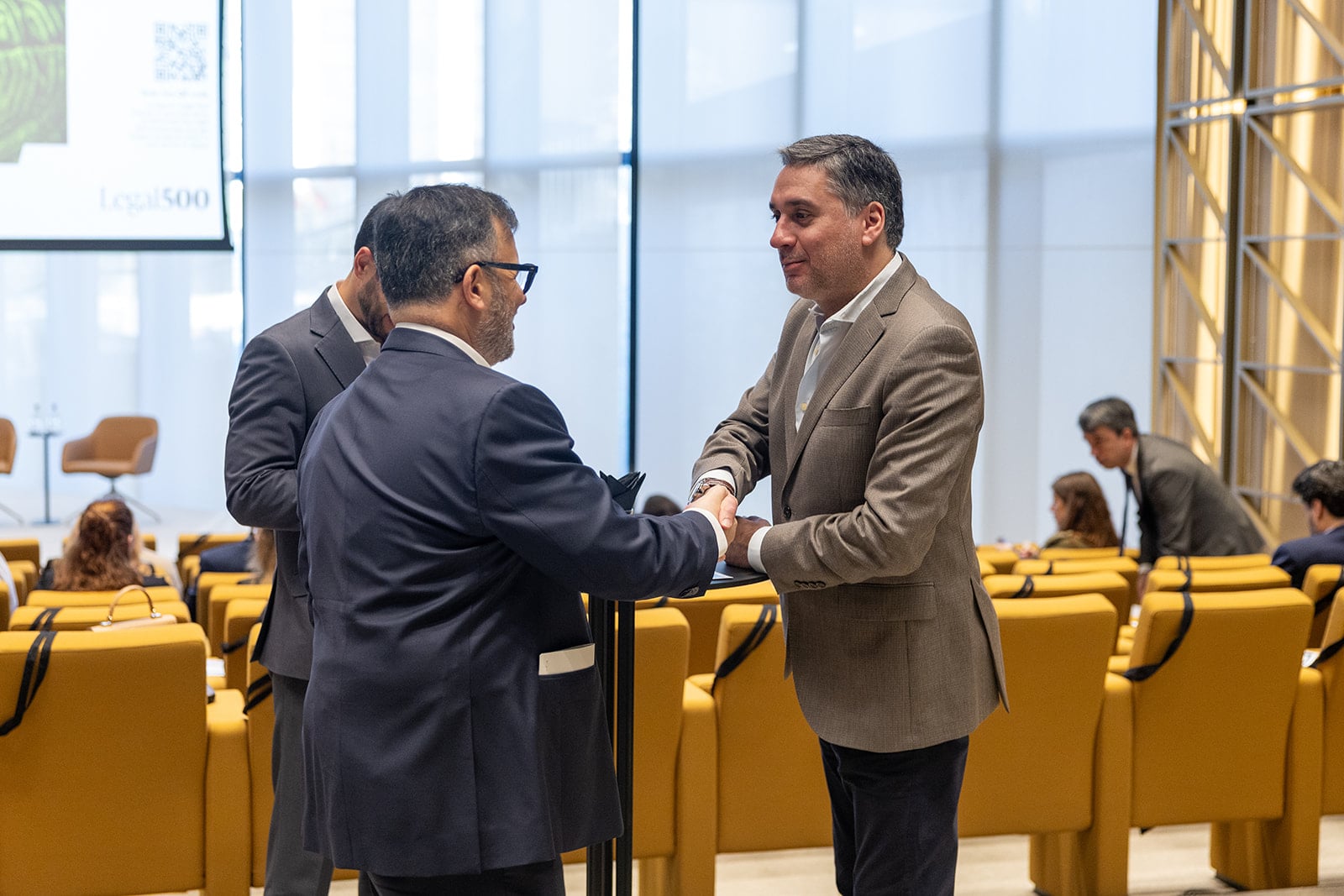
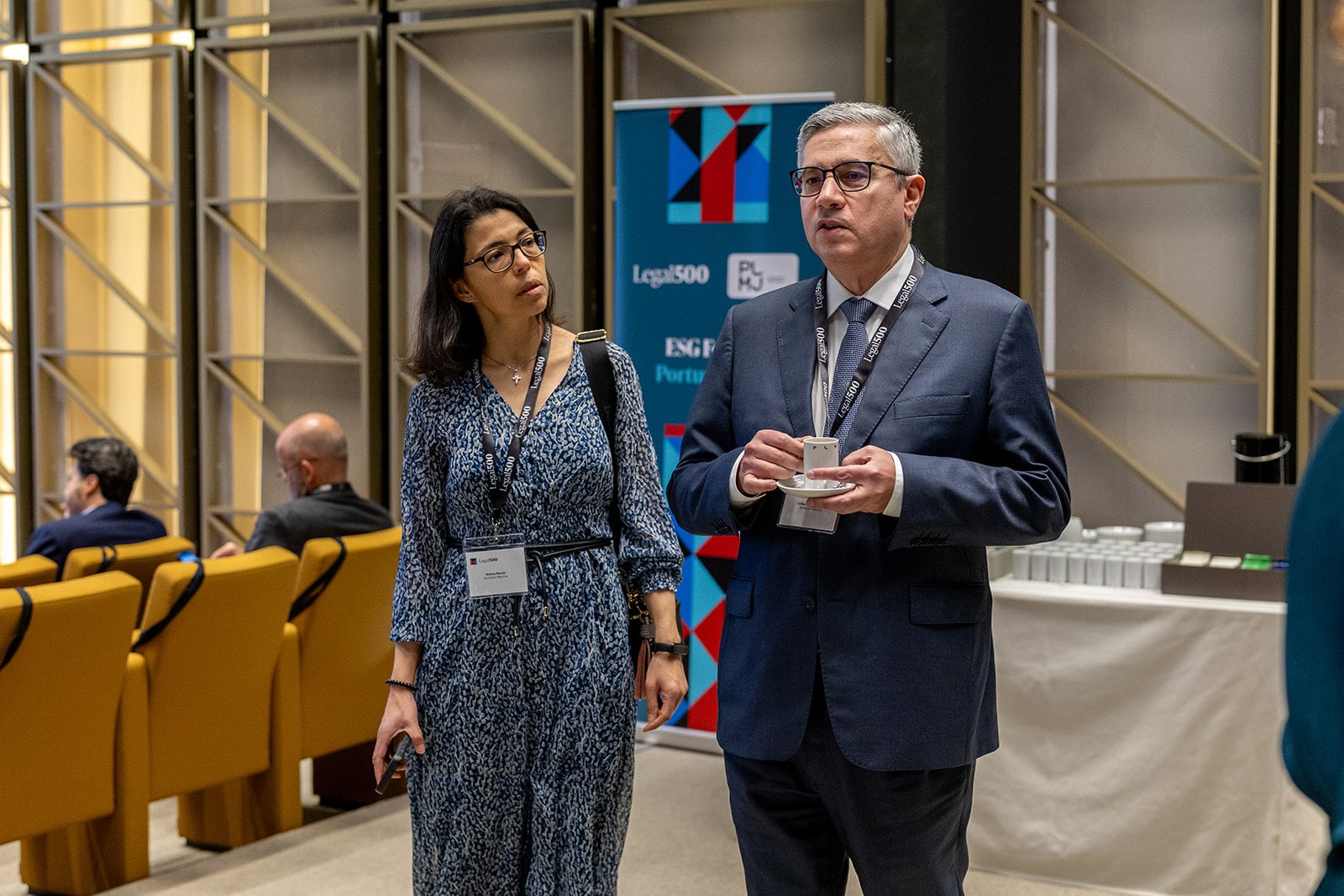
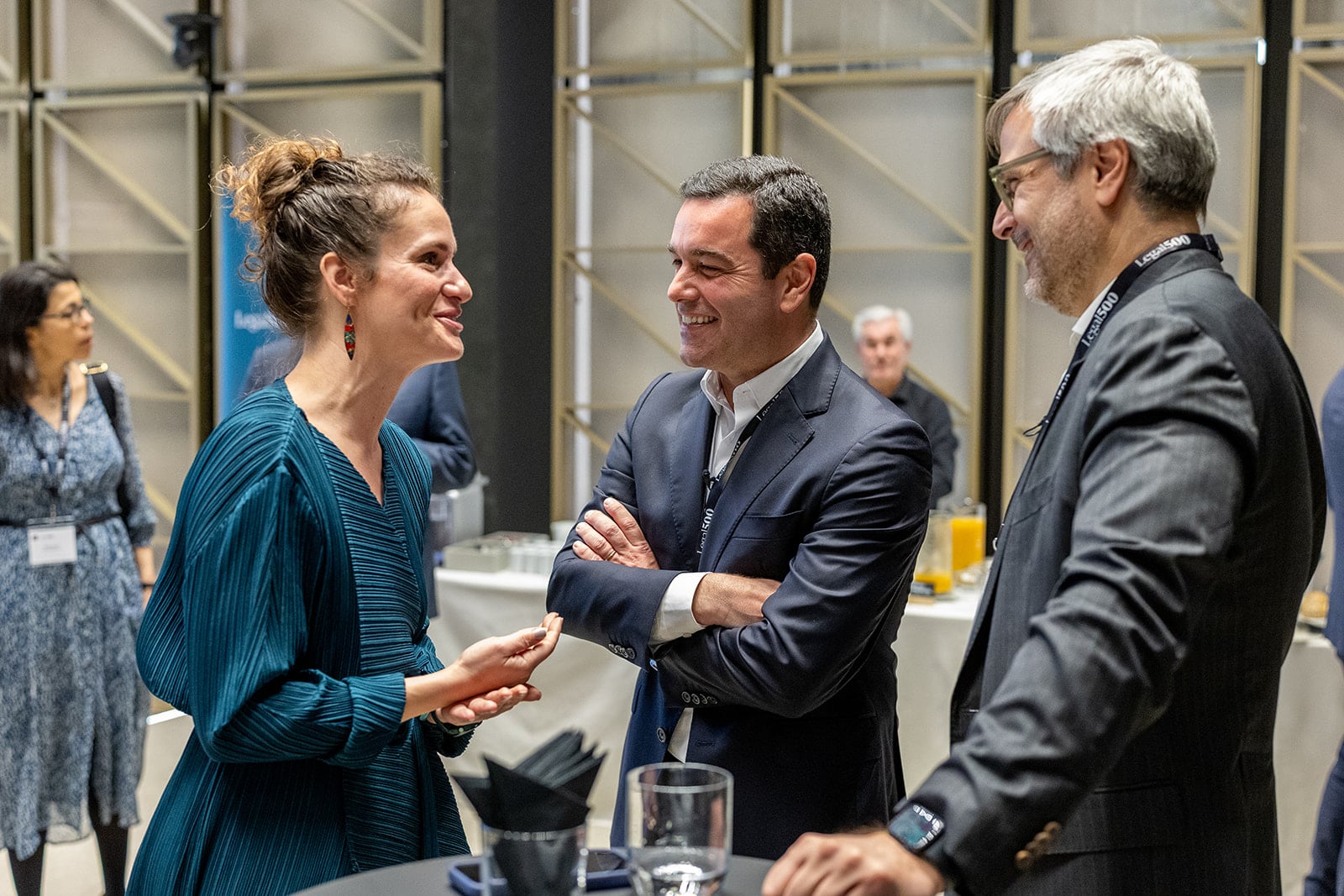
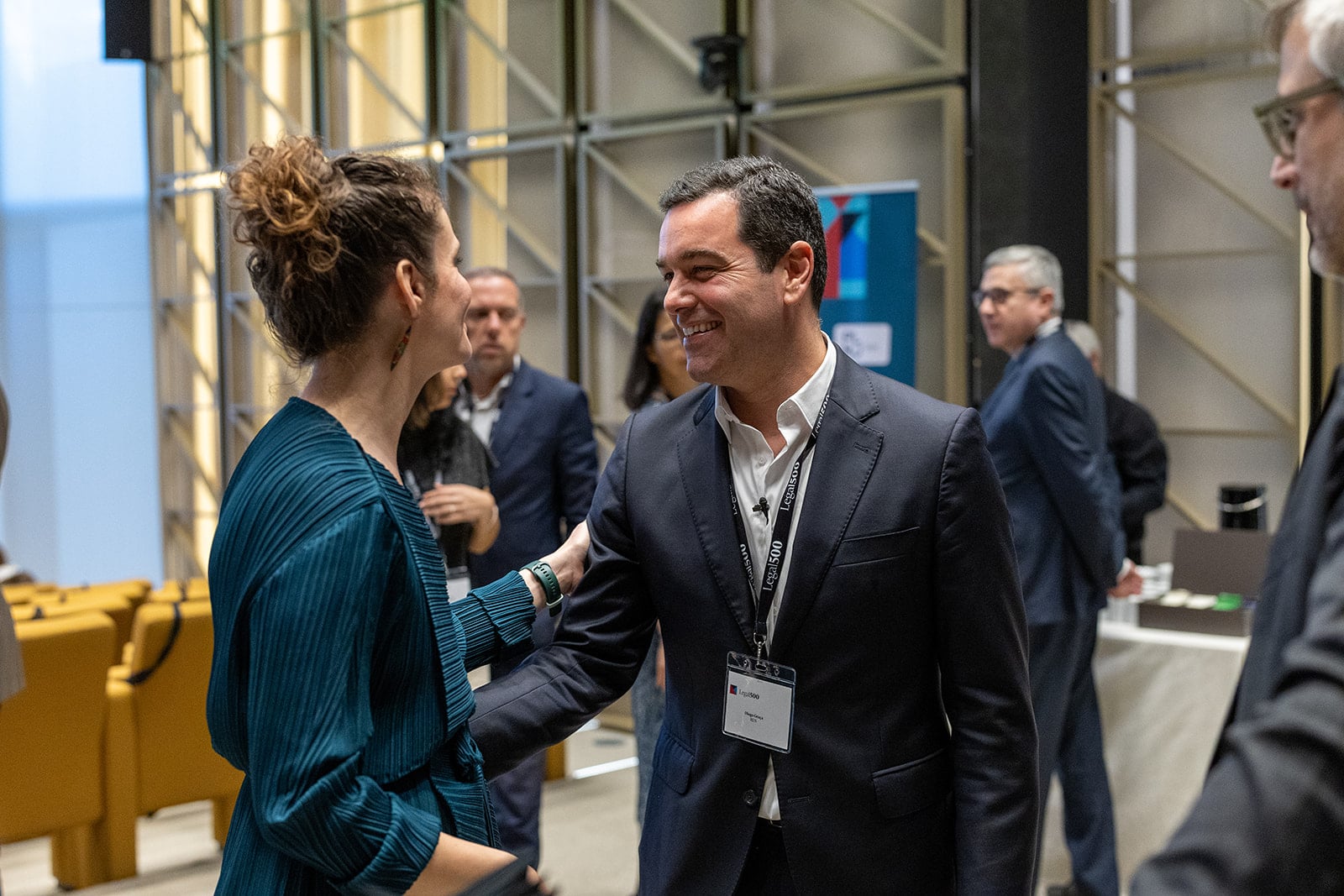
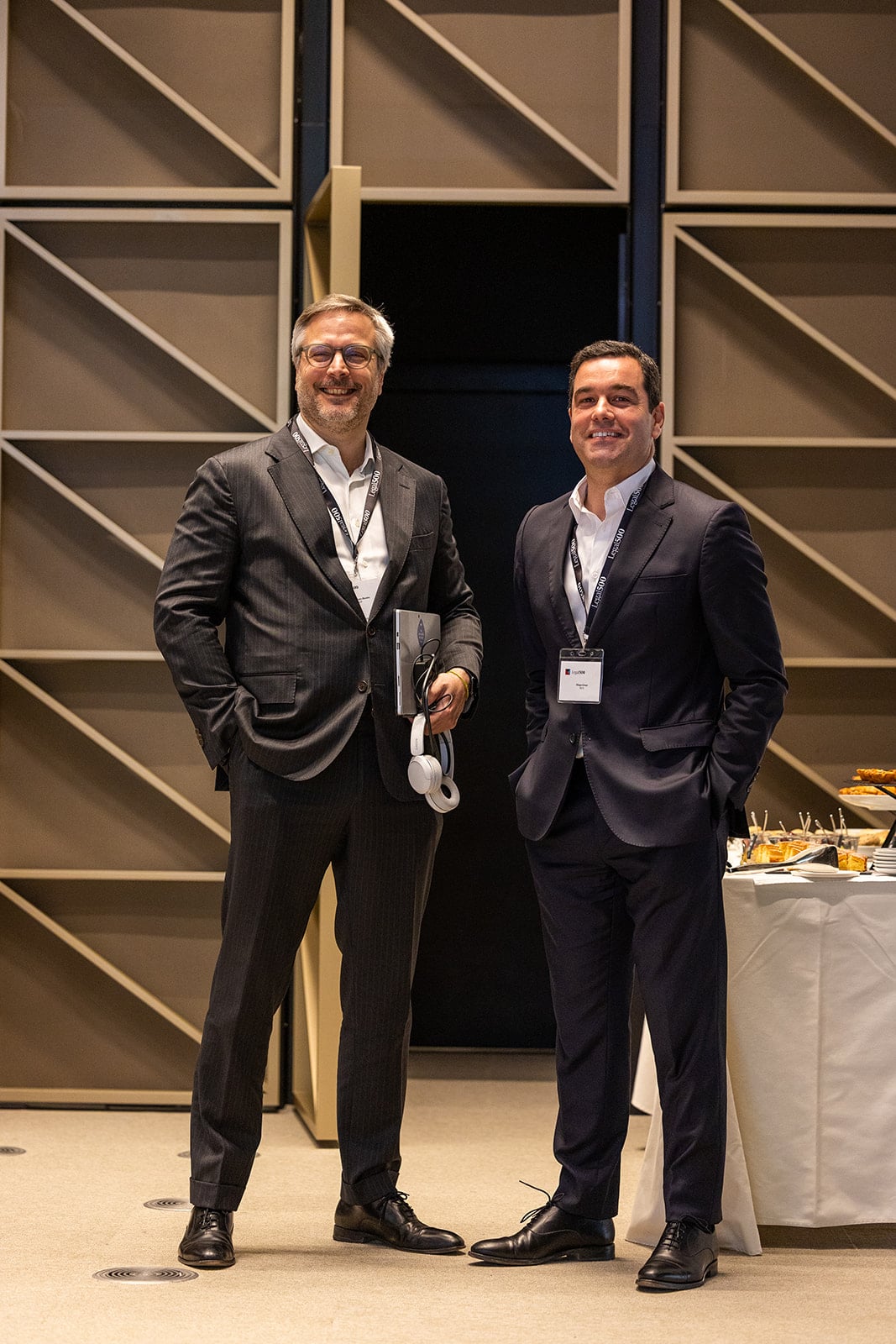
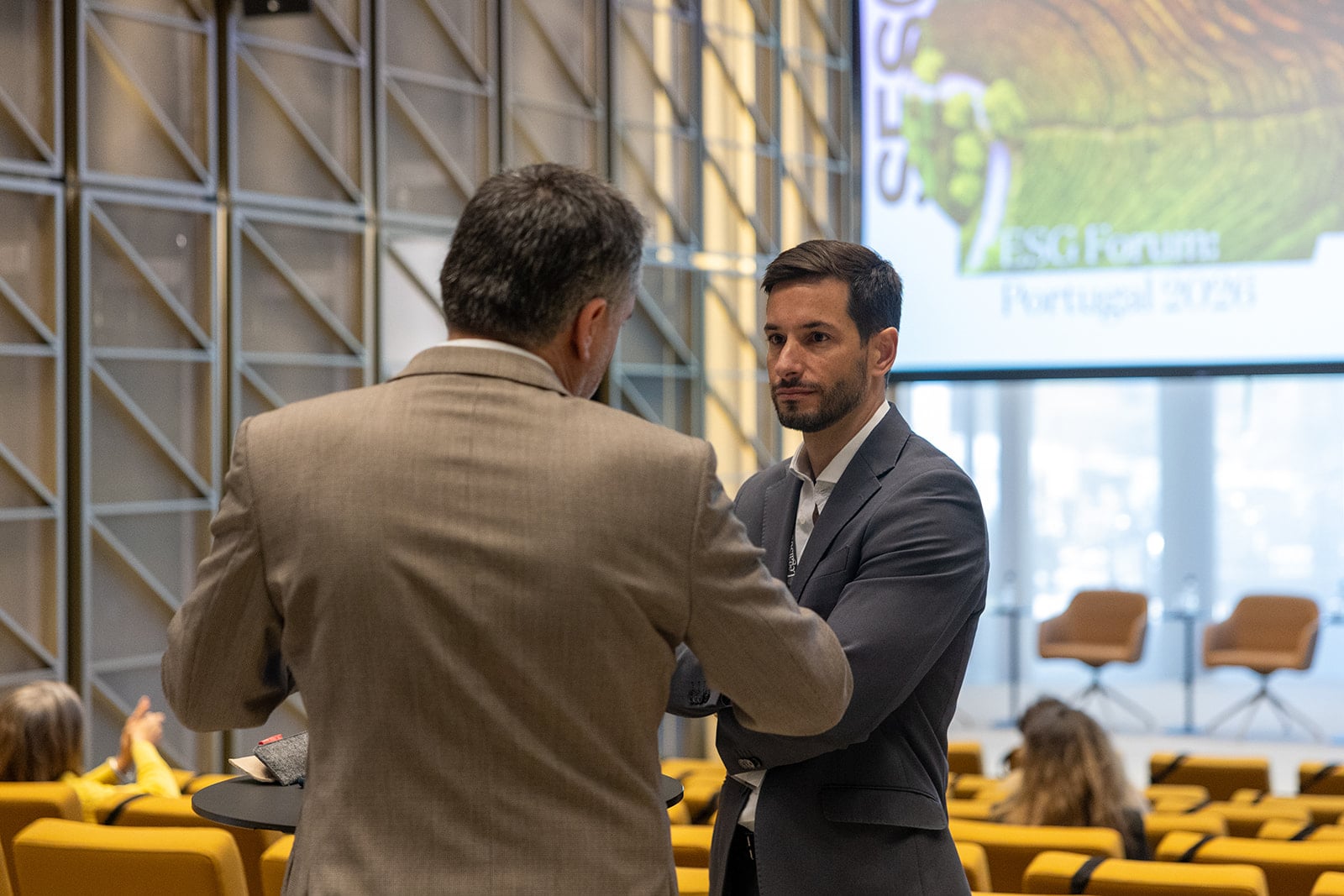
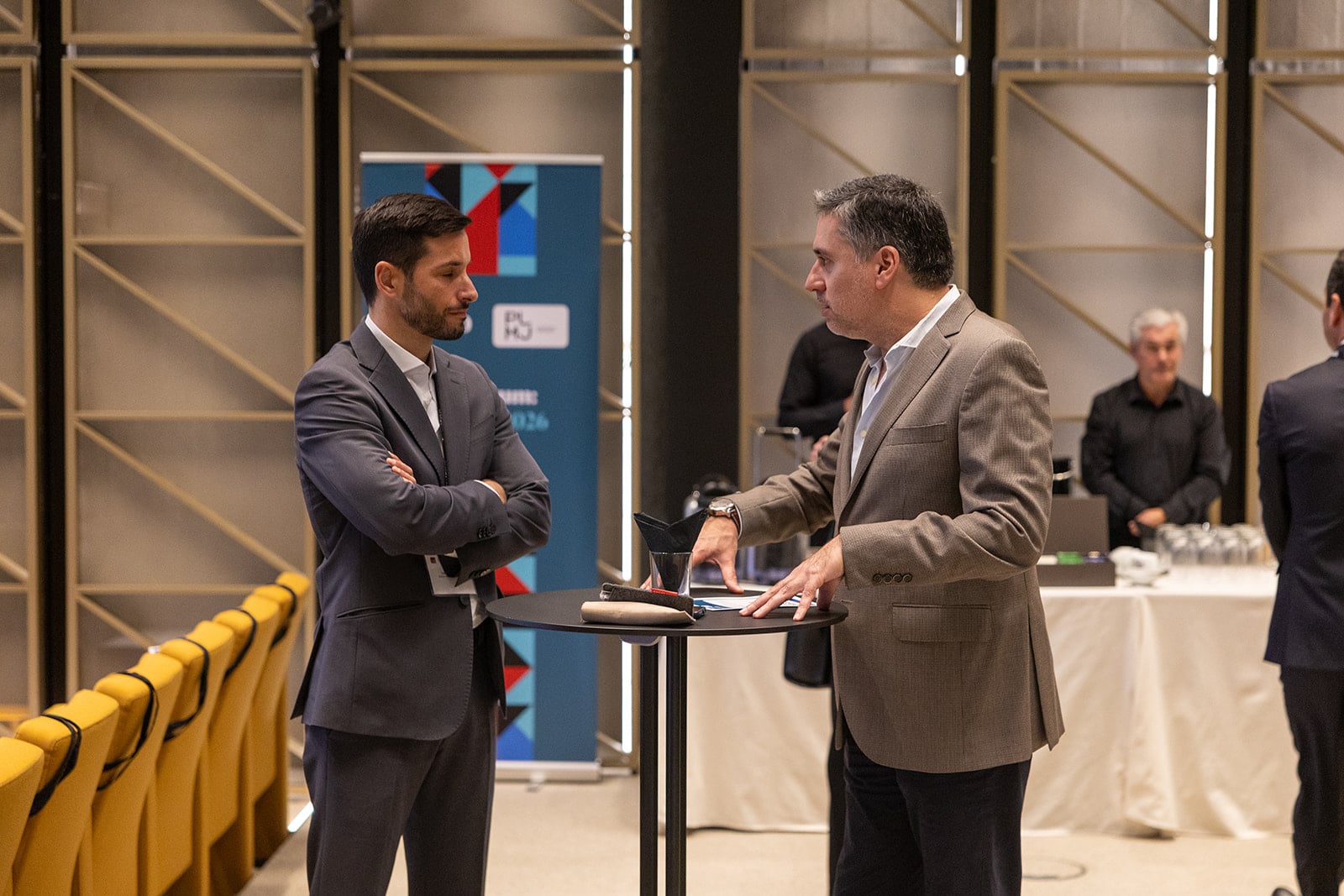
On 26 March, Legal 500 partnered with Portuguese law firm PLMJ to bring its renewed sustainability‑focused conference series to Lisbon with the ESG Forum: Portugal 2026. The half‑day event gathered senior leaders from the legal, financial, energy and sustainability spheres for a concentrated programme hosted at PLMJ’s offices. Throughout the sessions, speakers explored the regulatory, governance and enforcement forces reshaping ESG strategy in Portugal, offering a clear cross‑sector perspective on how organisations are adapting to an increasingly complex and fast‑moving landscape.
The event opened with some welcome remarks from Legal 500 editor Francisco Castro, who emphasised the value of events that bring the in‑house community together to learn, exchange experiences and build meaningful professional networks. In his welcome address, he highlighted the growing complexity of ESG obligations across Europe and the increasing pressure on organisations to adopt integrated, business‑wide approaches to compliance, risk management and strategic planning. By underscoring the need for practical, grounded discussion rather than abstract theory, he set the tone for a programme designed to deliver actionable insight and foster collaboration among practitioners navigating a rapidly evolving ESG landscape.
Followed an opening brief delivered by PLMJ’s Managing Partner, Bruno Ferreira, who provided a concise yet comprehensive overview of the ESG priorities defining Portugal in 2026. He outlined the expanding influence of EU regulatory frameworks on corporate reporting, due diligence and governance, noting how these requirements are reshaping expectations around data quality, transparency and accountability. His remarks positioned ESG not as a peripheral concern but as a central driver of corporate behaviour, capital flows and long‑term competitiveness in the Portuguese market.
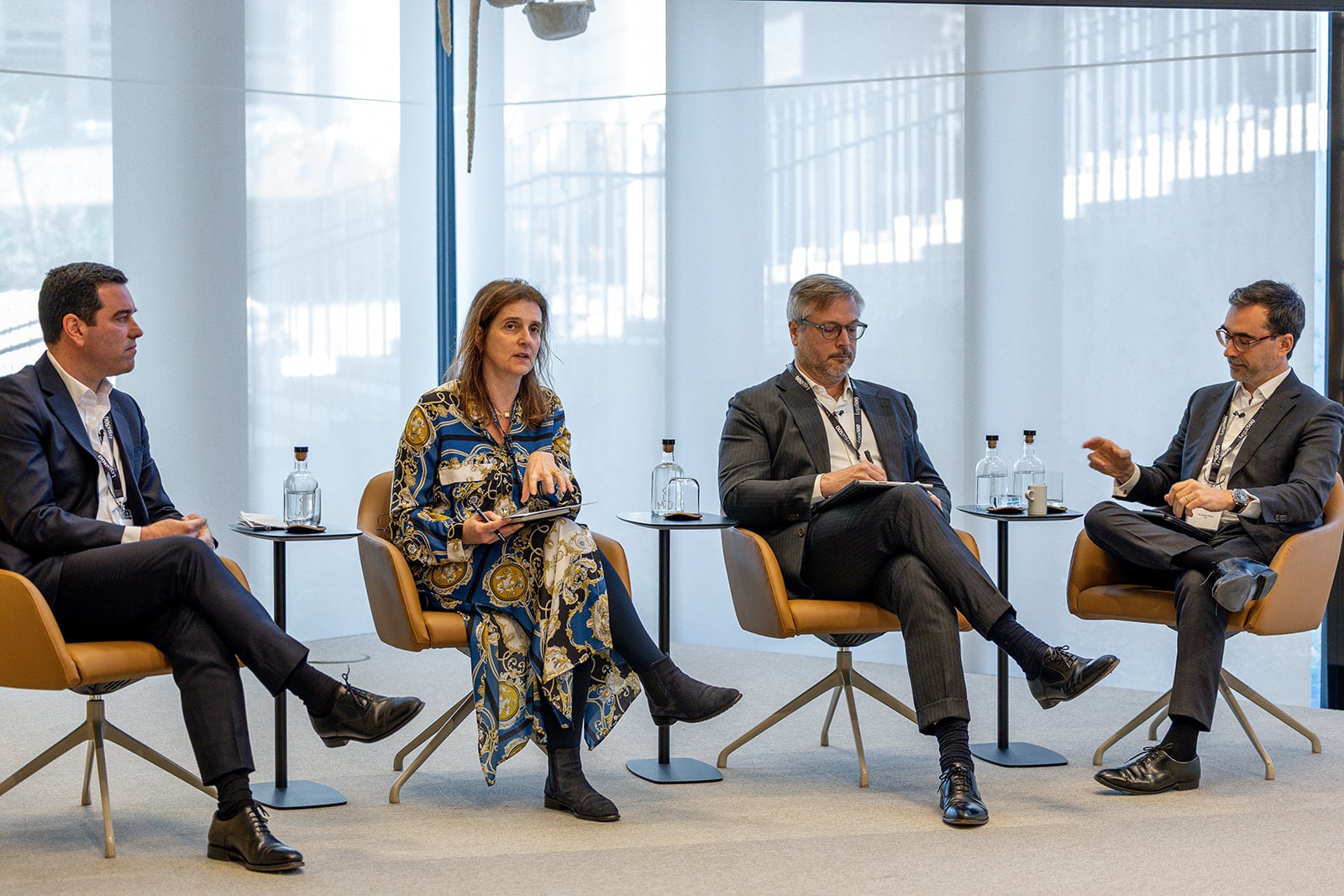
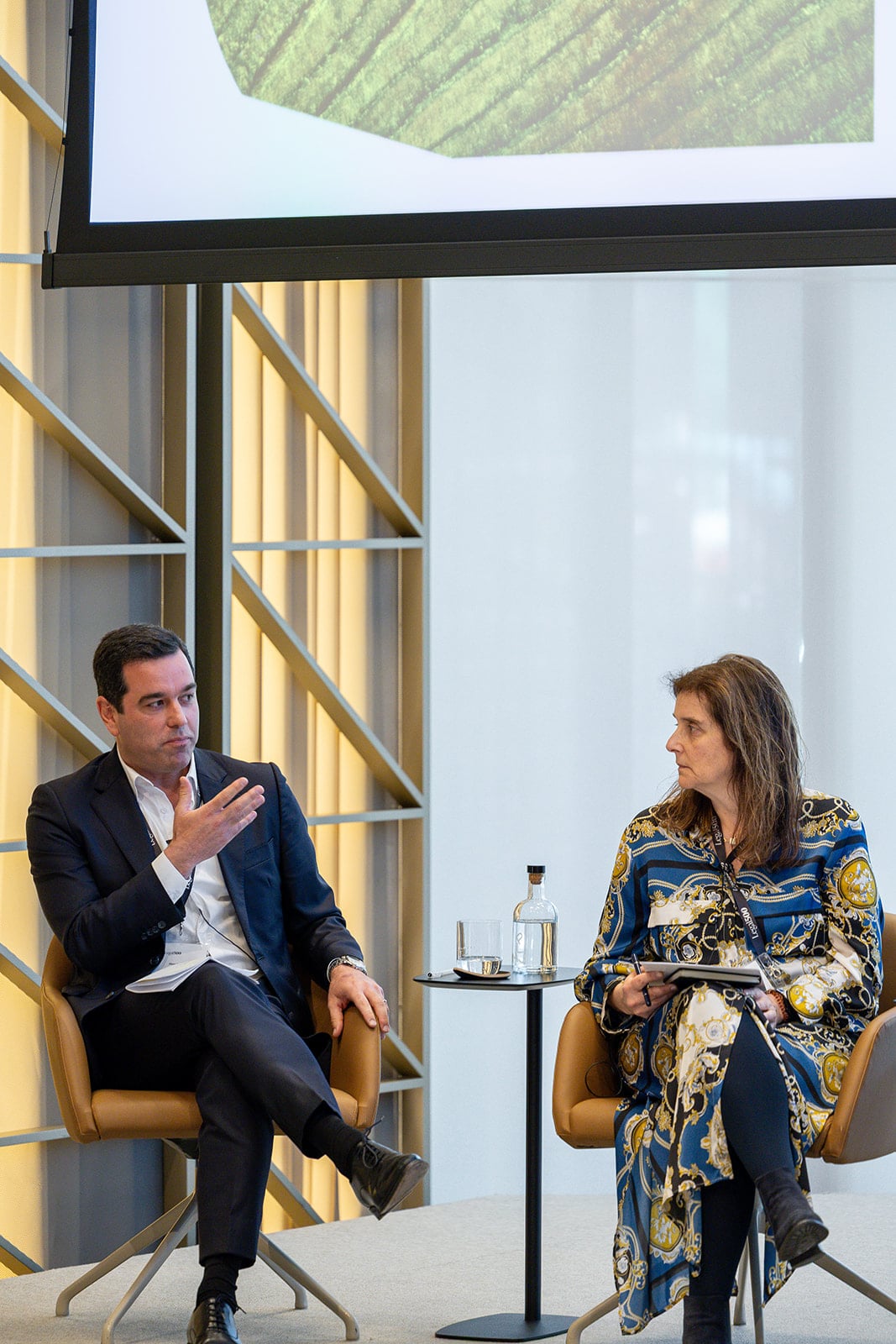
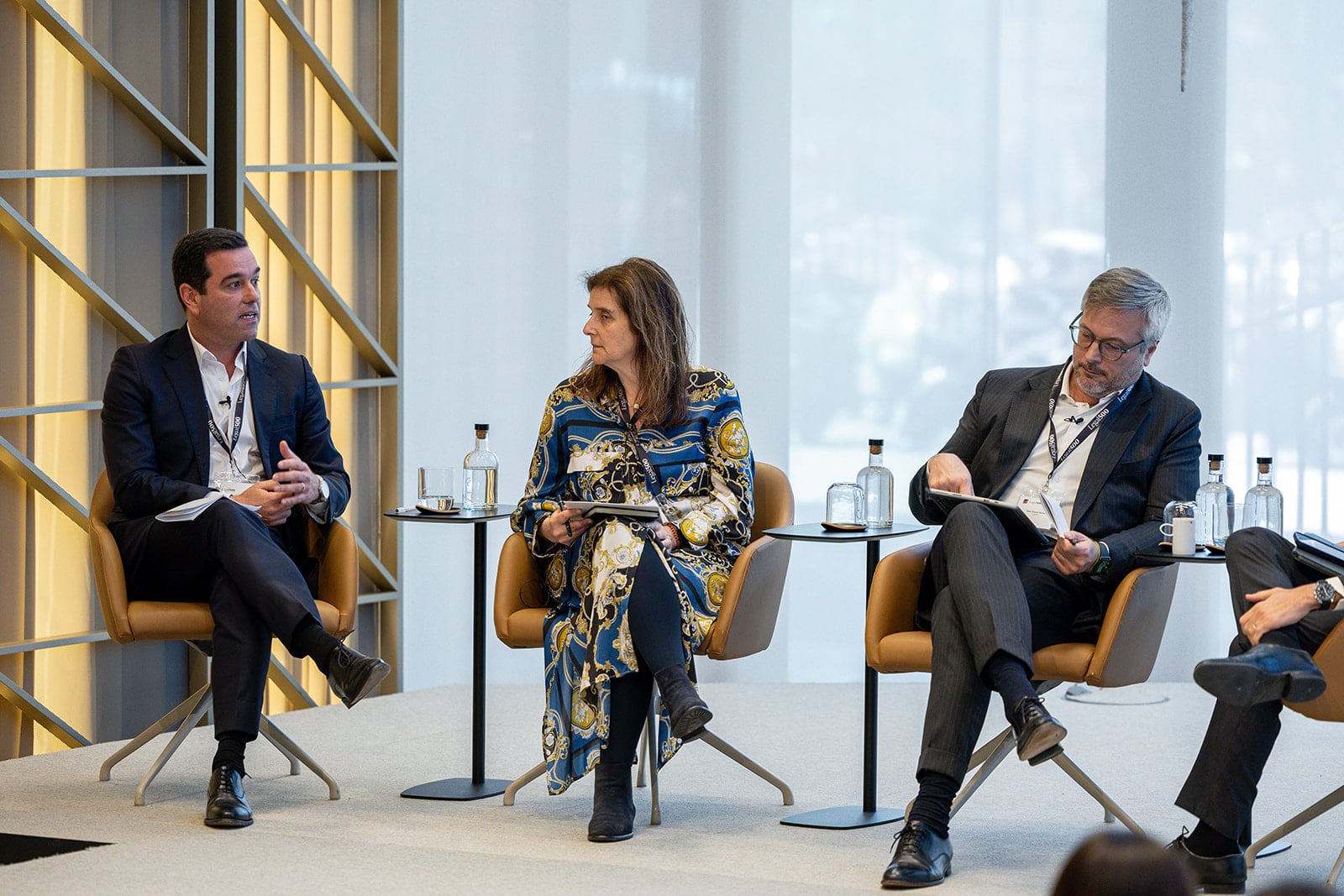
The first panel, moderated by João Marques Mendes, Partner at PLMJ and joined by Cláudia Teixeira de Almeida of Banco BPI, Nuno Moraes Bastos of GALP and Diogo Graça of REN, explored how corporate governance and sustainable finance are shaping Portugal’s energy transition. The discussion examined how boards and executive teams are adapting oversight structures to manage transition‑related risks and how legal, compliance, sustainability and procurement functions are increasingly intertwined in project governance. Panellists described the growing influence of financing structures on project execution, noting that lenders’ expectations around ESG metrics, contractor performance and transparency now shape governance decisions from the earliest stages. They also addressed the operational constraints that continue to challenge Portugal’s transition ambitions, including permitting timelines, grid capacity limitations and delivery risk. While acknowledging the complexity of EU‑level frameworks, speakers emphasised that these standards also present strategic opportunities to harmonise practices, unlock investment and strengthen Portugal’s competitive position in the energy transition.
Following a short break, the second panel turned to litigation, liability and the emerging enforcement era surrounding sustainability claims. Moderated by Raquel Azevedo, Partner at PLMJ and featuring contributions from Carla Góis Coelho of PLMJ, Carlos Martins Ferreira of Jerónimo Martins, Filipa Rodrigues Carmona of Caixa Geral de Depósitos and Céline da Graça Pires of NOVA, the session examined the rapid rise of ESG‑driven disputes, investigations and regulatory actions. Panellists discussed the typical trigger points for scrutiny, ranging from sustainability reports and corporate websites to marketing materials and investor presentations, and highlighted how these touchpoints are increasingly tested by regulators, competitors, consumers and NGOs. They analysed recent case law developments and their implications for Portuguese organisations, noting the emergence of more stringent evidentiary standards around disclosures and due‑diligence obligations. The panel concluded that sustainability claims can no longer be treated as aspirational messaging; they now carry the weight of binding legal obligations, requiring more rigorous internal validation and cross‑functional coordination.
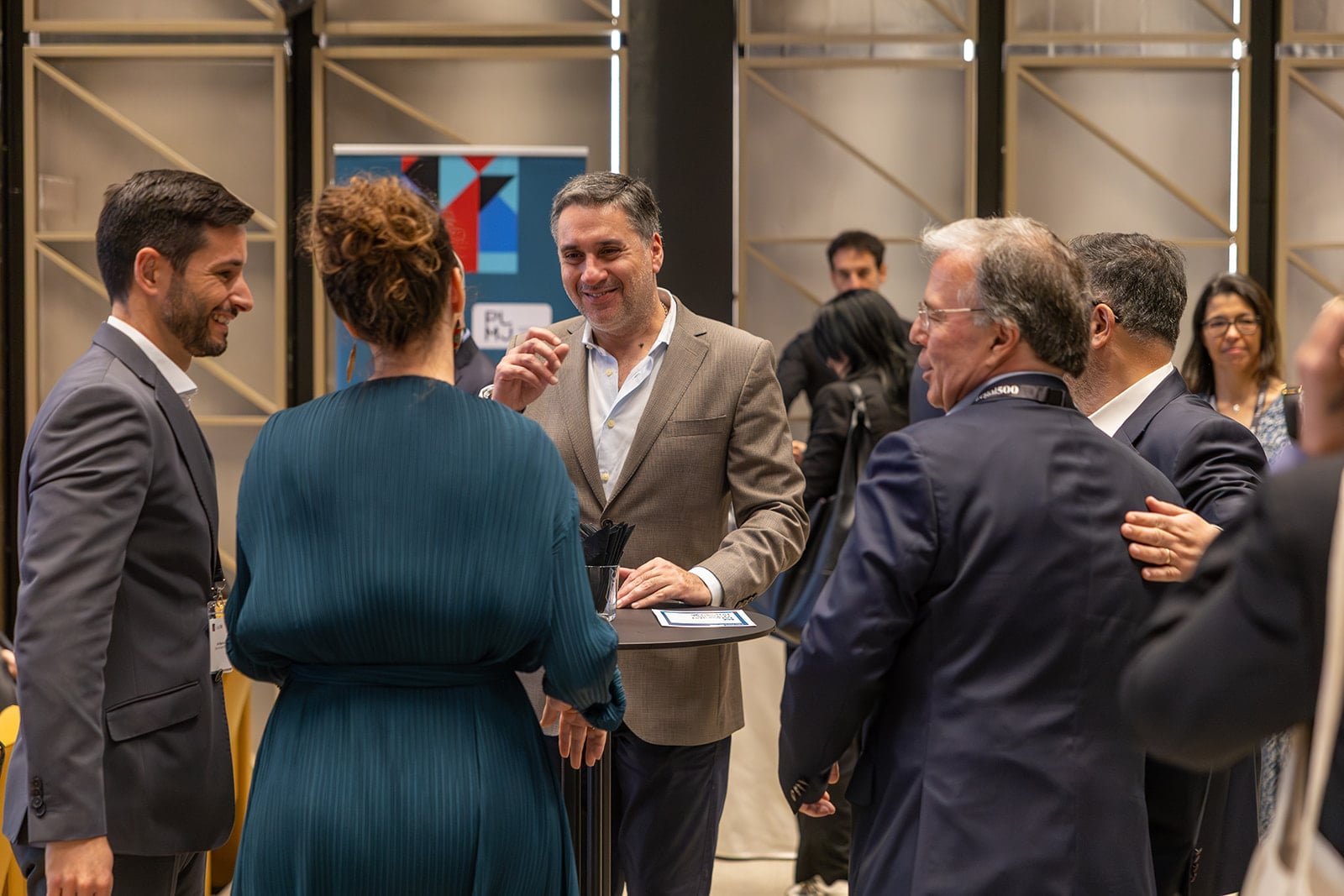
The forum concluded with closing remarks from Francisco Castro, after which attendees were invited to continue their conversations over a light lunch, providing a relaxed setting to deepen connections and reflect on the themes explored throughout the morning.
Legal 500 extends its thanks to PLMJ for its collaboration in bringing this conference format to Portugal’s in‑house legal community. The team looks forward to returning soon for the launch event of this year’s GC Powerlist: Portugal.