
Compliance Officer | thyssenkrupp

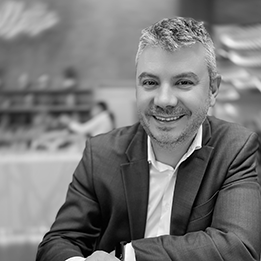
Nikolay Yanev
Compliance Officer | thyssenkrupp
What are the most significant cases, projects, or transactions that you and your legal team have recently been involved in?
Over the past year, I supported the ongoing strategic transformation of the thyssenkrupp Group in a senior legal and compliance advisory capacity, with a strong focus on antitrust governance in complex transformation and transaction scenarios. A central mandate was advising on major M&A‑related initiatives, most notably the sale and carve‑out of thyssenkrupp’s steel business to a strategic investor, where I oversaw antitrust‑compliant transaction governance, including due diligence structuring, VDR access controls, information‑exchange safeguards, participation in expert discussions and formal sign‑off on document flows throughout negotiations. In parallel, I advised executive management on the antitrust assessment and compliant structuring of new business models and cooperation frameworks along the green hydrogen and decarbonisation value chains, ensuring that strategic transformation, innovation and growth initiatives are embedded in a robust, group‑wide competition‑law and compliance framework.
How do you approach managing legal aspects during periods of instability or crisis to ensure the organisation’s resilience?
In periods of instability, my approach focuses on strengthening organisational resilience through a clear and consistent tone from the top and a stable, trusted speak‑up culture across all levels of the organisation. In my role, I advise executive management on how to communicate expectations, make principled decisions under pressure and embed compliance as a reliable framework for action rather than a constraint. This is complemented by pragmatic, risk‑based legal guidance and robust escalation mechanisms, ensuring that issues are identified early, addressed consistently and managed transparently, even in highly dynamic or uncertain environments.
We are currently living through a time of geopolitical change, and the world order that we have come to take for granted for many years is being rewritten. Does this affect your company’s risk profile and, if so, what are you doing to mitigate this?
Yes, geopolitical change has materially altered the company’s risk profile by reshaping the markets we operate in, including exits from jurisdictions affected by sanctions or instability and stricter reassessment of high‑risk business partners. More fundamentally, the increasing erosion of international legal order heightens compliance risks across value chains and within organizations themselves. We mitigate this by strengthening the strategic advisory role of legal and compliance, closely supporting executive decision‑making, and by targeted awareness initiatives to reinforce lawful and principled conduct in an increasingly volatile environment.
Based on your experiences in the past year, are there any trends in the legal or business world that you are keeping an eye on that you think other in-house lawyers should be mindful of?
One key trend is the expanding scope of antitrust enforcement, particularly into labor markets (wage‑fixing and no‑poach arrangements). At the same time, recent cases (Michelin) show heightened scrutiny of public communications, including earnings and analyst calls, which may be viewed as unlawful signaling even when made in a transparency context. In‑house lawyers should therefore extend antitrust awareness beyond sales and procurement to HR functions and senior management communications.
Regional compliance officer | thyssenkrupp
Regional compliance officer | thyssenkrupp


Legal director (Southern Europe, Africa and Middle East) and secretary to the board of directors
ThyssenKrupp
View Powerlist