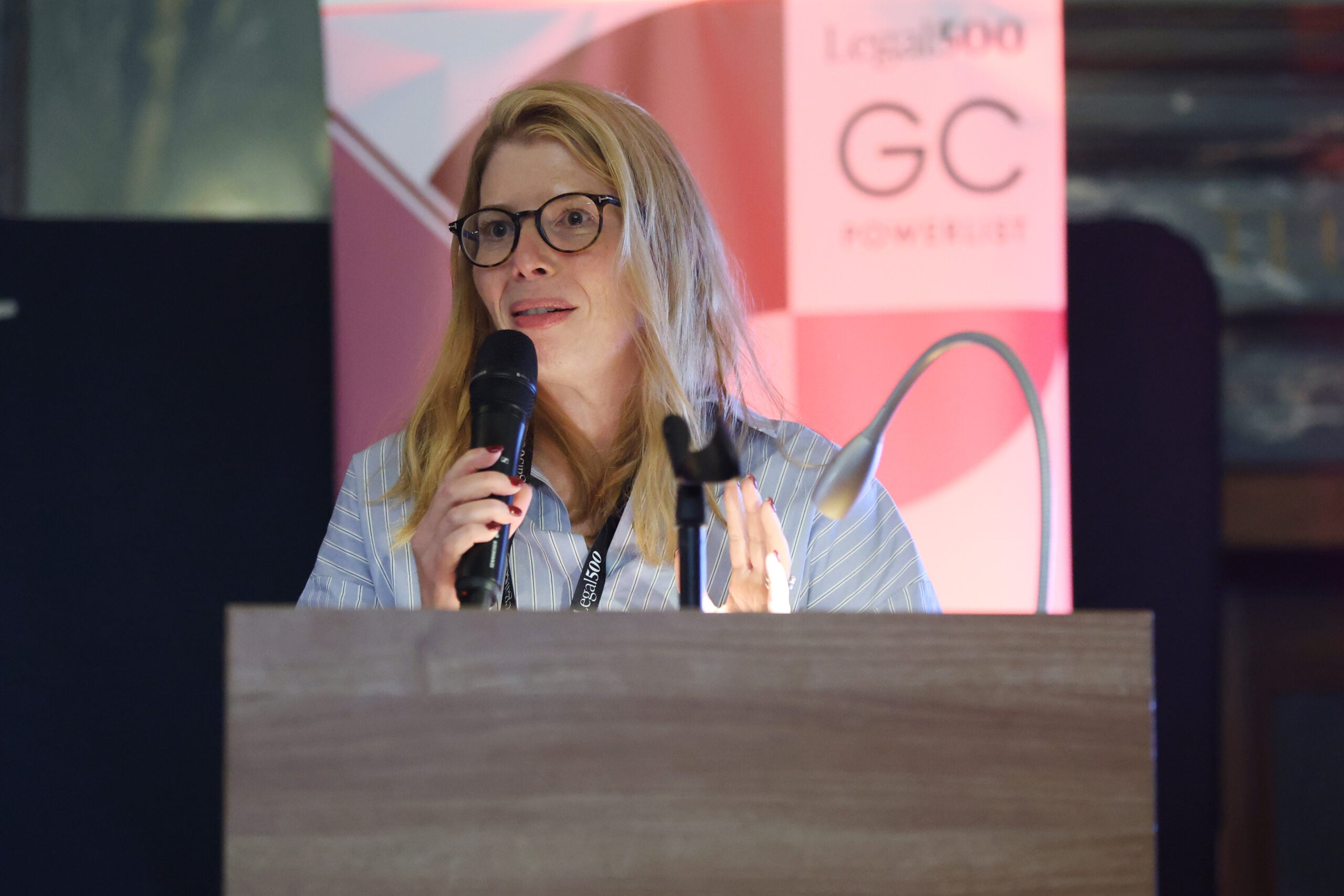
Mexico Rising Stars 2025
Supported by the Association of Corporate Counsel




Legal and compliance associate | Ainda Energía & Infraestructura

Legal markets vice president | Banco J.P. Morgan, Institución de Banca Múltiple


General counsel for specialised business | Grupo Nacional Provincial


OGC personal data protection manager | KPMG Cárdenas Dosal



Senior manager -corporate legal affairs and financing | Finsa



Chief of trademarks and contracts-– Electrolit legal department | Grupo Pisa

Senior aviation regulatory counsel | Volaris

Legal manager and head of data privacy LATAM | L’Oréal LATAM









Corporate legal manager - mergers and acquisitions | America movil



Associate general counsel and data protection officer, Mexico | Cinépolis





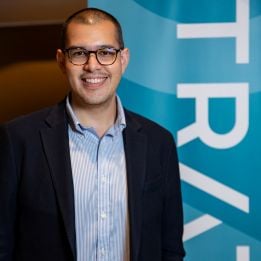
Sr. corporate attorney | International Motors Mexico




Intellectual property and food law manager | Danone de Mexico




Sr. legal manager – contracts, litigations, corporate and supply MÉXICO & CARCA – Core Reckitt | Nutrition | Reckitt/Mead Johnson




Licensing and permitting manager | Grupo Rotoplas

Legal finance manager – Middle Americas zone | Anheuser-Busch InBev






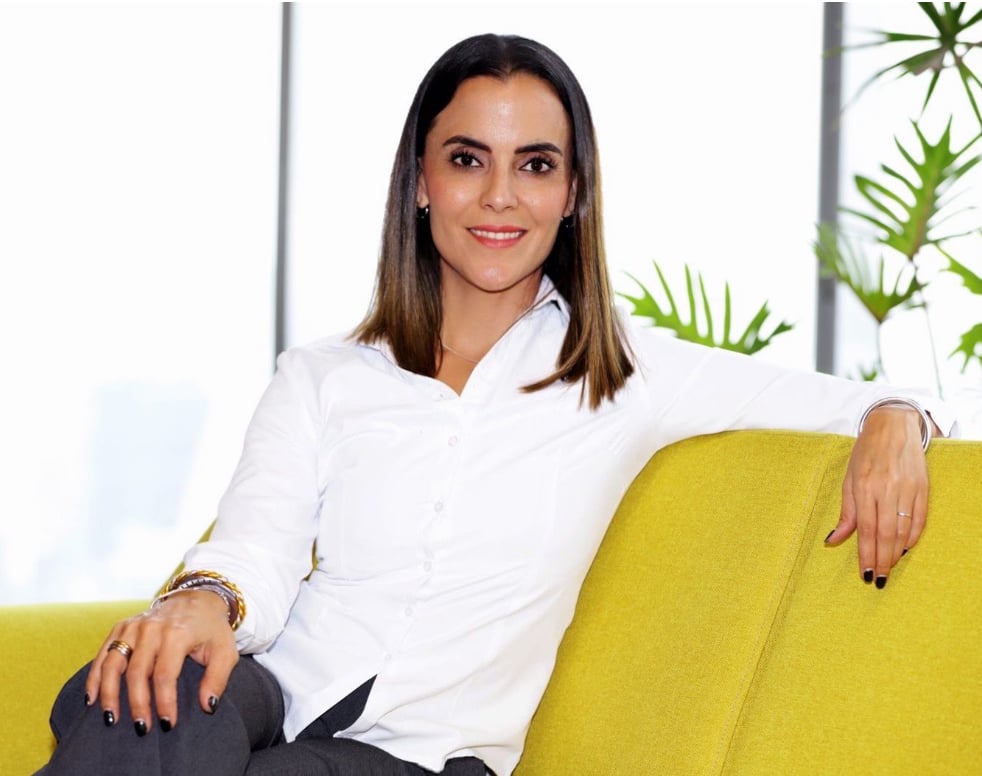




Lead counsel, regulatory, real estate and commercial affairs | General Motors de Mexico
Senior legal, ethics, compliance and quality director | Novo Nordisk






Office of general counsel- senior manager | KPMG Mexico

Head legal advisory officer, contracts, recoveries and legal partners | AXA Seguros
Vice president, legal real estate | Macquarie Asset Management




Head of intellectual property legal | Sigma Alimentos




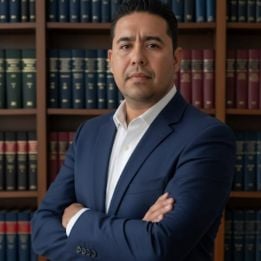




Legal, environmental and regulatory coordinator | Grupo Peñoles


National regulatory affairs counsel | Banco Nacional de México (Banamex)

Senior vice president legal and ethics | Banco Nacional de México (Banamex)

Head of legal, corporate and commercial banking | Banco Sabadell, Institución de Banca Múltiple



Legal manager – mining and infrastructure | Peñoles Industries & Fresnillo
Associate general counsel and data protection officer, Mexico | Forvia
Head of legal – capital markets and contracts | Grupo Financiero Banorte



General counsel | Suntory Global Spirits
I am delighted to present the Mexico Rising Stars 2025.
This edition shines a spotlight on the next generation of legal talent driving innovation, excellence, and impact across Mexico’s in-house and private practice communities. Through this research, I have encountered lawyers who are redefining ambition—combining technical mastery with strategic thinking, agility, and a deep understanding of the evolving business environment.
Mexico’s rising stars are not only exceptional legal professionals; they are change-makers shaping the future of the profession. They bring fresh perspectives to complex challenges, champion collaboration, and embrace technology and innovation as tools to deliver greater value. Their work reflects the growing importance of adaptability, cross-functional insight, and leadership potential within the modern legal landscape.
Across sectors, these emerging leaders are influencing decisions at the highest levels, fostering ethical and sustainable practices, and positioning Mexico’s legal community at the forefront of regional and global transformation. Their achievements demonstrate that the future of law is being built today—by professionals who blend deep expertise with creativity, integrity, and purpose.
The Mexico Rising Stars 2025 celebrates this new generation of lawyers who are not just excelling within their organisations but are also shaping the next chapter of the country’s legal and business success story.
On behalf of The Legal 500, I am proud to recognise their accomplishments and to share their inspiring journeys as they continue to elevate Mexico’s legal community on the global stage.
Margherita Birri,
Research Editor
The Legal 500