Australia and New Zealand are Oceania’s two largest economies and have strong links beyond a feeling of shared culture and geographical proximity. The two countries enjoy extremely close economic and trading ties underpinned by legislation including the 1983 Closer Economic Relations agreement, which allows for free trade in goods and services, while the 1973 Trans-Tasman Travel Arrangement is an informal agreement allowing free movement of citizens between the two countries. Despite these connections, both economies have different vulnerabilities to the winds of global economic change.
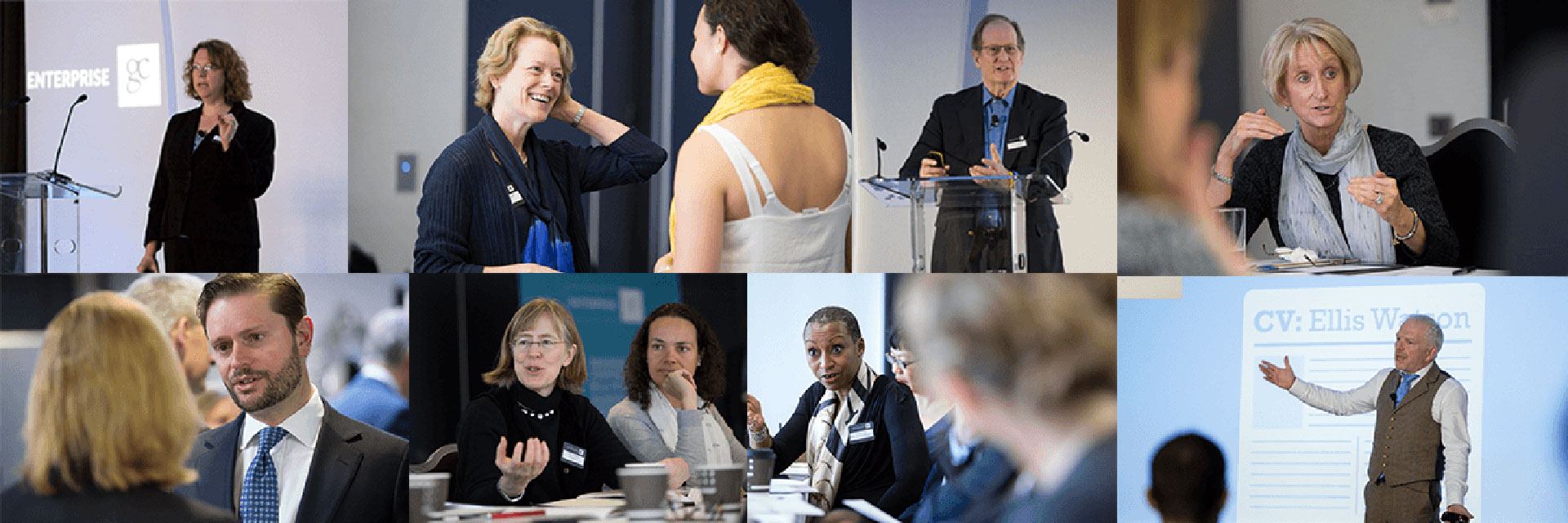
Enterprise GC 2016
Tom Sager, former general counsel for DuPont, addressed attendees on day one about the evolution of the GC role from the perspective of someone who drove significant change within his own legal function at DuPont.
Procurement and legal – a perfect storm
There are some things in life that don’t seem quite right when put together: take Jerry Hall and Rupert Murdoch, everything about Donald Trump and the presidential race, kids and matches, high heels and a nice polished floor. Another awkward anomaly is the procurement department sidling up with in-house legal and attempting to make nice.
GC Powerlist: Mexico
In a world experiencing both economic and political upheaval, North America remains a relative bastion of stability and prosperity globally, with Mexico playing an increasingly important role. Economic growth in particular has been steady, with the International Monetary Fund ranking Mexico as having the 11th highest GDP in the world based on purchasing power parity, and the fifth largest of the ‘emerging markets’ behind China, Brazil, Russia, and India. Trade agreements and a string of key reforms have contributed to the success of the economy, gradually dismantling the perception of Mexico as a third world nation plagued with powerful drug cartels and mass migration to the U.S.
Riding the wave: how engaging with corporate sustainability can help GCs to demonstrate value
GC: Can you tell me about the UN Global Compact and what ‘sustainability’ means for businesses?
Ursula Wynhoven (UW): The Global Compact is the UN’s corporate sustainability initiative. ‘Corporate sustainability’ in this context means the creation of long-term value by businesses in four dimensions: in economic, social, environmental, and ethical or governance terms.
Perfect panelling for the post-public post
Royal Mail is rather like Unilever House, the grand 1930s neoclassical Art Deco building it inhabits on the north side of Blackfriars Bridge. From a distance, it is impressive, monolithic, inspiring nostalgia yet leaving the observer with a twinge of concern about whether such an edifice can survive the ravages of the modern world.
Continue reading “Perfect panelling for the post-public post”
What 18 years in-house taught me about how to advise clients
In late 1998, I stepped onto the seventh floor of Eleven Madison Avenue in New York City. I was interviewing for a job in the litigation group at Credit Suisse First Boston. At the time, I was an assistant United States attorney, thoroughly enjoying my in-court experience and proud to be representing the U.S. government in the federal trial and appellate courts. But my wife and I were expecting a child and we had just bought a house. It was time to find a job in the private sector.
Continue reading “What 18 years in-house taught me about how to advise clients”
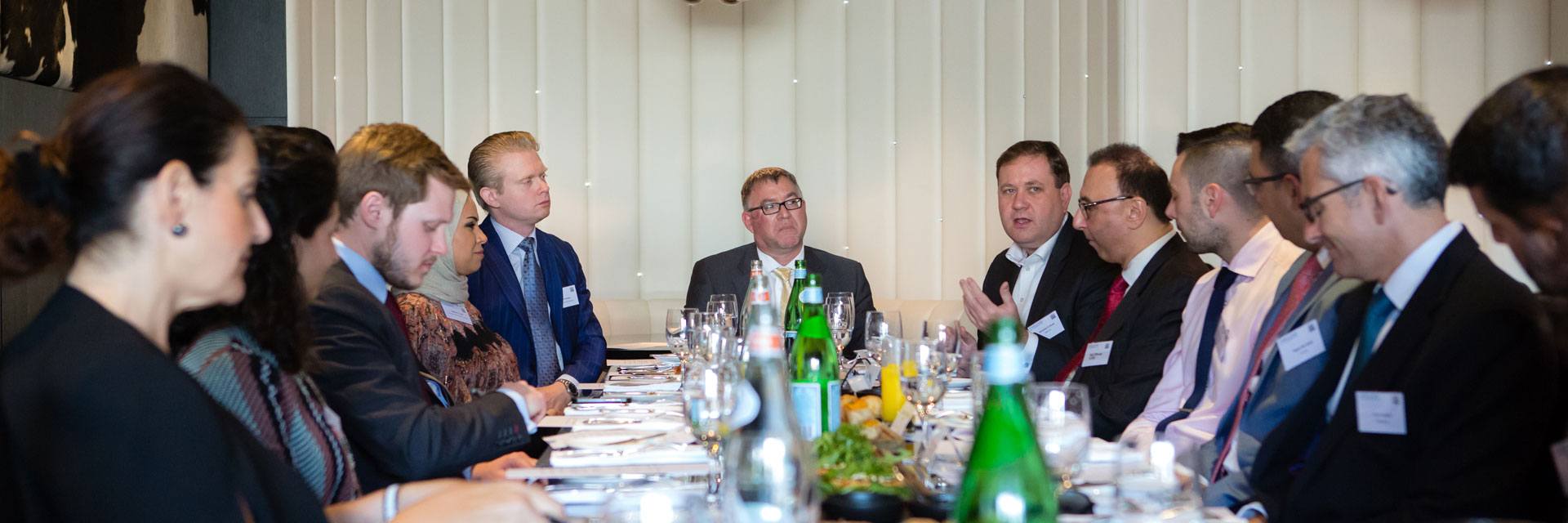
GC Roundtable: Business as usual? Middle East
With a fall in commodity prices prompting fiscal pressures for businesses around the globe, it comes as no surprise that companies in the oil-rich Middle East are feeling the financial pinch. While a number of those in attendance were bullish about medium- term prospects, with factors like the lifting of sanctions and opening up of Iran to trade cited as reasons for optimism, the short-term was undoubtedly a more challenging time with cost pressures a topical issue, irrespective of sector.
Continue reading “GC Roundtable: Business as usual? Middle East”
Focus on… Xerox
In 1981, Xerox devised and released the first computer (though Charles Babbage and Ada Lovelace might well disagree on this point) which took only four hours to master the basics of, and cost a tidy $16,595. It even had an ‘unusual control device’ – or, as we like to call it these days, a mouse.
Who do you want to be?
I meet and spend time with many GC’s from both large, and not so large, organisations. It can be an enriching experience, and though I’ve had the odd crippling disappointment, I enjoy the learning I always gain. Let’s face it – these are, quite frankly, privileged interactions. Recently I had a meeting with a highly respected and well-regarded GC who leads the legal function for a major FTSE 100 company. I hadn’t spoken with them before and had been looking forward to our meeting, as they’ve been written about by others and identified as a role model for those in-house. It took an age to get access and then to finally get the meeting scheduled. To say I was filled with anticipation would be an understatement.