Adams & Adams | View firm profile
15 May 2026
South Africans can’t stop saying it: “kyk wat doen ’n blazer”!
What started as a single video has turned into a nationwide trend — and potentially something far more valuable: a commercial asset.
Goodwill and reputation are invaluable assets in a business. They are known as the forces that attract custom, the things that make customers choose you over everyone else. Traditionally, brands earned that recognition through years of advertising, consistent use and significant commercial investment. Reputation was something built slowly – campaign by campaign, sale by sale.
Enter the blazer. And a goue tekkie.
In today’s digital economy, a single viral moment can create more public recognition in 24 hours than traditional advertising campaigns achieve in years. A phrase, logo, image, or brand can explode across TikTok, X, Instagram, or YouTube overnight, instantly embedding itself in public consciousness and potentially generating enormous commercial value.
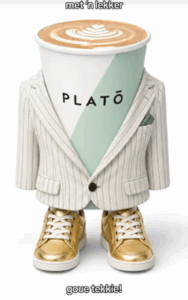
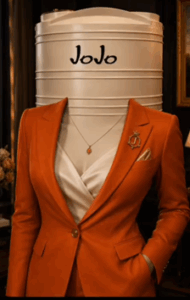
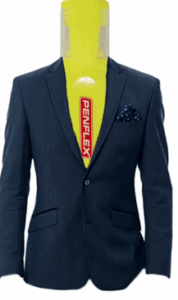
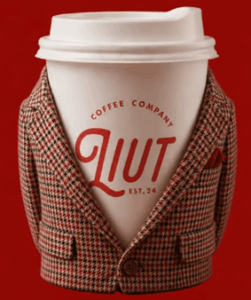
The viral storm around “Kyk wat doen ’n blazer” is the perfect example of this shift. What began as a video posted by social media influencer Farming Blonde in March 2026 to promote the launch of her local clothing line has, within days, swept across South Africa, generating instant virality, with many brands joining the conversation.
 |
 |
 |
 |
 |
 |
The entire country is now “kyking wat doen ’n blazer”, and in the process the brand has gained immediate traction and widespread recognition.
This raises an important trade mark question: can a brand acquire protectable goodwill overnight?
Traditionally, building that protectable consumer recognition meant incurring extensive use and advertising spend. It was considered as needing long-standing market presence and significant sales figures. But virality disrupts the traditional formula. A business no longer necessarily needs years of investment to achieve widespread consumer recognition and the goodwill that goes hand in hand with that. It may well be the case that one viral clip, celebrity moment, meme, or trending hashtag could be enough.
Whilst virality does not automatically translate into enforceable rights, it does change the speed at which enforceable recognition can arise.
Consumers engage with viral content voluntarily, share it rapidly, and emotionally connect with it in ways that paid advertising often struggles to achieve. The power of virality cannot be overstated and IP rights that come into existence as a result, must not be underestimated.
The peculiarity of a viral moment is of course that there is no way of knowing the brink of success. Farming Blonde could not have foreseen the substantial impact this one video would have and the value it would add to her business.
Today it’s a viral slogan. Tomorrow, it could be a protected brand.
Kyk nou net wat doen ‘n blazer!
By Werina Griffiths (Partner) and Nontando Tusi (Senior Associate)