Share on LinkedInShare on LinkedIn

ARTICLE · 05 JULY 2024

U.S. Residential Solar Growth Slows, But Opportunity Knocks: 5 Ways To Unlock The Door

Residential solar has long been viewed as the easiest route to accelerate the energy transition, given low project and financing costs, and hefty tax incentives (i.e., IRA).

United StatesEnergy and Natural Resources

Residential solar has long been viewed as the easiest route to accelerate the energy transition, given low project and financing costs, and hefty tax incentives (i.e., IRA). Installations grew at a strong clip from 2020 through 2023 (see Figure 2).

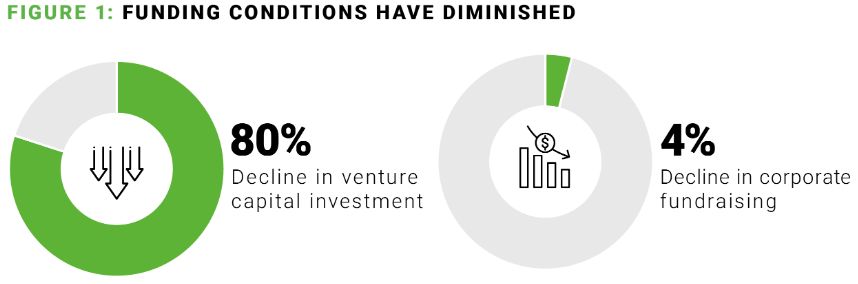
The solar market in the U.S, however, has experienced a fresh round of stress over the last year. Venture capital investment has declined approximately 80% versus the same period in 2023, and corporate fundraising is down 4%.

1488292a.jpg

Homeowners in some jurisdictions face subsidy reductions despite increasing capital costs, which presents financial challenges when considering residential solar. Meanwhile, higher financing, labor, and customer acquisition costs squeeze the companies trying to sell to them. These factors are exerting pressure while the Inflation Reduction Act entices companies to move critical components production to the U.S.

We operate a free-to-view policy, asking only that you register in order to read all of our content. Please login or register to view the rest of this article.

The content of this article is intended to provide a general guide to the subject matter. Specialist advice should be sought about your specific circumstances.

See more popular content from