As celebrities like Taylor Swift, Luke Littler, and Matthew McConaughey increasingly turn to trade mark law to protect their voices, faces, and personal likenesses from AI-generated deepfakes, a critical question emerges: can trade mark registration truly safeguard personal identity in the age of generative AI? This article examines the legal strategies, commercial rationale, and inherent limitations of using trade mark law as a shield against unauthorized exploitation of celebrity personas.
South AfricaIntellectual Property
In April 2026, Taylor Swift’s company, TAS Rights Management, filed three new trade mark applications with the United States Patent and Trademark Office ("USPTO"), seeking to protect both her spoken voice and a distinctive visual image from the Eras Tour. The filings, which include two “sound marks” (Taylor speaking the phrases "Hey, it's Taylor Swift," and "Hey, it's Taylor") and a visual trade mark (shown below) represent the most ambitious attempt yet by a celebrity to deploy trade mark law as a shield against AI-generated deepfakes.
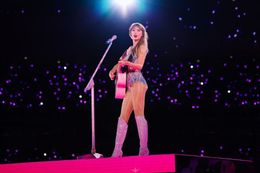
*Image credit: USPTO
Swift’s strategy is not without precedent: in March 2026, 19-year-old darts sensation, Luke Littler, applied to the United Kingdom Intellectual Property Office ("UKIPO") to register his face as a trade mark and actor Matthew McConaughey has similarly filed to protect his likeness at the USPTO. Together, these developments raise important questions about the scope and limitations of trade mark law as a tool for protecting
We operate a free-to-view policy, asking only that you register in order to read all of our content. Please login or register to view the rest of this article.
The content of this article is intended to provide a general guide
to the subject matter. Specialist advice should be sought about your
specific circumstances.
View source