Generative AI has evolved rapidly since the release of ChatGPT.
What's different a year later, and what is the practical
meaning for businesses?
Generative AI burst into public consciousness with OpenAI's
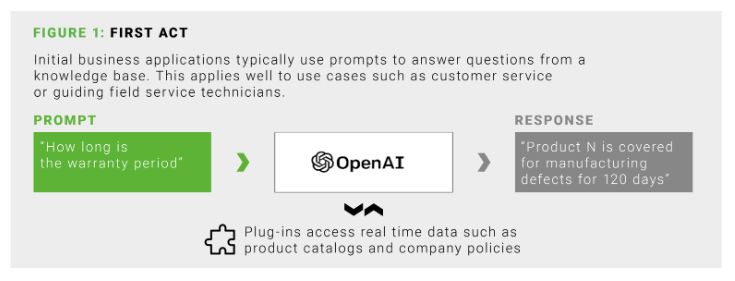
ChatGPT in November 2022. Initially, its applications used a simple
pattern of text-based prompts and answers. However the model's
usefulness was limited by a "knowledge cutoff" of
September 2021.
OpenAI soon followed with plug-ins that link large language
models to other software programs. These plug-ins have the
capability to perform tasks, including accessing real-time
information such as inventory updates or pricing.
What's changed in the last year?
Generative AI applications can now go beyond text to include
imagery and sound, use a broad range of models, and more readily
connect with company data to perform complex analyses.






