Voluntary Carbon Markets (VCMs), estimated to be worth $250bn by 2030, face significant risks due to their newness and lack of regulation. Key issues include greenwashing, inconsistent carbon accounting methodologies, scrutiny of verifiers, and human rights concerns in offsetting projects. The evolving nature of VCMs will likely lead to litigation as the industry matures.
United KingdomEnergy and Natural Resources
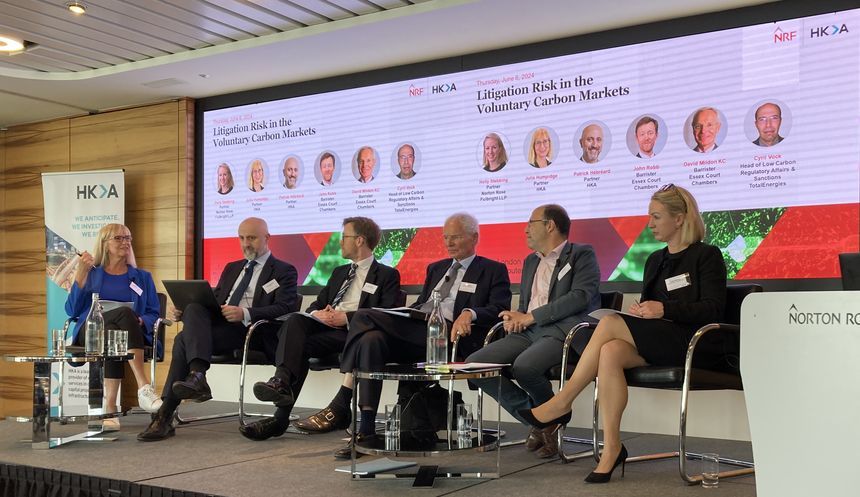
The Voluntary Carbon Markets could play a vital role in the
energy transition with some estimating the industry will be worth
US$250bn by 2030. However, the VCMs are still relatively new and
largely unregulated, with differing standards and methodologies for
carbon accounting, which leaves the market vulnerable to litigation
risk.
As part of LIDW, I was joined on this panel by colleagues from
across the legal industry to discuss some of the disputes risk
facing those participating in the market. Here are some key
takeaways from our discussion.
- While not the only mechanism for offsetting carbon emissions,
carbon credits have emerged as the most popular. These credits
allow corporates and other organisations to offset their emissions
by investing in projects which reduce greenhouse gas emissions
elsewhere. One of the major issues for those using carbon credits
is the risk of greenwashing – companies need to be clear what
terms like "net zero" and "carbon
We operate a free-to-view policy, asking only that you register in order to read all of our content. Please login or register to view the rest of this article.
The content of this article is intended to provide a general guide to the subject matter. Specialist advice should be sought about your specific circumstances.
View source







