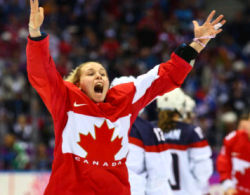
The gold medal women's hockey game between Canada and the US
was the event I was most looking forward to during the PyeongChang
Olympics — but I fell asleep. Despite my best efforts, with
an 11pm local start time, overtime and a shootout, I had no chance
of staying up. It's this one game every four years that holds
special meaning (read, gets the best publicity in terms of
women's hockey), and I missed the thrilling ending.
Over the past century, women's sport has come a long way:
from originally not being allowed to compete in the Olympics at
all, to currently competing in every event that men compete in.
And there have been other signs of progress. A 2017 survey by
BBC Sports found that 35 out of 44 major sports actually pay equal
prize money to men and women. That proportion is not bad, except
that the survey only looked at prize money for world championships
and events of an equivalent standard. It did not include wages,
bonuses or sponsorships, which