Share on LinkedInShare on LinkedIn

ARTICLE · 12 JANUARY 2024

Adding A Word Or Distinctive Design To A Mark Sometimes Can Avoid A Likelihood Of Confusion

Cowan, Liebowitz & Latman, PC
Contributor
Cowan, Liebowitz & Latman, PC

Cowan, Liebowitz & Latman, PC

Cowan, Liebowitz & Latman (CLL) is recognized worldwide as a leading intellectual property law and...

View firm profile
Explore more from Cowan, Liebowitz & Latman, PC

Many times, two marks have been found likely to be confused despite (1) the addition of a second word to the later mark (found not to overcome that mark's use of the identical or similar word...

United StatesIntellectual Property

Many times, two marks have been found likely to be confused despite (1) the addition of a second word to the later mark (found not to overcome that mark's use of the identical or similar word used by the prior mark), or (2) different design features (which were found to be dominated by the identical or similar word portions of the marks).

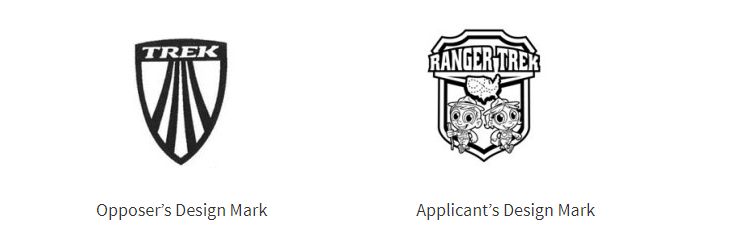
However, a different result was upheld by the U.S. Court of Appeals for the Federal Circuit ("CAFC") in affirming a decision by the Trademark Trial and Appeal Board ("TTAB") that the marks-in-issue were not likely to cause confusion.

1411624a.jpg

Trek Bicycle Corporation uses its famous registered mark TREK (in plain lettering and with a shield design) for bicycles and bicycle accessories. Trek also uses its mark for bags in Class 18 and for clothing in Class 25.

We operate a free-to-view policy, asking only that you register in order to read all of our content. Please login or register to view the rest of this article.

The content of this article is intended to provide a general guide to the subject matter. Specialist advice should be sought about your specific circumstances.


See more popular content from

