
Share on LinkedInShare on LinkedIn

ARTICLE · 21 OCTOBER 2026

Can There Be Too Little Use To Preserve A Right In A U.S. Trademark Registration?

Cowan, Liebowitz & Latman, PC
Contributor
Cowan, Liebowitz & Latman, PC

Cowan, Liebowitz & Latman, PC

Cowan, Liebowitz & Latman (CLL) is recognized worldwide as a leading intellectual property law and...

View firm profile
Explore more from Cowan, Liebowitz & Latman, PC

Can the sale of just four saxophones over three years be enough to prevent a U.S. trademark registration from being cancelled for abandonment? This case examines the critical distinction between minimal use and bona fide use in trademark law, exploring what constitutes sufficient commercial activity to maintain trademark rights when a historic brand is challenged by a competitor.

United StatesIntellectual Property

A U.S. trademark registration may be cancelled for abandonment if, among other things, (1) the mark has not been used in U.S. commerce, and (2) there is not an intent to resume (or to commence) its use. “Use” means “the bona fide use of such mark made in the ordinary course of trade, and not made merely to reserve a right in a mark.” Nonuse of a mark for three consecutive years creates a presumption of its abandonment. We discussed these rules in our article entitled “Abandonment Rules Clarified for Madrid Protocol Extensions to the U.S.”

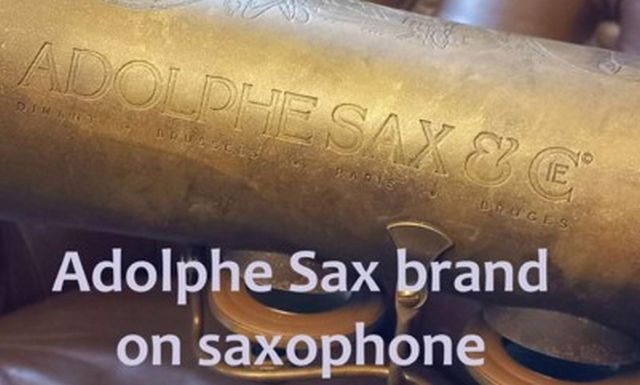
Will the sale in the U.S. of four saxophones over a three-year period be sufficient to rebut a nonuse abandonment claim?

1857504a.jpg

Background

Antoine-Joseph "Adolphe" Sax, a Belgian inventor and musician, invented the saxophone in the early 1840s. He moved his workshops to Paris in 1842, and he died in 1894.

We operate a free-to-view policy, asking only that you register in order to read all of our content. Please login or register to view the rest of this article.

The content of this article is intended to provide a general guide to the subject matter. Specialist advice should be sought about your specific circumstances.

See more popular content from

