Overview
Most AI compliance programs include a requirement to “minimize risks,” a critical goal. But unless your organization can clearly define acceptable residual risk, your compliance plan can quickly devolve from mitigating risk to eliminating risk – along with any benefits.
Trying to eliminate risk completely will bring any AI rollout, even ones that are operationally and morally sound, to a grinding halt. To help responsibly reduce risk and responsibly adopt AI, risk minimization needs guardrails, standards, and tools.
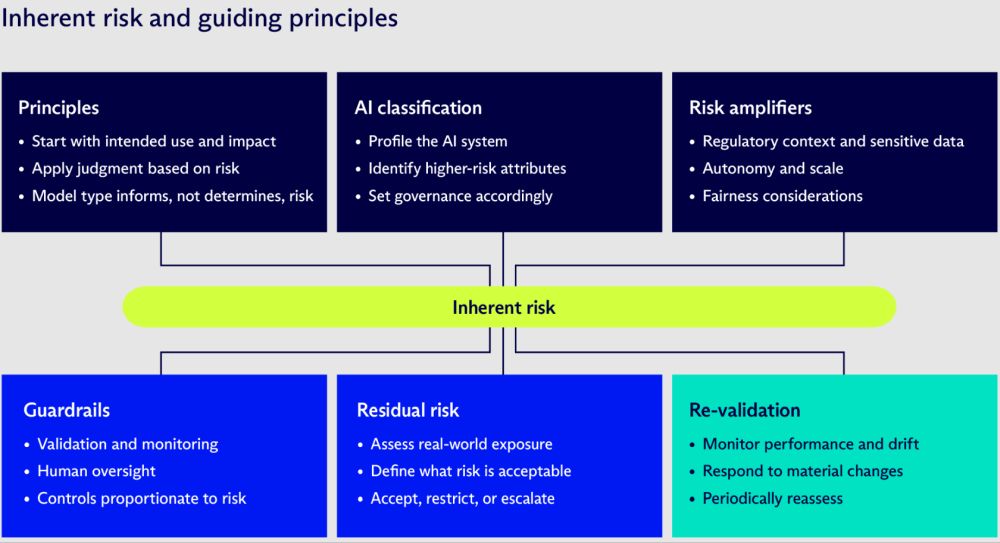
To get started, your company can take these steps:
Justify the need
First, decide whether any risk at all is worth it for your institution. There is tremendous pressure to adopt AI for the sake of adopting AI. But adoption motivated by the fear of not having a splashy AI announcement will not generate results, improve outcomes, or otherwise deliver on AI’s promise. Fear of being left behind can lead to the wrong incentives to pilot and adopt AI tools. This






