Share on LinkedInShare on LinkedIn

ARTICLE · 21 FEBRUARY 2024

Renewable Energy Losses – Winds Of Change

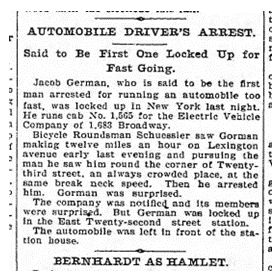
It is May 20, 1899. New York City taxicab driver Jacob German is the recipient of the United States' first-ever speeding ticket.

United StatesEnergy and Natural Resources

It is May 20, 1899. New York City taxicab driver Jacob German is the recipient of the United States' first-ever speeding ticket. He whizzed by at 12 miles per hour on Lexington Avenue and was then pursued and remanded by a patrol officer on a bicycle. Perhaps more surprising though, is that Mr. German was driving an electric vehicle – the same model that made up the majority of the NYC taxi fleet in the late 1800s until Henry Ford's Model T was introduced to the masses in 1908.

1429532a.jpg

The introduction of the Model T, better roads, and cheap petroleum effectively ended the heyday experienced by the first electric vehicles in the early 1900s and electric vehicle production was largely quiet until the early 1990s when the EV1 and the Prius "bolted" onto the scene. More recently, governmental investment, legislative requirements, and technological advances have led to the largest deployment of electric vehicles in history.

We operate a free-to-view policy, asking only that you register in order to read all of our content. Please login or register to view the rest of this article.

See more popular content from
