Across Nigeria's producing assets, the flare stack has long been a visible symbol of a deeper structural tension: Nigeria is richly endowed with natural gas yet continues to face acute constraints in reliable energy supply. Routine gas flaring sits at the intersection of these realities.
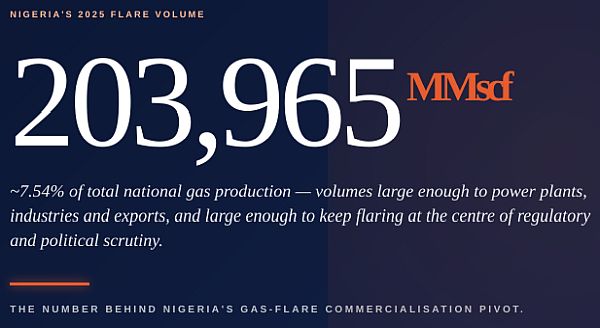
It is environmentally damaging, economically wasteful and, under Nigeria's petroleum framework, broadly prohibited save in defined exceptions. And yet, material flare volumes have persisted, shaped by infrastructure gaps, market and pricing frictions, and an enforcement model that has often been easier to administer than to deter.
For operators, investors, and financiers, the central question is no longer whether Nigeria has rules on flaring. It does. The more important question is whether those rules, together with reliable measurement and investable utilisation pathways, can consistently convert waste into value.