
 " mark with app. No. 32253377
("Disputed Mark"). Beijing Xiaoguncha Co., Ltd.
("Xiaoguancha") filed an opposition against the Disputed
Mark based on its prior marks such as "
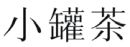 " and "
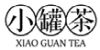 ." Jinjia SU argued that the word
"Xiaoguancha in Chinese" in Xiaoguancha's prior marks
lacked distinctiveness, and the scope of protection should match
its distinctiveness and should not hinder the legitimate use of
other market entities. After trial, the Beijing High Court
determined that the distinctiveness of the words "Xiaoguancha
in Chinese" is not a factor to consider in determining whether
a disputed mark and the cited marks constitute similar trademarks.
If the distinctiveness of cited marks is overemphasized and later
marks allowed to be registered by adding other elements to the
cited marks that have been allowed, it will be seen as a direct
denial of the validity of the cited marks when judging similarity.
This practice not only indirectly
We operate a free-to-view policy, asking only that you register in order to read all of our content. Please login or register to view the rest of this article.
The content of this article is intended to provide a general guide to the subject matter. Specialist advice should be sought about your specific circumstances.





