Share on LinkedInShare on LinkedIn

ARTICLE · 13 JUNE 2018

Federal Circuit Distinguishes Between Enablement And Reasonable Expectation Of Success

In the recent UCB v. Accord opinion, a panel of the Federal Circuit drew a distinction between (i) the enablement of a patentee's claims, and (ii) a reasonable expectation of success in an obviousness analysis.

United StatesIntellectual Property

In the recent UCB v. Accord opinion, a panel of the Federal Circuit drew a distinction between (i) the enablement of a patentee's claims, and (ii) a reasonable expectation of success in an obviousness analysis. The majority found that the presumption of enablement for a claimed genus of compounds did not preclude a finding that there was not a reasonable expectation of success in creating a species falling within that genus.

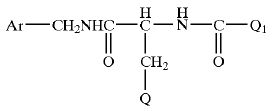
The patent in question (US RE38,551) recites in claim 1 the R-enantiomer of a compound having the formula:

wherein:
Ar is phenyl which is unsubstituted or substituted with at least one halo group;
Q is lower alkoxy; and
Q1 is methyl.

A dependent pinpoint claim (8) recites the compound (R)-N-benzyl-2-acetamido-3-methoxypropionamide. This is the compound of claim 1 wherein Ar is unsubstituted phenyl, Q is methoxy, and Q1 is methyl. This compound is also known as lacosamide, an anti-epileptic drug marketed under the tradename Vimpat®.

We operate a free-to-view policy, asking only that you register in order to read all of our content. Please login or register to view the rest of this article.

See more popular content from

