
Share on LinkedInShare on LinkedIn

ARTICLE · 10 AUGUST 2026

Can You Recognise A Brand By Colour Alone? The Latest Instagram Trend Says Yes – But Trade Mark Law Isn't Quite So Simple

Adams & Adams
Adams & Adams
Contributor
Adams & Adams

Adams & Adams

Who we are: Established in 1908, Adams & Adams is an internationally recognised and leading African...

View firm profile
Explore more from Adams & Adams

Instagram's viral colour-swatch trend has brands proving their visual identity without logos or names—but does consumer recognition translate into legal protection? This analysis explores whether colour alone can function as a trade mark under South African law, examining the high evidential threshold required and lessons from landmark disputes involving Cadbury's purple and Louboutin's red sole.

South AfricaIntellectual Property

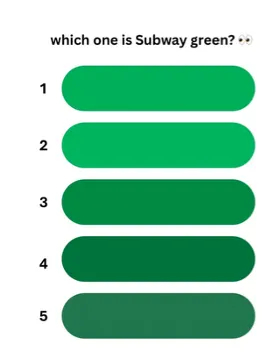
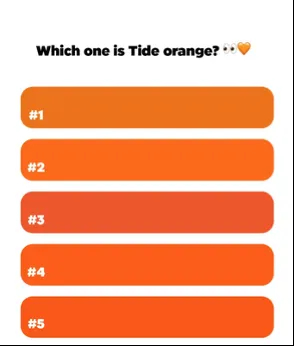
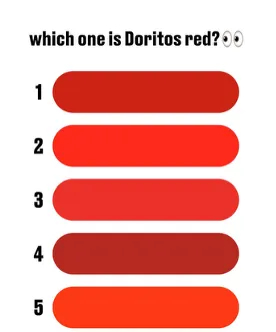
Instagram’s latest branding trend is simple: remove the logo, remove the name, and leave only colour swatches to choose from. Surprisingly, as it would appear from the comments and user engagement, most people can still identify the brand’s colour palette and even a specific pantone within seconds.
1828322a.jpg 1828322b.jpg 1828322c.jpg

Whether it is the unmistakable purple of Cadbury, Tiffany’s iconic blue, or Louboutin’s famous red sole, the trend is a reminder that colour on its own has become one of the most powerful branding tools available.

It also raises an interesting legal question: can a business monopolise a colour?

Unlike traditional trade marks such as words or logos, colours are subjected to greater scrutiny before being considered indicators of origin. The reason is straightforward. Colours are a limited resource, and granting businesses exclusive rights too readily could unfairly prevent competitors from using ordinary colours in the marketplace.

We operate a free-to-view policy, asking only that you register in order to read all of our content. Please login or register to view the rest of this article.

The content of this article is intended to provide a general guide to the subject matter. Specialist advice should be sought about your specific circumstances.


See more popular content from
