Share on LinkedInShare on LinkedIn

ARTICLE · 17 SEPTEMBER 2009

The Changing Face Of The Builders– Do You Know What A Direct-To-Builder Model Means To You?

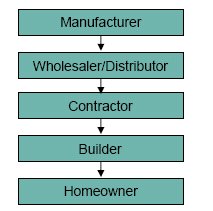
The traditional building materials supply chain (see Figure One) involves many different stakeholders each of which performs a variety of activities directed at delivering the right product to the right place at the right time.

United StatesStrategy
Jim Fogarty
Jim Fogarty
Carl Cullotta
Carl Cullotta

The Traditional Building Materials Supply Chain Model

The traditional building materials supply chain (see Figure One) involves many different stakeholders each of which performs a variety of activities directed at delivering the right product to the right place at the right time.

Figure One—Traditional Building Materials Supply Chain Model

In this model (see Table One on next page), the manufacturer designs and manufactures products aligned with the needs of the homeowner and builder and sells them to the distributor or wholesaler. The distributor or wholesaler (e.g., lumberyard, electrical distributor, plumbing wholesaler) takes possession and title to the products, stocks them (along with a broad array of other products), sells the products to the contractor, bills and collects from the contractor and pays the manufacturer. The contractor generates a bill-of-material for the relevant commodity category for each home model, ensures that it complies with

We operate a free-to-view policy, asking only that you register in order to read all of our content. Please login or register to view the rest of this article.

See more popular content from

