Share on LinkedInShare on LinkedIn

ARTICLE · 07 MAY 2013

Admissions Of "Appropriation Artist" Not Fatal To Copyright Fair Use Defense

The first prong of the fair use defense in copyright infringement cases, the "purpose and character of the use," is often described as an inquiry into whether the allegedly infringing work is "transformative."

United StatesIntellectual Property

The first prong of the fair use defense in copyright infringement cases, the "purpose and character of the use," is often described as an inquiry into whether the allegedly infringing work is "transformative." In other words, does the allegedly infringing work add something new, thus altering the message of the original, or does it essentially just copy (and potentially usurp the market for) the original? A classic example of a transformative use is parody, where the new work "conjures up" (i.e., copies some of) the original in order to criticize it.

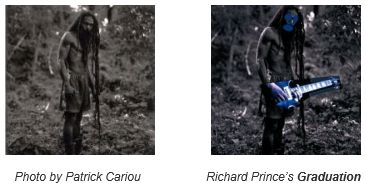
But what if the author of the allegedly infringing work, when asked point blank whether his work was a parody or criticism, says "no"? Does he still have a fair use defense? Yes, held the Second Circuit last week in its opinion in Cariou v. Prince.

We operate a free-to-view policy, asking only that you register in order to read all of our content. Please login or register to view the rest of this article.

See more popular content from

