Share on LinkedInShare on LinkedIn

ARTICLE · 13 NOVEMBER 2019

Part 1 Of A 2 Part Series: A Discussion Of The Legal Framework Surrounding EU Certification Marks

Finnegan, Henderson, Farabow, Garrett & Dunner LLP
Contributor
Finnegan, Henderson, Farabow, Garrett & Dunner LLP

Finnegan, Henderson, Farabow, Garrett & Dunner LLP

Finnegan, Henderson, Farabow, Garrett & Dunner LLP is one of the world’s largest firms focusing on...

View firm profile
Explore more from Finnegan, Henderson, Farabow, Garrett & Dunner LLP

While standard trade marks allow the consumer to identify the commercial origin of a product, certification marks indicate to the consumer that the product or service meets a particular set of standards set by the trade mark owner.

United KingdomIntellectual Property

While standard trade marks allow the consumer to identify the commercial origin of a product, certification marks indicate to the consumer that the product or service meets a particular set of standards set by the trade mark owner. The form of certification could be that the material, manufacturing process or the quality of the product meets certain standards.

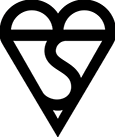
Well-known certification marks include the British Standards Kitemark  which informs the consumer that the products meet standards as determined by British Standards (usually relating to safety and quality management). The Woolmark is a highly recognised certification mark which demonstrates that the material and other goods have been quality tested by The Woolmark Company.
We operate a free-to-view policy, asking only that you register in order to read all of our content. Please login or register to view the rest of this article.

The content of this article is intended to provide a general guide to the subject matter. Specialist advice should be sought about your specific circumstances.

See more popular content from


