Share on LinkedInShare on LinkedIn

ARTICLE · 15 OCTOBER 2018

Obscure Disclosures – Burden Of Proof Is On The Right Holder

J A Kemp
J A Kemp
Contributor
J A Kemp

J A Kemp

J A Kemp is one of the largest European patent and trade mark attorney firms, with offices in...

View firm profile
Explore more from J A Kemp

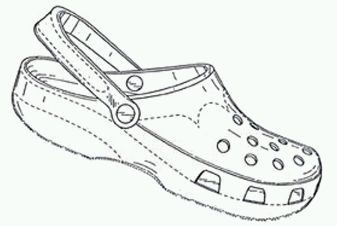
Then, in 2013, Gifi Diffusion brought invalidation proceedings against Crocs' design, again arguing for a lack of novelty.

European UnionIntellectual Property

The novelty requirements for EU registered designs have peculiar provisions aiming to protect the validity of designs from obscure disclosures outside the EU.  The Crocs case (T-651/16) provides some pointers as to when an internet disclosure might be considered obscure but holds that there is a presumption that a website will have been seen by someone from the relevant sector within the EU despite the fact that the designer's business was located outside the EU.

In order for an EU design registration to be valid, the Community Design Regulation 6/2002/EC requires, inter alia, that the design is novel (Art 5) and has individual character (Art 6) over the prior art.  The prior art, according to Art 7, excludes disclosures made within a grace period of 12 months before the filing date of the design application or a validly claimed priority date.  Outside the 12-month grace period, however, disclosures of any form will count as prior art, except where the disclosure

We operate a free-to-view policy, asking only that you register in order to read all of our content. Please login or register to view the rest of this article.

See more popular content from


