

Share on LinkedInShare on LinkedIn

ARTICLE · 07 DECEMBER 2023

Moore v. U.S. – A Case For The Ages To Be Decided By Supreme Court

The comedian, Mel Brooks, once uttered a quip for the ages: "It's good to be king!" The thrust of the statement was that those in power can do what they want.

United StatesTax

INTRODUCTION

The comedian, Mel Brooks, once uttered a quip for the ages: "It's good to be king!" The thrust of the statement was that those in power can do what they want. The Moore case challenges that notion when it comes to tax legislation by asking whether the Constitution of the U.S. places limits on the ability of Congress to tax what is essentially unrealized income.

1399120a.jpg

THE CASE

The Facts

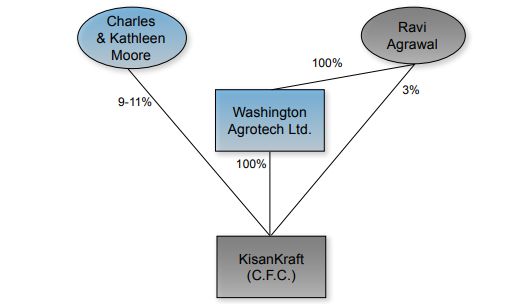
In 2006, Charles and Kathleen Moore invested $40,000 for an 11%1 stake in KisanKraft Machine Tools Pvt. Ltd., an Indian corporation in the business of farming equipment. KisanKraft was founded and controlled by a friend of Moores, Ravi Agrawal. Mr. Agrawal held 3% of KisanKraft directly and 80% through a wholly owned U.S. corporation. Throughout the Moores' involvement with KisanKraft, the company retained all of its earnings and profits and never made a distribution to its shareholders. Nonetheless, the Moores were liable for a tax known as the "transition tax," a

We operate a free-to-view policy, asking only that you register in order to read all of our content. Please login or register to view the rest of this article.

The content of this article is intended to provide a general guide to the subject matter. Specialist advice should be sought about your specific circumstances.

See more popular content from
