Laws that prevent trademark infringement are primarily consumer
protection statutes. Their purpose is to prevent consumers
from being confused or misled in the marketplace. If a
consumer reaches for a Tide® detergent, he should know what he
is getting. Not that it is the best or the worst detergent
available. And not even the fact that it comes from Procter
& Gamble.
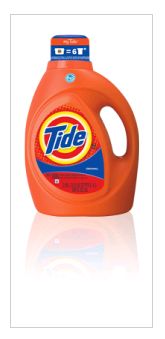
The trademark tells him that this bottle includes the same
detergent that he bought last time, because both bottles came from
a single source and that source controls the quality of the
product.
Although courts look at a number of factors in determining
whether a trademark infringes, the most important considerations
are the degree of similarities between the two marks (senior mark
and junior mark) and the degree of similarities between the goods
(or services) with which the marks are used.





