
Share on LinkedInShare on LinkedIn

ARTICLE · 22 JULY 2026

Federal Court Halts OBBBA TPS Work Authorization Changes, Preserving 540-Day Extensions

Seyfarth Shaw LLP
Seyfarth Shaw LLP
Contributor
Seyfarth Shaw LLP

Seyfarth Shaw LLP

Our high-caliber legal representation and advanced delivery capabilities allow us to take on our...

View firm profile
Explore more from Seyfarth Shaw LLP

A federal court has temporarily paused the loss of work authorization for certain Temporary Protected Status beneficiaries under the One Big Beautiful Bill Act, creating immediate compliance implications for employers who were preparing to reverify or terminate affected employees. The ruling preserves previously available 540-day automatic EAD extensions while litigation proceeds, though the stay may be lifted by higher courts.

United StatesImmigration

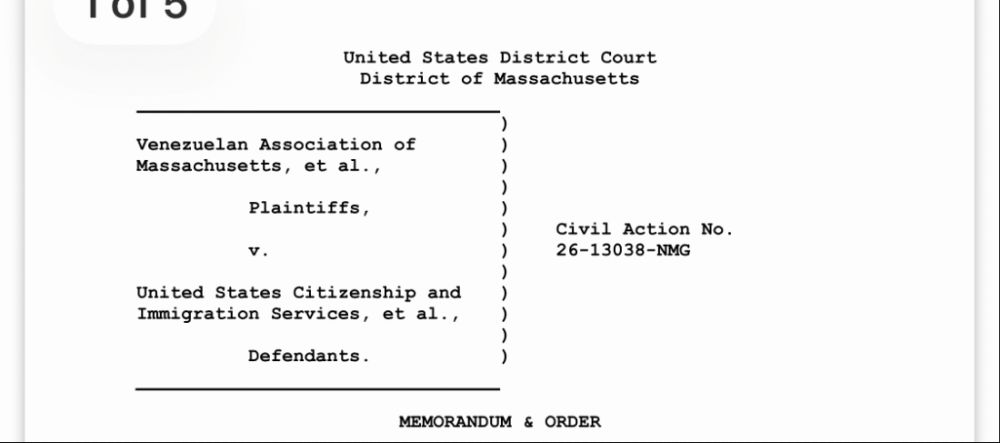
As we noted last week, certain Temporary Protected Status (TPS) beneficiaries were set to lose work authorization tomorrow under the One Big Beautiful Bill Act (OBBBA). Earlier today, a federal court temporarily paused that change.

1821150a.jpg

What does this mean:

For now, employers should not reverify, suspend, or terminate employees based solely on the anticipated July 22 loss of TPS-related employment authorization under the OBBBA amendments. If an employee was already eligible to rely on a 540-day automatic extension of an Employment Authorization Document (EAD) before the law took effect, that automatic extension remains available while the court’s order is in place.

Specifically, previously extended TPS Employment Authorization Documents (EADs) remain valid until their earlier extension dates. This means TPS beneficiaries who presented an A12 or C19 EAD with a Form I-797C receipt may continue working for the full 540-day extension period, even if that date falls after July 22, 2026.

We operate a free-to-view policy, asking only that you register in order to read all of our content. Please login or register to view the rest of this article.

The content of this article is intended to provide a general guide to the subject matter. Specialist advice should be sought about your specific circumstances.

See more popular content from
