Share on LinkedInShare on LinkedIn

ARTICLE · 19 JUNE 2025

Demystifying PE-Backed Boards: Opportunity, Risk, And The Evolving Role Of Directors

Mintz, Levin, Cohn, Ferris, Glovsky and Popeo, P.C.
Contributor
Mintz, Levin, Cohn, Ferris, Glovsky and Popeo, P.C.

Mintz, Levin, Cohn, Ferris, Glovsky and Popeo, P.C.

Mintz is a litigation powerhouse and business accelerator serving leaders in life sciences, private...

View firm profile
Explore more from Mintz, Levin, Cohn, Ferris, Glovsky and Popeo, P.C.

Private equity boards often carry a certain mystique — and, let's face it, a bit of stigma.

United StatesCorporate/Commercial Law

1638800a.jpg

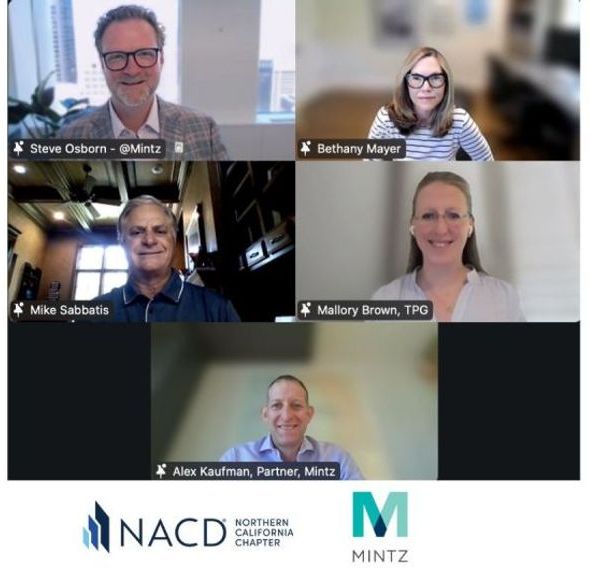
Private equity boards often carry a certain mystique — and, let's face it, a bit of stigma. Many directors react to the idea with hesitancy, imagining high pressure, constant turnover, and limited governance influence. But as our recent NACD panel explored, the reality is far more nuanced — and often, far more rewarding.

We brought together a stellar group of panelists — Bethany Mayer, Mike Sabbatis, Mallory Brown, and Alex Kaufman — to share their perspectives on how directors can thrive on PE-backed boards. Here are the key takeaways from our discussion:

1. Roles on PE Boards Vary More Than You Think

PE boards aren't one-size-fits-all. Mallory Brown of TPG explained that roles can include independent directors, operating partners, investment partners, and more — with expectations shifting based on company maturity, sector, and investment thesis.

We operate a free-to-view policy, asking only that you register in order to read all of our content. Please login or register to view the rest of this article.

The content of this article is intended to provide a general guide to the subject matter. Specialist advice should be sought about your specific circumstances.

See more popular content from


