
Caplin & Drysdale, Chartered > Washington DC, United States > Firm Profile
Caplin & Drysdale, Chartered Offices

ONE THOMAS CIRCLE, NW, SUITE 1100
WASHINGTON, DC 20005
DISTRICT OF COLUMBIA
United States
- Go to...
- Rankings
- Firm Profile
- Lawyer Profiles
Caplin & Drysdale, Chartered > The Legal 500 Rankings
Tax > US taxes: contentious Tier 2
Boutique tax firm Caplin & Drysdale, Chartered is a leading name for the representation of businesses and private individuals in both civil and criminal tax matters, with experience handling domestic and international disputes. The department has notable expertise representing clients with unreported offshore assets, with clients from the US and overseas. Scott Michel, who has over 40 years’ experience representing high-net-worth individuals and corporate clients in major criminal tax matters, co-leads the group alongside Christopher Rizek, whose areas of expertise include captive insurance issues, conservation easements, and estate and gift taxes. Niles Elber covers both civil and criminal tax controversies, and has a long history in offshore compliance matters, a focus shared by Mark Matthews, who has experience in active criminal tax investigations, civil audits, and voluntary disclosures. Also key are Charles Ruchelman, who specializes in corporate income tax and transfer pricing disputes, and Victor A. Jaramillo, who has expertise in international disputes. All lawyers named are based in Washington DC.Practice head(s):
Scott Michel; Christopher Rizek
Other key lawyers:
Niles Elber; Mark Matthews; Charles Ruchelman; Mark Allison; Victor Jaramillo
Testimonials
‘I have worked with Scott Michel and Niles Elber for many years where there is US tax exposure. They are knowledgeable, accessible and have a deep understanding of the US tax bureaucracy. They also relate well to my clients who are extremely vulnerable.’
Work highlights
Tax > International tax Tier 3
Caplin & Drysdale, Chartered advises on number of cross-border issues such as proposed regulations, GILTI foreign-tax credit basketing issues and remedies for BEAT exposure. The practice is also experienced in international transfer pricing issues including tax planning advice on compliance with US and foreign rules. Clark Armitage co-heads the team and is routinely involved in defending tax audits and other administrative controversies. Other co-head David Rosenbloom has expertise in advance pricing agreements and individual tax compliance while Jonathan Brenner advises businesses on tax-efficient structures. All lawyers are based in Washington DC.Practice head(s):
Clark Armitage; David Rosenbloom
Tax > US taxes: non-contentious Tier 6
Caplin & Drysdale, Chartered is highly experienced in corporate and partnership taxation, executive compensation, and financial products. The group is also noted for its private client offering, advising individuals and families on domestic and cross-border tax and estate planning issues, an area in which practice co-head Beth Kaufman, Anne O’Brien, and Megan Wernke are essential contacts. In New York, fellow co-head Jonathan Brenner steers a number of deals for hedge funds and high-net-worth individuals. Elizabeth Stevens‘ broad expertise encompasses partnerships, limited liability companies, and S corporations. All named individuals are based in Washington DC unless stated otherwise.Practice head(s):
Jonathan Brenner; Beth Kaufman
Other key lawyers:
Testimonials
‘Smart, hands-on and accessible tax team with an understanding of what is important to the client.’
‘Jonathan Brenner thinks about our business holistically without being asked to do so. He retains knowledge of the entire structure and is able to point out potential pressure points in transactions before being asked for his opinion.’
Work highlights
Caplin & Drysdale, Chartered > Firm Profile
Caplin & Drysdale was formed in 1964 by Mortimer M Caplin, who served as Commissioner of the Internal Revenue Service under Presidents Kennedy and Johnson, and Douglas D Drysdale, who taught law for several years at the University of Virginia School of Law. For over half a century, the firm has been a leading provider of tax, tax controversy, and litigation legal services to corporations, individuals, and nonprofits throughout the United States and around the world. Caplin & Drysdale is also privileged to serve as legal advisors to accounting firms, financial institutions, law firms, and other professional services organizations.
The firm’s reputation over the years has earned it the trust and respect of clients, industry peers, and government agencies. Moreover, clients rely on the lawyers’ broad knowledge of the law and keen insights into their business concerns and personal interests. Caplin & Drysdale lawyers’ strong tactical and problem-solving skills — combined with substantial experience handling a variety of complex, high-stakes matters in a boutique environment — make Caplin & Drysdale one of the nation’s most distinctive law firms.
With offices in Washington, D.C., and New York City, Caplin & Drysdale also offers counseling on matters relating to bankruptcy, corporate law, employee benefits, exempt organizations, political activity, private client services, and white-collar defense.
Main areas of practice: Bankruptcy: for over 30 years the firm has protected the rights of creditors in courts throughout the US. The firm is regularly retained in Chapter 11 bankruptcy cases to analyze and resolve high-profile, complex and cutting-edge disputes. The practice encompasses the full range of issues affecting creditors in bankruptcy proceedings.
Business investment and transactional tax: the firm has broad experience advising and representing public companies, other business entities, and their principals in tax planning and controversy matters. Such business entities include domestic and foreign financial institutions, manufacturing companies, insurance companies, and hedge fund managers. The firm’s substantive tax experience includes corporate tax, partnership tax, subchapter S, taxation of regulated investment companies and real estate investment trusts, and taxation of insurance companies and products.
Complex litigation: the firm’s litigators are regularly asked to handle complex business, financial, and commercial disputes that have put a business in peril, and represent plaintiffs worldwide seeking to have their rights vindicated through the court system. The group efficiently handles matters of varying sizes, emphasizing close communication with clients, hands-on involvement by senior lawyers, lean staffing, and aims to deliver excellent value for clients.
Corporate law: the firm helps clients choose whether to operate as a partnership, limited liability company, or corporation. The group also incorporates or forms entities and advises on day-to-day business matters.
Employee benefits: the firm advises on design/administration of qualified plans; legislative/regulatory changes; representation before the IRS; Title I of ERISA; executive compensation; health and welfare benefits; tax-exempt and governmental employer representation; financial institution and service provider counseling; and dispute resolution.
Exempt organizations: the rules governing exempt organizations are technical and careful compliance is a necessity. Caplin & Drysdale advises both established exempt organizations and entities seeking tax-exempt status.
International tax: Caplin & Drysdale’s international tax attorneys counsel multinational businesses and US taxpayers with global interests on matters involving IRS rules, transfer pricing and multilateral dispute resolution, etc.
Political activity: the bipartisan political law group provides timely and concise counsel on the high-stakes legal issues that involve ‘pay-to-play’ restrictions, lobbying regulations, campaign finance laws, and ethics rules.
Private client: the firm counsels wealthy individuals on domestic and cross-border tax and estate planning issues, represents clients in IRS disputes and helps individuals with tax compliance issues. The firm is one of few with a focus on expatriation, and attorneys draw upon their vast experience to bring a uniquely informed perspective.
Tax controversies: clients, ranging from multinational corporations to high-net-worth individuals, call upon the firm to advise on a variety of complex tax disputes, including: audits; voluntary disclosures; and criminal enquiries.
Lawyer Profiles
| Photo | Name | Position | Profile |
|---|---|---|---|

|
Clark Armitage | Member | View Profile |

|
Niles Elber | Member | View Profile |
|
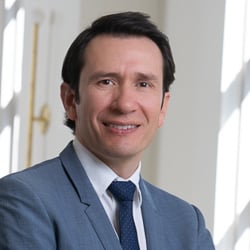
Victor A. Jaramillo | Member | View Profile |
|
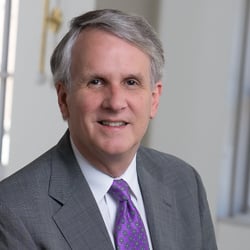
Mr Mark E. Matthews | Member | View Profile |
|
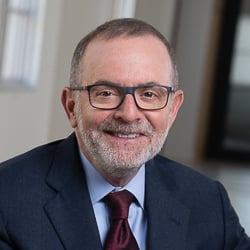
Scott Michel | Member | View Profile |
|
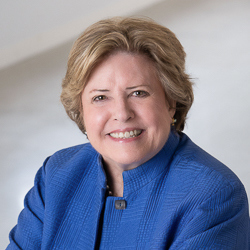
Anne O’Brien | Member | View Profile |

|
H. David Rosenbloom | Member | View Profile |
|
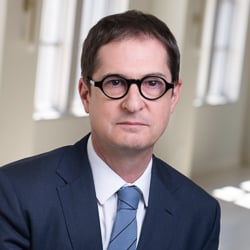
Charles M. Ruchelman | Member | View Profile |
|
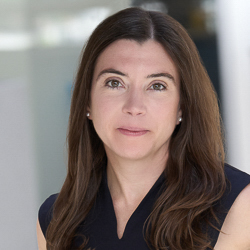
Elizabeth J. Stevens | Member | View Profile |