Share on LinkedInShare on LinkedIn

ARTICLE · 28 JUNE 2023

Patents – Common Pitfalls And How To Avoid Them – Chapter III

Here we are with the third and final chapter of our essay on the most common pitfalls in the patent field that we ran across during our activity as consultants and on how to avoid them or at least limit their...

ItalyIntellectual Property
Here we are with the third and final chapter of our essay on the most common pitfalls in the patent field that we ran across during our activity as consultants and on how to avoid them or at least limit their negative consequences.

C1) Not considering infringement under the doctrine of equivalents

The concept of equivalence will be further explained with the following example.

Let's imagine the independent claim of a patent is:

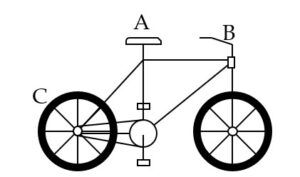
"Pedal-powered device comprising a saddle (A), a handlebar (B), a wheel (C) for its movement on a surface".

It is quite clear that the device schematized in the figure below represents an infringement of this claim.

1335030a.jpg

Instead, the device schematized in the following figure does not seem to incur in any infringements, as no wheel for its movement on a surface is present, and therefore no components that allows it to move:

We operate a free-to-view policy, asking only that you register in order to read all of our content. Please login or register to view the rest of this article.

See more popular content from
