


Whilst it was based on consistent reasoning, this General Court decision was noteworthy because the Opponent found it easy to establish rights in a sign that seems widely used in the English language to refer to the laudatory word "maximum". The decision serves as a reminder of the potentially unexpected linguistic differences that can occur in different EU Member States and which can be crucially important in clearing trade marks for wider use and registration in Europe.
The EU General Court decided that an earlier registration of the word mark MAXX in Bulgaria was sufficient to prevent registration of a similar mark which featured the suffix "-MAXX" as an EUTM. The Opponent owns the T.K MAXX brand and the application was for a stylised form of NARAMAXX:
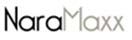
The Naramaxx Mark
The key issue was whether the visual, phonetic and arguable conceptual differences between the earlier mark MAXX and the Naramaxx Mark were sufficient to avoid a likelihood of confusion. In particular, was the element "MAXX" sufficiently distinctive so that its mere inclusion as part of the Naramaxx Mark was enough to establish a likelihood of confusion?
The Court decided that the sign MAXX had no conceptual meaning for Bulgarian consumers. There was no laudatory connotation as the term "maxx" would not be understood to refer to the word "maximum". It was notable that Bulgaria uses the Cyrillic alphabet. It went on to conclude that there was a likelihood of confusion.
The content of this article is intended to provide a general guide to the subject matter. Specialist advice should be sought about your specific circumstances.





