Transportation is undergoing a technological revolution. The
Mobility as a Service (MaaS) model is becoming how vehicles are
sold, owned and used.
MaaS means integrating various physical modes of travel
(e.g., public transit, car sharing, ride hailing,
deliveries and bike sharing) into a single digital platform that
allows travellers to plan and manage their journeys. MaaS makes
transportation simple for the end user and is designed to be
consumed on-demand, without needing to own a car.
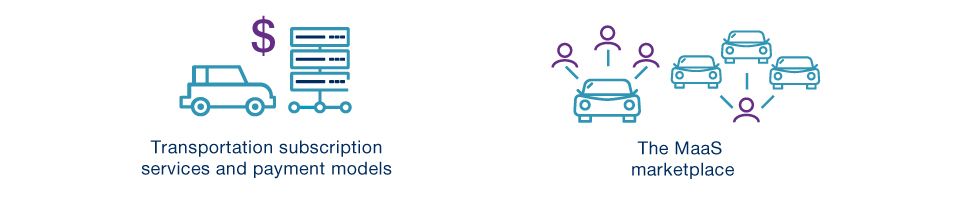
Transportation subscription services and payment models
Adopting and scaling MaaS will require complex contractual
arrangements across the supply chain to navigate the interaction
between MaaS participants in the public and private sectors.
Providing a frictionless user experience through a singular digital
platform will see the mobile device become a transportation hub for
commuters, couriers and travelers.