
Interview with…
Jad Al Skaff, Founding Partner
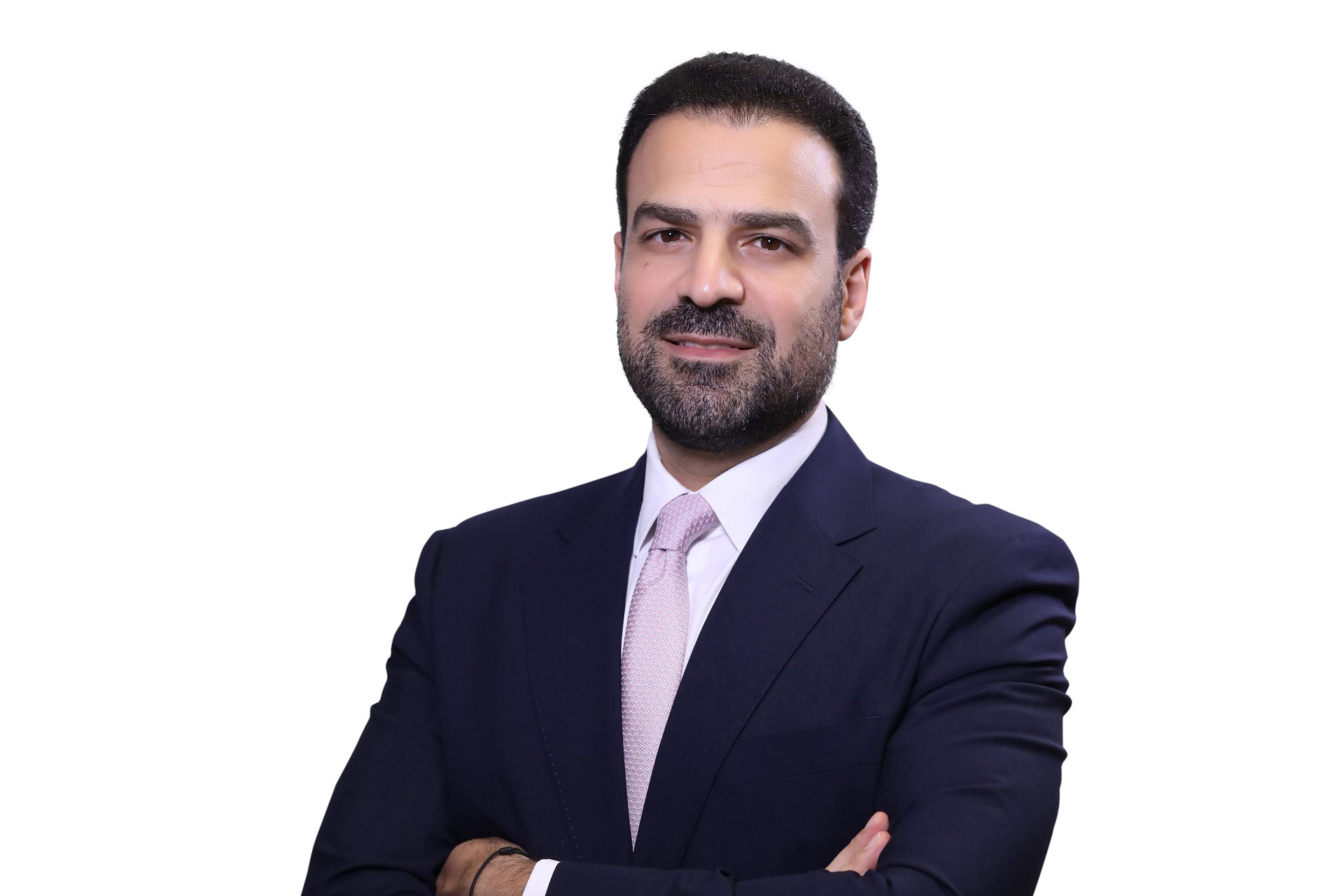
Jad Al Skaff - HNS LEGAL founding partner - explains how the firm is adapting to clients’ changing needs)
What do you see as the main points that differentiate HNS LEGAL from your competitors?
HNS Legal distinguishes itself through the combination of strategic legal insight, strong commercial awareness, and the ability to manage complex matters across multiple jurisdictions. Our team of highly specialized lawyers advises on the full spectrum of corporate needs—from structuring, day‑to‑day operational and regulatory matters, and drafting and reviewing legal documentation, to sophisticated transactions including M&A, restructurings, and strategic reorganizations.
What truly sets us apart is the depth of our expertise across practice areas, our responsiveness, and our commitment to providing solutions that are genuinely tailored to each client’s business objectives rather than to the legal question in isolation. Because our lawyers regularly advise across a broad range of industries and legal disciplines, we are able to support clients with an integrated perspective that considers both legal and commercial realities. This broader market understanding has helped clients refine their strategy, expand with confidence, and respond effectively to evolving commercial conditions.
We also maintain a particularly active M&A practice, advising both buyers and sellers on acquisitions, disposals, and corporate reorganizations—many of which involve complex cross‑border elements across the MENA region and, in numerous cases, Europe, Africa, and Asia. Over time, we have developed a high level of comfort managing cross‑border transactions while relying on local counsel only for limited jurisdiction‑specific issues, which provides clients with a more streamlined and cost‑effective experience across markets.
Another key differentiator is our ability to act as a fully functional legal department for businesses that require strong in‑house capability without building an internal team. HNS Legal can serve as the outsourced legal function for companies without in‑house counsel, or as an extension of existing legal teams when additional capacity or expertise is needed. This model enables clients to manage growth efficiently, avoid unnecessary recruitment pressure, and access coordinated legal support across the region.
Our experience spans sectors including FMCG, food and beverage, aviation and airport services, management and strategy consultancy, media and entertainment, information technology and telecommunications, oil and gas, startups, logistics and transportation, healthcare, non-profit organizations, and real estate and construction. We have also built deep expertise in banking and finance, from regulatory advisory work to bank liquidations. In addition, we are among the first firms in Lebanon to advise on emerging and highly specialized areas such as blockchain, cryptocurrencies, NFTs, and renewable energy projects, including PV installations, private energy sales, and energy wheeling.
These strengths—sector diversity, technical capability, practical commercial insight, and our flexible support model—continue to distinguish HNS Legal and enable us to consistently meet and exceed client expectations.
Which practices do you see growing in the next 12 months? What are the drivers behind that?
In the next 12 months, we expect technology‑related practices to continue expanding rapidly, particularly in data privacy, cybersecurity, intellectual property, e‑commerce, and—most notably—artificial intelligence and AI governance. As businesses accelerate their adoption of digital tools and AI systems, they are encountering new legal challenges around data use, accountability, transparency, contractual allocation of risk, IP ownership, and internal governance. Clients increasingly require legal guidance not only to navigate evolving regulatory frameworks, but also to implement these technologies responsibly and with appropriate safeguards.
At the same time, we anticipate continued growth in compliance and governance work. Stricter regulations, stronger enforcement, greater cross‑border operational complexity, and heightened risk awareness are pushing companies to reinforce internal policies, governance structures, and compliance systems. As a result, businesses are seeking practical, commercially grounded advice to manage regulatory exposure, assess risks, and maintain compliance in a changing environment.
In our view, the underlying driver behind both areas is the same: businesses are evolving faster than the legal and regulatory frameworks around them. They need advisers who can translate that complexity into clear, workable, and forward‑looking solutions.
What's the main change you've made in the firm that will benefit clients?
Over the past year, one of the most impactful changes we implemented was the reorganisation of our internal workflow to ensure that matters are handled more efficiently. This included clearer allocation of responsibilities, improved coordination across the team, and faster turnaround times, particularly for newly onboarded clients. We also deepened our integration of technology within our processes to reduce time spent on repetitive tasks, enhance visibility over files, deadlines, and progress, and enable our lawyers to dedicate more time to analysis, strategy, and client support.
In parallel, we introduced more formal quality control measures and systematic client feedback mechanisms, including structured surveys, to ensure consistency in service delivery and to support continuous improvement. Collectively, these changes have strengthened our responsiveness, reinforced quality, and enhanced the overall client experience.
Is technology changing the way you interact with your clients, and the services you can provide them?
Yes, technology is already transforming both how we interact with clients and how we deliver legal services. We are currently working with a software development team to further integrate legal technology and artificial intelligence into our internal systems and workflows. Our aim is not to replace legal judgment, but to enhance efficiency, consistency, and responsiveness. These tools help us manage information more effectively, streamline internal processes, reduce turnaround times, and provide better visibility over ongoing matters.
Technology is also creating new areas of advisory work. As clients increasingly adopt AI and other digital tools, they require guidance on AI governance, data use, privacy, contractual allocation of risk, intellectual property, and regulatory compliance. As a result, technology is reshaping not only the way we operate internally, but also the type of support and expertise that clients now expect from their legal advisers.
Can you give us a practical example of how you have helped a client to add value to their business?
A recent example of how we helped a client add value to their business comes from our work on an acquisition mandate, where we were involved not only in the legal dimension but also in the commercial structuring of the deal. Drawing on our regional experience and our understanding of market standards, we advised the sellers to structure the consideration in two components: a fixed upfront amount and an additional earn‑out tied to the post‑completion performance of the business.
This approach allowed the buyer to reduce upfront financial exposure and ensure that the final price reflects the target’s actual performance rather than projections alone. This structure also aligns incentives, motivating the sellers, who often remain involved during the transition period, to support business continuity, maintain operational performance, and contribute to post‑closing growth. Ultimately, the buyer gained a more balanced risk profile, improved value protection, and greater confidence that they are paying for proven performance rather than anticipated results.
Are clients looking for stability and strategic direction from their law firms - where do you see the firm in three years’ time?
Yes. Clients are increasingly looking to their law firms not only for legal advice, but also for stability, strategic direction, and a clear understanding of the business environment in which they operate. We see that expectation continuing to grow in the coming years.
Our firm has already earned the trust of many clients across the region, and over the next three years we aim to further strengthen our position as one of the leading law firms in the GCC and Middle East region—recognized for high‑quality service, deep sector knowledge, and a practical, business‑oriented approach. A key part of this vision is sustainable growth, both in the size and quality of our team and in the breadth of our capabilities. We will continue to attract first‑rate professionals and invest in their development to ensure we remain equipped to meet the evolving needs of clients across industries and practice areas.
Technology and innovation will also play a central role in our growth. By investing in legal technology, internal systems, and AI‑enabled tools, supported by strong governance and professional oversight, we aim to enhance efficiency, streamline processes, and deliver greater value to our clients. Above all, we will remain focused on what matters most: building long‑term client relationships grounded in trust, transparency, responsiveness, and consistently strong service.