Interview with…
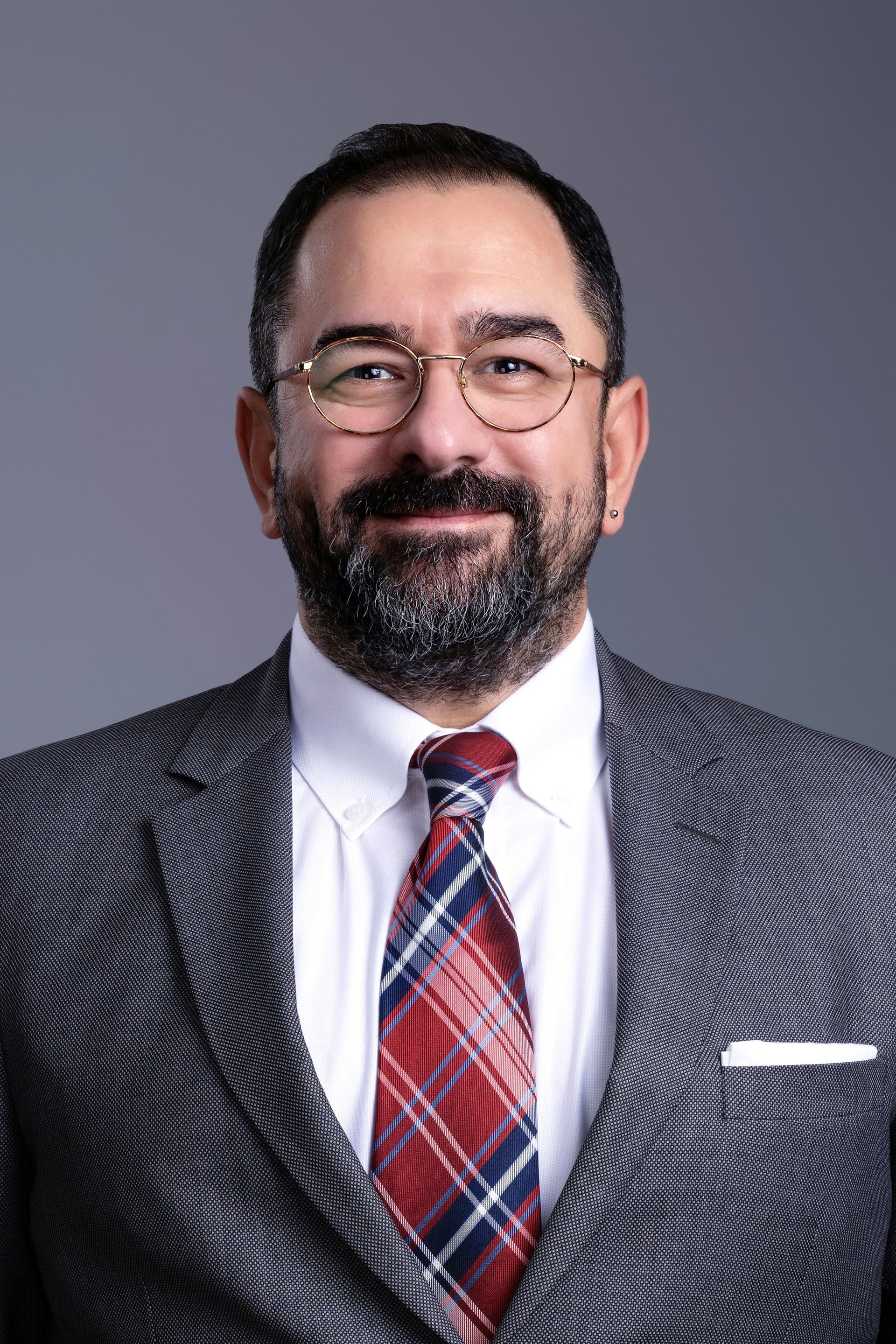
Erdem Balkan, Managing Partner
What do you see as the main points that differentiate Güzeldere Balkan Göçen Attorney Partnership from your competitors?
At Güzeldere Balkan Göçen, we see ourselves not simply as legal advisors but as long-term strategic partners to our clients. Many of the companies we advise have worked with our firm for decades, which allows us to understand not only their legal needs but also their commercial priorities and long-term objectives.
One of the defining characteristics of our practice is our partner-led approach. Our partners remain directly involved in client matters as active practitioners rather than acting solely in supervisory roles. This ensures that clients work closely with senior lawyers who combine strategic insight with hands-on legal execution.
Our boutique structure also allows us to operate with a multidisciplinary mindset. Because our practice areas are closely interconnected, our lawyers regularly collaborate across different fields of law. This enables us to approach complex matters from multiple legal perspectives and deliver solutions that are both legally robust and commercially practical.
Another important differentiator is our ability to operate at the intersection of law and finance. One of our name partners, Deniz Ulaş Göçen, is also a Certified Public Accountant. This dual qualification allows us to advise clients on matters such as corporate structuring, financial risk allocation and tax-sensitive transactions, where legal and financial considerations are closely intertwined.
Finally, we place strong emphasis on structured case management and transparent reporting. Our internal systems allow us to closely track all work performed for each client and provide clear updates throughout the lifecycle of a matter, ensuring both efficiency and transparency.
Which practices do you see growing in the next 12 months? What are the drivers behind that?
We expect continued growth in compliance, M&A and employment law matters over the next 12 months.
Regulatory complexity continues to increase both globally and in Türkiye. Businesses operating across multiple jurisdictions face growing scrutiny in areas such as competition law, data protection and sector-specific compliance. As enforcement activity intensifies, companies increasingly seek proactive legal support in the form of compliance audits, internal policies and strategic risk assessments.
At the same time, we anticipate renewed momentum in M&A transactions as market conditions gradually stabilise and investor interest in Türkiye begins to recover.
We also foresee a noticeable increase in employment-related work, particularly for multinational companies. Many of our clients operate globally, and developments in their international operations often affect their employment strategies in Türkiye. As a result, we expect more matters involving collective labour agreements, employment disputes and global mobility.
Geopolitical developments may also influence this trend. The recent escalation of tensions in the Gulf region has increased uncertainty across the wider region. Given Türkiye’s geopolitical position and its role as a regional business hub, multinational companies may increasingly reassess their workforce structures and operational policies in the country. This is likely to further increase demand for employment law advice in areas such as workforce restructuring, mobility strategies and cross-border HR compliance.
What's the main change you've made in the firm that will benefit clients?
One of the most significant developments for our firm has been the strengthening of our international collaboration networks.
For more than fifteen years, we have been a member of IR Global, a network connecting leading professional services firms across more than 150 jurisdictions. Through this platform, we regularly collaborate with trusted advisors around the world, enabling us to support our clients in cross-border matters efficiently.
In 2025, we also joined Innangard, a specialist international alliance of employment law firms. This membership significantly strengthens our ability to advise multinational clients on complex employment matters involving multiple jurisdictions, including workforce mobility and global HR compliance strategies.
Our partners actively participate in both networks and maintain close relationships with colleagues in other jurisdictions. This allows us to stay closely connected to global legal developments and emerging business trends, ensuring that the advice we provide reflects both local expertise and international best practices.
At the same time, we continue to integrate AI-supported legal tools and knowledge management systems into our workflow. These tools allow us to streamline document analysis, translation and precedent management while maintaining strict standards for confidentiality and data protection.
Is technology changing the way you interact with your clients, and the services you can provide them?
Technology has significantly transformed both the way we interact with clients and the way we deliver legal services.
Digital communication platforms and virtual meetings have become an integral part of our daily practice, allowing us to collaborate more efficiently with clients operating across multiple jurisdictions.
At the same time, advanced legal research platforms enable us to conduct deeper and more efficient analysis, allowing us to provide well-supported legal advice within shorter timeframes.
Technology also plays an important role in our internal processes. Our case management and billing systems allow us to monitor progress, manage documentation and provide structured updates to clients, ensuring transparency in the handling of their matters.
Overall, technology allows us to combine efficiency with strategic legal thinking, enabling us to deliver faster and more cost-effective legal services without compromising quality.
Can you give us a practical example of how you have helped a client to add value to their business?
We facilitated our client’s transition from a family-owned business into a global player by structuring a complex cross-border share transaction in the port operations sector. Through a strategic share exchange with an international port operator, our client expanded its global reach while maintaining operational control. By ensuring regulatory compliance, mitigating legal risks and carefully structuring the transaction documents, we enabled a seamless transformation that strengthened the client’s market position and long-term strategy.
We played a crucial role in preserving the stability of a leading construction holding amid shareholder disputes that threatened the company’s governance. Rather than allowing the conflict to escalate into prolonged litigation, we designed a structured negotiation strategy supported by targeted legal mechanisms. Through detailed due diligence, careful management of shareholder negotiations and oversight of general assemblies, we mitigated risks that could have led to corporate paralysis.
Despite multiple legal challenges against shareholders’ resolutions, none of the resolutions adopted during this process were overturned. Our involvement not only safeguarded corporate governance but also prevented a major operational disruption, allowing the company to successfully navigate a high-stakes restructuring process while maintaining business continuity.
We also played a key role in securing the financial and operational stability of a pioneering hydroelectric power company facing significant regulatory and financial challenges. When our client encountered administrative obstacles delaying its licensed HEPP project and increasing financial pressure on its non-licensed operations, we successfully challenged the ministry’s decision and ensured the continuation of the environmental assessment procedures.
Through strategic legal analysis, we also identified that the client was not liable for increased grid connection fees. This finding allowed us to initiate negotiations with the relevant public authority regarding the transfer of the non-licensed HEPP project. Despite complex bureaucratic and operational challenges, we successfully concluded the transaction, enabling the client to stabilise its operations and secure a much-needed financial recovery.
We assisted a leading FMCG producer and retailer in reclaiming control over its trademark portfolio in Egypt after discovering that its distributor had registered the client’s brands under its own name. A traditional legal dispute would likely have taken nearly a decade to resolve. Instead, we developed a strategic and business-oriented solution.
Through detailed due diligence, we determined that the distributor was not actively using the trademarks and that the renewal deadline was approaching. Anticipating that the distributor would fail to renew the registrations, we advised our client to refrain from initiating immediate legal action while preparing new trademark applications. As soon as the existing registrations expired, we filed new applications on behalf of the client and successfully secured the trademarks without litigation.
This approach saved the client significant time and financial resources while allowing them to regain full control of their brand in the Egyptian market.
In another matter, we assisted a global cosmetics brand entering the Turkish market in transitioning from a temporary operational structure to a fully compliant and scalable legal framework. The company had initially entered Türkiye through an Employer of Record (EOR) model, which allowed it to begin operations quickly but did not provide a sustainable structure for long-term business activities.
We advised the client on establishing the legal infrastructure required for a stable operational presence in Türkiye, ensuring compliance with Turkish employment regulations and HR practices while aligning the structure with the company’s broader international business model. By guiding the transition from a provisional employment arrangement to a fully compliant operational framework, we enabled the client to build a sustainable presence in the Turkish market and support its long-term regional growth strategy.
We advised one of Türkiye’s leading FMCG groups on the acquisition of a personal care company from a global paper manufacturer as part of the seller’s exit from the Turkish market. Rather than allowing the situation to evolve into a complex and costly wind-down, we helped transform the exit of a foreign market player into a strategic opportunity for our client to expand its local footprint and strengthen its market position.
By structuring the transaction as a share acquisition, we enabled the client to secure control over a valuable trademark portfolio, production assets and operational infrastructure in a cost-efficient manner. This approach avoided the additional costs and regulatory complications that alternative structures would likely have triggered and ensured continuity for the business. Through careful transaction structuring, targeted due diligence and coordination of the regulatory process—including merger control clearance—we helped the client convert a challenging market environment into a strategic investment opportunity, reinforcing its leadership in Türkiye’s consumer goods sector.
We are assisting one of Türkiye’s leading FMCG groups in its expansion into Central Asia through the establishment of a manufacturing presence in Uzbekistan. The project aims to launch local production of baby diapers, creating a scalable platform for regional growth and enabling the client to strengthen its presence in a strategically important market.
The matter requires a carefully structured cross-border framework balancing investment, governance and intellectual property protection under Uzbek law. We are designing the corporate and contractual architecture for the new company to be established by the client, structuring both cash and in-kind capital contributions and implementing robust confidentiality, technology-transfer and trademark licensing arrangements to safeguard the client’s know-how and brand. By coordinating with local counsel and preparing the incorporation documentation and key contractual arrangements, we are helping the client build a secure legal foundation for its entry into the Uzbek market.
We assisted an FMCG client in expanding its presence in the oral and dental health segment through the strategic acquisition of a well-known trademark in Türkiye. The client had a very limited product portfolio and a minimal market share in this category, while a multinational FMCG group was seeking to transfer several brands, including one officially recognised as a well-known trademark by the Turkish Patent and Trademark Office.
The transaction presented structural challenges. Under Turkish trademark practice, the well-known mark could not be transferred independently because several related trademarks containing the same root were also involved. At the same time, the transferring company wished to prevent the future use of certain specific patterns within the trademark portfolio.
We structured and negotiated a set of agreements that allowed certain non-essential trademarks to be abandoned while enabling the transfer of the remaining portfolio—including the well-known brand—to our client. By aligning the legal structure with the commercial priorities of both parties, we unlocked a transaction that initially appeared difficult to implement.
As a result, our client acquired a highly recognised brand in a product category where it previously had only a marginal presence, significantly strengthening its brand portfolio and supporting its long-term growth strategy in the oral care market.
Are clients looking for stability and strategic direction from their law firms - where do you see the firm in three years’ time?
Clients increasingly expect their law firms to provide strategic direction alongside legal expertise. Legal issues rarely arise in isolation from broader business considerations, and our long-term relationships with many of our clients allow us to align our advice with their commercial objectives.
Over the next three years, we expect technological developments to continue reshaping the legal profession. Artificial intelligence and advanced legal technologies are already transforming areas such as document review, research and transaction management. Our objective is not simply to adopt these technologies but to integrate them in a way that strengthens strategic legal thinking and client service. While technology improves efficiency, we believe that judgment, negotiation skills and commercial insight will remain the defining qualities of effective legal advisors.
At the same time, regional developments increasingly require businesses to incorporate security considerations into their strategies. Companies are accustomed to preparing contingency plans for natural disasters or cyber threats, but multinational businesses now also need to address risks arising from geopolitical instability. In this environment, law firms are expected not only to provide legal advice but also to guide clients in developing practical contingency plans and exit strategies to protect their operations and employees.
By combining technological innovation, strategic legal insight and our partner-led service model with strong international networks, we aim to further strengthen our role as a trusted legal partner for both domestic and multinational clients operating in Turkey.