Japan Healthcare, Pharmaceuticals & Life Sciences
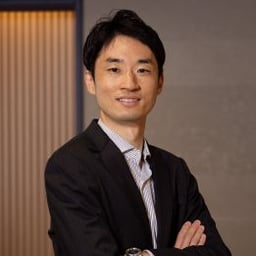
Ryo Asakura
Olympus Corporation
VP, general counsel, Japan and corporate governance, global
Headline partner

Associate partners

Japan Healthcare, Pharmaceuticals & Life Sciences
Olympus Corporation
VP, general counsel, Japan and corporate governance, global
Japan Banking Services
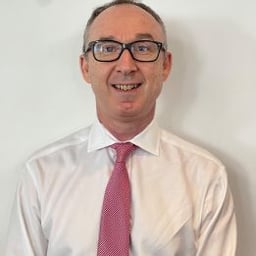
Barclays Securities Japan Limited/Barclays Bank PLC
Managing director and head of Japan legal
Japan Banking Services

State Street
Head of legal, Japan
Japan Media & Telecommunications

Bandai Namco Entertainment Inc.
General counsel
Japan Banking Services
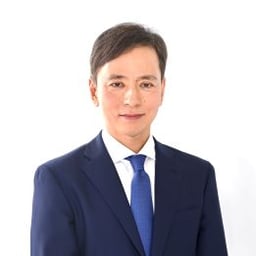
UBS Securities Japan Co., Ltd.
General counsel
Japan Manufacturing & Industrials
Autoliv
Associate general counsel
Japan Technology

AvePoint Japan K.K.
Head of legal, Japan
Japan Manufacturing & Industrials
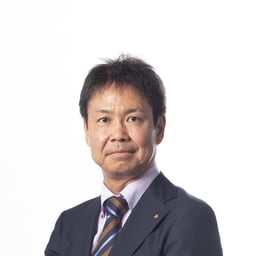
TDK Corporation
Global chief compliance officer
Japan Consumer Goods, Food & Retail
LVMH Moët Hennessy-Louis Vuitton Japan G.K.
Group legal and compliance director, Japan
Japan Energy, Power & Natural Resources

Air Liquide Japan G.K.
General counsel
Japan Banking Services
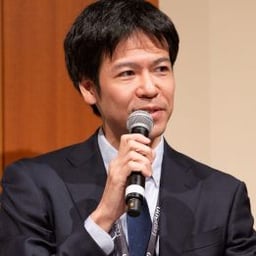
The Hongkong and Shanghai Banking Corporation Limited
General counsel, Japan
Japan Manufacturing & Industrials
Honda Motor Company
Head of legal
Japan Professional Businesses & Services
PERSOL HOLDINGS CO., LTD.
General manager of the legal department
Japan Hospitality, Gaming, Sport & Leisure
Uber Japan Co., Ltd.
Head of Japan legal, senior counsel
Japan Professional Businesses & Services
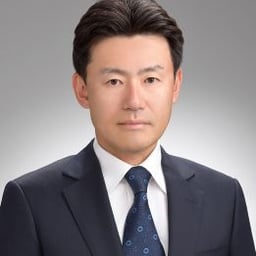
MARUBENI CORPORATION
Deputy general manager, legal and compliance department
Japan Banking Services
Morgan Stanley
Managing director and head of Japan ISG legal
Japan Manufacturing & Industrials
TOYO TIRE
General manager, legal department
Japan Media & Telecommunications

NTT, Inc.
Senior VP, head of legal department and general counsel
Japan Consumer Goods, Food & Retail
FamilyMart Co., Ltd.
Chief risk management and compliance officer
Japan Energy, Power & Natural Resources
Mitsui Chemicals Group
Executive officer, general manager of corporate administration and legal division
Japan Insurance Services
AIG Japan Holdings KK
Regional general counsel and chief compliance officer
Japan Professional Businesses & Services
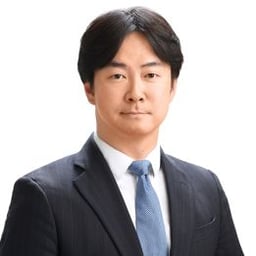
Neuberger Berman East Asia Limited
General counsel, East Asia and managing director
Japan Consumer Goods, Food & Retail
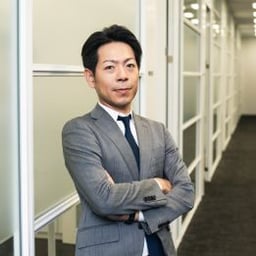
Renesas Electronics Corporation
General counsel
Japan Consumer Goods, Food & Retail
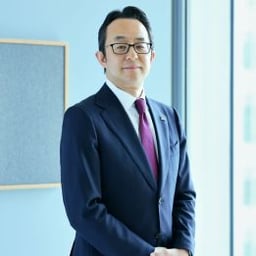
ASICS Corporation
Chief administrative officer
Japan Professional Businesses & Services

MUFG Innovation Partners Co., Ltd.
General counsel
Japan Consumer Goods, Food & Retail
Fiskars Group
Legal director, APAC
Japan Consumer Goods, Food & Retail
Makita
Manager, legal and general affairs
Japan Manufacturing & Industrials
DISCO
Head of legal
Japan Technology
Amazon Japan
Legal director and AGC, Japan - litigation and regulatory
Japan Consumer Goods, Food & Retail

Tesla
Managing counsel
Japan Media & Telecommunications

SEGA SAMMY Holdings Inc.
VP, executive officer and managing director of legal and intellectual property division
Japan Banking Services
Sojitz Corporation
General manager of general risk management department
Japan Media & Telecommunications

Broadcom
Japan legal team lead and senior counsel of APJ
Japan Technology
Liquid-Market-Solutions
General counsel
Japan Banking Services
NCR Commerce Japan
Executive officer
Japan Healthcare, Pharmaceuticals & Life Sciences
Eight Roads
Director, portfolio management and legal
Japan Professional Businesses & Services
PERSOL Holdings
Chief legal and risk officer
Japan Media & Telecommunications
Sony Group Corporation
Senior general manager
Japan Energy, Power & Natural Resources
Panasonic Electric Works Co., Ltd.
Chief legal officer
Japan Healthcare, Pharmaceuticals & Life Sciences
Abbott Japan LLC
Legal director and head of legal, Japan
Japan Energy, Power & Natural Resources
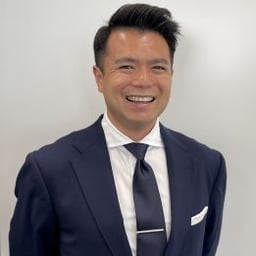
INPEX CORPORATION
Chief legal officer, group general counsel
Japan Technology
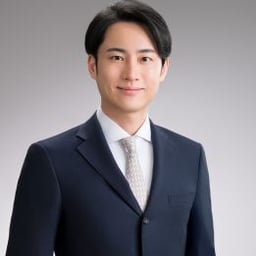
Google Japan
Director and head of legal, Japan
Japan Consumer Goods, Food & Retail
NetApp G.K.
Head of legal, Japan and commercial legal counsel
Japan Healthcare, Pharmaceuticals & Life Sciences
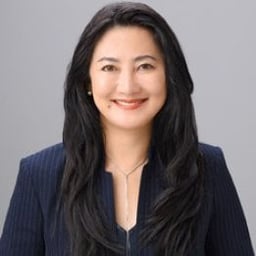
Novo Noridsk Pharma
General counsel
Japan Energy, Power & Natural Resources
MinebeaMitsumi Inc.
Head of legal (formerly CLO at Mercari, Inc.)
Japan Healthcare, Pharmaceuticals & Life Sciences
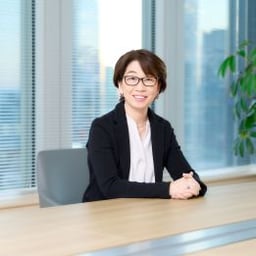
Chugai Pharmaceutical Co., Ltd.
EVP, legal, intellectual property, risk management and compliance
Japan Media & Telecommunications

SEGA SAMMY Holdings Inc.
Director, legal department
Japan Professional Businesses & Services
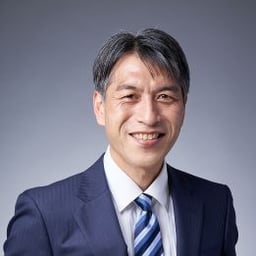
Adecco Ltd.
Country head of legal and compliance, Japan
Japan Consumer Goods, Food & Retail
Nissin Foods Holding Co.
Chief legal officer
Japan Transport
Leading Japanese global logistics corporation
Group general counsel
Japan Technology
Amazon Japan
VP, legal
Japan Energy, Power & Natural Resources
Cosmo Energy Holdings Co., Ltd.
Legal group manager, legal and general affairs department
Japan Healthcare, Pharmaceuticals & Life Sciences
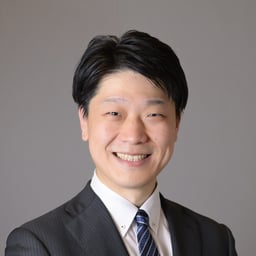
Medtronic
Japan legal director
Japan Media & Telecommunications
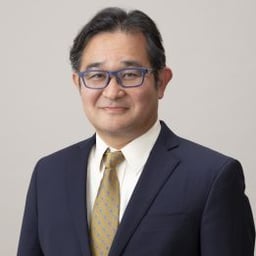
Imagica Group Inc
Head of legal and governance
Japan Energy, Power & Natural Resources
DIC
Head of legal and general affairs unit
Japan Healthcare, Pharmaceuticals & Life Sciences

Novartis Pharma K.K.
Corporate officer and country legal head Japan
Japan Energy, Power & Natural Resources
PAG Renewables
General counsel
Japan Manufacturing & Industrials
TAKEUCHI MFG. CO., LTD.
General Counsel
Japan Energy, Power & Natural Resources
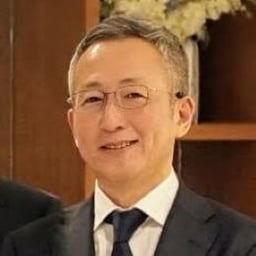
The Yokohama Rubber Co., Ltd.
Head of legal department, associate officer and deputy head of corporate administration division
Japan Consumer Goods, Food & Retail

Unilever Japan Holdings G.K.
Representative executive officer and general counsel
Japan Education

Benesse Corporation
Managing executive officer, chiel legal and risk officer, managing director of compliance and information security division
Japan Technology
Hitachi
Chief legal officer and general counsel
Japan Energy, Power & Natural Resources

AGC Inc.
Chief compliance officer, general manager of legal division
Japan Energy, Power & Natural Resources
Hubble Inc.
Head of legal
Japan Technology
Nikon
Manager, legal department
Japan Technology
NTT Data Group
Head of legal
Japan Banking Services
BNP Paribas
Head of legal, Japan
Japan Banking Services
Nomura
Head of group legal department
Japan Media & Telecommunications
Fujitsu Limited
Corporate executive officer, EVP and general counsel
Japan Healthcare, Pharmaceuticals & Life Sciences
Amgen
Head of legal
Japan Banking Services
Morgan Stanley MUFG Securities
Head of Legal, Japan
Japan Energy, Power & Natural Resources
Tokyo Gas Co., Ltd.
Executive officer, chief legal officer and general manager of legal department
Japan Professional Businesses & Services
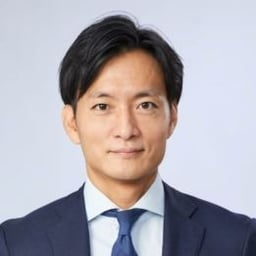
Dentsu Corporate One Inc.
Chief director of the legal division
Japan Energy, Power & Natural Resources
Panasonic Energy Co., Ltd.
Chief legal officer
Japan Energy, Power & Natural Resources
KLA
Senior counsel, Japan
Japan Consumer Goods, Food & Retail

QVC Japan, Inc.
General counsel
Japan Technology
GMO Pepabo
Chief integrity officer
Japan Banking Services
SoftBank Corporation
Director, legal and corporate governance division
Japan Consumer Goods, Food & Retail
Seven & I Holdings Co.
Head of legal and general affairs division
Japan Insurance Services
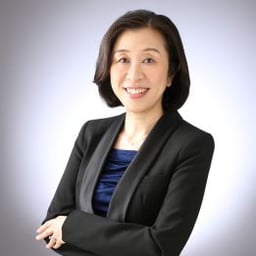
MetLife Insurance K.K.
Assistant general counsel
Japan Consumer Goods, Food & Retail
Chiyoda Corporation
General manager, general affairs department
Japan Energy, Power & Natural Resources
Murata Machinery
Senior manager, legal general administration headquarters
Japan Banking Services
Natixis
Head of legal, Japan
Japan Insurance Services
Prudential Life Insurance Company
Chief legal officer, executive officer
Japan Technology
FUJIFILM Holdings
Corporate VP, general manager of legal division
Japan Energy, Power & Natural Resources
Mitsubishi Chemical Corporation
Director, legal and compliance division
Japan Manufacturing & Industrials
Mitsubishi Motor Corporation
Deputy global general counsel
Japan Banking Services
SoftBank Corporation
Executive officer, general manager of the legal and risk management division
Japan Hospitality, Gaming, Sport & Leisure
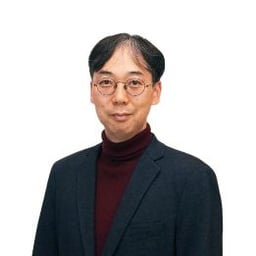
Park 24 Co., Ltd.
Corporate officer, senior general manager of legal and compliance division
Japan Consumer Goods, Food & Retail
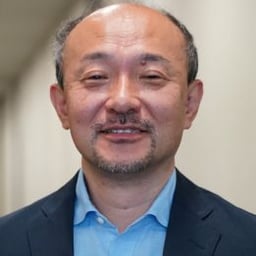
Seven & i Holdings Co., Ltd.
Executive officer, global general counsel
Japan Energy, Power & Natural Resources
Asahi Kasei Corporation
General manager, legal department
Japan Energy, Power & Natural Resources
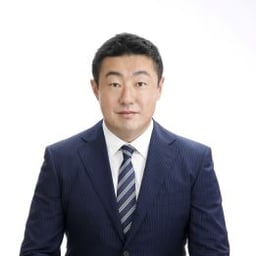
Tokyo Electron Limited
General counsel and chief compliance officer
Japan Consumer Goods, Food & Retail
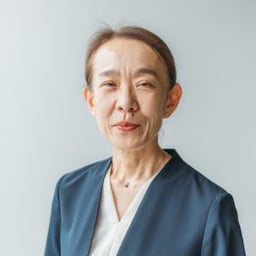
Panasonic Holdings Corporation
Director, member of the board, executive officer, group general counsel and chief risk management officer
Japan Consumer Goods, Food & Retail
ITOCHU Corporation
Executive officer, general manager, legal division
Japan Banking Services
MUFG
Group chief legal officer
Japan Healthcare, Pharmaceuticals & Life Sciences
Johnson & Johnson
Senior legal director - head of legal, MedTech (Japan & Southeast Asia)
Japan Healthcare, Pharmaceuticals & Life Sciences
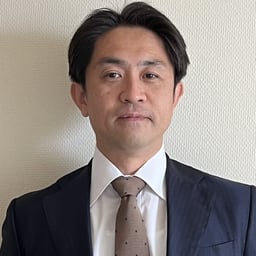
Novartis Pharma K.K.
Head, R&D legal Japan
Japan Hospitality, Gaming, Sport & Leisure
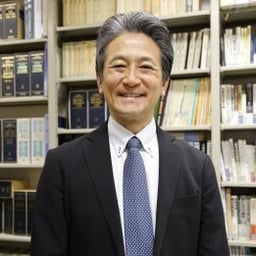
ANA HOLDINGS INC.,
VP, Group legal and insurance
Japan Energy, Power & Natural Resources
JERA
Executive officer, head of legal and secretariat division
Japan Banking Services
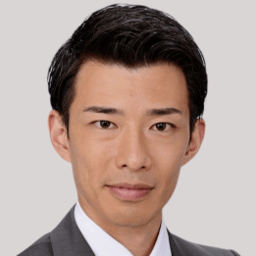
Farallon Capital Management
Director, legal and compliance
Japan Banking Services
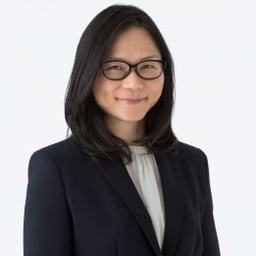
T. Rowe Price Japan, Inc.
Managing legal counsel
Japan Manufacturing & Industrials
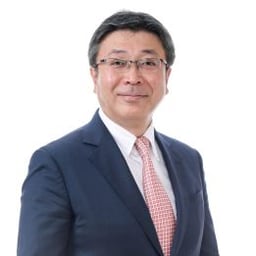
MITSUI & Co
Executive managing officer, general counsel and executive committee member
Japan Professional Businesses & Services

Accenture
General counsel, Japan
Japan Technology
Sony Group Corporation
SVP, legal, compliance, privacy, IP and external relations
Japan Banking Services

Blackstone
Managing director
Japan Banking Services
Citi
Japan general counsel
Japan Manufacturing & Industrials
Sumitomo Corporation
Head of general affairs and legal
Japan Healthcare, Pharmaceuticals & Life Sciences
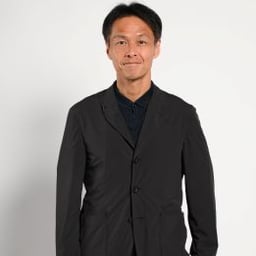
Kenvue
VP, law and regional counsel, Asia Pacific
Japan Consumer Goods, Food & Retail
Tapestry Japan
Senior director, head of legal and facility management, Japan and Korea
Japan Energy, Power & Natural Resources
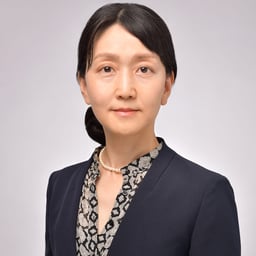
ENEOS Xplora Inc.
General manager, legal department (general manager, legal department, ENEOS Holdings, Inc. until 31 March 2026)
Japan Banking Services
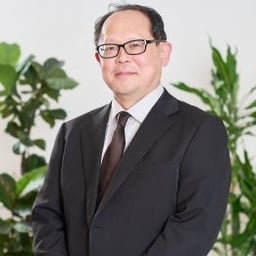
Sony Financial Group Inc.
General manager and head of legal and compliance
Japan Insurance Services
FWD Insurance
Executive officer, general counsel
Japan Hospitality, Gaming, Sport & Leisure
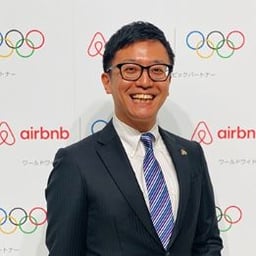
Airbnb
Associate general counsel, Northeast Asia
Japan Hospitality, Gaming, Sport & Leisure
IHI Corporation
General manager, legal division
Japan Insurance Services

AIG Japan / American Home Assurance Co., Ltd.
Head of legal
Japan Media & Telecommunications
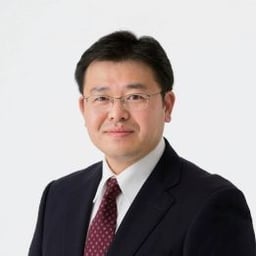
Daito Entertainment, Inc.
General manager of the legal department
Japan Consumer Goods, Food & Retail
Lenovo Group
General counsel, Asia Pacific
Japan Technology
ZOZO
VP, legal department
Japan Banking Services

Societe Generale Securities Japan Limited
Director, executive officer and head of legal Japan
Japan Technology
Tencent Japan
Senior counsel
Japan Energy, Power & Natural Resources
JERA Co., Inc.
Deputy general counsel