Qué pasa con los millones de dólares de la corrupción en Venezuela decomisados en EE.UU.
Sipa US / Alamy
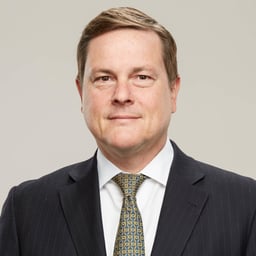
Alejandro Andrade fue Tesorero Nacional de Venezuela entre 2007 y 2010.
Alejandro Andrade vivía en una mansión valorada en más de US$8 millones, coleccionaba caballos de competencia, relojes de marca y autos de lujo.
En noviembre de 2018, Andrade fue condenado en Estados Unidos a 10 años de prisión por lavado de dinero y se convirtió en la figura más emblemática de las numerosas denuncias de malos manejos de fondos públicos que durante años han surgido en la Venezuela chavista.
Este teniente retirado fue guardaespaldas y secretario privado del fallecido mandatario Hugo Chávez, quien lo nombró como Tesorero Nacional de Venezuela entre 2007 y 2010.
En ese lapso, Andrade se enriqueció dando acceso a ciertos empresarios privilegiados a miles de millones de dólares que él manejaba gracias al sistema de control de cambios instaurado en ese país.
Durante el juicio reconoció haber cobrado sobornos por US$1.000 millones y se comprometió a entregar a las autoridades estadounidenses un monto equivalente.
Así fue como le fueron decomisadas cinco propiedades, diez vehículos de lujo, 17 caballos de competencia, 35 relojes de marca, así como el dinero depositado en nueve cuentas bancarias en EE.UU. y Suiza.
Nunca antes se había recuperado en un juicio criminal en Florida tanto dinero procedente de la corrupción en un país extranjero.
"Es el caso más grande en la historia de Florida bajo la Ley de Prácticas Corruptas en el Extranjero", dice a BBC Mundo el abogado Michael Díaz, director principal del bufete Diaz Reus & Targ, quien representó a dos personas implicadas en el juicio de Andrade.
Pero este no es el único proceso de corrupción en Venezuela que se investiga en Estados Unidos, donde hasta febrero de 2021 había 38 casos que involucraban a 164 personas y numerosas empresas, de acuerdo con la ONG Transparencia Venezuela, una filial de Transparencia Internacional.
El pasado 21 de abril, un tribunal de Florida condenó a Edoardo Orsoni, un exrepresentante legal de la estatal PDVSA, por haber aceptado sobornos de empresarios a cambio de la concesión de contratos con la petrolera venezolana.
Orsoni se comprometió a devolver US$4,5 millones, incluyendo la entrega de dos propiedades en un condominio de lujo en el cotizado barrio de Brickell, en Miami.
Entre los montos recuperados en los juicios de Andrade y Orsoni hay una diferencia enorme, pero en ambos casos se trata de cantidades importantes para una Venezuela que está inmersa en una profunda crisis económica.
De cualquier modo, no será fácil que esos fondos regresen a su país de origen.
Pero, ¿de cuánto dinero estamos hablando?
El destino desconocido de US$300.000 millones
Venezuela vivió una bonanza petrolera durante la primera década de este siglo que, con algún altibajo, se extendió hasta 2014. Se estima que en ese periodo obtuvo ingresos por US$1 billón, es decir, un millón de millones de dólares.
De esos fondos, de acuerdo con denuncias hechas en 2016 por Jorge Giordani, quien fue miembro del gabinete de manera casi ininterrumpida durante 14 años (primero con Chávez y luego con Nicolás Maduro), se habían perdido unos US$300.000 millones, cuyo uso no aparecía bien respaldado en las cuentas públicas.
Transparencia Venezuela ha ubicado alrededor del mundo 236 casos relacionados con corrupción en Venezuela, de los cuales sólo se conoce la cantidad de dineros públicos comprometida en 114 casos: US$52.000 millones.
Pero ¿cuánto de este dinero se ha recuperado en Estados Unidos? No hay una respuesta exacta hasta ahora.
"El Departamento de Justicia sabe cuánto ha decomisado en cada caso. El gobierno tiene esas cifras, pero no están disponibles para el público de una forma sistemática y organizada, por lo que para saber esta información hay que ir juntando datos sueltos en notas de prensa y resoluciones judiciales", dice a BBC Mundo Nate Sibley, investigador de la Iniciativa contra la Cleptocracia del Instituto Hudson.
El Departamento de Justicia de EE.UU. declinó participar en este reportaje, mientras que el Departamento del Tesoro no respondió a las consultas de BBC Mundo sobre este tema.
Cifras manejadas por la Iniciativa para la Recuperación de Activos de Venezuela (Inrav), una ONG formada por ciudadanos venezolano-estadounidenses, valoranen unos US$1.500 millones el monto de los bienes decomisados hasta ahora en el contexto de estos juicios por corrupción en Estados Unidos.
Aunque no hay una cifra oficial acerca de cuánto de ese dinero se encuentra disponible de forma inmediata, varias fuentes conocedoras del tema coincidieron al decir a BBC Mundo que hay unos US$500 millones.
El resto corresponde a bienes decomisados que no han sido vendidos aún o están relacionados con procesos judiciales aún inconclusos.
Para poner estas cifras en contexto, cabe destacar que el monto total decomisado equivale a casi una cuarta parte de las reservas internacionales del Banco Central de Venezuela (unos US$6.269 millones), mientras que el dinero que toda la comunidad internacional ha dedicado durante los últimos cuatro años a atender la crisis migratoria de Venezuela suma unos US$580 millones.
Aunque el de Andrade es el mayor caso resuelto de recuperación de bienes robados por la corrupción en Venezuela, no es el proceso más grande que se conozca.
En Andorra están siendo juzgados varios exfuncionarios de PDVSA acusados de cobrar US$2.300 millones en sobornos.
La gran diferencia es que en Estados Unidos ya hay varios juicios concluidos y que muchas de las personas que han sido investigadas en ese país han colaborado activamente con la justicia, optando por declararse culpables y por facilitar las investigaciones.
En la práctica, eso ha derivado en una mayor recuperación de bienes y, también, en unas condenas atenuadas o, incluso, inexistentes.
El abogado Michael Díaz afirma que las dos personas a las que representó en el caso Andrade (un familiar y un exsocio del extesorero chavista) nunca fueron imputadas ni sufrieron alguna sanción como la revocatoria de la visa estadounidense. Eso sí, colaboraron con las investigaciones y entregaron bienes equivalentes a unos US$300 millones.
En el caso de Orsoni, otro cliente de Díaz, pese a su admisión de culpa le sentenciaron a cumplir solamente tres años en libertad condicional.
Esta pena atenuada fue solicitada por la propia Fiscalía, que señaló en un documento que el acusado había provisto una "asistencia sustancial que favoreció la investigación del gobierno y el enjuiciamiento de otras personas que han cometido delitos contra Estados Unidos".
¿De quién es el dinero?
Pero ¿qué pasa con esos recursos una vez que son decomisados al terminar los juicios?
"Legalmente la propiedad de los bienes decomisados se transfiere a Estados Unidos", responde Nate Sibley, del Instituto Hudson, un centro de estudios con sede en Washington.
Una vez concluidos estos procesos penales este dinero es depositado en un fondo del gobierno estadounidense en el que se acumulan los recursos procedentes de todos estos juicios por corrupción en distintos países del mundo.
Esos recursos pueden ser usados para cubrir los gastos asociados con la investigación y con el decomiso y gestión de los bienes recuperados, así como para retribuir a las agencias del gobierno que participaron en el caso y para responder a las reclamaciones de los acreedores o de las víctimas.
"No suele ser un proceso particularmente transparente, es algo que ocurre tras bastidores entre las agencias gubernamentales", apunta Sibley.
Díaz explica que el Departamento de Justicia decide cuáles de sus agencias compartirán esos fondos.
Señala que en el caso de Andrade la instrucción que recibieron sus clientes por parte del Departamento de Justicia fue entregar la mitad de los recursos al Departamento de Seguridad Nacional y la otra parte, al Cuerpo de Alguaciles de Estados Unidos.
"Todo eso se hizo con la aprobación del Departamento del Tesoro e incluso del Ejecutivo, del presidente de Estados Unidos", asegura.
Sibley afirma que aunque no haya mucha transparencia y pese a que efectivamente en el corto plazo el gobierno estadounidense puede usar esos recursos para financiar otras operaciones anticorrupción, el objetivo final es devolverlos a sus países de origen.
"Ellos no toman simplemente el dinero y se olvidan. Saben que ese dinero fue robado", afirma.
Pero, entonces, ¿es posible que Venezuela recupere ese dinero? Es complicado…
Fondos a Venezuela
"El retorno de activos recuperados de la corrupción se hace constantemente cuando es de Estado a Estado", dice a BBC Mundo María Alejandra Márquez, presidenta de la Inrav(Iniciativa para la Recuperación de Activos de Venezuela).
Advierte, sin embargo, que en el caso de Venezuela la situación es más difícil que en otros lugares.
Explica que una forma en la que los países recuperan ese dinero es peleando caso por caso en los tribunales, donde deben argumentar que el dinero debe regresar al país que fue victimizado, pero que esto suele ser un proceso lento y complicado.
"Es una tarea titánica. La verdad es que Venezuela no tiene ni la situación ni la capacidad institucional para llevar eso a cabo en este momento", señala.
Los países de donde fueron sustraídos los fondos también pueden acceder a esos recursos cuando sus autoridades judiciales cooperan activamente en la investigación, por lo que al concluir el proceso pueden compartir los recursos recuperados con el país de destino.
Una última fórmula se basa en acuerdos entre Estados.
Márquez señala que en las circunstancias actuales no luce viable la aplicación de estos mecanismos en el caso de Venezuela, pues el gobierno de Nicolás Maduro no es reconocido por más de 50 países (incluyendo Estados Unidos) y "no cuenta con tres poderes separados y funcionales".
"El drama de Venezuela es que es un Estado que es a la vez víctima y victimario, porque sus instituciones son las que causan el daño que termina afectando a la gente y al propio país", explica.
Nate Sibley coincide. "No hay posibilidad de que ese dinero sea entregado a Maduro. Obviamente, Estados Unidos no va a devolver el dinero a países en los que va a volver a ser robado y ese es el caso de Venezuela en este momento", opina.
El gobierno de Maduro, por su parte, afirma que Washington quiere asfixiarle económicamente para forzar un cambio de gobierno en Venezuela.
El mandatario y otros portavoces de su gabinete han acusado a Estados Unidos de "apropiarse ilegalmente" de los recursos congelados en ese país, incluyendo cuentas bancarias y la refinería Citgo.
En cuanto a la posibilidad de que el dinero recuperado en los juicios por corrupción sea entregado al gobierno interino encabezado por el opositor Juan Guaidó, reconocido por Washington, Sibley también encuentra limitaciones.
"El principio que guía la política de EE.UU. es que se debe devolver el dinero de una manera que beneficie al pueblo venezolano. En este momento, Guaidó es considerado como presidente legítimo en Washington pero él no controla las palancas del poder que le permitirían distribuir ese dinero directamente en Venezuela de una forma que pueda favorecer a la gente como, por ejemplo, con la distribución de ayuda humanitaria", asegura.
Lo intentos de Guaidó
Pese a ello, el gobierno de Guaidó ha intentado por varias vías acceder a esos fondos.
Carlos Vecchio, a quien Washington considera como embajador en Estados Unidos del gobierno interino, dice a BBC Mundo que desde 2019 han intentado recuperar el uso de esos recursos en favor de Venezuela.
"Cuando me tocó asumir esta responsabilidad, lo primero que hicimos fue activar todas estas líneas con el gobierno de EE.UU. Hablamos con ellos sobre la necesidad de crear un fondo que se alimente de los bienes que ellos han recuperado de la corrupción", afirma Vecchio.
Según la prensa estadounidense, las negociaciones con el gobierno del entonces presidente Donald Trump para compartir ese dinero no dieron resultado, lo que obligó a los representantes del gobierno de Guaidó a acudir a los tribunales, donde no corrieron con mejor suerte.
En un juicio realizado en 2020, un tribunal de Florida rechazó los intentos de los abogados contratados por el gobierno interino para obtener una restitución de fondos por un caso de corrupción en PDVSA.
De acuerdo con la Fiscalía, la petrolera venezolana no solamente no puede ser considerada como víctima -por ser una institución completamente controlada por un estado soberano-, sino que además fue "cómplice" en los esquemas de soborno y de lavado de dinero que estaban siendo juzgados.
Michael Nadler, quien fue fiscal asistente en el distrito sur de Florida y participó en varios de estos procesos, incluyendo el de Andrade, explicó a BBC Mundo que Venezuela también tenía dificultades para demostrar que había sufrido pérdidas pues en muchos casos los contratos por los que se habían pagado sobornos habían sido cumplidos cabalmente.
Vecchio afirma que en 2019 le plantearon al Departamento de Justicia la necesidad de cambiar la definición de víctima que estaban aplicando, argumentando que el pueblo venezolano necesitaba ser resarcido.
Al mismo tiempo, intentaron convencer al gobierno de Trump de crear un fondo para repartir los recursos recuperados en estos juicios por corrupción.
Ambos esfuerzos resultaron infructuosos.
La ventana de la Ley Verdad
Pero mientras las negociaciones con el Ejecutivo no terminaban de avanzar, en el Congreso se trabajaba en la "Venezuela Emergency Relief, Democracy Assistance, and Development Act of 2019", mejor conocida como Ley Verdad, una norma aprobada en diciembre de 2019 con apoyo bipartidista que contempla la posibilidad de crear un fondo para recoger los recursos recuperados de la corrupción para devolverlos a un futuro nuevo gobierno en Venezuela.
Pero esa norma dejaba la creación del fondo en manos de la Casa Blanca, que no lo concretó.
Entonces, según afirma Vecchio, estuvo trabajando con varios senadores de ambos partidos, incluyendo a Bob Menéndez, Marco Rubio, Tim Kaine y Ted Cruz, para crear por ley este fondo con recursos recuperados de la corrupción en Venezuela.
"Creo que hay una oportunidad de que estos recursos puedan utilizarse, siendo manejados por el gobierno de EE.UU. bajo una mínima coordinación con nosotros (el gobierno de Guaidó). Estaría controlado y supervisado por ellos y se podría usar para la ayuda humanitaria, para la compra de vacunas", señala Vecchio.
Esta iniciativa avanzó el 29 de abril, cuando los senadores Marco Rubio y Ted Cruz introdujeron en el Congreso un proyecto de la Ley de Preservación de la Responsabilidad por los Activos Nacionales (PANA, por sus siglas en inglés) que contempla la creación del fondo con el dinero recuperado en los juicios de corrupción vinculados con Venezuela.
Según la propuesta legislativa, esos recursos serían manejados por el Departamento de Estado para "el desarrollo de la democracia y de la sociedad civil" en Venezuela.
María Alejandra Márquez, de Inrav, señala que disponer del fondo permitiría proteger esos recursos recuperados y agilizar el proceso de devolución pues cada vez que concluyera un juicio, el juez podría ordenar enviar directamente ese dinero al fondo.
Considera que las normas sobre el uso del fondo deberían contemplar cómo, cuándo y a quién se le va a entregar ese dinero.
"La situación de Venezuela es tan irregular que si no se toman decisiones creativas para proteger este dinero, es indudable que no va a volver a Venezuela. Se va a perder en el tiempo en la burocracia estadounidense a la espera de que Venezuela algún día arregle su situación y venga a reclamarlo", concluye.
Diaz Reus International Law Firm - May 26 2026