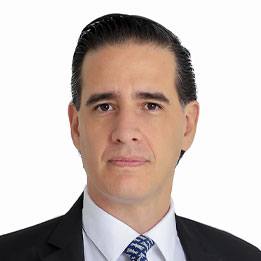

Legal manager, Argentina and Bolivia | Phoenix Tower International


Óscar Armando Olmos Medina
Legal manager, Argentina and Bolivia | Phoenix Tower International
Based on your experiences in the past year, are there any trends in the legal or business world that you are keeping an eye on that you think other in-house lawyers should be mindful of?
One clear trend is the increasing importance of aligning legal risk analysis with operational realities on the ground. In jurisdictions like Bolivia and Argentina, formal legal structures do not always guarantee effective enforcement, so in-house lawyers need to focus not only on how agreements are drafted, but also on how they will work in practice. I have also seen a growing need for legal teams to be more deeply integrated into business decision-making, particularly in areas such as vendor management, dispute prevention and regulatory strategy. This requires a shift from a reactive role to a more proactive and strategic one.
Finally, another trend is the pressure to manage more complex workloads with relatively lean teams. This is driving a more selective use of external counsel, with a stronger focus on efficiency, practical advice and familiarity with the business, rather than purely technical input.
How can general counsel foster a corporate culture that supports ESG principles and compliance across all levels of the organisation?
In my view, fostering a culture that supports ESG starts with moving it away from being a purely policy-driven exercise and embedding it into how decisions are made across the business. General Counsel can play a key role in this by ensuring that ESG considerations are reflected in governance structures, rather than treated as a separate initiative. One important aspect is translating broad ESG principles into clear, practical standards that business teams can apply. This includes aligning contracts, vendor selection processes and operational practices with the company’s ESG objectives, so that compliance becomes part of day-to-day activities rather than an abstract concept.
Another key element is accountability. ESG tends to fail when ownership is unclear, so legal teams can help define responsibilities across functions and ensure that reporting and controls are consistent, particularly in areas such as supply chain management and regulatory compliance.
Legal manager -Argentina & Bolivia | Phoenix Tower International
Senior counsel Bolivia and Argentina | Phoenix Tower International