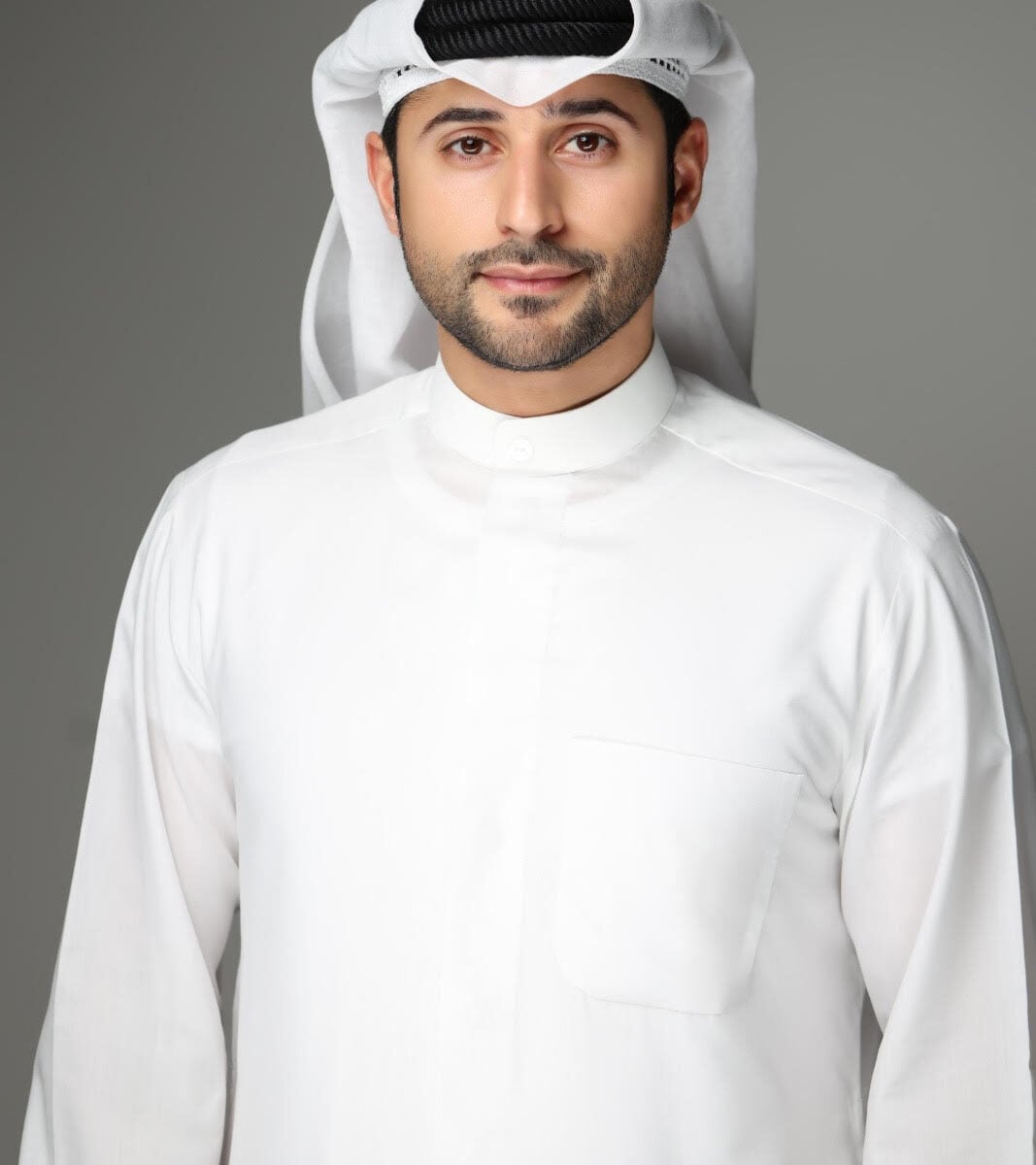
 Interview with: Khalifa Al Yaqout, Managing Partner

Al-Yaqout & Al-Fouzan Legal Group (YFLG)
Managing Partner Khalifa Al-Yaqout discusses how YFLG is reinforcing Kuwait’s legal infrastructure through institutional strength, disciplined advocacy, and its Glocal Integration model.
What do you see as the main points that differentiate YFLG from your competitors?
We believe law must be structured, not improvised.
YFLG was built as an institution that anticipates regulatory evolution, architects dispute strategy, and safeguards long-term commercial and institutional stability.
Established in 2003 by the late Hamed Al Yaqout, the firm was founded on principles of precision, promptness, and disciplined corporate advisory. In 2015, I assumed leadership with a clear mandate: to transform a respected legacy firm into an institutional platform aligned with international governance standards while rooted firmly in Kuwaiti jurisdictional authority. Our 2019 strategic partnership further strengthened this trajectory, consolidating talent and reinforcing structural depth.
Through our Glocal Integration model, we fuse sovereign Kuwaiti legal authority with international governance and arbitration standards, delivering counsel grounded in jurisdictional strength and global rigor.
Unlike traditional firms structured around reactive legal services, we operate as strategic legal advisors. We anticipate risk, shape negotiation dynamics, and position clients with structural foresight whether in a KWD 250 million ICC arbitration, a telecom regulatory dispute, or a national PPP tender.
Our international reach supports this model. Through strategic partnerships across the United States, United Kingdom, Europe, and the GCC including collaboration with Pillsbury Winthrop Shaw Pittman and leading regional firms we provide clients with coordinated cross-border capability while preserving local authority.
Entrepreneurial thinking supports our structure, but it is anchored in institutional discipline. We invest in emerging partners, empower sector-focused teams, and contribute actively to regulatory dialogue in Kuwait.
YFLG demonstrates that excellence and culture can coexist. It is a firm where top-tier talent thrives, clients succeed, and authority is reinforced at every level.
Which practices do you see growing in the next 12 months? What are the drivers behind that?
We see continued acceleration in areas reflecting Kuwait’s structural and regulatory maturation.
First, complex shareholder and governance disputes. As family enterprises institutionalize and governance frameworks formalize, disputes increasingly center on fiduciary duties, minority protections, and structural clarity.
Second, project development and PPP advisory. Kuwait’s infrastructure agenda demands increasingly sophisticated risk allocation, contractual structuring, and regulatory navigation.
Third, international arbitration and enforcement. Kuwaiti corporates are expanding regionally, and dispute resolution strategies must reflect cross-border realities and enforceability considerations.
The underlying driver is legal sophistication. Clients are seeking forward-looking advisory grounded in institutional foresight and jurisdictional authority.
What’s the main change you’ve made in the firm that will benefit clients?
The most significant transformation has been institutional clarity.
We transitioned from a personality-driven structure to a practice-led, sector-focused model. Each department operates under defined leadership, measurable performance standards, and structured knowledge management.
Institutionalisation ensures that legal reasoning is preserved, refined, and transmitted across generations within the firm. It reduces dependency on individuals and embeds quality control within our infrastructure.
Clients benefit from continuity, scalability, and consistency. Institutional strength provides assurance that advisory quality is sustained and aligned with long-term strategic objectives.
Is technology changing the way you interact with your clients, and the services you can provide them?
Yes, in a disciplined and structured manner.
Technology is enhancing how we deliver services in terms of speed, transparency, and analytical depth. We are implementing firm-wide digitization integrating secure document management, governed data architecture, and supervised AI adoption across all departments.
This implementation is aligned with international data protection standards, including principles reflected in the EU General Data Protection Regulation and comparable global compliance frameworks. Security and confidentiality remain central to how we engage with clients, particularly in complex disputes and cross-border matters.
In parallel, our strategic partnership with LexisNexis enhances our access to global jurisprudence, regulatory intelligence, and advanced research platforms, ensuring our advisory standards remain aligned with international benchmarks.
Technology strengthens infrastructure. Governance protects trust. Legal judgment remains human.
Can you give us a practical example of how you have helped a client to add value to their business?
In a cross-border investment dispute between Kuwaiti and UAE entities valued at approximately AED 160 million, parallel proceedings created significant financial and reputational exposure.
Rather than escalating procedural confrontation, we restructured the dispute architecture. We assessed enforcement leverage across jurisdictions, recalibrated negotiation positioning, and aligned executive-level engagement.
The matter concluded in a negotiated resolution securing substantial financial recovery while preserving long-term commercial relationships.
The value extended beyond the financial outcome. It protected reputational capital and safeguarded operational continuity.
Effective advocacy is measured not only by outcome, but by the structural stability it creates for the client’s future.
Are clients looking for stability and strategic direction from their law firms – where do you see the firm in three years’ time?
Clients increasingly seek stability anchored in intellectual authority.
They expect counsel capable of navigating regulatory evolution, anticipating structural reform, and reinforcing institutional continuity.
In three years, I see YFLG firmly positioned among Kuwait’s leading dispute resolution and project advisory firms, recognized for institutional discipline, cross-border sophistication, and principled strategic execution.
Our objective is not merely expansion. It is contribution.
We aim to reinforce the quality and structural integrity of legal practice in Kuwait through disciplined advocacy and enduring institutional strength.
Legacy, for us, is measured not only by longevity, but by the standards we uphold, the frameworks we help shape, and the confidence the market places in our authority.
YFLG was built to endure, to evolve with the jurisdiction, and to contribute meaningfully to its legal infrastructure for generations to come.