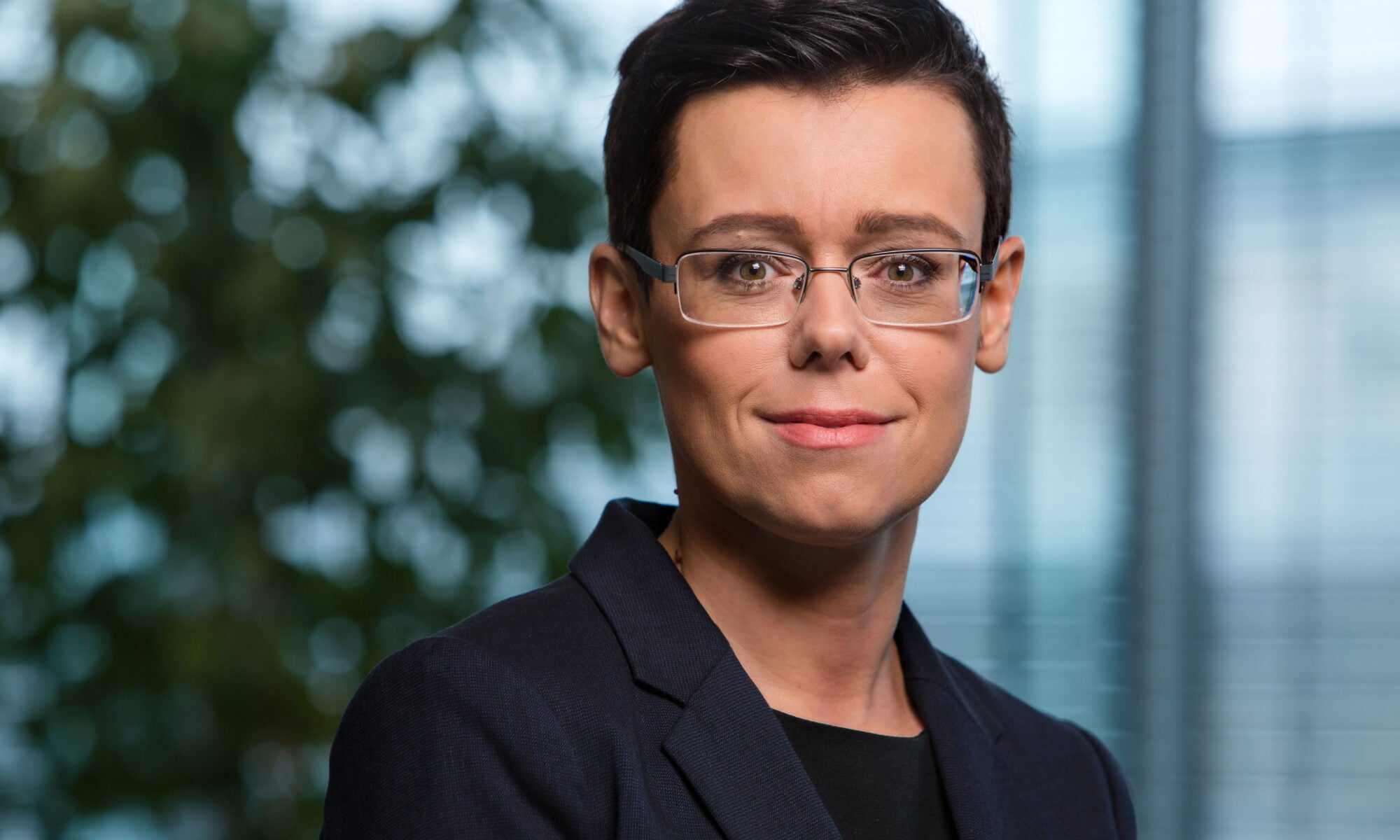
 Interview with: Magdalena Małocha, Partner

DeBenedetti Majewski Szczesniak Kancelaria Prawnicza Sp. K.
Magdalena Małocha, Partner in M&A Department at DMS, discusses how the firm supports clients at the intersection of transactions, disputes and regulatory risk.
What do you see as the main points that differentiate DeBenedetti Majewski Szcześniak from your competitors?
At DMS, we deliberately operate with a relatively small, partner-led team, which allows us to provide a highly tailored and hands-on approach to every project. From a transactional perspective, this means that partners are not only involved in strategic decision-making, but also actively participate in negotiations, structuring and drafting, ensuring consistency and accountability throughout the process.
We see a clear shift in client expectations. Clients are more aware and increasingly demanding, looking for strategic advice rather than purely formal legal opinions. They expect their lawyers to create business opportunities, help them find business partners to implement transactions, and this is often when we step in and offer real assistance.
In both transactions and disputes, greater emphasis is now placed on risk scenarios and the long-term consequences of decisions. In this context, our model based on three core pillars – corporate disputes, transactions and white-collar crime – proves particularly effective, as it allows us to advise clients across the full spectrum of complex, high-stakes situations.
Which practices do you see growing in the next 12 months? What are the drivers behind that?
From a transactional perspective, we see continued growth in projects at the intersection of M&A, regulatory frameworks and strategic sectors, particularly in areas linked to defence and security. In Poland, this includes complex financing, also non-banking one, and investment structures supporting the development and creating of critical infrastructure and new industrial capabilities. These projects due to cross border corporates require close coordination between investors, regulatory authorities and public stakeholders, as well as strong transactional and risk management expertise. They also require cooperation between entities having assets, resources and know how in the area of defence.
What we should not disregard is the European program SAFE, which has and will have material impact on the development of companies in the defence, energy and chemical sector.
Another area of growth is investment projects involving real estate acquired with the intention of repurposing or repositioning assets. These transactions typically combine corporate, regulatory, development and planning aspects and often require a multidisciplinary approach, including structuring, permitting and cooperation with local property developers.
Both trends are driven by broader economic and geopolitical factors, including increased defence spending, supply chain reshaping and the need to adapt existing assets to new business models. As a result, clients are increasingly looking for advisors who can integrate transactional, contentious and regulatory perspectives within a single strategic framework.
What’s the main change you’ve made in the firm that will benefit clients?
One of the key changes has been the implementation of advanced legal technology, including Legora, which significantly improves the efficiency of document review and drafting and allows for faster and more precise adjustments during negotiations. From a transactional standpoint, this directly translates into smoother deal execution and greater responsiveness during dynamic negotiation processes.
At the same time, we have strengthened our team with lawyers experienced in projects within the defence sector. This additional expertise enhances our ability to advise on complex, high-stakes transactions that combine regulatory, financing and strategic considerations.
Both developments directly benefit our clients by ensuring faster execution, greater responsiveness and access to specialised knowledge in increasingly complex and sensitive projects.
Is technology changing the way you interact with your clients, and the services you can provide them?
Yes, technology is increasingly shaping both the way we work and how we interact with clients. Tools based on AI, including solutions such as Legora, significantly accelerate document review and drafting, review and negotiation processes, which is particularly relevant in transactional work.
At the same time, we approach technology with caution. AI remains a tool that supports our work, but all outputs are carefully reviewed by lawyers to ensure accuracy and legal reliability. Maintaining this balance between efficiency and professional responsibility is essential.
We also see clear improvements in cross-border communication and document management, including the use of cloud-based solutions and electronic signatures, which enable clients to execute transactions and documentation more quickly, particularly in international projects where timing is critical and where notarized form is not required.
Overall, technology allows us to deliver faster, more flexible and more accessible legal services, while maintaining the high standards expected by our clients.
Can you give us a practical example of how you have helped a client to add value to their business?
From a transactional perspective, the value we deliver is often not a single, isolated innovation, but rather the ability to translate legal structuring into real business impact.
Recently, we have been advising clients on implementing corporate changes that allow them to execute strategic decisions more efficiently and with greater flexibility. A good example is the restructuring of investment frameworks, including the transition from SPV-based structures to closed-end investment funds, which enables more efficient governance, improved capital allocation and the creation of scalable investment platforms.
At the same time, we support clients in introducing corporate governance solutions that facilitate faster decision-making and more effective implementation of strategic initiatives. These changes, while often not visible externally, have a direct and measurable impact on the way our clients operate and grow their businesses.
Are clients looking for stability and strategic direction from their law firms – where do you see the firm in three years’ time?
We clearly see that clients are increasingly looking for stability and strategic direction from their legal advisors. Economic and regulatory uncertainty in Poland means that companies need to actively manage legal risk, rather than simply react to it. This is reflected in the growing number of projects involving restructuring elements, disputes and white-collar crime matters, where experience and a practical, business-focused approach are essential. As I mentioned before, we see a strong trend in clients looking for lawyers active on the business side. Such that will be able to combine their knowledge with the ability to find business opportunities and will be able to tailor transaction structures, while minimizing their risk. In our business model, where partners perform a pro-active role in advising clients, this works well.
This trend reinforces our belief that a boutique model, combined with a strong business mindset, is the right direction. Our focus is on maintaining a high-quality team and delivering consistent, partner-led advice, rather than pursuing growth for its own sake.
At the same time, our membership in the Globalaw network allows us to preserve our boutique character while benefiting from access to the expertise of lawyers operating in other legal systems. This enables us to support clients comprehensively in cross-border projects, combining high-level legal expertise with a practical understanding of business and time efficiency, which is increasingly expected by the market.