
Queen Elizabeth Building (QEB) > London, England > Set Profile
Queen Elizabeth Building (QEB) Offices

Chambers of Catherine Cowton KC and James Ewins KC.
Queen Elizabeth Building (QEB)
QUEEN ELIZABETH BUILDING, TEMPLE
LONDON
EC4Y 9BS
England
Queen Elizabeth Building (QEB)
QUEEN ELIZABETH BUILDING, TEMPLE
LONDON
EC4Y 9BS
England
Queen Elizabeth Building (QEB) > The Legal 500 Rankings
London Bar > Family: divorce and financial remedy Tier 1
Queen Elizabeth Building (QEB) is ‘a superb set for finance cases with top silks and juniors and great strength in depth’. William Tyzack specialises in cases involving international focus and, in the case S-L v S-L, is acting on behalf of an applicant challenging the assertion of English domicile and instead seeking proceedings in Monaco. Katie Cowton KC has significant expertise in financial applications of divorce and civil partnership dissolution and financial claims after overseas divorces. Duncan Brooks KC and Sarah Phipps KC took silk in March 2023.Leading Silks
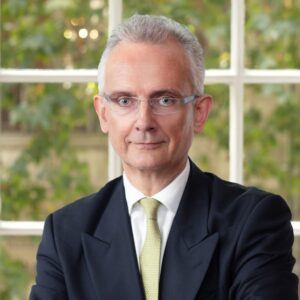
Tim Amos KC –Queen Elizabeth Building (QEB) ‘Tim is extraordinarily thorough and considers every page of instructions, which is reassuring. He is a charming advocate and amongst the most experienced on jurisdictional issues.’

Lewis Marks KC –Queen Elizabeth Building (QEB) ‘Lewis is intelligent, analytical, efficient and always puts in the extra effort. He is a brilliant and persuasive advocate who will fight every point worth running.’

Lucy Stone KC –Queen Elizabeth Building (QEB) ‘Lucy is a real force of nature. She is the best silk for complicated big-money cases. The level and detail of her preparation are beyond any other silk. She fights hard for her clients and always gives sensible advice. Her advocacy is incredible.’

Stewart Leech KC –Queen Elizabeth Building (QEB) ‘Stewart has exceptionally good judgement and calmness, knowledge and understanding.’

James Ewins KC –Queen Elizabeth Building (QEB) ‘James has an eye for detail on the most complex of cases and delivers top-quality advice. He is thoroughly decent, has been at the top of the game for several years and is one of the silks of choice.’
2023 Silks

Duncan Brooks KC –Queen Elizabeth Building (QEB) ‘Duncan is phenomenally good. His knowledge of the law and procedure, which extends far beyond family law and the family procedure rules is second to none. His judgement is excellent, and he is always calm under pressure. His preparation of cases is exemplary, and clients love him. His advocacy is always measured yet persuasive, and he has the ear of all judges.’
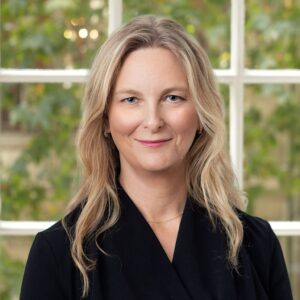
Sarah Phipps KC –Queen Elizabeth Building (QEB) ‘Sarah is frighteningly intelligent, and her ability to absorb information is seemingly unlimited. She has an uncanny ability to cut to the chase. She is extremely hard-working and will always go the extra mile to fight her client’s corner. Her advocacy is second to none, and she always has the ear of the tribunal.’
2024 Silks
Leading Juniors
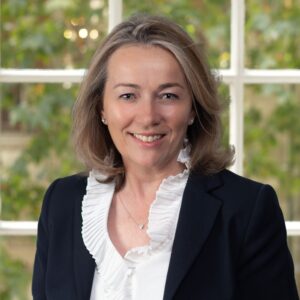
Elizabeth Clarke –Queen Elizabeth Building (QEB) ‘Elizabeth is an extraordinary talent. She is the leading junior at the family Bar, regularly acts against silks and is at the same level.’

Amy Kisser –Queen Elizabeth Building (QEB) ‘Amy has a very reassuring and determined manner with clients, is appropriately feisty and also entirely commercial and pragmatic.’

Matthew Firth –Queen Elizabeth Building (QEB) ‘Matthew is a tenacious and incisive advocate with an intense attention to detail. He is a genuine team player and readily available at all important stages of the case. He develops a strategy at the outset and supports tactics throughout.’

Samantha Singer –Queen Elizabeth Building (QEB) ‘Samantha is a powerful advocate. She has an innate ability to grasp the key issues and facts and compellingly present them. She is also tenacious and never gives up.’
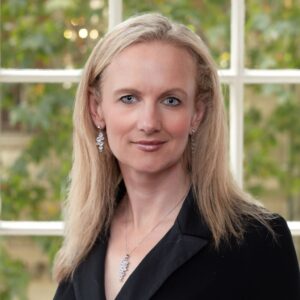
Rosemary Budden –Queen Elizabeth Building (QEB) ‘Rosemary is always extremely well-prepared. When she meets the client for the first time, she is fully on top of the case. Her written documents for court are of the highest quality, and her advocacy is calm, controlled and highly effective.’

Fitzrene Headley –Queen Elizabeth Building (QEB) ‘Fitzrene's presentation and approach are excellent. She works very well with her instructing solicitors and has good client care skills. Her advocacy is clean and clear.’

Joe Rainer – Queen Elizabeth Building (QEB) ‘Joe is very clever and highly astute. He is skilled in analysing complex documentation about businesses and trusts. He is incredibly hard-working and a true rising star.’
Testimonials
‘Howard Rayner is excellent and runs a great team.’
‘Jon Bartlett gives standout service and devotion to solicitors. The best clerk in the family law world.’
‘Queen Elizabeth Building (QEB) is a go-to chamber, with exceptional counsel at every level of experience.’
‘Queen Elizabeth Building (QEB) is a fantastic finance set. It has great strength and excellence in family finance cases, from the bottom to the top.’
‘Queen Elizabeth Building (QEB) is an excellent set of chambers offering strength and depth at all levels.’
‘Queen Elizabeth Building (QEB) is a leading set in the family sector.’
‘Queen Elizabeth Building (QEB) has a huge strength at all levels on the financial remedies side.’
‘Queen Elizabeth Building (QEB) is a wonderful set which offers great talent across the board.’
Work highlights
London Bar > Family: private FDR judges and arbitrators
Queen Elizabeth Building (QEB) is ‘a prominent family law specialist set with good quality at all levels’. Tim Amos KC is an expert on international family law, particularly cases of divorce and finance, while James Ewins KC is ‘the best tribunals in London and a first choice for financial arbitration and private FDRs’. Other team members include ‘experienced and skilled dispute resolution practitioner’ Tristan Harvey and the ‘extremely knowledgeable’ Duncan Brooks KC, who was appointed silk in 2023.Testimonials
‘The clerks are helpful at every turn. Jon Bartlett, in particular, is highly effective and efficient and gives a fantastic service to solicitors.’
‘Jon Bartlett is excellent, and Harry Tennent is very good.’
‘QEB is the best set for complex financial work.’
‘Queen Elizabeth Building is a fantastic set for money cases with top-class counsel. It is always a first choice for clients.’
‘QEB is a fantastic set with the biggest strength on financial and jurisdiction cases.’
London Bar > Family: children and domestic abuse
Queen Elizabeth Building (QEB) > Set Profile
Queen Elizabeth Building specialises in family law, particularly matrimonial finance and international family law, but also in child law including child abduction and forced marriage.
The set: QEB has been established for well over 100 years and is consistently rated as one of the top-ranking sets for family law. It is forward-looking and client focused. Chambers has expanded premises to provide more conference rooms and enhanced facilities for private FDRs and other forms of dispute resolution including arbitration, mediation and collaborative law.
Many members of chambers are listed as leaders in their field in the annual publications The Legal 500 and Chambers & Partners.
The legal directories praise for QEB includes the following published reviews: a heavyweight family law chambers quite simply the best for top-end family law services: a long-held reputation for excellence; a hotbed of talent; a good commercial sense; a fine tradition of producing the very best financial barristers; a top-quality service; jam-packed with trouble-shooters capable of tackling the thorniest money cases and offers real depth of experience across the silk and junior end of the market (Chambers and Partners);
While The Legal 500 says – QEB is the best family set from top to bottom, with an eminent matrimonial practice, which has been in the top echelons for decades. The barristers are of consistently high quality, they never let you down and solicitors cannot praise them highly enough. Members appear in the most important family cases, particularly involving high-net-worth finance and complex cross-jurisdiction elements.
QEBs success and distinction is not a recent phenomenon QEB has always had an excellent reputation for the quality of the advocates which it produces and has been involved in many high-profile and historic decisions. Many members of chambers have continued into high judicial office; Lord Wilson sits in the Supreme Court. In addition, Sir Alan Ward, following his retirement from the Court of Appeal and Sir David Bodey and Sir Paul Coleridge, following their retirement as High Court judges, have joined chambers as associate members. Sir Alan Ward is the chair of the Civil Mediation Council and acts as an arbitrator, private-FDR judge and mediator, Sir David Bodey and Sir Paul Coleridge act as arbitrators and private-FDR/ENE judges.
Types of work undertaken: QEB is particularly well known for dealing with the financial consequences of relationship breakdown; but there is immense experience in all aspects of family law, including: jurisdictional disputes, foreign divorces, pre-marital agreements, civil partnerships, injunctions (both financial and domestic), public and private law child work, child abduction and forced marriage, Inheritance Act claims and disputes between former cohabitees. In addition, some members practice in general common law with particular emphasis on personal injury and professional negligence work. In particular The Legal 500 noted the resurgence of QEBs children work in recent years.
As a complement to its international work, QEB offers a range of languages including members of Chambers professionally fluent in French, German, Hindi, Punjabi and Urdu.
Members of QEB appear in courts throughout the country and abroad, ranging from magistrates courts to the UK Supreme Court and the Court of Justice of the European Union. The confidentiality of chambers work is strictly respected but recent public decisions in which members of QEB were briefed include: Jones, Z v Z (No 2), Petrodel v Prest and Cooper-Hohn, AB v JB (EMR modification), Arif v Anwar, Broomfield, A v B (CJEU), E v E (Art 19 and Seisin B IIa), and Fields.
QEB has always been at the forefront of the development of matrimonial law and members of QEB have appeared in many of the leading authorities, including such seminal decisions as Wachtel, F v F, Duxbury, Preston, White, Miller, Charman, and Spencer.
The QEB clerks are happy to recommend particular members for particular cases, and provide charging rates on request, as well as practical assistance in the management of cases. The QEB clerks are regularly singled out for special praise by external commentators who have hailed the superlative clerking at QEB which is rightly described as seamless, professional and courteous and the best in London, without question.
Main Contacts
| Department | Name | Telephone | |
|---|---|---|---|
| Senior Clerk | Howard Rayner | ||
| First Junior Clerk | Jon Bartlett | ||
| Junior Clerk | Harry Tennent | ||
| Junior Clerk | Callum Davison | ||
| Junior Clerk | Hal Laing | ||
| Junior Clerk | Kenna Collins | ||
| Member of Chambers | MARKS KC, Lewis (1984) | ||
| Member of Chambers | STONE KC, Lucy (1983) | ||
| Member of chambers | AMOS KC, Tim (1987) | ||
| Member of Chambers | LEECH KC, Stewart (1992) | ||
| Head of Chambers | EWINS KC, James (1996) | ||
| Member of Chambers | THORPE KC, Alexander (1995) | ||
| Head of Chambers | COWTON KC, Katie (1995) | ||
| Member of Chambers | PHIPPS KC, Sarah (1997) | ||
| Member of Chambers | BROOKS KC, Duncan (2000) | ||
| Member of Chambers | HOSFORD-TANNER, Michael (1974) | ||
| Member of Chambers | TIDBURY, Andrew (1976) | ||
| Member of Chambers | BRUDENELL, Thomas (1977) | ||
| Member of Chambers | WISE, Oliver (1981) | ||
| Member of Chambers | FIRTH, Matthew (1991) | ||
| Member of Chambers | CLARKE, Elizabeth (1991) | ||
| Member of Chambers | LAZARIDES, Marcus (1999) | ||
| Member of Chambers | BENTHAM, Daniel (2000) | ||
| Member of Chambers | HARVEY, Tristan (2002) | ||
| Member of Chambers | SIRIKANDA, Morgan (2002) | ||
| Member of Chambers | BUDDEN, Rosemary (2003) | ||
| Member of Chambers | BATT, Charanjit (2003) | ||
| Member of Chambers | SINGER, Samantha (2004) | ||
| Member of Chambers | FAGGIONATO, Marina (2006) | ||
| Member of Chambers | TYZACK, William (2007) | ||
| Member of Chambers | YOUNIS, Saima (2008) | ||
| Member of Chambers | KISSER, Amy (2009) | ||
| Member of Chambers | HEADLEY, Fitzrene (2011) | ||
| Member of Chambers | WELLINGS, Sophie (2011) | ||
| Member of Chambers | CAMPBELL, Andrew (2012) | ||
| Member of Chambers | McGUIGAN, Janine (2012) | ||
| Member of Chambers | HAGGIE, Thomas (2015) | ||
| Member of Chambers | RAINER, Joseph (2015) | ||
| Member of Chambers | KING Roxanne (2015) | ||
| Member of Chambers | CLAYTON Sophie (2017) | ||
| Member of Chambers | McEVOY Josh (2018) | ||
| Member of Chambers | STEWART Fiona (2019) | ||
| Member of Chambers | O'DRISCOLL-BREEN Jessica (2020))) | ||
| Member of Chambers | HAMPTON Alex (2021) | ||
| Member of Chambers | DONEGAN Cara (2022) | ||
| Academic Member of Chambers | SCHERPE, Dr Jens M (Cambridge) | ||
| Associate Member of Chambers | HYDE KC, Charles | ||
| Academic Member of Chambers | BAKER, Hannah (The Hague Conference) | ||
| Associate Member of Chambers | BENNETT, Sir Hugh | ||
| Associate Member of Chambers | BODEY, Sir David | ||
| Associate Member of Chambers | COLERIDGE, Sir Paul |
Meet The Clerk(s)
Barrister Profiles
| Photo | Name | Position | Profile |
|---|---|---|---|
|
|
Tim Amos | Tim’s practice spans all aspects of family law. He is predominantly known… | View Profile |
|
|
Tim Amos | Tim’s practice spans all aspects of family law. He is predominantly known… | View Profile |
|
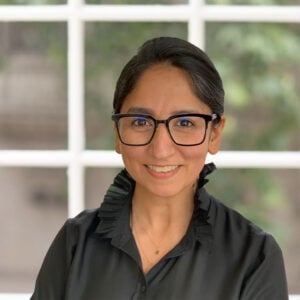
Charanjit Batt | Charanjit’s practice covers most areas of family law including ancillary relief, schedule… | View Profile |

|
Daniel Bentham KC | Daniel practises exclusively in family law, with a particular emphasis on financial… | View Profile |
|
|
Duncan Brooks KC | Duncan is known as “an excellent lawyer with superb client care skills”… | View Profile |
|
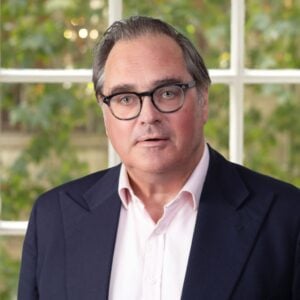
Thomas Brudenell | Thomas’ practice is almost exclusively confined to ancillary relief. He works mainly… | View Profile |
|
|
Rosemary Budden | Rosemary practises exclusively in family law, specialising in all types of financial… | View Profile |

|
Andrew Campbell | Andrew now practices in all areas of family law including financial, children… | View Profile |
|
|
Elizabeth Clarke | Liz is rated by Chambers and Partners and other legal directories as… | View Profile |
|
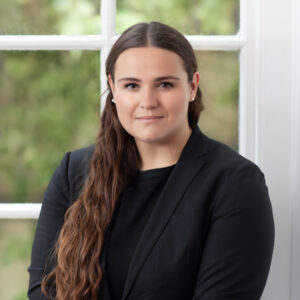
Sophie Clayton | Sophie has a specialist family law practice with a particular focus on… | View Profile |
|
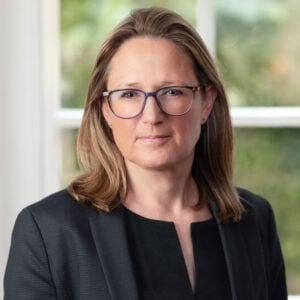
Catherine Cowton | Katie was appointed Queen’s Counsel in March 2019. She had been rated… | View Profile |
|
|
James Ewins | James specialises in all complex matrimonial finance issues, including pre-nuptial contracts. In… | View Profile |
|
|
James Ewins | James specialises in all complex matrimonial finance issues, including pre-nuptial contracts. In… | View Profile |
|
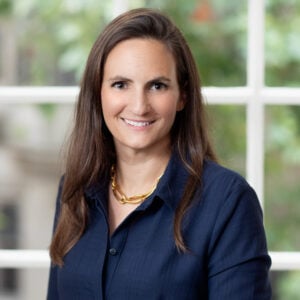
Marina Faggionato | Marina’s practice covers all areas of family law work with a particular… | View Profile |
|
|
Matthew Firth | Matthew is currently recommended in ‘Chambers and Partners’ as a leading junior… | View Profile |
|
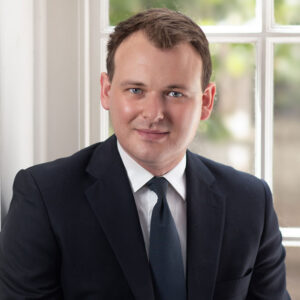
Thomas Haggie | Thomas joined chambers following successful completion of his pupillage under Sarah Phipps,… | View Profile |

|
Tristan Harvey | Specialises in dispute resolution. He is a resolution trained mediator, an arbitrator… | View Profile |
|
|
Fitzrene Headley | Private children, financial remedies, Family Law Act. Interesting cases include: US v… | View Profile |
|
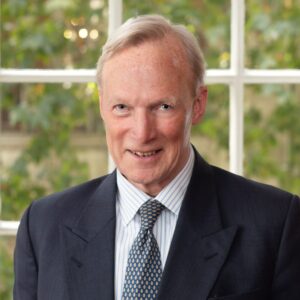
Michael Hosford-tanner | Michael has a specialist family law practice, relating to both financial and… | View Profile |
|
|
Amy Kisser | Recommended as a leading junior barrister in family law in The Legal… | View Profile |

|
Marcus Lazarides | Marcus practices exclusively in family law, specialising in financial cases. He is… | View Profile |
|
|
Stewart Leech | Stewart specialises in ancillary relief, civil partnership and cohabitee disputes as well… | View Profile |
|
|
Stewart Leech | Stewart specialises in ancillary relief, civil partnership and cohabitee disputes as well… | View Profile |
|
|
Lewis Marks | Lewis has been consistently ranked in tier one of the leading silks… | View Profile |
|
|
Lewis Marks | Lewis has been consistently ranked in tier one of the leading silks… | View Profile |

|
Janine McGuigan | Janine joined Chambers having successfully completed her pupillage under the supervision of… | View Profile |
|
|
Sarah Phipps KC | Sarah practises exclusively in Family Law. Her practice covers all aspects of… | View Profile |
|
|
Mr Joe Rainer | Joe’s practice covers all areas of private family law, with a focus… | View Profile |
|
|
Joseph Rainer | Publications Contributor – International Trust and Divorce Litigation, LexisNexis, 2019 Non-matrimonial pensions:… | View Profile |
|
|
Samantha Singer | Samantha’s practice covers all areas of family law with a particular emphasis… | View Profile |

|
Morgan Sirikanda | Morgan’s practice is almost exclusively in the family law field with… | View Profile |

|
Fiona Stewart | Fiona has experience in all areas of private family law, including divorce,… | View Profile |
|
|
Lucy Stone | Lucy was once again ranked this year as a first tier matrimonial… | View Profile |
|
|
Lucy Stone | Lucy was once again ranked this year as a first tier matrimonial… | View Profile |

|
Alexander Thorpe | Alexander took Silk in 2017 and specialises in complex financial cases, particularly… | View Profile |

|
Andrew Tidbury | Andrew practises mainly in family law, specialising in financial cases. He practises… | View Profile |

|
William Tyzack | William practices in all areas of family law (finance and children), and… | View Profile |

|
Sophie Wellings | Sophie’s practice encompasses all aspects of private family law, including divorce, finance… | View Profile |

|
Oliver Wise | Oliver’s main areas of work are financial remedies and professional negligence, especially… | View Profile |
|
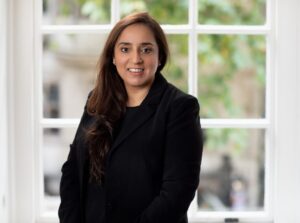
Saima Younis | Saima successfully completed her pupillage under the supervision of Alexander Thorpe, Oliver… | View Profile |
Languages
French German Hindi/Urdu Danish Punjabi- Family: divorce and financial remedy
- Family: private FDR judges and arbitrators
Top Tier Set Rankings
- Family: children and domestic abuse