
Milbank > New York, United States > Firm Profile
Milbank Offices

Milbank
55 HUDSON YARDS
NEW YORK, NY 10001
NEW YORK
United States
55 HUDSON YARDS
NEW YORK, NY 10001
NEW YORK
United States
Milbank > The Legal 500 Rankings
Energy > Renewable/alternative power Tier 1
Milbank‘s global project, energy and infrastructure finance team sits atop the US market, with a strong reputation for high-value and complex financing work, and cross-border capabilities including particular expertise in Latin America. New York-based team lead Daniel Bartfeld has broad experience extending to multi-sourced financing and development work, while William Bice, Roland Estevez, and Jaime Ramirez in the same office are also highly regarded. In Los Angeles, names to note include Mike Duff, Timothy Wendling, and Henry T. Scott, who all extend the firm’s capabilities in complex debt and equity structuring for projects in sectors including solar, wind, and geothermal power generation. Beyond project financing, Bice recently led on contract negotiation for a network of 2,000 electric vehicle charging stalls across the country, and Ramirez acted for the lenders in the acquisition of a public utilities company that owns and operates a major geothermal plant in Santa Marta, Madalena, Colombia. The team is also competent in the negotiation of power purchase, energy hedge, and REC purchase agreements, as well as regulatory and permitting advice. The firm’s offering was strengthened in June 2022 with the hire of experienced project finance, development, and M&A lawyer Michael Klaus in Los Angeles from Hunton Andrews Kurth LLP.Practice head(s):
Daniel Bartfeld
Other key lawyers:
Key clients
EVgo
Banco Santander, S.A., New York Branch
Bank of Montreal, Chicago Branch
Landesbank Hessen-Thüringen Girozentrale, New York Branch
Sumitomo Mitsui Banking Corporation
Canadian Imperial Bank of Commerce, New York Branch
Forbright Bank
Royal Bank of Canada
Santander Bank
HPS Investment Partners, LLC
Silicon Valley Bank
Summit Carbon Solutions
Investec Bank PLC
Toronto-Dominion Bank
New York Branch
East West Bank
Credit Agricole Corporate and Investment Bank
National Bank of Canada
Norddeutsche Landesbank Girozentrale, New York branch
Silicon Valley Bank
Bank of America, N.A.
Banco Santander, S.A., New York Branch
Natixis, New York Branch
MUFG Bank, Ltd.
Mizuho Bank, Ltd.
SB Energy
Work highlights
- Advised TotalEnergies in connection with the financial support to be provided by TotalEnergies to CDV Holding S.A. (a joint venture between TotalEnergies and Salus – Fundo de Investimento em Participações Multiestratégia).
- Advised EVgo in the negotiation of contracts with Pilot Company and General Motors for the development, construction, deployment and operations of 2,000 charging stalls operated and networked through EVgo eXtend across the country (40+ states).
- Advised SB Energy Global, LLC, the US climate infrastructure technology platform subsidiary of SoftBank Group Corp., in connection with Ares Management Corporation’s strategic equity investment of up to US$600 million.
Finance > Commercial lending Tier 1
Finance > Project finance
Milbank enjoys a reputation as a market leader in project finance, with its sizeable global project, energy and infrastructure finance team well equipped to advice debt and equity investors, private sponsors, financial institutions, private equity funds, and developers on the full range of projects. Multi-sourced financing and complex debt and equity structures are key strengths, and the firm is especially active in the Latin American market, where its activities include advising on major projects in power generation and transmission, multi-purpose ports and transportation links, and M&A in the energy, development, and construction sectors. Daniel Bartfeld heads the team from the New York office, where William Bice is also highly regarded for his broad experience acting for clients on power generation projects, both domestically and internationally. Daniel Michalchuk is another key contact for power projects, while Jeffrey Leider and Richard Hillman are also names of note. Allan Marks in Los Angeles is especially recommended for infrastructure work, with notable support from senior associate Talia Lake who is developing a focus on rail projects.Practice head(s):
Daniel Bartfeld
Other key lawyers:
William Bice; Alexander Borisoff; Roland Estevez; Richard Hillman; Michael Klaus; Jeffrey Leider; Allan Marks; Daniel Michalchuk; Jaime Ramirez; Henry Scott; Carolina Walther-Meade; Tim Wendling; Talia Lake
Key clients
MUFG Bank, Ltd
Société Générale
Royal Bank of Canada
Investec Bank plc
ArcLight Energy Partners Fund VII, L.P.
Sumitomo Mitsui Banking Corporation
BNP Paribas Securities Corp.
CIT Bank
Credit Agricole
ING Capital
MUFG Bank, Ltd.
Global Infrastructure Partners
Fanalca and Transdev
Blackrock
Natixis
Prumo Logistica S.A.
Cathcart Rail
Work highlights
- Advised MUFG Bank Ltd. and Siemens Financial Services, Inc. on the financing of the a500 kV power transmission line between La Virginia, Colombia and Nueva Esperanza, Colombia.
- Advised Saavi Energía on the acquisition of the Tierra Mojada combined cycle power plant in Jalisco, Mexico from Fisterra and Blackstone.
- Advised Investec in connection with its US$58 million financing of the construction and operation of the natural gas fired electric generation facility in Lee County.
Finance > Restructuring (including bankruptcy): corporate Tier 1
Milbank’s financial restructuring group has a strong reputation for representing companies, official and ad hoc creditor committees, lenders, equity security holders, and distressed asset acquirers in relation to domestic and cross-border Chapter 11 proceedings across a variety of industries, including a number of high-profile proceedings in the airline industry. Notably, the practice has also represented preferred equity holders in relation to the high-profile Chapter 11 bankruptcy of cryptocurrency platform Celsius Network and served as counsel to the official committee of unsecured creditors in the chapter 11 case of independent power producer Talen Energy Supply. Practice head Dennis Dunne has considerable experience acting as counsel to distressed companies in reorganization cases and out-of-court workouts as well as committees representing key creditor constituencies. Evan Fleck has represented both debtors and creditors and played a leading role in the Chapter 11 reorganization of Avianca Airlines. Samuel Khalil has a strong record in cross-border mandates, representing debtors and creditors in Chapter 11 proceedings and out-of-court workouts, while Tyson Lomazow is noted for his work on distressed acquisitions, advising both sellers and buyers such as private equity funds. Matthew Brod recently led a team, alongside Dunne and litigator Andrew Leblanc in Washington DC, representing equity and debt investors in connection with the Chapter 11 reorganization of Aeroméxico. All lawyers mentioned are based in New York, unless otherwise stated.
Practice head(s):
Dennis Dunne
Other key lawyers:
Albert Pisa; Andrew Leblanc; Evan Fleck; Matthew Brod; Nelly Almeida; Samuel Khalil; Tyson Lomazow
Testimonials
‘Exceptional service, global capabilities, highly respected advice. First rate leadership on collective matters.’
‘Dennis Dunne is a gifted strategist and deal maker, with very impressive boardroom skills and subject matter expertise.’
‘Consulate advocate Andrew LeBlanc is in the most elite group of skilled and talented bankruptcy litigators, to be trusted with the most difficult and complex issues in the highest stake matters.’
‘Evan Fleck is a rising star and hugely talented restructuring lawyer. He is a fierce advocate and gifted dealmaker.’
‘Al Pisa is one of the best and most successful lawyers for private capital in stressed and distressed situations. Highly capable.’
‘Among the most commercial and practical law firms. Milbank’s broad experience and relationships help facilitate deals.’
‘Dennis Dunne is one of the premier bankruptcy deal makers. A straight shooter who commands respect. Evan Fleck and Sam Khalil are also highly capable lawyers whose steady hand and practical approach help clients navigate complicated restructurings. Al Pisa is a tremendous resource when it comes to navigating the pitfalls within credit documents.’
Key clients
Avianca Airlines
Preferred equity holders of Celsius Network Ltd
Aeroméxico Plan Sponsors
Ad Hoc Group of Lenders to GTT Communications
Creditors in connection with the chapter 11 cases of LATAM Airlines Group, S.A. and its affiliated debtors
Lenders of Nordic Aviation Capital
Official committee of unsecured creditors to Talen Energy Supply
Incora
Ambac Financial Group
Oaktree Capital Management, L.P. and Centerbridge
Official Committee of Unsecured Creditors of Arcapita Bank
Sculptor Capital and Sixth Street Asset Management
Official Committee of Unsecured Creditors of Intelsat, S.A.
Ligado Networks LLC
Ad hoc group of first lien lenders to J.C. Penney
H/2 Capital Partners
Secured lender of Crestlloyd
Chapter 11 Trustee of Gavireli
Ad hoc group of senior secured noteholders to Lycra group
Ad hoc group of term loan lenders to Rodan + Fields
Work highlights
- Advised Avianca Airlines, the second-largest airline group in Latin America, in its Chapter 11 reorganization.
- Represented an ad hoc group of term loan lenders of GTT Communications, Inc.
- Represented Incora, an aerospace supplier owned by Platinum Equity, in connection with its evaluation of options for addressing near-term debt challenges, resulting in the completion of a large, creative recapitalization through a novel up tier.
Dispute resolution > Securities litigation: defense Tier 2
Milbank has a deep bench of experienced partners in New York, whose track record in some of the most influential, high-stakes, and high-profile cases ever brought under federal and state securities laws sees the firm climb the ranking. The firm frequently acts for issuers, underwriters, banks, broker-dealers, investment advisers, accounting firms, and individuals in securities class actions and derivative suits. Global head of litigation and arbitration George Canellos and practice group leader Daniel Perry oversee the firm’s securities litigation work, for which Sean Murphy is a standout partner. Murphy has tried most of the private securities cases to go to trial under the Investment Company Act of 1940 Act in the last 20 years, winning all of them. Firm chair Scott Edelman handles high-stakes litigation in diverse areas of law, including securities, commercial and white collar. David Gelfand and up-and-coming partners Jed Schwartz and Robert Hora are also key partners in the practice. Edelman, Gelfand and Hora are acting for AXA Equitable Life Insurance Company in eight cases in federal and state courts, including putative class actions, that challenge the company’s 2016 increase in the cost of insurance rates on a block of universal life insurance policies.Practice head(s):
George Canellos; Daniel Perry
Other key lawyers:
Key clients
NFP Retirement, Inc. (“NFP”)
Clover Health Investments, Corp.
Deloitte & Touche, LLP and Deloitte LLP
A group of underwriters of NIO, Inc.
Talkspace, Inc.
American Century Investment Management, Inc.
AllianceBernstein
Russell Investments
Gary Cohn
Rabobank
AXA Equitable Life Insurance Company
Work highlights
- Representing Talkspace and a number of other entities and individuals who have been sued in connection with Talkspace’s de-SPAC transaction in the litigation captioned as Baron v. Talkspace, Inc., Case No. 22-cv-00163, currently pending in the United States District Court for the Southern District of New York.
- Representing Russell Investments Trust Company in connection with two recently filed class action lawsuits claiming that Russell breached its fiduciary duties under the federal securities laws in connection with its role as a fiduciary investment adviser to pension plans for employees of Caesars Entertainment and Royal Caribbean Cruise Lines.
- Represented Putnam in its role as collateral manager of a collateralized debt obligation (“CDO”) with assets of approximately $1.5 billion, known as the “Pyxis” CDO.
Energy > Energy transactions: electric power Tier 2
Milbank is a leading firm in cross-border project finance and development, successfully representing debt and equity investors, private sponsors and government lenders in domestic and international projects. The firm is focused on power and energy projects, including conventional and renewable energy, oil and gas and natural resources. Daniel Bartfeld is a partner in the New York office and is the practice group leader, focusing primarily on the representation of financial institutions, investment firms, multinational companies and developers. William Bice is experienced in development, financing, disposition and restructuring of power generation and transmission projects, as well as infrastructure projects. Richard Hillman is noted for his expertise in advising lenders, sponsors and other project participants on a range of US and international project and structured finance transactions. Roland Estevez represents financial institutions, multinationals and developers across a broad range of sectors including renewable energy and infrastructure across Latin America.Practice head(s):
Dan Bartfeld
Other key lawyers:
William Bice; Alexander Borisoff; Roland Estevez; Richard Hillman; Michael Klaus; Jeffrey Leider; Allan Marks; Daniel Michalchuk; Jaime Ramirez; Henry Scott; Carolina Walther-Meade; Tim Wendling
Key clients
MUFG Bank, Ltd
Société Générale
Royal Bank of Canada
Investec Bank plc
ArcLight Energy Partners Fund VII, L.P.
Sumitomo Mitsui Banking Corporation
BNP Paribas Securities Corp.
CIT Bank
Credit Agricole
ING Capital
Work highlights
- Advised Saavi Energía in connection with the acquisition of the Tierra Mojada combined cycle power plant in Jalisco, Mexico from Fisterra and Blackstone.
- Advised MUFG Bank Ltd. and Siemens Financial Services, Inc. as the lenders in connection with the financing of the development, design, licensing, engineering, procurement, construction, insurance, completion, testing, operation and maintenance of a500 kV power transmission line between La Virginia, Colombia and Nueva Esperanza, Colombia.
- Advised Investec in connection with its US$58 million financing of the construction and operation of the 380 MW natural gas fired simple-cycle electric generation facility in Lee County, Illinois.
Finance > Capital markets: global offerings
Media, technology and telecoms > Telecoms and broadcast: transactions Tier 2
Transport > Aviation and air travel: finance Tier 2
Dispute resolution > Corporate investigations and white-collar criminal defense Tier 3
Praised for its ‘tremendous acumen’, Milbank assists clients in all facets of corporate investigations and white-collar criminal defense, with many of its attorneys having held previous positions with regulatory and enforcement authorities. New York-based George Canellos and Daniel Perry, both experienced trial lawyers, jointly lead the practice alongside Nola Heller, also in New York, who arrived from Cahill Gordon & Reindel LLP in September 2023. Adam Fee, who is active in the firm’s Los Angeles office, is a name to note for cross-border fraud and money laundering matters. Antonia Apps left the firm in January 2023.Practice head(s):
George Canellos; Daniel Perry; Nola Heller
Other key lawyers:
Testimonials
‘Highly strategic; tremendous acumen.’
‘George Canellos – strategic thinker; has gravitas with regulators; very polished and likeable.’
Key clients
Ginkgo Bioworks Audit Committee
Clover Health Investments, Corp.
Three of the big four accounting firms
Infinity Q
Infinity Q Capital Management Chairman
Work highlights
- Representing Clover Health Investments, Corp. in connection with an investigation by the U.S. Securities and Exchange Commission and parallel civil litigation concerning alleged violations of the federal securities laws.
- Representing EY, PwC and Deloitte in various regulatory investigations and internal reviews concerning auditor independence matters, auditor integrity and ethics standards, and issues relating to audits performed for public and private companies.
- Represented a former MoviePass executive against an SEC enforcement action against several former MoviePass executives.
Dispute resolution > General commercial disputes Tier 3
Counting major financial institutions among its key roster of clients, Milbank handles a range of commercial disputes concerning breach of contract, in addition to business torts, such as fraud, breach of fiduciary duty, and tortious interference with contractor prospective business relations. The New York-based team also has demonstrable experience advising on state and federal regulatory mandates. Global head of the firm’s litigation and arbitration practice, George Canellos jointly leads the team group alongside Daniel Perry, who focuses on disputes involving securities and corporate law, M&A, insurance and reinsurance, as well as financial restructuring issues. Scott Edelman’s ‘judgment is second to none and his advocacy is first-rate’, while David Gelfand is praised for his ‘impressive ability to dive deep’ into class actions, securities and bankruptcy litigation cases.
Practice head(s):
George Canellos; Daniel Perry
Other key lawyers:
Scott Edelman; David Gelfand; Alex Romain; Stacey Rappaport; Atara Miller
Testimonials
‘Milbank are experts in understanding our business and its complexity. They prize this expertise, and it drives them.’
‘Scott Edelman is superb. His judgment is second to none and his advocacy is first-rate.’
‘David Gelfand is passionate, has an impressive ability to dive deep, and is dogged in pursuit of our interests.’
Key clients
Lincoln National Corporation
AXA Equitable Life Insurance
Susquehanna International Group LLP and SIG China Investments One, Limited
Atrium Holding Company
Broadcast Music, Inc.
Broadcast Music, Inc.
Auven Therapeutics
Clover Health
Rabobank
Bloomberry Resorts and Hotels
Bloomberry Resorts and Hotels
AMBAC Assurance Corporation
Avianca
Government of Mongolia
BLG Capital Ltd.
A group of banks
Work highlights
- Representing Lincoln National Life Insurance Co. and Lincoln National Corp. in five federal cases, including two formerly putative class actions, arising out of Lincoln’s adjustment to cost of insurance rates (COI) for certain universal life insurance policies issued by Lincoln’s predecessor.
- Representing AXA Equitable Life Insurance Company in eight COI cases in federal and state courts, including class actions, that challenge AXA’s March 2016 increase in the cost of insurance rates on a block of universal life insurance policies.
- Secured a victory before the US Supreme Court on behalf of the Government of Mongolia. On June 27, 2022, the Supreme Court denied certiorari requested in a petition brought by Chinese state-owned entities, and supported by amici, seeking to set aside an arbitral award that had been rendered in favor of Mongolia in 2017.
Finance > Capital markets: debt offerings
Finance > Capital markets: high-yield debt offerings
Real estate > Real estate finance Tier 3
Antitrust > Merger control Tier 4
Milbank bolstered its team with the arrival of ‘outstanding lawyer‘ Adam Di Vincenzo from Gibson Dunn in June 2022, adding significant experience in the energy and infrastructure antitrust space and establishing the firm’s presence in Washington DC, while senior counsel Daniel Rosenthal joined in August 2022 from White & Case LLP, specializing in government investigations. The firm continues to be active on domestic and cross-border deals within energy and infrastructure as well as private equity, with standout clients including the Carlyle Group, and is able to handle HSR filings alongside agency investigations and challenges, with experience in litigation before state and federal courts. The ‘smart and driven‘ Fiona Schaeffer, a highly experienced advisor on bet-the-company mergers in key sectors such as healthcare, financial services, and media, leads the team. Lawyers are based in New York unless otherwise stated.Practice head(s):
Fiona Schaeffer
Other key lawyers:
Adam Di Vincenzo; Daniel Rosenthal; Andrew Wellin
Testimonials
‘I have worked with Fiona Schaeffer for many years, mostly in the leadership of the ABA Antitrust Law Section. Based on her dedication, terrific work, and collegiality, Fiona will become Chair of the Section, a very prestigious position, in August 2023. I am fully confident that Fiona provides top quality legal counsel and client service in every aspect of antitrust and competition law.’
‘Adam Di Vincenzo is an outstanding lawyer. Bright, organized, experienced, calm, persuasive, and strategic. He does a great job building a strong working relationship with Agency staff. It is also fun to work with Adam because he is a great person. I couldn’t recommend him more highly.’
‘Fiona Schaeffer is fantastic! She is smart and driven. She keeps pushing and pushing in an Agency setting and her persistence wears down staff and leads to great outcomes for her clients. Highly recommended.’
‘Andrew Wellin is sharp and exceptionally hard-working. Recommended.’
Key clients
Sartorius Stedium Biotech S.A.
Veritas Capital
Abra Group Limited
Houghton Mifflin Harcourt
The Carlyle Group/Carlyle Aviation Partners
Molina Healthcare, Inc.
Patricia Industries
Cenovus Energy, Inc.
Schlumberger
Work highlights
- Advising SLB in connection with a planned joint venture with a direct competitor.
- Advising Veritas Capital on HSR filings and merger control analyses, as well as leading the substantive antitrust defense of all deals.
- Advised on the ~$1.7 billion creation of Abra, a leading air transportation group operating across Latin America.
Energy > Energy transactions: oil and gas Tier 4
Milbank has demonstrable experience advising on project developments, financing transactions and M&A across the oil and gas value chain in North America. Practice head Daniel Bartfeld represents financial institutions and investment firms on multi-sourced financings and infrastructure projects with a focus on Latin America, while Daniel Michalchuk represents project sponsors and financial institutions on domestic and cross-border project financings. Bartfeld and Michalchuk operate from the firm’s office in New York.Practice head(s):
Daniel Bartfeld
Other key lawyers:
Daniel Michalchuk; William Bice; Alexander Borisoff; Roland Estevez
Key clients
Barclays Bank
Blackstone Credit
Emerald Storage Holdings LLC
Infrastructure Investment Fund
MUFG Bank
Investec Bank plc
Yinson Holdings Berhad of Malaysia
Sumitomo Corporation of Japan
Mizuho
Work highlights
- Advised New Fortress Energy Inc., owner and operator of natural gas and liquified natural gas (LNG) infrastructure and other assets, and Ebrasil Energia Ltda. on the sale of the equity interests of the Porto de Sergipe Power Plant to Brazilian power company Eneva S.A.
- Advised MUFG Bank, Ltd., as lender, in connection with the financing of an anaerobic digestion plant and a biogas upgrading plant at the Jack Daniels Distillery in Lynchburg, Tennessee for the ultimate production of renewable natural gas and fertilizer from the byproducts of the whiskey distillation process.
- Advised the lenders in connection with the acquisition of 11 LNG infrastructure vessels owned by New Fortress Energy Inc. (“NFE”) by a newly formed joint venture between funds managed by Apollo Global Management and NFE.
Finance > Capital markets: equity offerings
Intellectual property > Patents: litigation (full coverage) Tier 4
Tax > US taxes: non-contentious Tier 4
Labor and employment > Employee benefits, executive compensation and retirement plans: transactional Tier 5
M&A/corporate and commercial > M&A: large deals ($1bn+) Tier 5
Rated for its ‘strong experience and wide network‘, Milbank acts for a diverse client roster of private equity firms, sovereign wealth funds, privately held corporates and publicly traded Fortune 500 companies in the full array of M&A work. Energy and infrastructure are core sectoral strengths for the department, which is also well versed in M&A deals within the financial services and TMT segments. John Franchini is an ‘experienced senior partner’ who has advised some of the biggest ‘institutional investors and strategics within the infrastructure M&A sector‘. Richard Presutti and Dean Sattler are other names to note for M&A and private equity mandates. Ross Shepard stands out at the associate level for his experience of representing public and private companies in all kinds of corporate transactions, with a particular focus on the energy and infrastructure sectors. All lawyers mentioned are in New York.Practice head(s):
John Franchini
Other key lawyers:
Richard Presutti; Dean Sattler; Aaron Stine; Francisco Nuñez; Ross Shepard
Testimonials
‘Very strong team. Strong experience and wide network.’
‘John Franchini is a very strong and experienced senior partner who seems to have worked alongside or on the other side of most of the bigger institutional investors and strategics within the Infrastructure M&A sector. He is ably supported by more junior partner Aaron Stine, also an excellent technical lawyer, and their diligent associate, Ross Shepard.
‘Milbank has a very good M&A practice, the lawyers that we worked with were excellent.’
‘Francisco Nuñez is an excellent lawyer, he provides excellent advice. Ross Shepard is excellent as well.’
‘They have a very good practice, with a very ample team.’
‘High quality team and very creative. Top level work, and always available when needed.’
‘Excellent understanding of our core business and using that to provide higher quality legal advice.’
Key clients
ABB
Apollo Global Management
BCI Partners
Blackstone
Carlyle
Cerberus
Georgian Group
Global Infrastructure Partners
iCON Infrastructure
IFM Investors
Infrastructure Investment Fund (JP Morgan’s infrastructure fund)
New Fortress Energy Inc.
OMERS
Ontario Teachers’ Pension Plan
Onward Energy LLC
QIC
Seacor
Tiga Investments Pte Ltd.
Veritas Capital
Werfen S.A.
Western Digital
Work highlights
- Advised Veritas Capital on the sale of athenahealth to Hellman & Friedman and Bain Capital for $17bn.
- Advised IIF in the business combination of its portfolio company, Southwest Water Company, with British Columbia Investment Management Corporation’s portfolio company, Corix.
- Advised Carlyle & CCPIB through Maverick Aviation Partnership LP in connection with an agreement to acquire AMCK Aviation’s portfolio of aircraft.
Antitrust > Cartel
Milbank‘s cartel practice was bolstered by the 2022 arrival of leading antitrust lawyer Adam Di Vincenzo, based in Washington DC. Vincenzo regularly represents clients in bet-the-company cartel litigation, while practice head Fiona Schaeffer, in New York, represents clients in FTC and DOJ investigations with particular expertise in transatlantic matters. Experienced litigator Richard Parker arrived from Gibson, Dunn & Crutcher LLP in April 2023.
arrived from Gibson, Dunn & Crutcher LLP in April 2023.Finance > Structured finance: securitization
Antitrust > Civil litigation/class actions: defense
Environment > Environment: transactional
Latin America: International firms > Banking and finance Tier 1
Milbank remains a market leader in energy and infrastructure finance. The firm represents a wide range of lenders, Latin American borrowers and financial sponsors in big-ticket and complex financings. The firm also has extensive geographic coverage from Argentina and Brazil to the Andean region, Central America and Mexico. With its long history in project finance, the Latin America team has also built a reputation for excellence in acquisition and leveraged finance, general syndicated lending, and bank-bond financings, among other structures. The highly acclaimed Dan Bartfeld is chair of the global project, energy and infrastructure finance group and has a major focus on Latin America; he continues to work on some of the landmark financings in the region including the $1.25bn financing for infrastructure developments at the Jorge Chavez International Airport in Lima, Peru. Carlos Albarracin is another Latin America specialist with a mix of bank finance, capital markets and hybrid engagements. Carolina Walther-Meade, Jaime Ramirez and Roland Estevez are also key figures in the team.Latin America: International firms > Projects and energy Tier 1
Milbank is a global leader in project development and finance and it has a prestigious history of landmark transactions in Latin America. Over the years it has worked on a range of power, energy and infrastructure projects, along with mining, metals and natural resources transactions. It has a hugely impressive client base of international lenders, sponsors and investors. It continues to win recognition for its work in green and sustainability-linked financings, along with acquisitions of renewables and power assets by financial sponsors. Daniel Bartfeld is leader of the global project, energy and infrastructure finance practice; he has led many of the milestone energy and infrastructure transactions in Latin America over the years, and more recently has advised on a series of headline renewable energy financings, power plant acquisitions, project bond offerings and bank/bond financings. Carolina Walther-Meade is another senior practitioner with an established record in oil and gas, infrastructure, mining and energy projects. Jaime Ramirez has made a big impression on the market with a variety of headline engagements in renewables, transport infrastructure and data centres, among other segments. Roland Estevez and Alec Borisoff are also key partners with the former noted for renewables financings and the latter earning accolades for his work in the mining and metals sector.Practice head(s):
Daniel Bartfeld
Key clients
BNP Paribas, BNP Paribas Fortis, ING Capital, ING Bank, Natixis, Société Générale and SEK, the Swedish Export Credit Corporation
The Bank of Nova Scotia, MUFG Bank, Sumitomo Mitsui Banking Corporation, BNP Paribas, and Banco del Estado de Chile
The Carlyle Group
ZMP Fontibon
Ibereólica Renovables Chile and Repsol Chile
Natixis
Macquarie Asset Management – Green Investment Group
TotalEnergies
Global Infrastructure Management
BNP Paribas Securities Corp, JPMorgan Chase Bank, Société Générale, Crédit Agricole Corporate and Investment Bank, ING Capital and Sabadell
Work highlights
- Advised TotalEnergies in connection with its financial support to CDV Holding (a joint venture between TotalEnergies and investment fund Salus), which will be used by the sponsors to invest in renewable energy projects in Brazil.
- Advised Fanalca and Transdev in connection with the financing for the Green Móvil project, comprising 406 electric buses and the associated support infrastructure.
- Advised the ECAs and commercial lenders in connection with a $346.2m senior debt financing package for the development of the greenfield Araguaia Nickel Project in Brazil sponsored by Horizonte Minerals.
Latin America: International firms > Capital markets Tier 2
Milbank has a prestigious history in Latin America, landing headline capital markets engagements in multiple jurisdictions, notably -of late- in Colombia, Chile and Peru. The firm has a major presence in energy and infrastructure financings, although is active across multiple sectors. Having a wide-ranging presence in equity and debt offerings, it continues to build its presence in investment grade and high-yield debt, project bonds, sustainability-linked bonds and bond restructurings. Global chair of the capital markets team and co-chair of the Latin America group, Marcelo Mottesi is especially active in Latin America equity and debt offerings from across the region. Carlos Albarracin is another key figure; his practice straddles bank debt and capital markets fundraisings, particularly in the energy and infrastructure sectors. Tobias Stirnberg is a senior name in Sao Paulo where he has worked on numerous headline deals over the years, often alongside Fabiana Sakai, another capital markets specialist with more than 20 years’ experience.Practice head(s):
Marcelo Mottesi
Key clients
Compañía Cervecerías Unidas
Avianca
Citigroup
Consorcio Transmantaro
Initial Purchasers to Arcos Dorados
Sociedad de Transmisión Austral
Underwriters to Comunicaciones Celulares (Comcel)
Interconexión Eléctrica
Work highlights
- Advised the initial purchasers in the $300m senior notes offering by Multibank.
- Advised the underwriters on a $2bn notes offering by Ecopetrol.
- Advised the initial purchasers on a $500m senior notes offering by Antofagasta.
Latin America: International firms > Corporate and M&A Tier 3
Milbank has decades of experience in Latin America, especially in the energy and infrastructure fields. It is also further developing its standing in private equity transactions, including investments by sovereign wealth funds, and it is a recognised force in aviation and transportation, financial services and technology, media and telecoms. John Franchini is global head of the corporate and M&A group, co-heads the international infrastructure practice, and has a fine record in Latin America deals, including those by private equity and sovereign wealth funds. Dean Sattler is another senior practitioner with genuine Latin America experience, while native Spanish speaker Francisco Nuñez is increasingly prominent in big-ticket deals in the region, along with Aaron Stine; Nuñez led the team that advised Cencosud on its acquisition -through one of its subsidiaries- of 67% of the post-closing issued and outstanding common stock of The Fresh Market. The New York-based team, frequently works alongside colleagues in Sao Paulo.Practice head(s):
John Franchini
Testimonials
‘The Milbank team, headed by John Franchini, is highly focused, experienced, thorough and practical. we would recommend them any day. also, they have deep regulatory knowlege in energy and infra deals and broad experience in Latin America, including Mexico.’
‘They are proactive, practical, business oriented and fun to work with.’
Key clients
Abra Group
Actis
Cempro
Cencosud
EIG
Global Infrastructure Partners
I Squared Capital
JERA
Macquarie
Mitsui Co.
New Fortress Energy
Oaktree Capital Management
OMERS
Ontario Teachers’ Pension Plan
Work highlights
- Advised OMERS on its joint sale with Enagás of their combined 80% interest in GNLQ – an LNG reception, unloading, storage and regassification terminal in Chile – to a consortium made up of EIG Partners and Fluxys.
- Advised a Middle East-based sovereign wealth fund on its $1.78bn minority investment in Sempra Infrastructure Partners.
- Advised Cencosud on its acquisition of 67% of the post-closing issued and outstanding common stock of The Fresh Market.
Milbank > Firm Profile
The firm: For over 150 years, Milbank has provided innovative legal solutions advising on the largest, complex, ‘first-ever’ corporate transactions and disputes. Milbank’s clients are prominent multinational financial, industrial and commercial enterprises, governments, institutions and individuals. Milbank is a global firm with offices in New York, Los Angeles and Washington, DC in the US
Types of work undertaken
Capital markets/securities: Representing sellers, purchasers and financial intermediaries in international debt/equity offerings, derivatives/synthetic products, public utility financings, financial institution financings, project financings in capital markets and domestic and foreign government financings, Milbank advises on some of the largest and most complex deals globally.
Corporate/M&A/private equity: Milbank counsels clients on negotiated and hostile transactions in mergers and consolidations, stock/asset acquisitions and dispositions, strategic alliances, joint ventures, proxy contests/tender offers, leveraged/management buyouts, restructurings/bankruptcy reorganizations and corporate governance and executive compensation matters. The firm represents participants in private equity investing, structuring, negotiating, executing and financing private equity, ‘going-private’, recapitalizations and exit transactions. A key component of the firm’s M&A practice is its broad understanding of the corporate governance aspects of transactions. Milbank’s M&A corporate and litigation teams effectively counsel boards of directors in difficult and sensitive situations, with particular expertise providing defense advice to public companies.
Executive compensation and benefits: Milbank advises on corporate transactions and financial restructurings, including advising the boards of directors and compensation committees on the design and implementation of compensation and change-in-control programs.
Financial restructuring: Milbank is known for prominent corporate restructurings and groundbreaking chapter 11 cases. The firm is at the forefront of most of the largest, most complex corporate restructuring matters in the world, and this group’s representations have earned it numerous industry awards. The key to the firm’s long-standing success is its unique ability to advise companies, creditors’ committees, financial institutions, funds and trustees in domestic and cross-border restructurings while providing perspective from all aspects of a case.
Gaming and hospitality: Milbank has represented the world’s most well-known names in gaming and hospitality, private equity, restructuring, bankruptcy, private/public financings, joint ventures and long-term management deals. The firm represents lenders, bondholders, opportunity funds, private equity funds, management companies, institutional investors and owners of hotel, resort and gaming properties.
Global leveraged finance: Clients from around the world come to Milbank for advice on their most significant financing transactions. Advising financial institutions, direct lenders, companies and private equity clients on leveraged finance transactions, including senior secured loans (both syndicated term loan Bs and direct lender unitranche facilities), asset based loans, subordinated/mezzanine debt transactions, bridge financings and high yield bond offerings, Milbank has experience structuring complex debt instruments used in multi-jurisdictional transactions, including financings for cross-border acquisitions and multi-currency credit facilities..
Latin America: Milbank has extensive experience in project financings, capital markets, privatizations, mergers and acquisitions, debt-for-equity conversions, corporate and public sector restructurings and banking and financial services across every industry and region in Latin America.
Litigation and arbitration: Milbank’s litigators serve as lead counsel in some of the largest, most high-profile disputes in the world. The firm represents clients in multi-jurisdiction securities litigations, white-collar/regulatory investigations and complex disputes involving intellectual property, insurance, mergers and acquisitions, antitrust and commercial litigation. Cases involve federal securities laws, patent infringement, corporate control contests, accounting fraud and financial restructurings. Unrivalled in mutual fund class action and derivative litigation, the team has been involved in more 1940 Act cases than any other law firm in the US.
Project, energy and infrastructure finance: Recognized by the market globally as a leading firm in the area of PEIF, Milbank represents leading players, such as debt and equity investors, private sponsors and government lenders, in the financing and development of the world’s most critical and pioneering infrastructure projects. In the past three years, the group has acted as legal advisor in hundreds of energy and infrastructure-related matters worldwide and raised billions of dollars of capital for a wide variety of transactions, including power (renewable and conventional), oil/gas, energy, transportation (roads, airports, subways, ports) and other infrastructure projects.
Real estate: Milbank’s real estate group advises leading financial institutions, investment banks, private equity funds, hedge funds, pension funds, REITS and sovereign wealth funds. The group has extensive experience with complex deals including structuring, negotiating and closing all varieties of equity and debt transactions.
Structured credit: Milbank represents both lenders and borrowers in debt financings involving distressed credits, asset-based loans secured by illiquid pools of collateral and loans to private investment funds secured by specified investments and/or capital commitments. Year after year, the firm is consistently recognized as the leading CLO manager counsel by prominent ranking publications.
Structured finance and securitizations: Milbank advises on an array of non-traditional financial investments, products and strategies: specialty finance (including distressed and special situations investment), structured finance, derivatives/commodities, credit arbitrage, fund formation and institutional finance/private placements.
Tax: Milbank’s tax lawyers are leaders in developing innovative financial products and arrangements for corporations raising and investing funds in the international capital markets and structures for mergers and acquisitions, joint ventures and both majority and minority equity investments.
Technology and outsourcing: A leader in information technology and outsourcing transactions, Milbank has advised in more than 600 transactions in over 90 countries, with a combined deal value exceeding $150bn.
Transportation and space: Milbank is a premier provider of legal services to the aviation industry worldwide, having innovated many of the structures and techniques that have become standard-bearers. Our lawyers frequently handle the largest and most innovative transactions in the field, including acquisition and warehouse financings, secured portfolio financings, ABS, loyalty program financings, private placements, structured financings, AFIC financings and ECA financings, aviation mergers and acquisitions, IPOs, joint ventures, MBOs and aircraft portfolio acquisitions and disposals. The firm is a global leader in aviation capital markets transactions and has been involved in virtually every US and international EETC offering. The team also has significant experience in the restructuring of aircraft leases and financings in bankruptcy.
Trusts, estates and exempt organizations: Milbank serves prominent individuals and institutions in estate planning, trust and estate administration and litigation, and charitable giving. This group advises institutional fiduciaries and exempt organizations.
Meet The Team(s)



Lawyer Profiles
| Photo | Name | Position | Profile |
|---|---|---|---|
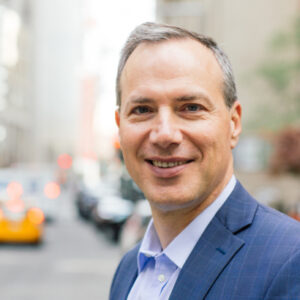
|
George Canellos | Partner, Litigation & Arbitration | View Profile |
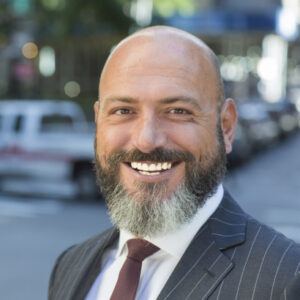
|
Marcus Dougherty | Partner and Practice Group Leader, Leveraged Finance Group (US), Co-head of the… | View Profile |
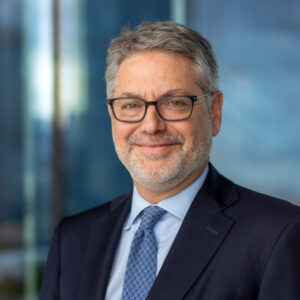
|
Scott Edelman | Chairman of Milbank LLP and Partner | View Profile |

|
Drew Fine | View Profile | |
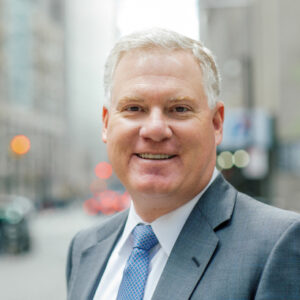
|
David Gelfand | Partner, Litigation & Arbitration Group | View Profile |
|
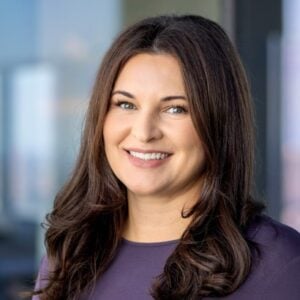
Lauren Hanrahan | Partner, Global Leveraged Finance Group | View Profile |
|
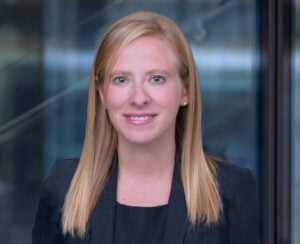
Nola Heller | Nola Heller is a partner in the New York office of Milbank,… | View Profile |

|
Robert Hora | Partner, Litigation & Arbitration Group | View Profile |
|
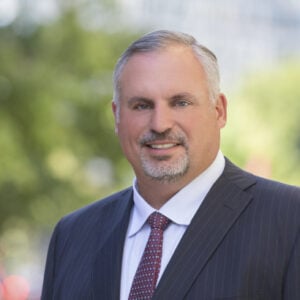
Andrew Leblanc | Partner, Financial Restructuring and Litigation & Arbitration Group | View Profile |
|
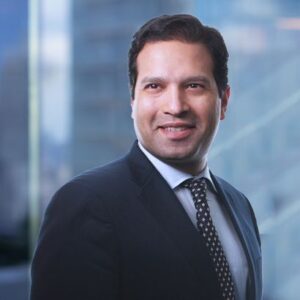
Viren Mascarenhas | Partner | View Profile |
|
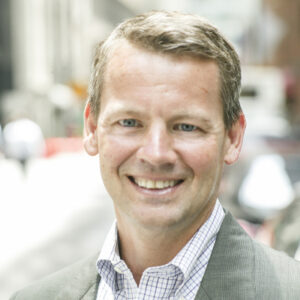
Sean Murphy | Partner | View Profile |
|
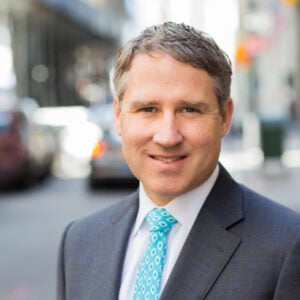
Daniel Perry | Partner, Litigation & Arbitration | View Profile |
|
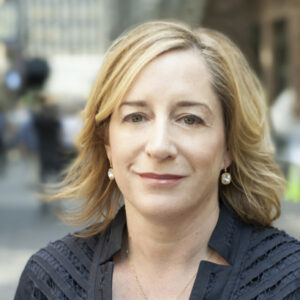
Fiona Schaeffer | Partner, Antitrust Group | View Profile |
|
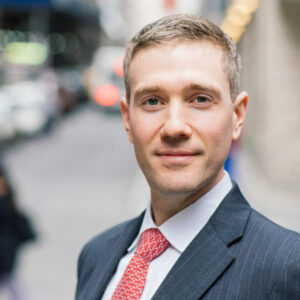
Jed Schwartz | Partner, Litigation & Arbitration Group | View Profile |
|
|
Helfried Schwarz | View Profile | |
|
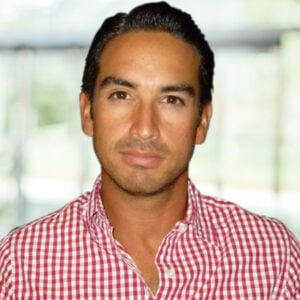
Sean M. Solis | Sean M. Solis is a partner in the New York office of… | View Profile |
|
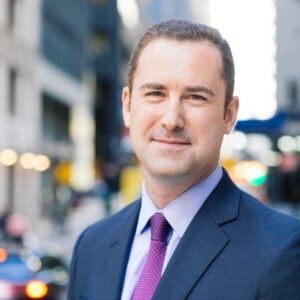
Charles Stern | Partner, Global Leveraged Finance Group | View Profile |
Legal Briefings
-
The Milbank interview – Taking the plunge
In its 40th anniversary in London, Milbank London co-heads Suhrud Mehta and Julian Stait talk about the dramatic development of the Wall Street leader’s City business The office has made a series of bold lateral hires in the last three years. What is behind this? Suhrud Mehta (SM), co-London managing partner, Milbank: At one level …
Comparative Guides
-
United Kingdom: Aviation Finance & Leasing
Published: August 2023
Authors: Siddharth SharmaRichard WaltonCosmos Fung
This country-specific Q&A provides an overview of Aviation Finance & Leasing laws and regulations applicable in United Kingdom.
-
United States: Aviation Finance & Leasing
Published: August 2023
Authors: Freyda MechlowiczZachary CroninSteve Goff
This country-specific Q&A provides an overview of Aviation Finance & Leasing laws and regulations applicable in United States.
- Energy > Renewable/alternative power
- Finance > Commercial lending
- Finance > Project finance
- Finance > Restructuring (including bankruptcy): corporate
Top Tier Firm Rankings
- Dispute resolution > Securities litigation: defense
- Energy > Energy transactions: electric power
- Finance > Capital markets: global offerings
- Media, technology and telecoms > Telecoms and broadcast: transactions
- Aviation and air travel: finance
Firm Rankings
- Dispute resolution > Corporate investigations and white-collar criminal defense
- Dispute resolution > General commercial disputes
- Finance > Capital markets: debt offerings
- Finance > Capital markets: high-yield debt offerings
- Real estate > Real estate finance
- Antitrust > Merger control
- Energy > Energy transactions: oil and gas
- Finance > Capital markets: equity offerings
- Intellectual property > Patents: litigation (full coverage)
- Tax > US taxes: non-contentious
- Labor and employment > Employee benefits, executive compensation and retirement plans: transactional
- M&A/corporate and commercial > M&A: large deals ($1bn+)
- Finance > Structured finance: securitization
- Antitrust > Civil litigation/class actions: defense
- Environment > Environment: transactional
Firm Rankings
- Latin America: International firms > Banking and finance
- Latin America: International firms > Projects and energy
Top Tier Firm Rankings
- Latin America: International firms > Capital markets