
Carter-Ruck > London, England > Firm Profile
Carter-Ruck Offices

The Bureau
90 Fetter Lane
LONDON
EC4A 1EN
England
Carter-Ruck > The Legal 500 Rankings
TMT (technology, media and telecoms) > Reputation management Tier 1
Carter-Ruck is the go-to firm for a number of notable individuals and organisations facing threats to their reputations and privacy on both a domestic and international stage. In addition, the team also acts for a series of internationally-focused publishers and broadcasters. Practice head and managing partner Nigel Tait has a strong track record in litigation, regularly securing front page apologies in national newspapers. Adam Tudor typically handles reputational matters for multinational corporations, as well as NGOs and high-profile politicians and celebrities. Persephone Bridgman Baker specialises in defamation, privacy and data protection, while Rebecca Toman is experienced in blackmail and harassment matters, as well as other forms of crisis management. Senior associate Mathilde Groppo is experienced in acting for both claimants and defendants, while senior associate Helena Shipman handles misuse of private information and data protection claims.
 Practice head(s):
Nigel Tait
Other key lawyers:
Adam Tudor; Persephone Bridgman Baker; Rebecca Toman; Helena Shipman; Mathilde Groppo; Claire Gill; James Watkins; Dominic Garner; Antonia Foster
Testimonials
‘Quite simply, the Carter-Ruck lawyers are brilliant; their knowledge of the law is second to none, and their excellent tactical abilities mean that they are always on the ‘front foot’ vs opposing legal teams. With Carter-Ruck on your side, you know that you are receiving the very best support it is possible to have.’
‘Nigel Tait and Persephone Bridgman Baker are truly special. They go to the trouble of finding out exactly what their client is seeking, and then set about achieving that objective in the most time- and cost-effective way possible. They treat each client as if they are the most important person in the world, regardless of how financially significant the case may be for the firm.’
‘Nigel Tait and Helena Shipman worked very well in collaboration and understood the larger picture as well as the particular dynamics on possible solutions.’
‘Nigel Tait was patient in listening and coming to grips with the actual issues. Helena Shipman was aware of particular limitations of dealing with social media but understood what type of possibilities exist to appeal to different platforms.’
‘Helena Shipman from Carter-Ruck is simply the best in her field. Outstanding knowledge, excellent communication skills. Unique skill set and the right person to achieve the best outcome.’
‘Rebecca Toman, Persephone Bridgman Baker and Helena Shipman are all excellent lawyers. Their knowledge, approach and client manner are fundamental reasons as to why clients feel so at ease and understood.’
‘Carter-Ruck is the stand-out solicitors’ firm in reputation management. They are hugely experienced and specialist and their partners and associates are of the highest calibre.’
‘Nigel Tait is one of the star individuals in this area. Despite being a senior statesman he remains very visible and is still a real fee-earner, still involved in the day-to-day practice etc. Persephone Bridgman Baker is very bright and charismatic.’
Key clients
Len McClusky
Mike Ashley
Arvind Tiku
Chowdhury Mueen-Uddin
Prime Minister Shahbaz Sharif
Laura Murray
Ilian Stoimenov
Zoe Harcombe
Dr Ashti Hawrami
Al Jazeera
Richard Parsons
Azeem Rafiq
Susan Hamblin
TF Global Markets Limited
Shaima Dallali
Al-Khair Foundation
Insanity Talent Management Limited
Kate & Gerry McCann
Rached Ghannouchi
Wafic Said
Dispute resolution > Public international law Tier 3
Carter-Ruck's PIL department is widely respected for its advice on human rights, targeted sanctions, extradition, and INTERPOL notices. The team is also experienced in diplomatic protection, state and diplomatic immunity, and statehood recognition. International department head Guy Martin is a renowned specialist in challenges to targeted sanctions; senior partner Cameron Doley is 'the outstanding figure in this field'; Miranda Rushton advises on matters featuring international law aspects; and Charles Enderby Smith is at partner level since May 2023. Other key advisers include 'phenomenal' consultant Alasdair Pepper, along with 'extremely good' senior associates François Holmey and Lawrence Northmore-Ball.Practice head(s):
Guy Martin
Other key lawyers:
Testimonials
‘Cameron Doley’s team at Carter-Ruck is unsurpassed in dealing with cases that involve diplomatic or geopolitical complexities.’
‘Immediately identifies what really matters and never loses sight of it.’
‘Cameron Doley is the outstanding figure in this field. He is fiercely intelligent, and has the necessary breadth of vision to satisfy clients’ complex requirements. His work in the sector is often of a landmark nature.’
‘The senior associates, particularly Lawrence Northmore-Ball and François Holmey, are extremely good – very intelligent and insightful.’
‘An excellent team with extensive experience in various public international law areas.’
‘Guy Martin’s long experience in dealing with EU sanctions can be instrumental to success.’
‘Charles Enderby Smith is very capable of navigating through intricate matters.’
‘Alasdair Pepper is phenomenal.’
Key clients
Al Jazeera Media Network
The State of Qatar
Al Jazeera Media Network
SA Group
SHS Holdings
Dispute resolution > International arbitration Tier 6
Housing 'a strong team with some outstanding individuals', Carter-Ruck acts for states and investors, under a range of arbitral rules, in major investment treaty cases. Senior partner Cameron Doley is 'an outstanding figure in this field'; Guy Martin is a public international law, European law and human rights specialist; and Miranda Rushton is experienced in investor-state and international commercial arbitrations. At senior associate level, Lawrence Northmore-Ball and François Holmey are 'very intelligent and insightful'.Practice head(s):
Cameron Doley
Other key lawyers:
Guy Martin; Miranda Rushton; Lawrence Northmore-Ball; François Holmey; Katherine Hooley; Amber Courtier
Testimonials
‘A strong team with some outstanding individuals.’
‘Cameron Doley’s team at Carter-Ruck is unsurpassed in dealing with cases that involve diplomatic or geopolitical complexities.’
‘Cameron Doley is an outstanding figure in this field. He is fiercely intelligent, and has the necessary breadth of vision to satisfy the complex requirements of clients.’
‘They immediately identify what really matters and never lose sight of it.’
‘François Holmey is an incredibly talented senior associate, who does much of the heavy lifting, not only on the client side but also in understanding the legal landscape.’
‘The senior associates, particularly Lawrence Northmore-Ball and François Holmey, are extremely good – very intelligent and insightful.’
‘Lawrence Northmore-Ball is a diligent senior associate with great knowledge of international arbitration.’
‘An extremely diligent team with extensive knowledge of various industries.’
Key clients
The State of Qatar
Al Jazeera Media Network
SHS Holdings
Carter-Ruck > Firm Profile
One of the UK’s best-known law firms, Carter-Ruck has a long-standing reputation for its expertise in the field of litigation and dispute resolution. It is recognised as one of the UK’s pre-eminent media law practices, while its work in the commercial litigation and international law sectors is also regarded as being of the highest calibre.
The firm: Carter-Ruck’s lawyers are known for being dynamic, determined and thorough in pursuing their clients’ objectives and protecting their interests. A large number of the firm’s cases attract the attention of the world’s media and Carter-Ruck is well-used to dealing with the challenges that this presents.
Carter-Ruck’s practice is truly global in nature and its lawyers have considerable experience and expertise in cases involving either a multi-jurisdictional or a political/diplomatic angle.
Types of work undertaken
Media law: Carter-Ruck has formidable expertise in advising individuals and organisations that find themselves subject to adverse or intrusive media coverage and in need of fast and reliable advice. The firm can be involved in more than half of all the libel and privacy claims issued in the High Court in a given year. Carter-Ruck’s lawyers have secured many of the largest damages awards in their fields of expertise, as well as unprecedented front-page apologies in national newspapers. The firm’s claimant practice is one of the largest in the country, but the firm also represents defendants, including some of the UK’s best-known publishers.
International law: Carter-Ruck’s international law team has extensive experience in litigation, dispute resolution and regulatory matters involving an international or diplomatic context. The firm’s clients include governments, heads of state, leading political figures from across the world, commercial entities and individuals requiring specialist advice on international issues. While much of Carter-Ruck’s work is conducted before the UK courts and by way of arbitration, the firm also has cases proceeding in the European Court of Justice, before the United Nations and in courts in a variety of overseas jurisdictions.
Commercial litigation: Carter-Ruck has considerable experience in a wide range of commercial disputes and is ideally positioned to handle high-value and complex commercial litigation. The firm has represented clients in the High Court, Court of Appeal, Supreme Court, Privy Council and European Court of Justice. Carter-Ruck’s international expertise means it is well-suited to advising on multi-jurisdictional disputes and conducting international arbitration and litigation in overseas courts. In certain cases, Carter-Ruck is able to act on a ‘no win, no fee’ basis, or to arrange for third-party funding or after-the-event insurance cover to support a claim.
Financial misselling and professional negligence: Carter-Ruck’s commercial litigation team has a formidable track record of acting in high-value financial misselling claims for compensation against institutions including banks, pensions providers and financial and tax advisers. The firm has secured numerous six and seven-figure settlements for a variety of clients. The firm is also highly experienced in bringing negligence claims against solicitors, accountants, surveyors and other professionals.
Main Contacts
| Department | Name | Telephone | |
|---|---|---|---|
| International Law | Cameron Doley | ||
| Media law / Commercial Litigation | Nigel Tait | ||
| Media law / International Law | Alasdair Pepper | ||
| Media law / Commercial Litigation | Nigel Tait | ||
| Media law / Commercial litigation | Claire Gill | ||
| Media law / Commercial litigation | Adam Tudor | ||
| Media law / Commercial Litigation | Antonia Foster | ||
| Media law / Commercial litigation | Rebecca Toman | ||
| International law / Sanctions / Media Law | Guy Martin | ||
| International law / Sanctions | Miranda Rushton | ||
| Media Law / Commercial Litigation | Persephone Bridgman BAker | ||
| International law / Sanctions / Media Law | Charles Enderby Smith | ||
| Media Law / Commercial Litigation | Helena Shipman | ||
| Media Law / Commercial Litigation | Mathilde Groppo |
Lawyer Profiles
| Photo | Name | Position | Profile |
|---|---|---|---|

|
Persephone Bridgman Baker | Persephone is a partner at Carter-Ruck and specialises in media and reputation… | View Profile |
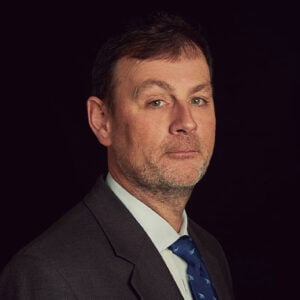
|
Cameron Doley | Cameron is the Senior Partner at Carter-Ruck. He works in the firm’s… | View Profile |

|
Charles Enderby Smith | Charlie is a partner at Carter-Ruck. He regularly advises on international law,… | View Profile |

|
Antonia Foster | Antonia specialises in media litigation and reputation management, as well as in… | View Profile |

|
Dominic Garner | Dominic’s principal focus is on Media Litigation. He has acted in many… | View Profile |
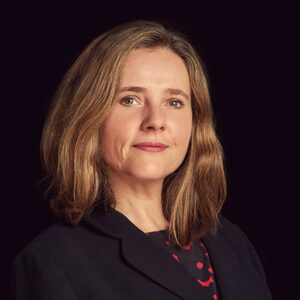
|
Claire Gill | Claire is a partner at Carter-Ruck and has over 20 years’ experience… | View Profile |

|
Mathilde Groppo | Mathilde is a Senior Associate in the Media Litigation group. Her practice… | View Profile |

|
François Holmey | François is a Senior Associate at Carter-Ruck. He has a wide-ranging practice… | View Profile |

|
Guy Martin | Guy Martin is head of the International and European Law Group at… | View Profile |

|
Lawrence Northmore-Ball | Lawrence is a Senior Associate at Carter-Ruck. He acts for both claimants… | View Profile |

|
Alasdair Pepper | Alasdair is one of the most experienced media lawyers in the business.… | View Profile |
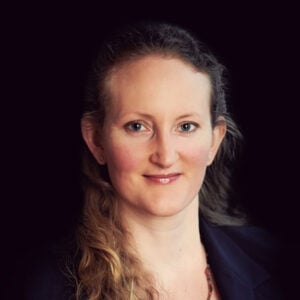
|
Miranda Rushton | Miranda advises on matters with an international law or diplomatic dimension including… | View Profile |

|
Helena Shipman | Senior Associate: Helena advises on defamation, misuse of private information and data… | View Profile |

|
Nigel Tait | Nigel is the Managing Partner at Carter-Ruck. He is also the head… | View Profile |

|
Rebecca Toman | Rebecca is a partner at Carter-Ruck. She acts for UK and non… | View Profile |

|
Adam Tudor | Partner specialising in media and reputation management as well as commercial dispute… | View Profile |

|
James Watkins | James is a solicitor practising in the Media Litigation and Commercial Litigation… | View Profile |
Staff Figures
Number of UK partners : 10 Number of other UK fee-earners : 15Languages
French Italian Arabic Russian SpanishLegal Briefings
-
Reputation in the digital age
Individuals often only learn the true value of their reputation when it is attacked; for businesses, reputation has never left the agenda. It shores up a customer base, is a prerequisite for growth, and feeds into the bottom line as goodwill. But many businesses, and individuals, are struggling to navigate the protean landscape of threats …
- TMT (technology, media and telecoms) > Reputation management
Top Tier Firm Rankings
- Dispute resolution > Public international law