
Elzaburu > Madrid, Spain > Firm Profile
Elzaburu Offices
Torre de Cristal
P.º de la Castellana, 259 C, 28th floor
28046 Madrid
Spain
Elzaburu > The Legal 500 Rankings
Spain > Intellectual property: Trade marks Tier 1
Elzaburu‘s large and versatile IP group is frequently involved in the largest and most high-profile trade mark disputes, though it also handles prosecution work through specialist partner Luis Baz. Legal and business head Javier Fernández-Lasquetty and anti-counterfeiting and anti-piracy expert Juan José Caselles also play central roles in the practice. Enrique Armijo provides essential support in unfair competition cases. Up-and-coming partner Carlos Morán and associate María Cadarso are also active in major trade mark disputes. Honorary partner Antonio Castán retired from the firm in 2023. The firm is widely acknowledged as a leader in the protection of rights at all levels, with extensive experience in acting before the higher courts, including the Supreme Court.Practice head(s):
Luis Baz; Enrique Armijo; Javier Fernández-Lasquetty; Juan José Caselles
Other key lawyers:
Testimonials
‘Proactive and efficient team. Analysis and brand strategy developed and adapted to the client.’
‘Very available. Always aware of the client and their needs.’
‘Knowledge of the subject. Very good professionals in intellectual and industrial property.’
‘Very executive and practical. In addition to the speed in responding to queries.’
‘The Elzaburu team is available 24/7. They stand out for their professionalism and for satisfying our demands regardless of the proximity of deadlines. They always advise us, giving us the best options for action in any case.’
‘The attorneys foster a friendly environment while remaining very professional.’
Key clients
Champagne
Conde Nast
Crossfit
Dunkin Coffee
Formula 1
Frank Sinatra
GAP
Hard Rock Café
IKEA
Jellysmack
John Deere
Mahou
McDonald’s
Meliá
MGA Entertainment
Moroccanoil
NBA
Nissan
Ornua
Work highlights
- Representing CrossFit LLC in the defense of its CrossFit and Forging Elite Fitness trade marks in Spain against gyms and sports clothing and equipment retailers that have not signed the necessary license.
- Took part in the “Biloba Operation”, a joint intervention by Customs Authorities, the Tax Agency, the National Police and the Municipal Police of Madrid, in which 101,894 counterfeit mobile phones and mobile phone accessories were seized, with a market value of more than €4.2m.
- Designed and implemented a market control strategy for live shows based on characters from Paramount’s cartoon series.
Spain > Intellectual property: Copyright Tier 2
Elzaburu has a multidisciplinary practice that provides comprehensive advice to holders of copyright in many sectors of the entertainment industry, notably theatre, motion pictures, television, and live shows. Handling both domestic and cross-border matters, it is especially well known for its strong capabilities in IP litigation. The firm also stands out for its busy antipiracy team, which works in close cooperation with customs, police, prosecutors, and courts. Lead legal and business partner Javier Fernández-Lasquetty, head of media and entertainment Mabel Klimt, litigation partner Enrique Armijo, and head of anti-counterfeiting Juan José Caselles are the main contacts. Former head of litigation Antonio Castán retired in 2023.Practice head(s):
Mabel Klimt; Javier Fernández-Lasquetty; Juan José Caselles; Enrique Armijo
Testimonials
‘The team is well versed in all matters of IP protection and enforcement. It has a strong relationship with law enforcement which is very helpful in coordinating anti-counterfeiting activities.’
‘I value their ingenuity is solving problems in a cost-effective manner. The entire team works seamlessly.’
‘Elzaburu is a highly qualified firm in the areas of intellectual and industrial property, branches that require a high degree of specialisation, as well as deep knowledge of different sectors of the industry. Elzaburu provides highly specialised advice, based on the client’s needs and is up to date on legislative developments and legal practice. Elzaburu provides services in a close manner, listening to the client and providing advice tailored to the case in question.’
‘Elzaburu is characterised by technical excellence in legal advice, as well as by absolute availability and friendliness towards the client. Our experience has been excellent with Javier Fernández-Lasquetty.’
Key clients
MGA Entertainment
Pokeepsie Films
Paramount Global
Work highlights
Spain > Intellectual property: patents Tier 2
Elzaburu‘s patent department works closely with the firm's other practices, notably the litigation, anti-counterfeiting and anti-piracy teams, to provide a comprehensive service across patent prosecution and litigation. Home to trained engineers who bring their technical knowledge to patent prosecution and litigation, the firm works with numerous applicants for Spanish and European patents, and has a long track record of success in the management and protection of inventions. The key contacts are new head of patents Ruth Sánchez, patent prosecution expert Francisco Saez, litigation specialist Enrique Armijo, head of legal and business Javier Fernández-Lasquetty, and anti-counterfeiting expert Juan José Caselles.Practice head(s):
Francesco Saez; Enrique Armijo; Javier Fernández-Lasquetty; Juan José Caselles; Ruth Sanchez
Key clients
Acciona Infraestucturas
Airbus
Alcatel
Dow
Fertiberia
Laboratorios Rovi
Lainco
Rovalma
Spanish National Cancer Research Centre (CNIO)
Vorwerk
Work highlights
- Active in past editions of the Mobile World Congress (2018 to date) working on a total of 30 cases handled before the Barcelona Commercial Courts.
Spain > Data privacy and data protection
Elzaburu > Firm Profile
Elzaburu is a European IP firm based in Spain and established in 1865. It is made up of lawyers, patent and trademark attorneys, engineers and graduates in chemistry, biology and physics.
The firm deals with intellectual property rights in their broadest sense: all aspects of trademarks, patents, designs, copyrights, software licensing and development and other IT matters, unfair competition, advertising law, domain names, antitrust law, media and entertainment and related fields.
Elzaburu’s headquarters are based in Madrid and there are offices in Alicante, Valencia, and Beijing .
Trademarks and domain names: Elzaburu specialises in furnishing full-service advice, thereby assuring effective legal protection for its clients’ trademarks and tradenames in all national, European, and international jurisdictions. The firm is an officially appointed Registrar for both “.eu” and “.es” domain names and offers all necessary services for cost-effective domain name registration and management worldwide.
Patents and designs: Elzaburu has the specialised means and know-how to protect the innovative endeavours of companies and designers wherever protection is needed.
Elzaburu’s patent team includes specialists in the full range of scientific and technical fields, eg, engineers in the different engineering disciplines, chemists, biochemists and biologists, prepared to advise and guide clients through the complexities of the procedure of patenting an invention or registering a design anywhere in the world from start to finish.
Litigation and ADR: The firm’s litigation group comprises a team of fully bilingual, specialised litigation lawyers highly experienced in all forms of intellectual property disputes, eg, trademark, patent and copyright infringement, counterfeiting and piracy, designs, media and entertainment, unfair competition, unfair advertising, etc, who can advise and represent clients in both civil and criminal matters before the Spanish courts and, as appropriate, before the Spanish Customs Authorities, the Court of Justice of the European Union, and dispute resolution service providers.
The firm also has extensive experience in international cross-border intellectual property litigation and in working for foreign clients and liaising with lawyers in other jurisdictions, to fully serve all its clients’ needs. The firm’s litigation lawyers include authorised mediators registered with official mediation centres who are experienced in both national and international matters.
Anticounterfeiting: Elzaburu’s anticounterfeiting team works in close cooperation with Customs, the police, prosecutors, and the courts and has extensive experience in uncovering counterfeiting, gathering criminal evidence, and then bringing criminal proceedings with a view to obtaining convictions and damages.
Media and entertainment: Elzaburu offers comprehensive legal advice for rightholders in all the different sectors of the entertainment industry (music, theatre, motion pictures, television, etc).
Besides furnishing advice on IP right purchasing and licensing agreements, conducting or assisting in the negotiating process, and defending our clients’ interests in court, arbitration, and mediation proceedings, the firm can help in complying with regulatory requirements set by the authorities and in optimizing business procedures.
Legal and business: Elzaburu Legal & Business practice provides specialised advice and services in all types of transactions involving IP rights, personality rights and IT.
From the assignment or licensing of rights to complex joint ventures, the firm has expertise all across the full spectrum of areas, such as audiovisual and advertising, franchising, agency and other commercial agreements, software development and implementation, internet related matters, data protection, R&D and technology transfer in the different scientific fields, including biotech and so forth.
In the field of R&D and TT agreements, the team of advisors comprises staff members specialised in different scientific fields. Other services provided by the firm include valuation and audits of all kinds of IP assets and advice on public funding for R&D projects.
Main Contacts
| Department | Name | Telephone | |
|---|---|---|---|
| Head of the Patent Department | Ruth Sánchez | ||
| Head of the Trademark Department | Luis Baz | ||
| Head of IP Litigation | Enrique Armijo | ||
| IP counterfeiting and piracy | Juan José Caselles | ||
| Head of IP legal and business | Javier Fernández-Lasquetty | ||
| Head of IP media and entertainment. Managing Partner | Mabel Klimt |
Lawyer Profiles
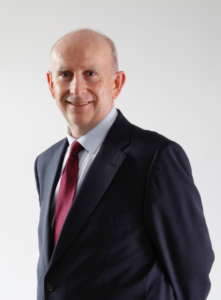
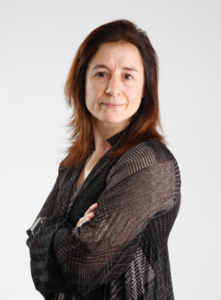
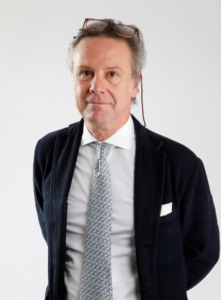
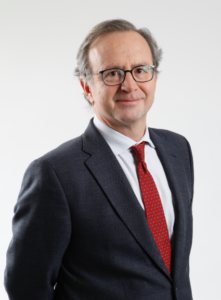

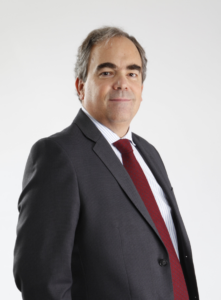
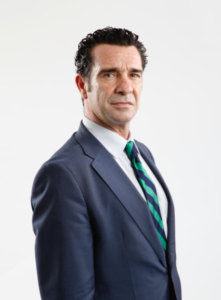
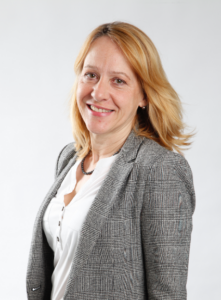

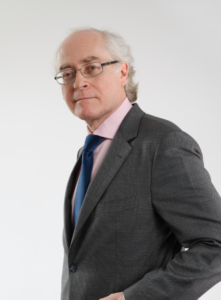
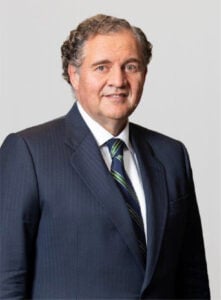
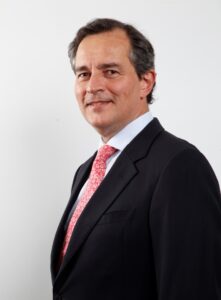
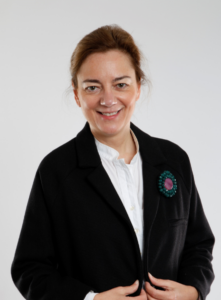
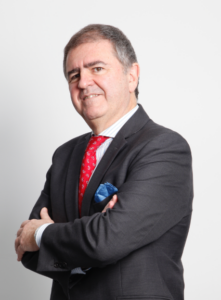

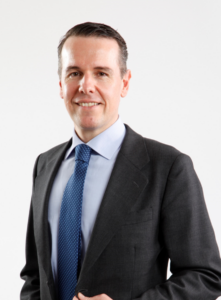
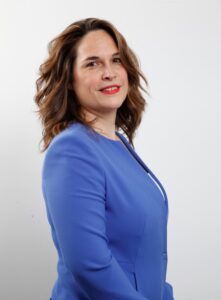
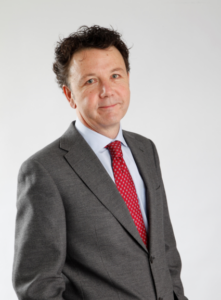

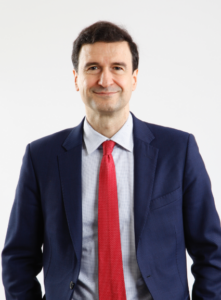
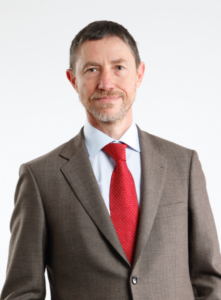
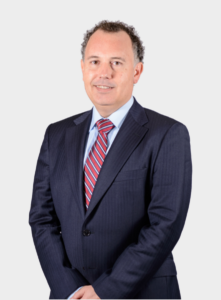

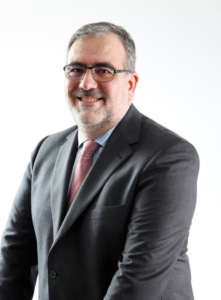
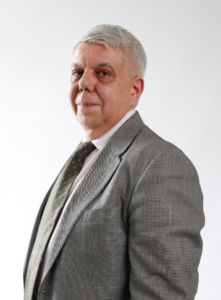
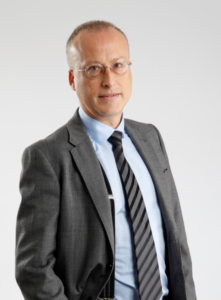
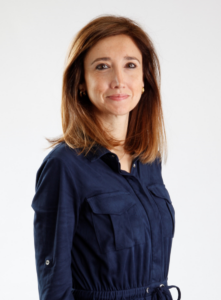
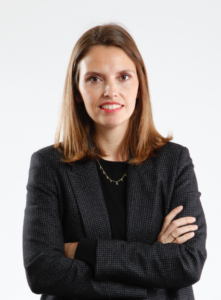
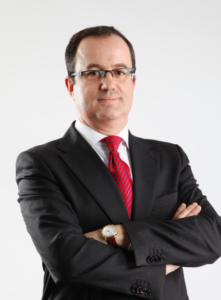
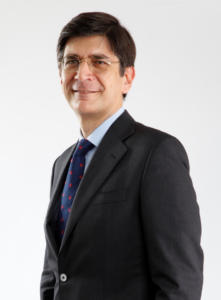
Staff Figures
Number of lawyers and patent attorneys : 64 at this office : 61Languages
Spanish Chinese English French GermanMemberships
AIPPI ANDEMA APEP ASCOM ASEBIO ASEDA ASIPI DENAE ECTA EPI FICPI GRUR INTA ITMA LES MARQUES ORIGIN PTMG Union IP AEDC Asociacion Española para la Defensa de la Competencia ALAI (The International Literary and Artistic Association) APAAOther
Contact : Alfonso Diez de Rivera (President) Other offices : Alicante Other offices : Beijing Other offices : ValenciaDiversity
ELZABURU values diversity and respects the individual. Our practitioners play a key role in ensuring the firm’s sustainability and make up the nucleus of its prestige.
The creation and maintenance of employment and the professional development of its employees through continuous learning programmes is a key business priority for ELZABURU. Mechanisms are in place to allow for flexibility in the organization of work, the rationalization of working hours and, consequently, the reconciliation of private and professional life. Cultural and sporting activities for employees are likewise promoted. Within the context of their contribution to the world of education and commitment to the service of society, ELZABURU’s practitioners engage proactively and voluntarily in the dissemination of knowledge in the field of intellectual property through publications, articles in the press and participation in conferences, workshops, courses and seminars.
Our focus on diversity and inclusiveness is integral to how we serve our clients, develop our people and play a leadership role in our communities.
Corporate Social Responsibility
ELZABURU contributes actively, through its CSR policy, to the fostering of sustainable development, integrating within the firm’s strategic management the economic, social and environmental concerns arising out of transparent relations and dialogues with the corresponding interest groups.
The CSR policy is fuelled by the professional team which embodies those values and sustains our activity and relations with our clients.
The Firm’s Values are:
- Rigor, frankness and balance (in providing advice)
- Fairness, modesty and good faith (in manner and conduct)
- Partnership, buoyancy and openness (in relations with clients and fellow team members)
Good governance
In the course of its activities ELZABURU adheres strictly to the rules of ethics and conduct established by the relevant professional associations and to its internal Code of Ethics. ELZABURU similarly has a specific system in place for the avoidance of conflicts of interest. Lastly, within the dedication to excellence which characterizes the strategic management of the firm, ELZABURU has obtained the ISO 9001 certification.
Social dimension
Probono
The Pro-Bono advisory programme was started up in 2016 with the assistance of the Alberto Elzaburu Foundation. Through this initiative the firm meets its commitment to share disinterestedly with society its know-how and experience in the field of intellectual property.
Elzaburu is one of the founding members of the Fundación Pro Bono España and it activily contributes with its goals, offering pro-bono advice to different foundations and associations.
UN Global Compact
ELZABURU adheres to the UN Global Compact, an international initiative for the promotion through corporate social responsibility of the implementation within the strategies and procedures of businesses of the ten universally proclaimed principles in the areas of human rights, labour standards, the environment and the fight against corruption.
Environmental impact
ELZABURU has implemented a series of projects with a view to diminishing the environmental impact of the activities of the firm. The consumption of paper has been cut, the number of files kept on paper has gone down sharply, paper shredders are in operation, recycling bins for different products are available, etc.
- Intellectual property: Trade marks