
Nestor Nestor Diculescu Kingston Petersen > Bucharest, Romania > Firm Profile
Nestor Nestor Diculescu Kingston Petersen Offices

201 BARBU VACARESCU STREET, 18TH FLOOR
GLOBALWORTH TOWER, 2ND DISTRICT
020276 BUCHAREST
Romania
Nestor Nestor Diculescu Kingston Petersen > The Legal 500 Rankings
Romania > Banking and finance Tier 1
Nestor Nestor Diculescu Kingston Petersen handles the gamut of banking and finance matters, ranging from domestic and international syndicated loans to large-scale financing mandates. The team is adept at representing lenders and borrowers in a broad range of sectors, including agribusiness, real estate, pharmaceutical and automotive entities. The group is also sought after by prominent banks with business operations in Romania. Alina Radu is a highly regarded practitioner in the space; she co-heads the practice with senior partner Manuela Nestor. Valentin Voinescu focuses on transactional matters, project finance and structured finance. Alexandru Ciambur is a name to note.
 Practice head(s):
Manuela Nestor; Alina Radu
Other key lawyers:
Valentin Voinescu; Alexandru Ciambur; Catalina Dan
Testimonials
‘NNDKP is a strong partner to help you with any transaction, no matter how complex it could be. They deliver always on time and with a highly level of professionalism. They have a practical approach always finding the best and feasible solution for you, which works in real life, not only in theory.’
‘Alina Radu – Partner is a highly qualified lawyer and a wonderful person. She can address easily any obstacle that could appear in a transaction and she has excellent communication skills.’
‘Extensive expertise and skills in respect of the local banking and finance market. Relevant track record on complex transactions.’
‘Very helpful, innovative and providing fast execution.’
‘As always the firm was outstanding. Went above and beyond.’
‘Real professionals in all aspects. Calm and patient.’
Key clients
Banca Comercială Română S.A.
Raiffeisen Bank S.A.
ING Bank NV Amsterdam – Sucursala Bucuresti
Unicredit Bank S.A.
OTP Bank S.A.
Banca Transilvania S.A.
Alpha Bank Romania S.A.
BRD Groupe Societe Generale S.A.
Banca Comerciala Intesa Sanpaolo Romania S.A.
Garanti Bank S.A.
First Bank S.A.
Impact Developer & Contractor SA
Globalworth Group
Aaylex One S.A.
Evofarm (Marcos Provit S.A.)
Work highlights
- Advised a syndicate of nine local and foreign banks on a €550m refinancing and financing of certain companies of the Ameropa Group.
- Advised Globalworth on a €110m refinancing granted by Banca Comerciala Romana and Erste Group Bank to five companies within the Globalworth group.
- Assisted OTP Bank Romania and OTP Group with a €57.8m financing for Exigent Property Investment to fund the development of phase 5 of Exigent Plaza Residence.
Romania > Commercial, corporate and M&A Tier 1
Nestor Nestor Diculescu Kingston Petersen‘s seasoned corporate and M&A department is a top choice for clients in a range of key industries in Romania. Adriana Gaspar led the advice to Grupo Bimbo on its expansion into Romania through its $180m acquisition of Vel Pitar; she co-heads the practice with Gabriela Cacerea, who has over 20 years of experience in domestic and cross-border M&A, corporate restructurings, private equity transactions, privatisations and joint ventures; Ruxandra Bologa, who has a solid track record in representing prominent energy sector clients; and Adina Chilim-Dumitriu, who handles a broad range of corporate and M&A matters. Other names to note include Razvan Vlad, Corina Dumitru, and counsels Madalina Panca and Mirela Preda.Practice head(s):
Adriana Gaspar; Gabriela Cacerea; Ruxandra Bologa; Adina Chilim-Dumitriu
Other key lawyers:
Mirela Preda; Razvan Vlad; Corina Dumitru; Madalina Panca; Vlad Anghel
Testimonials
‘I consider NNDKP to be the best law firm in Romania. They manage to cover all the legal aspects a firm needs. Their specialised departments with their excellent lawyers gave us the comfort that we work with the right law firm.’
‘Ruxandra Bologa always demonstrated a thorough understanding of the case through comprehensive research. I also appreciated that she is always a direct person and self confident.’
‘The aspect that sets this company apart is the meticulous analysis you have on everything. Even if you seem to know everything in a field you have been managing for a long time, this law firm always brings a new breadth and a new element of knowledge to the field we work in.’
‘Definitely top law firm in Romania on industry knowledge.’
‘Ruxandra Bologa – tough M&A lawyer with high technical skills; her perseverance makes a difference in transactions.’
‘Very strong expertise, thinking outside the box, swift response, proactive approach to client needs, loyalty to clients, business ethics.’
‘Ruxandra Bologa – brilliant lawyer, thinking outside the box, dedicated to client success.’
‘Mirela Preda – very smart, efficient & hard working lawyer.’
Key clients
BB Global Investing Holding, S.L (part of Grupo Bimbo)
OMV Petrom
BioIVT
DHL
Nippon Express Holdings, Inc.
Holcim
Cancom SE
Ophir
Plexus
Smithfield Foods
Work highlights
- Advised Grupo Bimbo on its $180m acquisition of Vel Pitar.
- Assisted Nippon Express Holdings with acquiring the shares of multiple subsidiaries of Cargo-Partner Group Holding.
- Advised Cancom on its acquisition of K-Businesscom-Group and all its subsidiaries.
Romania > Dispute resolution Tier 1
Full-service firm Nestor Nestor Diculescu Kingston Petersen has a strong offering in dispute resolution. The team garners praise for providing 'tailored solutions and outstanding strategies' in relation to a broad range of work. Ana Diculescu-Sova, who heads up the practice, is very highly regarded for her expertise in handling complex litigation. The group's workload includes high-profile class actions and longrunning, complex arbitration cases. Other key practitioners include Sorina Olaru, who has an excellent track record in assisting with arbitration; Valeriu Mina, who specialises in FIDIC-related disputes; and Emil Bivolaru and Marius Ezer. Practice head(s):
Ana Diculescu-Sova
Other key lawyers:
Sorina Olaru; Emil Bivolaru; Valeriu Mina; Marius Ezer; Daniela Gramaticescu; Ioana Cioclei; Daniela Savin; Alexandru Lacureanu
Testimonials
‘The level of professionalism and the strong and well-known expertise on the market in dealing with complex high-stakes litigation matters are the main pillars of the dispute resolution practice within NNDKP. At every step of our collaboration, they provided great support and came up with tailored solutions and outstanding strategies that reassured us that our interests are protected. We feel extremely confident to know that our legal needs are in the right hands.’
‘Emil Bivolaru has been our partner for so many years now. He is one of the best litigators I have ever worked with in Romania, with more than two decades of experience. We really appreciate him for his strategic thinking and commitment to always achieving the best results. He offers valuable legal insights, and I am always impressed by his practical approach in every matter I bring to the table. I have great confidence in his work.’
‘Daniela Gramaticescu and Alexandru Lacureanu are very inventive and very professional.’
‘ NNDKP`s dispute resolution team is undoubtedly one of the strongest on the Romanian market, with impressive knowledge and expertise, particularly in the field of real estate and construction. They have all the necessary assets to handle any type of arbitration or litigation work. Throughout our collaboration, they have provided outstanding services, with both strategic and out-of-the-box solutions, perfectly tailored to our needs. The team`s core strengths which make them stand out on the market include – flexibility, cohesion, promptness, and the ability to handle complex matters. For us, these qualities strengthen our confidence that we have the most reliable partner for the challenges we encounter.’
‘The team offers exceptional expertise in contentious and non-contentious restructuring and insolvency matters. What makes them stand out is their excellent strategic thinking wrapped up in a down-to-earth approach. They understand the client’s business and can work out innovative solutions tailored to the client’s unique needs. We are happy to have them on our side.’
‘The size and deep specialization of their litigation team is what makes them stand out. They are a highly skilled and experienced group of litigators, who can accurately point out the strengths and weaknesses of a case and build effective legal strategies. They offer not only excellent legal skills and in-depth knowledge of the law, but also commercial awareness, being attuned to our business needs. I am confident that they can handle any legal challenge that comes their way.’
‘Valeriu Mina is an exceptional litigator, with a vast experience in arbitration cases. He has been extremely valuable in our arbitration disputes as he brings extensive technical expertise to a case. He is very meticulous in his work, results-oriented, explains matters in a clear and concise manner and provides well thought-out advice. He is also easy to work with and very committed to our cases.’
‘The dispute resolution team at NNDKP is nothing short of impressive. From junior to senior positions, they are extremely diligent and very well prepared. Their strength lies in the size of their team and the firm grasp of the law. They are very professional in everything they do, experts at breaking down complex legal issues and putting together the most effective strategies. I am very satisfied with their legal work and the level of service has always been very high. They always go the extra mile to meet our needs.’
Key clients
Euroins PLC and Euroins Romania Asigurare-Reasigurare SA
Carmeuse Holding SRL
Agricola
Alro SA Slatina
Lagardere
Elcen
Porr
Wizz Air
VCE Viena
Enel Distribution
REC Immpuls Luxemburger Team
Schlumberger
Engie
Work highlights
- Representing Euroins Romania Asigurare-Reasigurare and its major shareholder Euroins in litigation concerning a decision issued by the State Authority for Financial Supervision (ASF).
- Advising a real estate developer in Romania and Eastern Europe on a potential €100m damages claim against the Romanian State.
- Advising ELCEN Constanta on a damages claim brought against Constanta City Hall and Constanta municipality.
Romania > Employment Tier 1
Nestor Nestor Diculescu Kingston Petersen‘s employment team ‘has profound professional knowledge‘ of labour and employment matters, both standalone and as a part of interdisciplinary projects. From its offices in Bucharest, Timisoara and Cluj-Napoca, it serves a number of high-profile multinational clients, providing both ongoing employment law advice and support in complex, sensitive matters such as disciplinary investigations. Team head Roxana Abrasu is recommended for her ‘deep expertise in labour law‘; she is supported by a specialised team including Gabriela Dinu, whose experience runs the gamut of employment matters; Ionut Stancu, who is praised for his ‘strong expertise’ in the area; Flavia Danciulescu, noted by clients for her ‘proficiency and dedication’; and Daniel Stancescu, whose expertise spans both contentious and noncontentious matters.Practice head(s):
Roxana Abrasu
Other key lawyers:
Testimonials
‘Approachable, able to explain the risks in a comprehensible way for non-legal people.’
‘Ionut Stancu & Daniel Stancescu listen to the problem, ask pertinent questions, analyse all options & risks, explaining each aspect with reasonable pros & cons.’
‘All the lawyers we have had the pleasure to work with are accomplished professionals: the level of knowledge they have in their field is impressive.’
‘ The NNDKP team has profound professional knowledge. It is very flexible and creates dynamic interdisciplinary teams for various complex topics tailored to the client’s needs.’
‘The team embodies professionalism, comprising experts in their respective fields who bring a wealth of experience to the table.’
‘Standout partners like Roxana Abrasu bring deep expertise in labour law, while sr. associates like Flavia Danciulescu have played key roles in multiple projects, showcasing their proficiency and dedication.’
‘What stands out in collaboration with NNDKP is how customer-oriented they are. They are prompt, straight to the point, always providing 360 degrees perspective on employment topics.’
‘I have worked closely with Ionut Stancu and always appreciated his prompt response and guidance on legal matters. I would recommend Ionut as a very good professional with strong expertise in employment law.’
Work highlights
- Advised a telecom operator in a very sensitive project involving the implementation of a collective dismissal process.
- Advised a multinational food and beverage company on the collective negotiation of the collective bargaining agreement and assisted the client in several TUPE transactions.
Romania > Energy and natural resources Tier 1
The energy and natural resources practice at Nestor Nestor Diculescu Kingston Petersen ‘delivers excellent services efficiently‘, handling a variety of matters in the sector including M&A, privatisations, the structuring and development of greenfield and brownfield projects, and regulatory matters. Praised for its ‘in-depth knowledge of the energy industry‘, the team is experienced in conventional electricity, renewable energy, and oil & gas work. Gabriela Cacerea, particularly experienced in the transition to clean energy and decarbonisation, co-leads the team with Ruxandra Bologa, whom clients recognise for her ‘refined knowledge of energy legislations’. Mirela Preda is recommended for onshore and offshore natural gas and oil projects.Practice head(s):
Gabriela Cacerea; Ruxandra Bologa
Other key lawyers:
Mirela Preda; Mihai Fifoiu
Testimonials
‘NNDKP have in-depth knowledge of the energy industry in Romania.’
‘Mihai Fifoiu and Gabriela Cacerea have provided excellent service.’
‘I really appreciate the excellent expertise of the Team and the professionalism of the individuals’
‘Ruxandra Bologa is a real leader of her team. Her expertise in all aspects related to natural resources is amazing .’
‘The NNDKP’s team is involved in complex oil and gas projects where they have to face constantly new demands of the business.’
‘NNDKP delivers excellent services efficiently and in a way that’s practical in order for a project to achieve completion.’
‘Ruxandra Bologa has a sharp mind and she has the ability to reason at a very sophisticated level with the intricacies of the complex oil and gas projects.’
‘Excellent legal services in terms of client relationship, responsiveness and soundness of legal advice.’
Key clients
OMV Petrom S.A.
Emergy
Enel
Nordex
Deva Gold
ExxonMobil Development Company
Alternus Energy
Holcim
MOL
Engie
PepsiCo
Work highlights
- Assisted OMV Petrom SA in connection with the first deep offshore petroleum project in Romania.
- Providing continuous assistance to Emergy in the wind parks permitting and development process.
- Advised PepsiCo on the acquisition of a minority shareholding in Carpathian Springs (Aqua Carpatica) and its US and UK subsidiaries.
Romania > EU and competition Tier 1
Full-service law firm Nestor Nestor Diculescu Kingston Petersen has longstanding experience in the EU and competition space in Romania. The practice is home to a 'great competition law team with a good understanding of the market'. The group is well known for advising on all M&A-related competition matters, and has established strength in representing clients in investigations brought by the Romanian Competition Authority. The 'very resourceful' Anca Diaconu heads up the practice; the highly experienced practitioner Georgeta Dinu is now of counsel at the firm.Practice head(s):
Anca Diaconu
Other key lawyers:
Georgeta Dinu; Andra Grozavu
Testimonials
‘A dynamic team.’
‘They have a desire to understand the business area in which the client operates, so that advice is tailored and not just general legal advice/solutions.’
‘Great competition law team with a good understanding of the market.’
‘Anca Diaconu is a young and aspiring partner.’
‘Anca Diaconu has been a dedicated member of the team, leading the associates, and guiding us directly. We’ve appreciated the input and dedication, the preventive measures given by all departments within the law firm for the best, fairest, and safest results in pursuing our plan. Andra Grozavu followed in her footsteps, contouring to be as capable as the partner, ensuring the perpetual development of the team, bringing in new, capable additions so that they could deliver more, better services to us and new clients as well.’
‘Nestor Nestor Diculescu Kingston Petersen team stands out from other lawyers in the market due to their vast experience and deep understanding of the business needs of the clients.’
‘Anca Diaconu is a very resourceful lawyer and her legal advice is always extremely clear, helpful and practical.’
Key clients
PepsiCo
Kedrion SpA
Egger Romania
Roche Romania
Renania
The Romanian Brewers Association
Auchan
Mega Image (Ahold Delhaize Group)
Grupo Bimbo
Globalworth
Work highlights
- Assisted Renania Trade with the competition authority’s investigation into alleged price fixing and market sharing in the personal protection equipment market.
- Assisted The Romanian Brewers Association with the EU and competition aspects of the implementation of the deposit-return system for primary non-reusable packaging in Romania.
- Advised Grupo Bimbo on the competition aspects of its entry into the Romanian market through the acquisition of local bakery Vel Pitar.
Romania > PPP and procurement Tier 1
The public procurement and PPP team at the ‘outstanding law firm‘ Nestor Nestor Diculescu Kingston Petersen harnesses its longstanding experience in the sector to further infrastructure growth in Romania. It has notable experience in road, railway, and water treatment infrastructure alongside projects related to the construction of regional hospitals and airport facilities. The firm has hubs in Bucharest, Cluj-Napoca and Timisoara, and is able to tailor advice to the specifics of local markets. The ‘smart, transparent and reliable‘ Adina Chilim-Dumitriu co-heads the practice group with Adriana Gaspar. Alexandru Aman is a ‘go-to person when it comes to facing any legal matter concerning‘ PPP and procurement’.Practice head(s):
Adina Chilim-Dumitriu; Adriana I. Gaspar
Other key lawyers:
Razvan Vlad; Alexandru Aman; Cristian Dranca
Testimonials
‘From our perspective, NNDKP is an outstanding law firm. NNDKP has successfully rendered legal advice in public procurement to our company for years with excellent outcomes in many court files which were of paramount importance for our company.’
‘The people who work at NNDKP’s procurement department are highly skilled and extremely committed lawyers.’
‘We would like to emphasize their deep understanding of our business (i.e. infrastructure and construction), which translates into effective communication with our internal stakeholders and, ultimately, the provision of innovative solutions.’
‘Adina Chilim-Dumitriu is smart, transparent and reliable. We deem her an inspiration for younger lawyers.’
‘Alexandru Aman is both intelligent and pragmatic, always available when it comes to taking care of the legal issues we face. He has a deep knowledge of public procurement and is extraordinarily committed to our company.’
‘Adina Chilim-Dumitriu is an exceptional lawyer. She has guided and assisted us in the most important business expansion projects and we always 100% rely on her opinion and legal advice.’
‘A very wide range of legal aspects are handled at the firm, with partners in many different domains and industries.’
Key clients
FCC Construccion S.A.
Trencadis Corp SRL
PORR Construct SRL
Kontron Transportation
Work highlights
- Advised FCC CONSTRUCCION SA during the various stages of its participation in several major public procurement procedures for several major railroad modernization and rehabilitation contracts.
- Assisted and represented Trencadis Corp SRL in public procurement-related litigation including the successful challenging of the unlawful award of an important contract to a competitor.
- Assisted FCC Construccion S.A. with successfully challenging the award documentation of several large public procurement procedures containing illegal provisions.
Romania > Real estate and construction Tier 1
The ‘experienced and knowledgeable‘ real estate and construction team at Nestor Nestor Diculescu Kingston Petersen fields a three-partner practice exclusively focused on real estate. Alongside existing strength in the industrial, residential, leasing, retail and permitting sectors. The team is also growing its work in agribusiness and forestry, including renewable energy projects. Ioana Niculeasa heads up the practice, with experience supporting international, high-profile clients. 'Wizard of the leasing business’ Vlad Tanase handles the development of large-scale projects for industrial players and energy companies. Also recommended is Lavinia Ionita-Rasmussen who 'stands out through her sense of business and vision during real estate transactions'.Practice head(s):
Ioana Niculeasa
Other key lawyers:
Vlad Tanase; Lavinia Ionita-Rasmussen; Flavia Petcu
Testimonials
‘NNDKP has a strong real estate team with quality leasing market knowledge and very good people depth that allows them to quickly meet our needs.’
‘Vlad Tanase is the wizard of the leasing business with strong business acumen. He always gets the deal done no matter how rough or complex challenges are and never loses sight of the overall picture.’
‘Flavia Petcu is appreciated for her hard work and commitment.’
‘NNDKP’s real estate and construction team is very experienced and knowledgeable.’
‘Ioana Niculeasa is an expert in real estate. She is thorough and strives to identify the best solutions available.’
‘Lavinia Rasmussen works tirelessly to ensure a favourable commercial position for her clients.’
‘Lavinia Ionita-Rasmussen’s ability to manage a team of lawyers in a way that satisfies both the legal requirements and the scope of the transaction is exceptional.’
‘Lavinia Ionita-Rasmussen stands out through her sense of business and vision during real estate transactions. She brings her exceptional understanding of the business with her knowledge of legal acumen and provides tailor-made solutions for the transaction to happen or for the problem to be solved.’
Key clients
Globalworth Real Estate Limited
CTP
Forte Partners
AFI Europe
Global Vision
Ascom International
Centrul Medical Unirea
Bluehouse Capital
Ingleby Romania
Holcim
Emergy
Aukera BV
Griro SA
Portland Trust
Weisenburger Real Estate Romania
Work highlights
- Advised Centrul Medical Unirea on a large-scale transaction involving the acquisition of 30,000 sq m of land and the future development of a unique mixed-use project.
- Advised Ascom International and Aloref on drafting and negotiating the preliminary agreement for the acquisition by Nokian Tyres of a land plot of approx. 50 ha in Oradea.
- Advised Auchan on the largest expansion process undertaken by the group in South-East Europe. Including legal investigations on its locations and contract negotiations for the operation of its locations.
Romania > Restructuring and insolvency Tier 1
Nestor Nestor Diculescu Kingston Petersen's restructuring and insolvency team 'stands out in the local market'. On the contentious side, the 'tactically and strategically brilliant' Emil Bivolaru, dispute resolution specialist Sorina Olaru, and Marius Ezer handle a wide range of disputes in the space, while Alina Radu and Valentin Voinescu are key names for non-contentious matters. Key areas of instruction include debt restructurings, insolvency proceedings and non-performing loan portfolios. Senior partners Manuela Nestor and Ana Diculescu-Sova jointly head up the practice. Practice head(s):
Manuela Nestor; Ana Diculescu-Sova
Other key lawyers:
Testimonials
‘NNDKP’s restructuring and insolvency team stands out in the local market. Their strong expertise and outstanding commitment to preparing the most effective strategy and achieving the best outcome for the client are valuable assets of the firm. Also, they have been very responsive and prompt in clarifying any legal matters of concern to us, throughout our collaboration. It has been a pleasure to work with them.’
‘Our excellent collaboration with Emil Bivolaru goes back a long way. He is a first-rate advisor and a hands-on partner for restructuring and insolvency. His practical approach and his ability to provide comprehensive and tailored solutions in critical situations enabled us to successfully navigate the intricacies of corporate restructuring and insolvency. He has been of tremendous help to us, and I have full confidence in his legal expertise.’
‘Their ability to find solutions when things get complicated, and their excellent level of service make them stand out in the litigation services market. They are very well-prepared to manage high-stakes cases and can distribute the right resources to oversee the legal matters entrusted to them, forming highly effective cross-disciplinary teams when needed. I also appreciate that fact that they keep us in the loop every step of the way, making sure we are up to date with the latest case developments. This makes it so much easier to collaborate with them and helps us have a clear idea of where we stand and what we can expect going forward.’
‘Emil Bivolaru is an excellent litigator with an impressive commitment to strong performance. He is tactically and strategically brilliant and very good at zeroing in on the key aspects that can tilt the balance in the client’s favour. On top of that, he has fantastic project management skills. Our collaboration with him has always been smooth and effortless. I highly recommend him for any type of litigation work.’
Key clients
Euroins Romania Asigurare-Reasigurare SA
BRD Group Societe Generale
Arlynn Limited
Peris SA
MTU Maintenance Lease Services BV
Electrocentrale Constanta
OMV Petrom SA
Altex Romania SA
Huincas Limited (part of Argo Capital Group)
Romania > Tax Tier 1
The tax advisory service at Nestor Nestor Diculescu Kingston Petersen operates out of the firm’s bases in Bucharest, Timişoara and Cluj-Napoca, supporting clients across the country and internationally. The firm’s specialised fiscal and dispute resolution centre, the NNDKP Center of Excellence in Fiscal Disputes, works closely with the numerous tax consultants in the team to provide comprehensive contentious and non-contentious support for clients. Co-heads Alina Timofti and Marius Ionescu are go-to team members for contentious matters, while Silviu Badescu is recommended for investments, tax reviews, and direct and indirect taxation matters. Alexandru Aparaschivei heads the firm’s VAT department.Practice head(s):
Alina Timofti; Marius Ionescu
Other key lawyers:
Lucian Barbu; Silviu Badescu; Alexandru Aparaschivei
Testimonials
‘This practice is making a difference through its dedicated and skillful people. ’
‘Silviu Badescu has a great fiscal and accounting background, and a client oriented attitude.’
Key clients
Asociatia Berarii Romaniei (Romanian Brewers Association)
Work highlights
Romania > TMT Tier 1
‘A very professional practice that has continuously provided high quality services‘, the TMT team at Nestor Nestor Diculescu Kingston Petersen is experienced in the authorisation of public networks and electronic communication services providers in the Romanian market. The team provides both day-to-day advisory services in regard to a client’s regulatory needs, and representation in front of the relevant authorities. Its expertise includes a notable niche in cloud computing related matters. Co-lead Iurie Cojocaru is the go-to for data protection matters. Adina Chilim-Dumitriu, who also co-leads, is experienced across telecom, IT, and media regulatory matters. Alina Boureanu has standout experience in the telecom field.Practice head(s):
Adina Chilim-Dumitriu; Iurie Cojocaru
Other key lawyers:
Testimonials
‘Nestor Nestor Diculescu Kingston Petersen is a very professional practice that has continuously provided high quality services. Their strong ability to assist our company in a timely and efficient manner makes every client feel like a priority. With outstanding work ethics and knowledgeable partners and associates, they stand out as a law firm.’
‘Throughout our collaboration, Iurie Cojocaru has showed superior research skills which have benefited our firm immensely. He is able to thoroughly understand our business and formulate effective strategies. Moreover, we highly appreciate his effectiveness in task management, his persuasive and communication skills, as well as his constant strive to further educate and improve himself. ’
‘The team is experienced in the IT market and was able to provide practical information. We received immediate support without wasting valuable time. We completed the project with the desired result on time. ’
‘With Alina Boureanu as our main contact, we had excellent support at all times. She has solid experience and knowledge in the area of information technology, especially when it comes to public sector constellations. She exceeded all expectations.’
‘The team is very capable and has had experience in every task we have asked of them.’
Key clients
Orange Romania
British Telecom
AT&T
Ericsson
Meta (Facebook)
NTT
Vonage
Work highlights
Romania > TMT: gambling law Tier 2
Nestor Nestor Diculescu Kingston Petersen’s well-established gambling practice is recommended for its ‘in-depth understanding of the nuances and complexities within the gambling industry’s legal landscape‘. Combining its longstanding experience in the sector with cross-practice support from the firm’s tax team, the group provides integrated advice to gaming industry clients across licensing, compliance, enforcement, and interpretation of relevant legislation. Gabriela Cacerea and Ruxandra Bologa co-head the team, and are experienced in the corporate needs of gaming clients. Mihai Fifoiu is noted for his ‘mastery of the nuances and complexities’ within the sector.Practice head(s):
Gabriela Cacerea; Ruxandra Bologa
Other key lawyers:
Testimonials
‘Nestor is a specialised law firm in the field of gambling law. We believe that this specialisation allows the firm to possess an in-depth understanding of the nuances and complexities within the gambling industry’s legal landscape.’
‘With years of experience serving clients in the gambling sector, the firm has accumulated extensive industry-specific knowledge. This insight encompasses not only legal matters but also an understanding of market dynamics, emerging trends, and regulatory changes that directly impact clients, which we believe is a must when advising on compliance matters.’
‘Mihai Fifoiu possesses an exceptional depth of knowledge and expertise in gambling law that extends well beyond surface-level understanding. Their mastery of the nuances and complexities within the gambling industry’s legal framework sets them apart as a true specialist in this field.’
‘They are a dedicated team and have always resolved our doubts with clarity, keeping us informed of any changes that may affect us.’
Work highlights
Romania > Intellectual property Tier 3
Working in partnership with the firm’s corporate and dispute resolution departments, the IP team at Nestor Nestor Diculescu Kingston Petersen is led by Florina Firaru, a dedicated IP law professional with significant experience in the area. Clients include both foreign and domestic companies in a range of industries, with tech, food retail and distribution being areas of recent activity. Dariana Istrate is a supporting contact to note.Practice head(s):
Florina Firaru
Other key lawyers:
Sorina Olaru; Dariana Istrate
Testimonials
‘NNDKP has a good customer account management, they respond quickly to requests, with professional communication.’
‘It was clear to me that they have well-established procedures and everyone has their role in providing the service.’
‘I have worked with NNDKP in a litigation matter where a third party has registered and used our client’s trademarks in bad faith. NNDKP’s team was responsive in communication and tactically skilled in negotiations with the other side.’
‘NNKDP has always been committed to outstanding legal services and exceptional client relationship management. Guided by these principles, over the years they have shown that geographical boundaries are no longer the limits of their clients’ interactions. Thus, together with their colleagues, they joined forces who share the same vision and approach when it comes to offering the most appropriate legal support for clients’ business interests, wherever they arise.’
‘Dariana Istrate is well experienced in the area of intellectual property. She is fully involved in any common project, providing high professionalism, qualification, understanding of the needs and excellent technical skills. She has friendly approach to clients and timely and efficient performance of assigned tasks.’
Key clients
Zentiva KS, Zentiva SA
Work highlights
Nestor Nestor Diculescu Kingston Petersen > Firm Profile
Nestor Nestor Diculescu Kingston Petersen (NNDKP) is a promoter of business law in Romania and has been acknowledged, for more than 30 years, as a pioneer of the Romanian legal market. NNDKP offers full-service and integrated legal and tax advice to companies from diverse industry sectors. For the past three decades, NNDKP lawyers have provided expertise in landmark deals and projects in Romania, contributing to the evolution of the Romanian business environment, including in innovative and niche economic sectors that involved both international corporations and local entrepreneurs.
NNDKP’s team brings together knowledgeable, talented and dedicated lawyers and tax advisors active in Romania, with an impressive track record that reflects a mix of industry insights, courtroom experience and practical business sense. Over 120 lawyers, tax and IP counsellors and over 50 business services professionals form one of the largest and most respected teams of independent professional services providers in Romania. We are on the ground where needed, working either from our headquarters in Bucharest or from our regional offices located in Timisoara and Cluj-Napoca, important economic, academic and social hubs in Romania.
To continuously add value to the services that would benefit our clients, NNDKP has established strong connections with leading international law firms and high-profile professional networks. On the local market, NNDKP has formed alliances with non-legal advisers with deep knowledge of the Romanian market to help clients pursue their business interests including outside the legal spectrum.
Committed to constant advancement and enhanced performance, NNDKP formalized in 2019 its Center of Excellence in Fiscal Disputes (or NNDKP CELF), an initiative built with the aim to provide integrated services to the company’s clients from the initial stage of a fiscal dispute until the litigation stage before Romanian courts, offering a seamless approach throughout the fiscal dispute. Clients benefit from the very first moment from complete professional services covering both fiscal and legal aspects, in the unwanted scenario of a fiscal dispute, thanks to the involvement of a mixed team of professionals in each project, that includes highly experienced tax consultants and dispute resolution lawyers.
In 2021, NNDKP has set up Act for Ethics, a legal and tax hub dedicated to business ethics and compliance regarding the Whistleblowers’ Directive. Act for Ethics is, at the same time, a space for information and debate which, at present, integrates the corporate governance, labour and data protection competencies required to assess compliance with the legislation (in-the-making) on the protection of persons reporting in the public interest.
In over three decades of practice, we have fostered a culture of continuous improvement to meet our clients’ needs and to adapt to a fast-changing economic landscape. As a pioneer of business law in Romania, we have also embraced technology and implemented tools to increase efficiency in the fields of information management, knowledge management, business development and finance. We are constantly looking for new feasible ways to evolve and adapt, for the direct benefit of our teams and clients.
Areas of practice: Along the years, we have expanded our practice areas to cover virtually all key areas of business law and to keep pace with clients’ evolving businesses. Our expertise covers: advertising, banking and finance, capital markets, competition and state aid, consumer protection, corporate / M&A and commercial, data protection, dispute resolution, employment, energy and natural resources, environment, EU law, gaming, immigration, insurance and private pensions, intellectual property, pharmaceuticals and healthcare, infrastructure, public procurement and PPP, real estate and construction, tax and telecommunications and media.
Industry wise, we frequently act in matters related to agribusiness, automotive, aviation, aerospace and defence, financial sector, healthcare, infrastructure and construction, IT and technology, manufacturing, mining, oil and gas, power and utilities, renewables, retail and consumer goods, transport and logistics.
Main Contacts
| Department | Name | Telephone | |
|---|---|---|---|
| Banking and finance | Manuela Nestor | manuela.nestor@nndkp.ro | |
| Banking and finance | Alina Radu | alina.radu@nndkp.ro | |
| Capital markets | Manuela Nestor | manuela.nestor@nndkp.ro | |
| Competition and state aid | Anca Diaconu | anca.diaconu@nndkp.ro | |
| Corporate/M&A | Adriana Gaspar | adriana.gaspar@nndkp.ro | |
| Corporate/M&A | Adina Chilim-Dumitriu | adina.chilim-dumitriu@nndkp.ro | |
| Corporate/M&A | Gabriela Cacerea | gabriela.cacerea@nndkp.ro | |
| Corporate/M&A | Ruxandra Bologa | ruxandra.bologa@nndkp.ro | |
| Data Protection | Iurie Cojocaru | iurie.cojocaru@nndkp.ro | |
| Dispute resolution | Ana Diculescu-Sova | ana.diculescu@nndkp.ro | |
| Employment | Roxana Abrasu | roxana.abrasu@nndkp.ro | |
| Energy | Gabriela Cacerea | gabriela.cacerea@nndkp.ro | |
| Energy | Ruxandra Bologa | ruxandra.bologa@nndkp.ro | |
| Gaming, consumer protection | Gabriela Cacerea | gabriela.cacerea@nndkp.ro | |
| Gaming, consumer protection | Ruxandra Bologa | ruxandra.bologa@nndkp.ro | |
| Infrastructure and PPP | Adriana Gaspar | adriana.gaspar@nndkp.ro | |
| Intellectual property | Florina Firaru | florina.firaru@nndkp.ro | |
| Public procurement | Adina Chilim-Dumitriu | adina.chilim-dumitriu@nndkp.ro | |
| Real estate | Ioana Niculeasa | ioana.niculeasa@nndkp.ro | |
| Taxation | Alina Timofti | alina.timofti@nndkp.ro | |
| Taxation | Marius Ionescu | marius.ionescu@nndkp.ro | |
| Pharmaceuticals and Healthcare | Gabriela Cacerea | gabriela.cacerea@nndkp.ro | |
| Pharmaceuticals and Healthcare | Ruxandra Bologa | ruxandra.bologa@nndkp.ro |
Lawyer Profiles
| Photo | Name | Position | Profile |
|---|---|---|---|
|
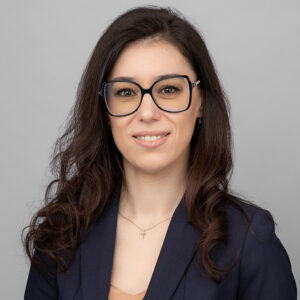
Mrs Roxana Abrasu | Roxana Abrasu is a Partner and Head of the Employment and Labour… | View Profile |

|
Mr Alexandru Aparaschivei | Alexandru Aparaschivei has 18 years of professional experience and is a Tax… | View Profile |

|
Mr Silviu Badescu | Silviu Badescu is a Tax Partner at NNDKP Tax Advisory Services. With… | View Profile |
|
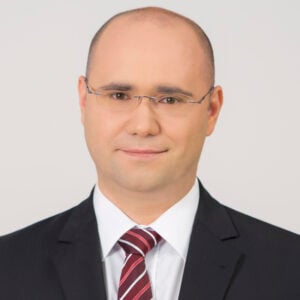
Mr Lucian Barbu | Lucian Barbu is a Tax Partner at NNDKP Tax Advisory Services. He… | View Profile |
|
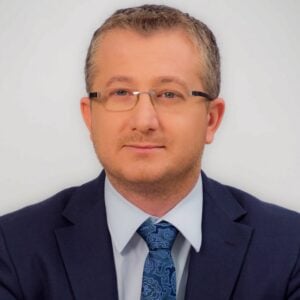
Mr Emil Bivolaru | Emil Bivolaru is a Partner in the Dispute Resolution practice at NNDKP.… | View Profile |
|
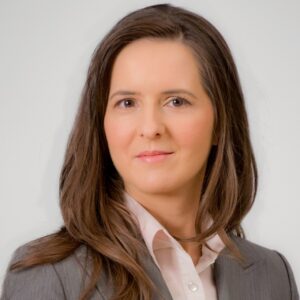
Mrs Ruxandra Bologa | Ruxandra Bologa is a Partner and Co-Head of Corporate/M&A and Energy and… | View Profile |

|
Mrs Gabriela Cacerea | Gabriela Cacerea is a Partner and Co-Head of Corporate/M&A and Energy and… | View Profile |

|
Mrs Adina Chilim-Dumitriu | Adina Chilim-Dumitriu is a Partner and Head of the Telecommunications and Media… | View Profile |
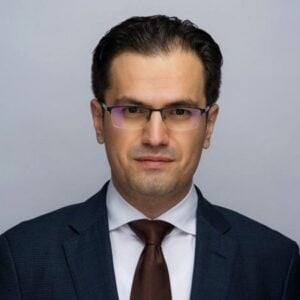
|
Mr Iurie Cojocaru | Iurie has 17 years of experience in the legal field and heads… | View Profile |

|
Mrs Anca Diaconu | Anca Diaconu has significant professional experience in competition, state aid and EU… | View Profile |
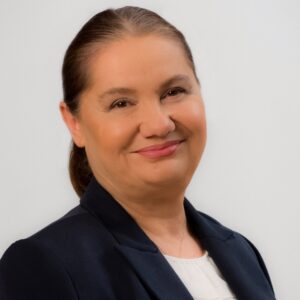
|
Mrs Ana Diculescu-Sova | Ana Diculescu-Sova is a Senior Partner heading NNDKP’s Dispute Resolution Department. Her… | View Profile |

|
Mrs Georgeta Dinu | Georgeta started her collaboration with NNDKP in 2004. She became familiar with… | View Profile |
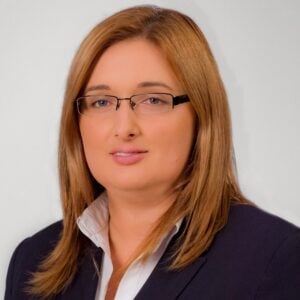
|
Mrs Corina Dumitru | Corina Dumitru is a Partner in the Corporate/M&A and Public Procurement and… | View Profile |
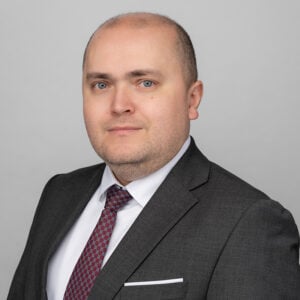
|
Mr Marius Ezer | Marius Ezer is a Partner in the Dispute Resolution Department at NNDKP.… | View Profile |
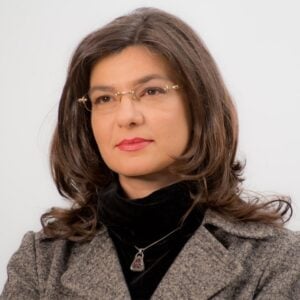
|
Mrs Adriana Ioana Gaspar | Adriana Ioana Gaspar has 31 years of professional activity in the legal… | View Profile |

|
Mrs Daniela Gramaticescu | Daniela Gramaticescu is a Partner in NNDKP’s Dispute Resolution practice. She has… | View Profile |
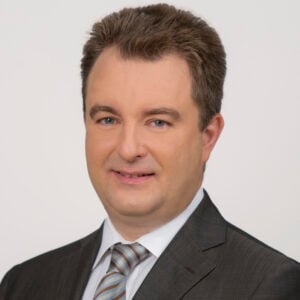
|
Mr Marius Ionescu | Marius Ionescu has 26 years of professional experience and is a Tax… | View Profile |

|
Mrs Lavinia Ionita-Rasmussen | Lavinia Ionita-Rasmussen is a Partner in the Real Estate practice at NNDKP.… | View Profile |
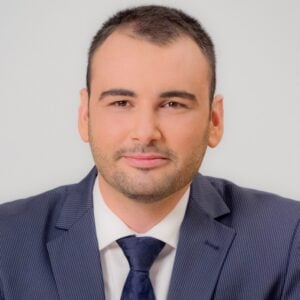
|
Mr Valeriu Mina | Valeriu Mina is a Partner in the Dispute Resolution practice at NNDKP.… | View Profile |

|
Mrs Ioana Niculeasa | Ioana Niculeasa has over 23 years of experience in the legal field… | View Profile |

|
Mrs Sorina Olaru | Sorina Olaru is a Partner in the Dispute Resolution practice at NNDKP.… | View Profile |
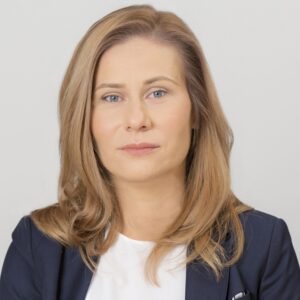
|
Mrs Oana Partenie | Oana Partenie is an Of Counsel specializing in dispute resolution matters. She… | View Profile |

|
Mrs Alina Radu | Alina Radu has 26 years of professional experience and is a Partner… | View Profile |
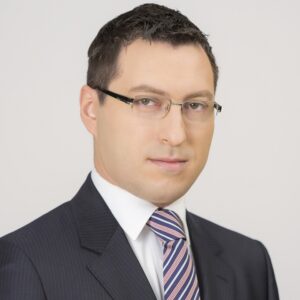
|
Mr Vlad Tanase | Vlad Tanase is a Partner in the Real Estate practice at NNDKP.… | View Profile |

|
Mrs Alina Timofti | Alina Timofti is a Tax Partner and Co-Head of Tax Advisory Services… | View Profile |
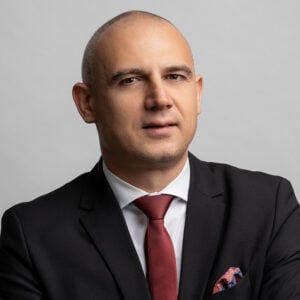
|
Mr Razvan Vlad | Răzvan Vlad is a Partner in the Corporate/M&A and Public Procurement and… | View Profile |

|
Mr Valentin Voinescu | Valentin Voinescu is a Partner in NNDKP’s Banking and Finance practice. He… | View Profile |
Staff Figures
Number of professionals : Over 120 (including partners)Languages
English FrenchMemberships
The South East Europe Legal Group (SEE Legal) Lex Mundi World Services Group Three Seas Legal AllianceOther
Contacts : Ion Nestor (ion.nestor@nndkp.ro) Contacts : Manuela Nestor (manuela.nestor@nndkp.ro) Other offices : Cluj-Napoca Other offices : TimisoaraDiversity
NNDKP respects, promotes and bases its success on value, including personal value and value resulted from the mix and interaction of perspectives. Thus, we have tended to and accommodated variety in every respect and at all levels, in the most natural manner.
Reflective of our belief in value, our overall teams have organically developed to comprise a diversity of groups, regardless of gender, ethnicity, religion and other distinguishing trait. That is how we have built a diverse and inclusive working environment, with equal chances for all.
NNDKP’s programmes, activities and initiatives are designed to accommodate equality and diversity and are carefully monitored and adjusted so as to pave the way for both personal and firm’s development and success, without prejudice. NNDKP’s continued policy has been to attract and retain top talent irrespective of differences. All members of our teams have benefitted from the same access to projects, training and rewards and have been encouraged to assume responsibilities and to achieve leading roles in the legal environment. We recognize individual contributions and reward professionals fairly, based on performance, accomplishments and contribution to the firm’s development.
A defining aspect of NNDKP’s corporate culture is encouraging female lawyers to achieve leading roles in the legal profession. We are a strong supporter of women and have always empowered them to reach their full potential, and this is reflected in our firm’s leadership –60% of our partners are women. At firm level, +60% of our professionals are women.
NNDKP was recognized as “Best Firm in Romania” for gender diversity three times at Euromoney’s “European Women in Business Law” Gala. The firm was also invited as expert at the “Equality Pays Off” business forum, organized as part of the European Commission’s initiative for gender diversity.
We believe that an inclusive environment creates a safe workplace, where professionals can grow. This also contributes to the quality of the services we provide to our clients, and also drives innovation and development.
A promoter of business law in Romania with over 30 years of experience on the local market, NNDKP has proven that solid knowledge, professional skills, ethics and dedication are gender and age-neutral and that success can only be based on value.